Plizio Visual Lab
Tulla
ℹ️Practical info — Tulla
▾
🌤 Weather — 5 days
📍 Nearby
Sights nearby
💡 Tips
- Tulla is famous for its pipe band and traditional music; check local pub windows for evening session times.
- The village is built on a hill, so wear comfortable shoes for walking up the main street.
- It's a great base for exploring East Clare, with its many lakes and quieter rural roads.
- A rental car is recommended here as public transport options are limited.
🍽 Food
While inland, pubs often serve good fish sourced from the nearby coast.
Traditional potato pancakes, sometimes found in local traditional eateries.
Best enjoyed while listening to a traditional music session in a local pub.
🛍 Shopping · 🧘 Quiet spots
For basic needs and local papers.
Look out for local pottery or woodwork in the surrounding area.
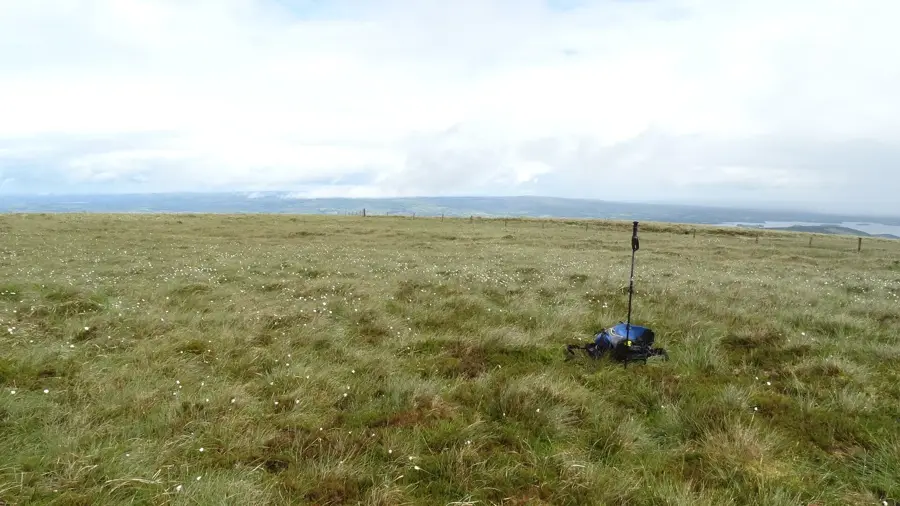
Has surprisingly good views over the surrounding Clare countryside.
Lough Derg and smaller lakes are a short drive for peaceful fishing or walking.
Water temperature…
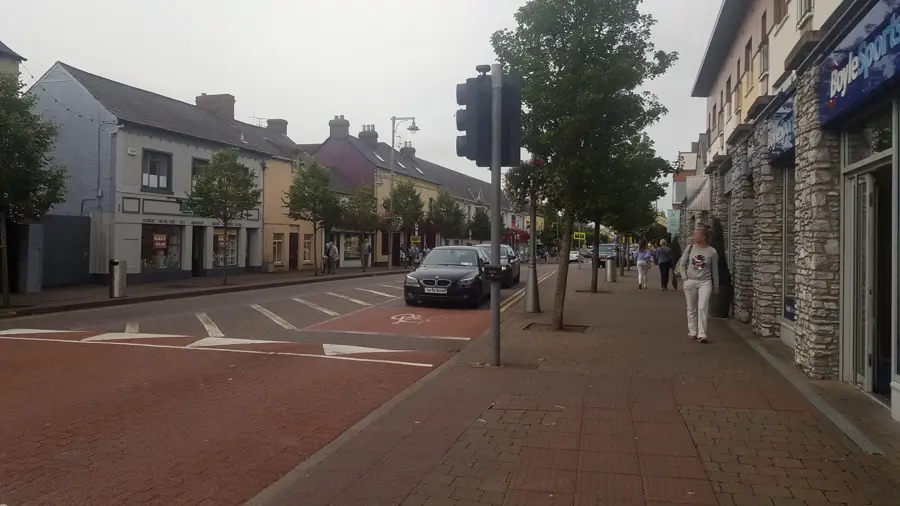
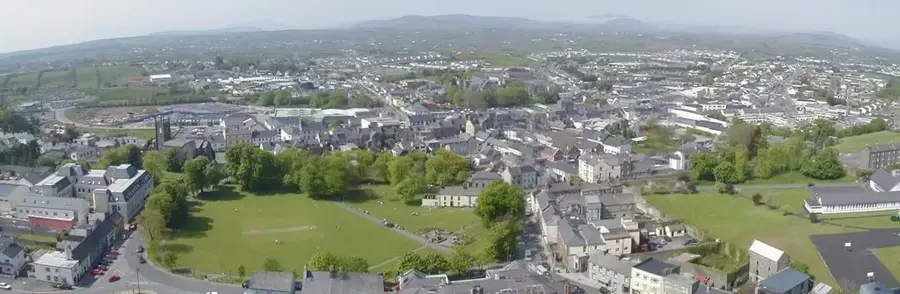
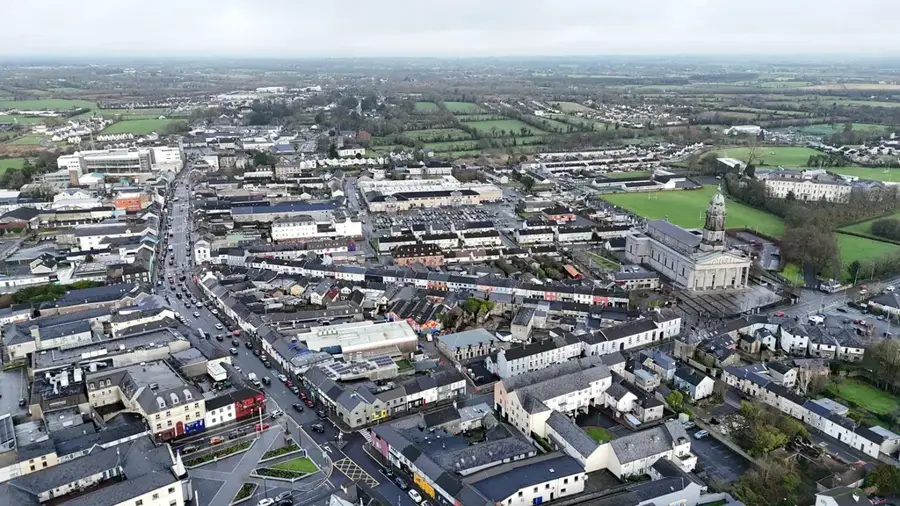
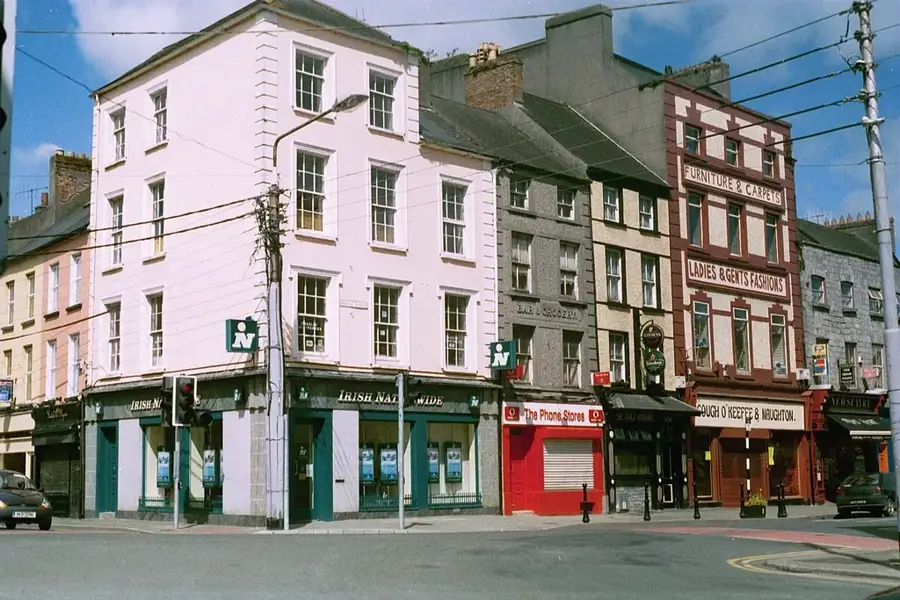
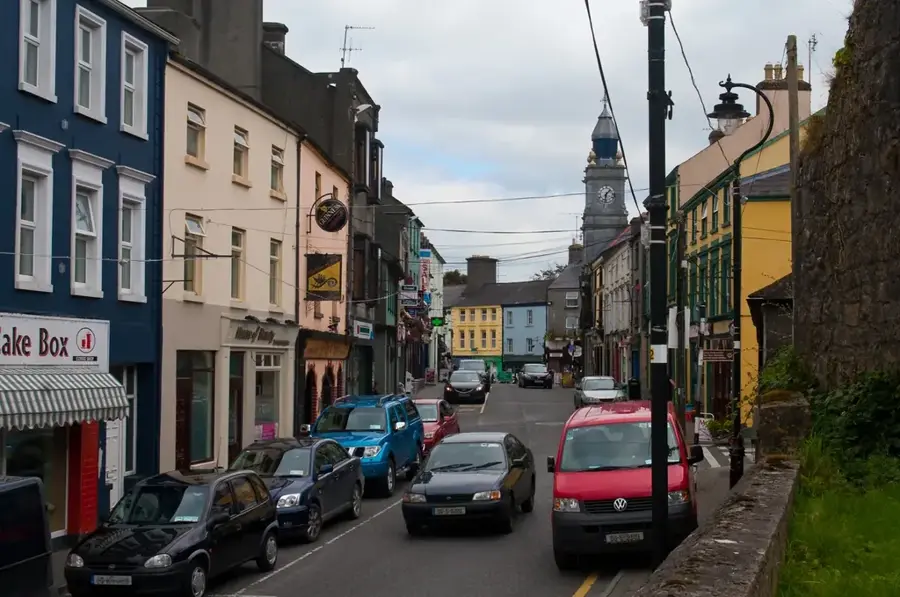
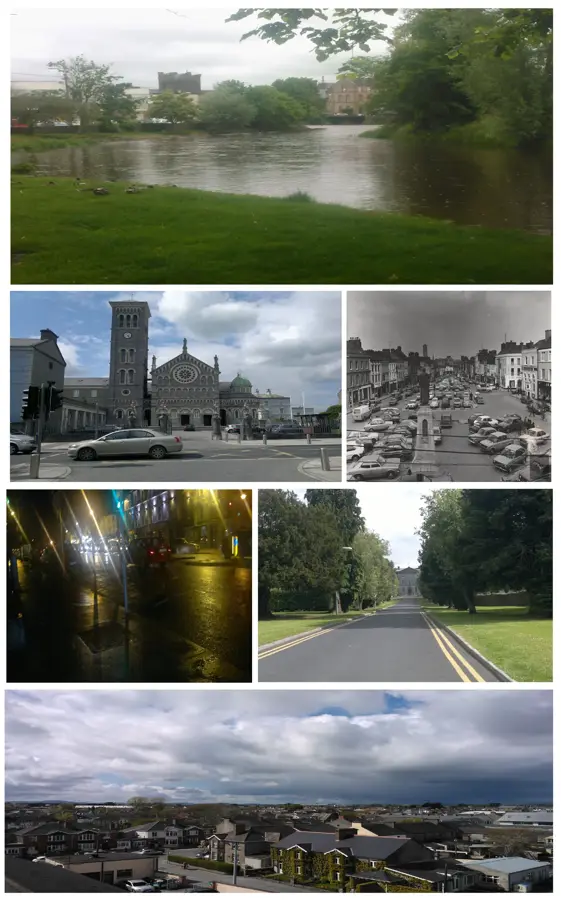
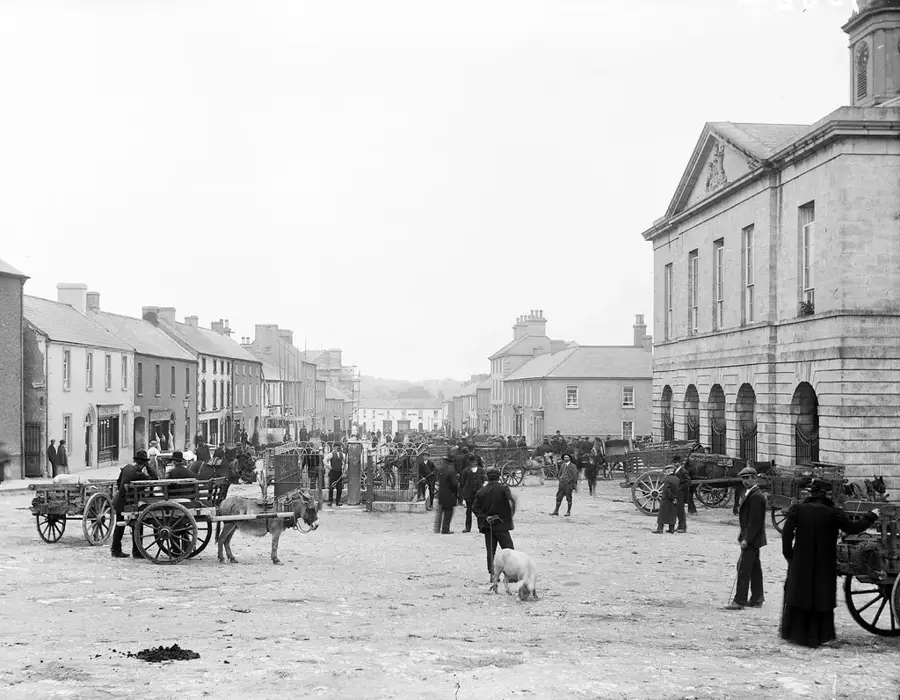
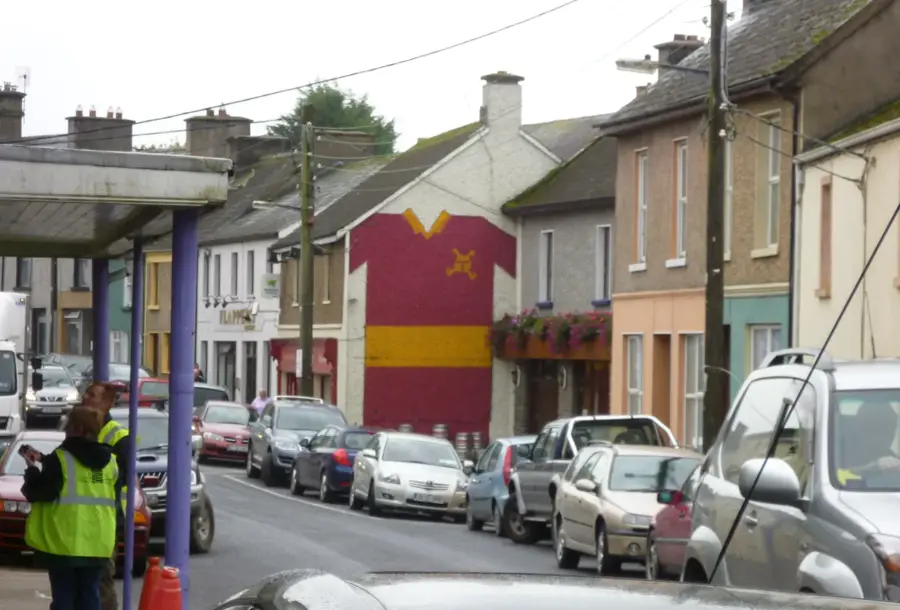
Tulla is a characterful village in County County Clare, renowned far beyond its borders as the spiritual home of traditional Irish music. The settlement was founded in the 7th century by Saint Mochulla, who established a monastery on a hill whose ruins still define the village's skyline today. The area surrounding Tulla is known for its gentle limestone hills and numerous lakes, making it an attractive destination for nature lovers and anglers alike. Culturally, Tulla is inseparable from the world-famous Tulla Céilí Band, founded in 1946, which brought the traditional music style of Clare to global prominence. The community's rural economy is traditionally based on livestock farming, though it increasingly benefits from cultural tourism. Geographically, Tulla is situated on an elevation that has wide views over the surrounding landscape and historically served as a strategic defensive point. The village maintains a close-knit community and is famous for its lively music sessions in local pubs, where heritage is passed down through generations. Today, Tulla serves as a key local hub with modern educational facilities and a strong social infrastructure while retaining its authentic Irish charm.
- Location: Ireland
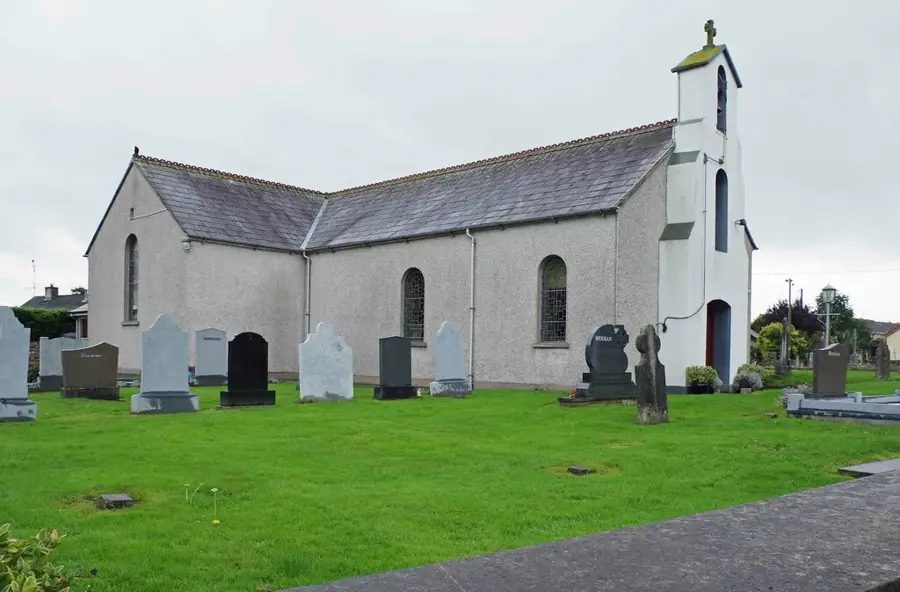
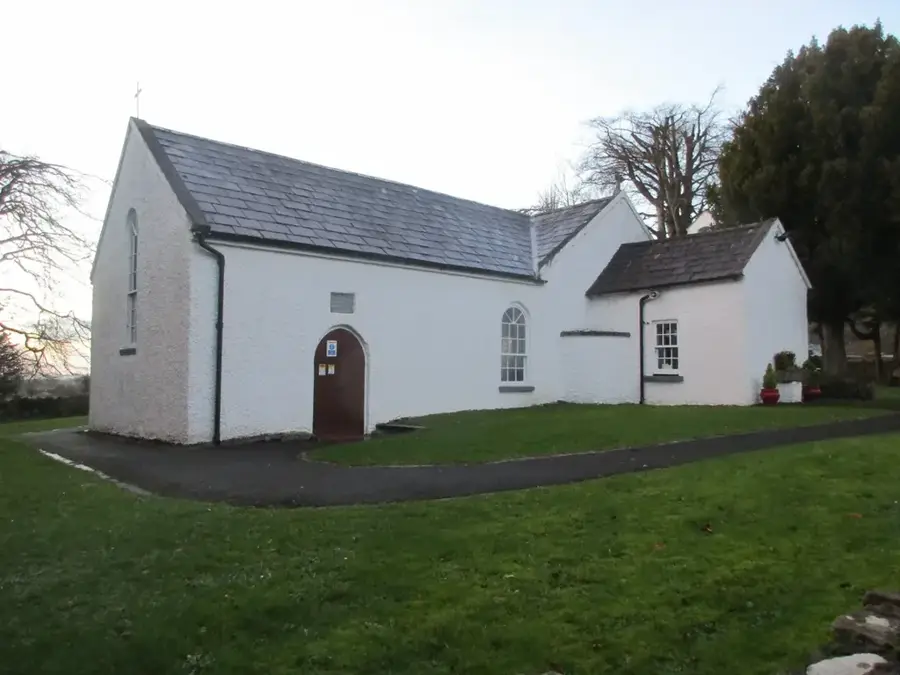
- Top sights: Tulla Church · Rathduff Fort · Children's Burial Ground
- Nearby: Cratloe (20 km)
- Population: ~661
Best time to visit & climate
The most pleasant time to visit is Jun–Aug.
| Jan | Feb | Mar | Apr | May | Jun | Jul | Aug | Sep | Oct | Nov | Dec | |
|---|---|---|---|---|---|---|---|---|---|---|---|---|
| Avg °C | 5 | 5 | 6 | 8 | 11 | 14 | 15 | 15 | 13 | 10 | 8 | 6 |
| Rain mm | 118 | 92 | 86 | 73 | 84 | 90 | 100 | 107 | 91 | 108 | 132 | 124 |
Geography
Facts
- St. Mochulla founded a monastery on the hill of Tulla in the 7th century.
- The Tulla Céilí Band, established in 1946, is one of the most famous in Ireland.
- The name Tulla comes from the Irish 'An Tulach', meaning 'The Hill'.
- The surrounding area is notable for its karst landscape and limestone caves.
- Tulla was historically a significant location for iron smelting in the 1700s.
- St. Mochulla's Well is a local holy well and a traditional site of pilgrimage.
Explore nearby
Notable places around
Route planner — Car & Motorhome
Where do you start? We build the route here, with stops and country notes along the way.
© OpenStreetMap contributors · OpenRouteService
Sights in the town Tulla (6)
Frequently asked questions
What is Tulla in County Clare known for?
What is the scenic specialty?
Are there historical sites in Tulla?
Can you go fishing nearby?
What festival is held here?
Tulla: where is it located?
Tulla: what is there to see?
Tulla: when is the best time to visit?
Tulla: why is it worth visiting?

Nearby cities