Plizio Visual Lab
Halabja
ℹ️Practical info — Halabja
▾
🌤 Weather — 5 days
📍 Nearby
Sights nearby
💡 Tips
- The Halabja Monument and Peace Museum is essential for understanding the city's tragic history; approach the visit with respect.
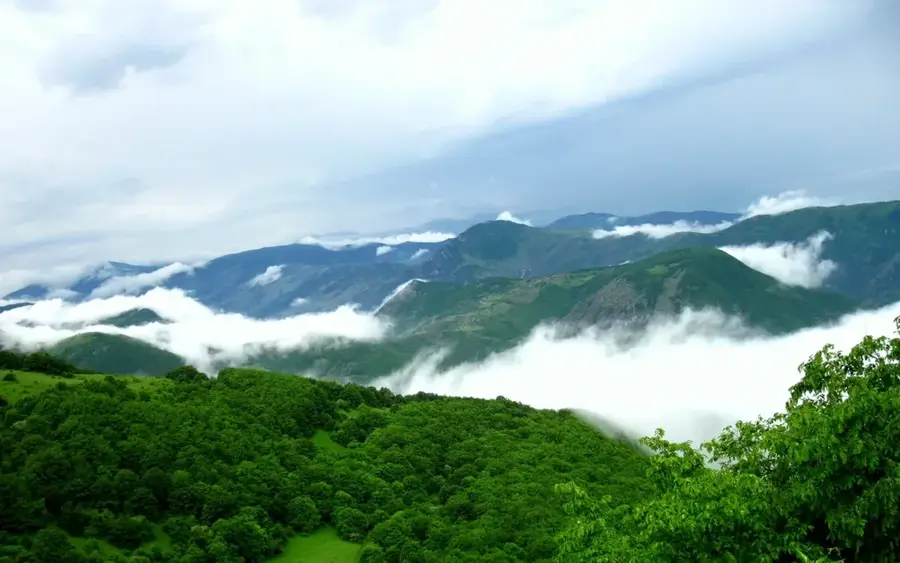
- Spring (March and April) is the most beautiful time to visit, especially around Newroz, when the surrounding mountains turn lush green.
- Learn a few basic words in Kurdish; while Arabic is understood, Kurdish is the language of the region.
- Public transport is limited; hiring a local taxi for the day is the best way to see the surrounding natural sights.
🍽 Food
Enjoy grilled skewered meats at local open-air restaurants, often served with fresh herbs, flatbread, and yogurt.
Try the Kurdish version of stuffed vegetables, usually richer and tangier, found in traditional local eateries.
If visiting in autumn, do not miss the locally grown pomegranates, widely sold as fresh juice in the streets.
🛍 Shopping · 🧘 Quiet spots
The main bazaar is a bustling place to buy Kurdish clothing, spices, and fresh local nuts like walnuts.
Kurdistan is famous for its high-quality mountain honey, which you can purchase from specialized vendors in the market.
A short drive from the city, this beautiful waterfall is surrounded by trees and makes for a well-suited, cool retreat.
The spectacular mountain roads near the Iran border offer striking, quiet viewpoints of deep valleys.
Water temperature…
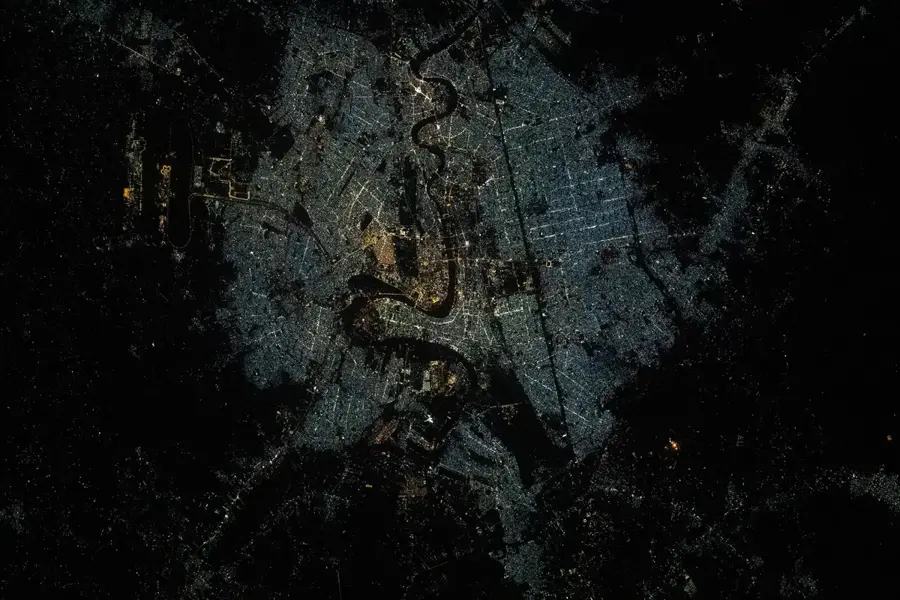
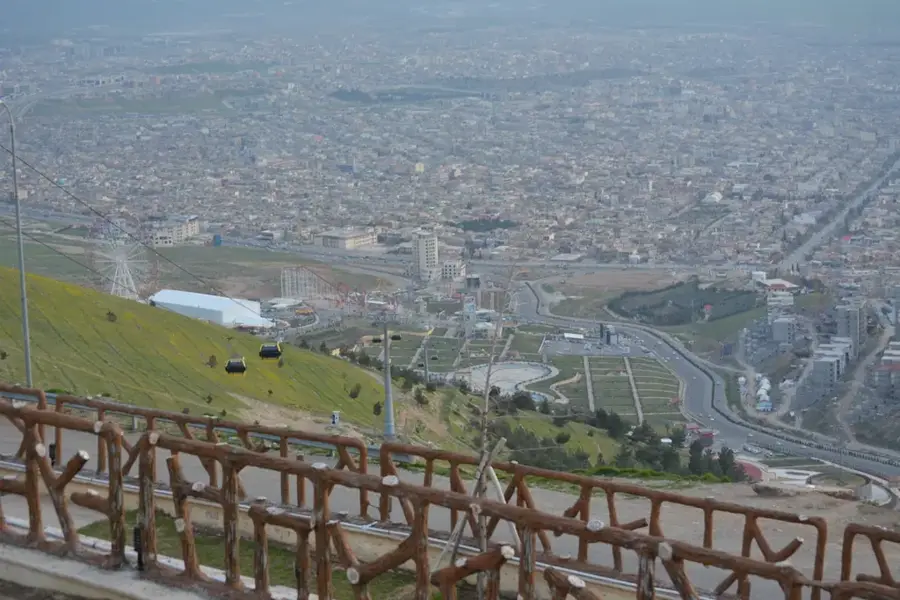
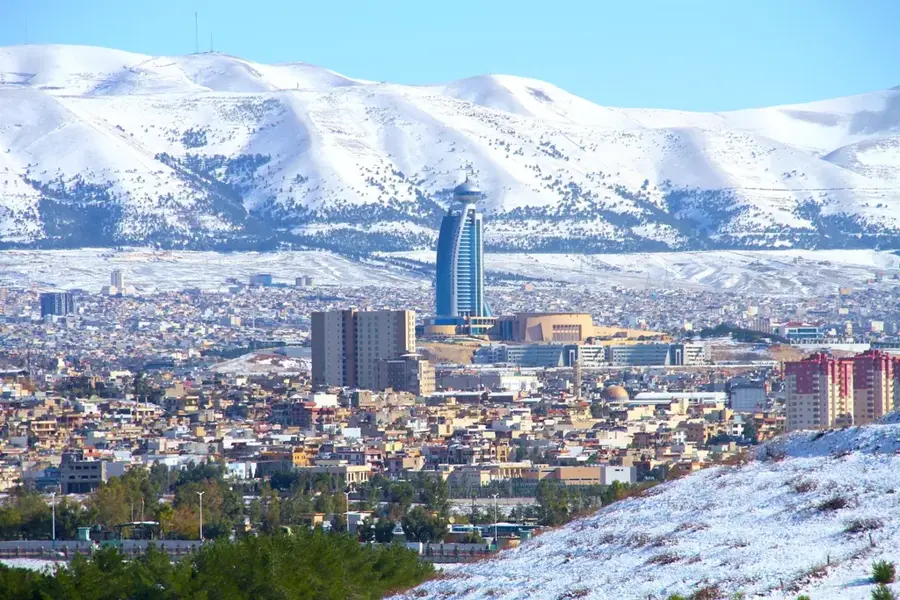
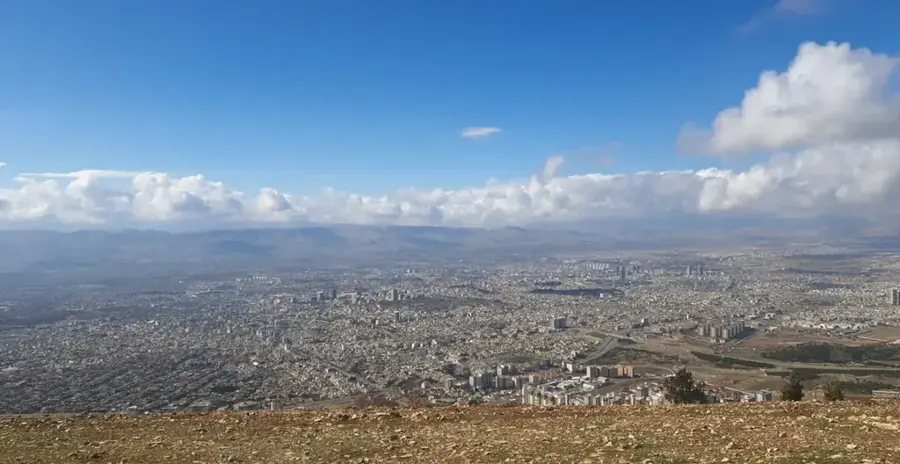
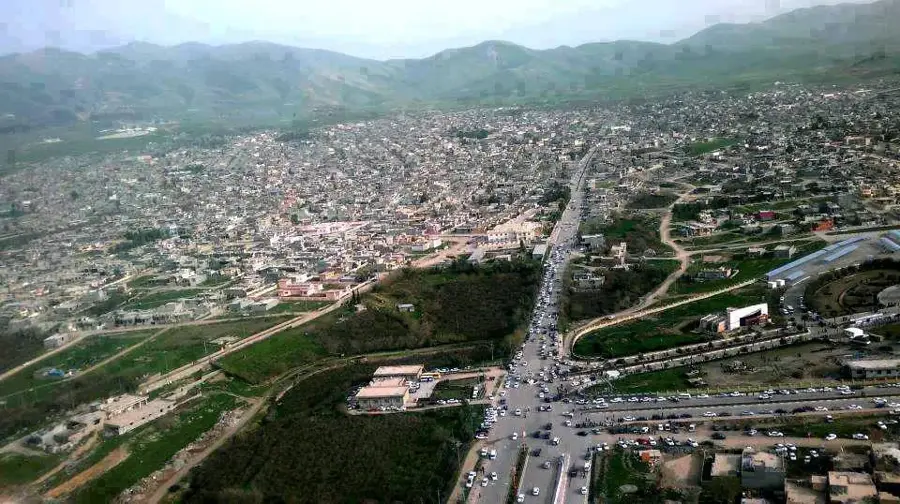
Halabja is a city of profound historical significance located in northeastern Iraq, near the border with Iran. It is primarily known internationally for the tragic chemical attack in 1988, an event that became a turning point in Kurdish history and a symbol of human rights struggles. Since 2014, Halabja has been officially recognized as the capital of the Halabja Governorate, the fourth in the Kurdistan Region. Geographically, the city lies in a lush, fertile plain known for its exceptional agricultural output, particularly its world-renowned pomegranates and figs. The Halabja Memorial and Museum serves as the city's emotional heart, preserving the memory of the victims and educating visitors about the region's past. Despite its painful history, the city has undergone significant reconstruction, fostering a growing educational sector led by the University of Halabja. The surrounding area is characterized by impressive natural beauty, including the springs of Ahmed Awa and the proximity to the Hawraman mountains, which are UNESCO-recognized for their unique cultural landscape. Economically, the city is transitioning from a purely agrarian society to one that includes small-scale manufacturing and cross-border trade with Iran. Culturally, Halabja is a center for Kurdish arts and literature, having produced many influential poets and writers. The city's atmosphere is one of resilience and dignity, with a community that is deeply committed to peace and regional stability. Urban development projects are focused on improving public services and green spaces, reflecting a vision for a modern, sustainable city. Halabja stands as a testament to the enduring spirit of the Kurdish people, evolving from a site of tragedy to a beacon of hope and administrative importance in Northern Iraq.
- Location: Iraq
- Top sights: Sarmla · Halabja Monument · Bakr Awa Hill
- Nearby: Penjwen (34 km)
- Population: ~57.333 (2025)
Best time to visit & climate
The most pleasant time to visit is May, Jun, Sep.
| Jan | Feb | Mar | Apr | May | Jun | Jul | Aug | Sep | Oct | Nov | Dec | |
|---|---|---|---|---|---|---|---|---|---|---|---|---|
| Avg °C | 1 | 3 | 7 | 12 | 18 | 25 | 28 | 28 | 23 | 17 | 8 | 3 |
| Rain mm | 41 | 46 | 52 | 48 | 21 | 1 | 1 | 0 | 1 | 26 | 48 | 40 |
Geography
Facts
- The chemical attack on Halabja is legally recognized as an act of genocide.
- Halabja is located in the Sharazor plain, one of the most fertile in Iraq.
- The city's memorial museum receives international diplomatic visits.
- Pomegranates from Halabja are exported to European and Gulf markets.
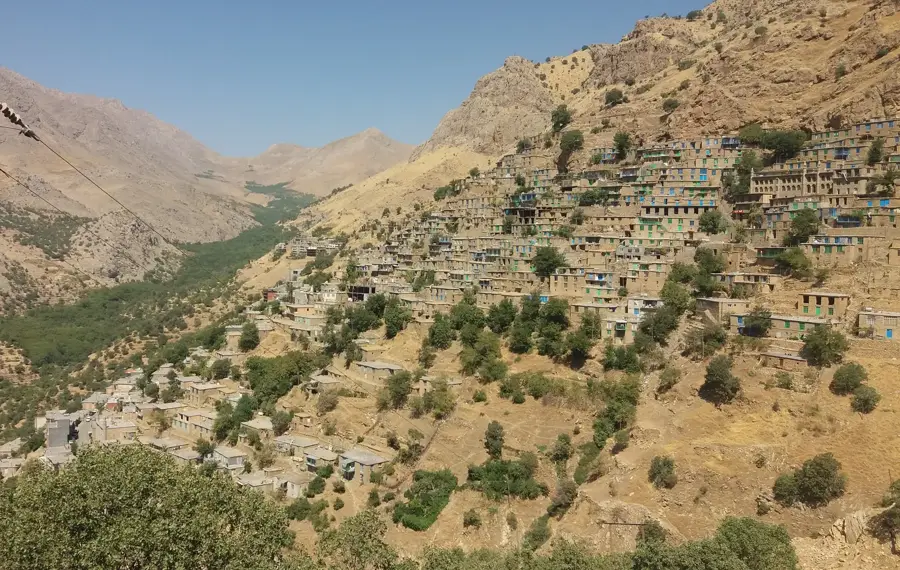
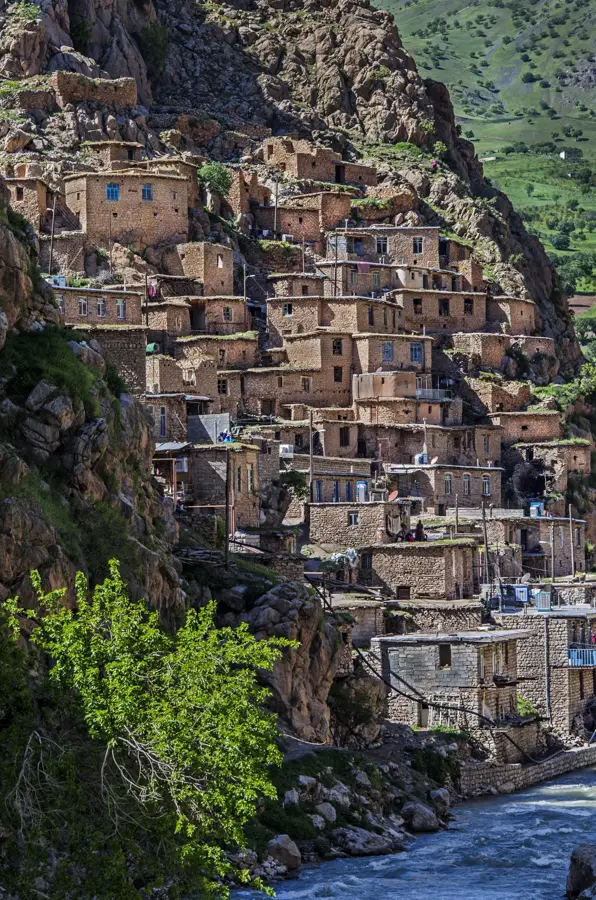
- Home to the Hawraman mountains, known for their terraced villages.
- The University of Halabja is a key center for Kurdish linguistics.
- Elevation varies significantly due to the surrounding mountainous terrain.
- The city plays a symbolic role in Kurdish national identity.
Explore nearby
Notable places around


Route planner — Car & Motorhome
Where do you start? We build the route here, with stops and country notes along the way.
© OpenStreetMap contributors · OpenRouteService
Sights in the town Halabja (9)
Frequently asked questions
What significance does Halabja have today?
Is there a museum in Halabja?
Is the scenery around Halabja attractive?
How long is the drive from Sulaymaniyah?
Are there pomegranate orchards nearby?
Halabja: where is it located?
Halabja: what is there to see?
Halabja: when is the best time to visit?
Halabja: why is it worth visiting?
Nearby cities
Nature
More places