Plizio Visual Lab

Arg-e Bam
Plizio editorial teamData Sources
ruin
—°4
Arg-e Bam (Iran)

Weather…

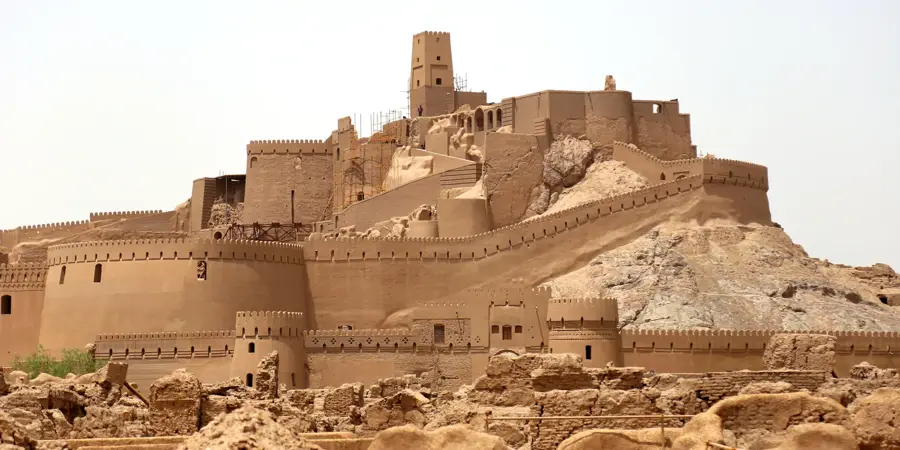
The Citadel of Bam, known as Arg-e Bam, rises like a giant sandcastle from the desert landscape of Kerman province and was long considered the largest adobe structure in the world. The origins of this massive fortress city date back to the Achaemenid period in the 6th century BC. Bam was a vital hub on the ancient trade routes of the Silk Road, renowned for its production of silk and cotton. The entire structure was built from sun-dried mud bricks and featured an ingenious underground irrigation system called qanat. A devastating earthquake in 2003 destroyed large parts of the complex, but thanks to international efforts, it has been systematically restored.

Best time to visit & climate

The most pleasant time to visit is Mar, Oct, Nov.

JanFebMarAprMayJunJulAugSepOctNovDec
Avg °C121520263135353330261813
Rain mm71111841310145

📋 Practical info

🚪
Visiting
The incredibly impressive grounds of the massive mud-brick citadel are largely open to visitors and can be extensively explored by walking. Fascinating paths lead you through partially reconstructed and historical alleys right up to the central Governor's Palace.
🕒
Typical hours
This historic and vast complex is normally open for sightseeing from the very early morning hours until late in the afternoon. As with many sites in true desert regions, an early morning or late afternoon visit is highly recommended to beat the fierce heat.
📷
Photography
The sand-colored mud walls set against the brilliantly clear blue desert sky offer fantastic and truly unique photographic opportunities. The soft, warm light of the setting or rising sun highlights the fascinating textures of the ancient mud bricks impressively.
⏱️
Time needed
A leisurely, comprehensive walk through the extensive ruins of the lower city all the way up to the high citadel easily takes two to three solid hours. The massive scale of the restored facility surprises many visitors and openly invites you to linger and marvel.
Combine with
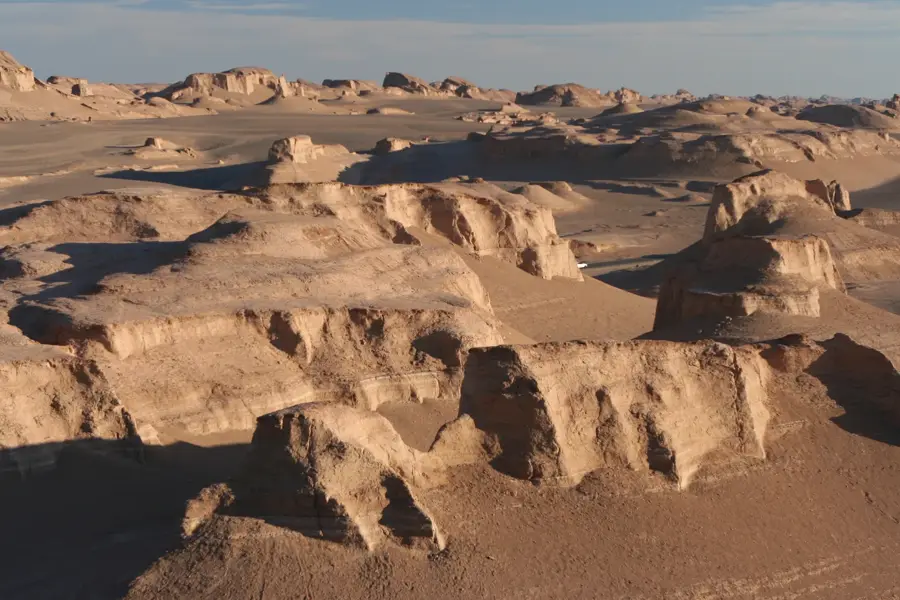
On a journey through the southeast, Bam can be wonderfully combined with an adventurous visit to the nearby, stunningly beautiful Lut Desert. The Kerman region, with its fascinating historical caravanserais and bazaars, also makes an excellent starting point or destination.
🧭
Getting there
The city of Bam has reliable transport connections via regular comfortable buses and convenient domestic flights from major cities like Tehran. The massive historical fortress itself is centrally located right on the edge of the modern city and is easily reached by taxi.
💡
Insider tip
It is highly advisable to visit the fortress in spring or autumn, as summers in this harsh desert region can be extremely hot and thoroughly exhausting. Learn beforehand about the incredible ongoing restoration work that shows how the city is being painstakingly rebuilt.

Geography

Coordinates
29.11690, 58.36860

Facts

  • The original complex covered an area of approximately 180,000 square meters
  • The outer fortress walls were up to 7 meters high
  • Up to 12,000 people once lived within the city walls
  • The tragic earthquake occurred on December 26, 2003
  • The fundamental parts of the structure date from the period 579–323 BC
  • Included on the List of World Heritage in Danger in 2004 and removed in 2013

Explore nearby

Notable places around
Route planner — Car & Motorhome

Where do you start? We build the route here, with stops and country notes along the way.

Vehicle
Only stops with (optional):

© OpenStreetMap contributors · OpenRouteService

Sights in the town Arg-e Bam (4)

A bird's eye view of Bam🌿 nature

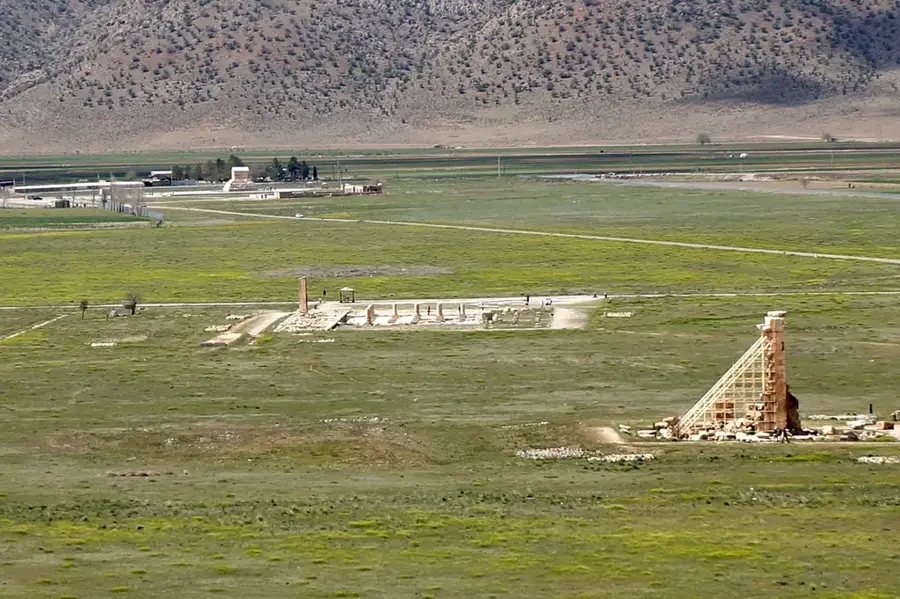
This vantage point provides a wide panoramic view over the massive mud-brick citadel of Bam.

Ghasem Abad Qanat📍 landmark

This ancient qanat system uses underground channels to transport water from the mountains to the desert settlement.

Yakhdane Arg📍 landmark

This traditional conical structure served as an ice house for cooling supplies within the desert fortress.

Arg-e Bam📍 landmark

This UNESCO World Heritage fortress is the world's largest structure built of sun-dried mud bricks.

💶

Sights nearby

Frequently asked questions

Can the citadel be visited after the earthquake?
Yes, restoration is well advanced and large parts of the historic mud-brick city are accessible again.
What makes Arg-e Bam so special?
It is the world's largest mud-brick (adobe) structure and a masterpiece of desert architecture.
What is the climate like there?
Hot and dry. In summer, temperatures can exceed 45°C; spring and autumn are well-suited.
Are there accommodations nearby?
Yes, in the modern city of Bam, there are several hotels and traditional guesthouses for tourists.
How do you reach Bam?
Bam has a small airport and is accessible by bus or train from Kerman or Tehran.
Arg-e Bam: where is it located?
Arg-e Bam is located in Iran.
Arg-e Bam: what is there to see?
Highlights include A bird's eye view of Bam, Ghasem Abad Qanat, Yakhdane Arg.
Arg-e Bam: when is the best time to visit?
The most pleasant time to visit is Mar, Oct, Nov.
Arg-e Bam: why is it worth visiting?
The Citadel of Bam, known as Arg-e Bam, rises like a giant sandcastle from the desert landscape of Kerman province and was long considered the largest adobe structure in the world.
View on map → The Top 50 Attractions → OpenStreetMap →
Asia
Explore with Plizio Discover more places in Asia
More places in Iran →

More places