Plizio Visual Lab
Shahdad Kaluts
Weather…
Water temperature…
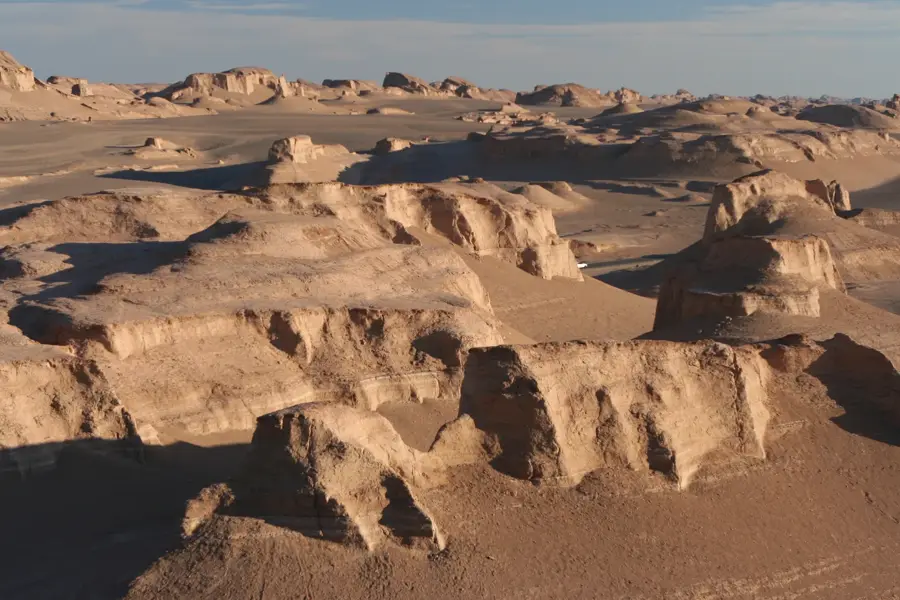
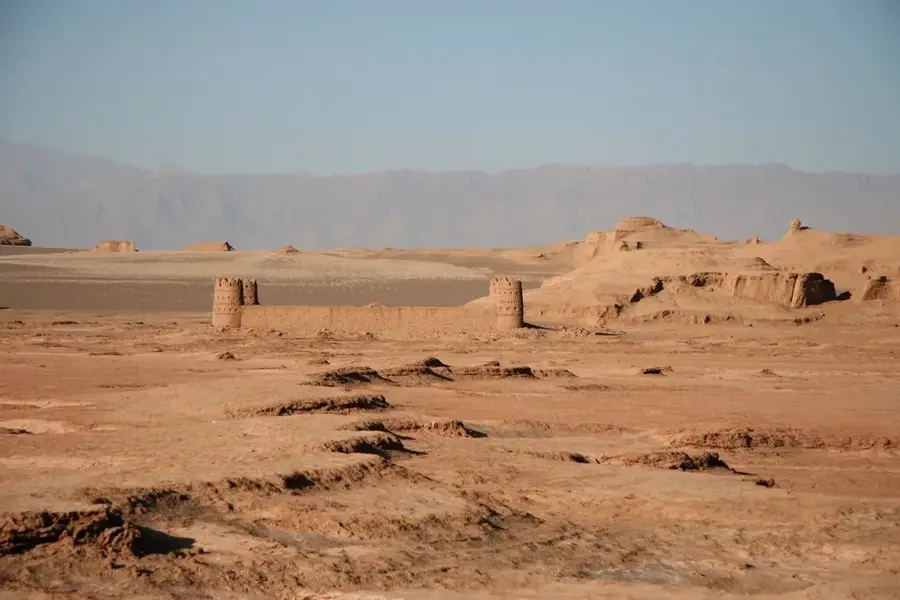
The Shahdad Kaluts are situated on the western edge of the terrifying Lut Desert, creating a bizarre and surreal landscape that easily evokes the abandoned ruins of a giant prehistoric metropolis. Scientifically known as yardangs, these immense towers have been sculpted over thousands of years by the devastating power of strong, sand-laden winds that deeply eroded the soft clay and saline soil. The massive, striated structures of compacted sand and mud align perfectly with the dominant northwesterly wind direction and cast incredibly long, dramatic shadows at sunrise. Due to virtually nonexistent rainfall and searing heat, this territory is utterly devoid of any form of vegetation or macroscopic life. The endless field of aeolian sculptures attracts professional photographers and geologists fascinated by its absolute silence and stark beauty.
Best time to visit & climate
The most pleasant time to visit is Feb, Mar, Nov.
| Jan | Feb | Mar | Apr | May | Jun | Jul | Aug | Sep | Oct | Nov | Dec | |
|---|---|---|---|---|---|---|---|---|---|---|---|---|
| Avg °C | 13 | 16 | 22 | 28 | 34 | 38 | 39 | 36 | 32 | 27 | 19 | 14 |
| Rain mm | 12 | 16 | 17 | 13 | 4 | 1 | 2 | 1 | 0 | 2 | 6 | 10 |
📋 Practical info
Geography
Facts
- This astonishing zone occupies an extensive area, reaching the impressive figure of approximately 11,000 square kilometers.
- The longest continuous rows of yardang formations in the region can span up to 120 kilometers in length.
- During suffocating summers, the temperatures recorded at the bottom of these narrow trenches can easily exceed 65 degrees Celsius.
- The unrelenting force of wind erosion has managed to carve valleys and furrows with an incredible depth of 100 meters in some spots.
- The fascinating structures are formed predominantly from fine sediment deposits of a dried-up salt lake from the Pliocene epoch.
- Since 2016, this formidable landscape has been officially integrated as part of the Lut Desert into the UNESCO natural heritage network.
Explore nearby
Notable places around
Route planner — Car & Motorhome
Where do you start? We build the route here, with stops and country notes along the way.
© OpenStreetMap contributors · OpenRouteService
Sights nearby
Frequently asked questions
What are the Kaluts of Shahdad?
Are they dangerous?
When is the best time to visit?
Do I need a lot of water?
Can you camp there?
Shahdad Kaluts: where is it located?
Shahdad Kaluts: when is the best time to visit?
Shahdad Kaluts: why is it worth visiting?

History & landmarks
More places