Plizio Visual Lab
Lut Desert
Weather…
Water temperature…
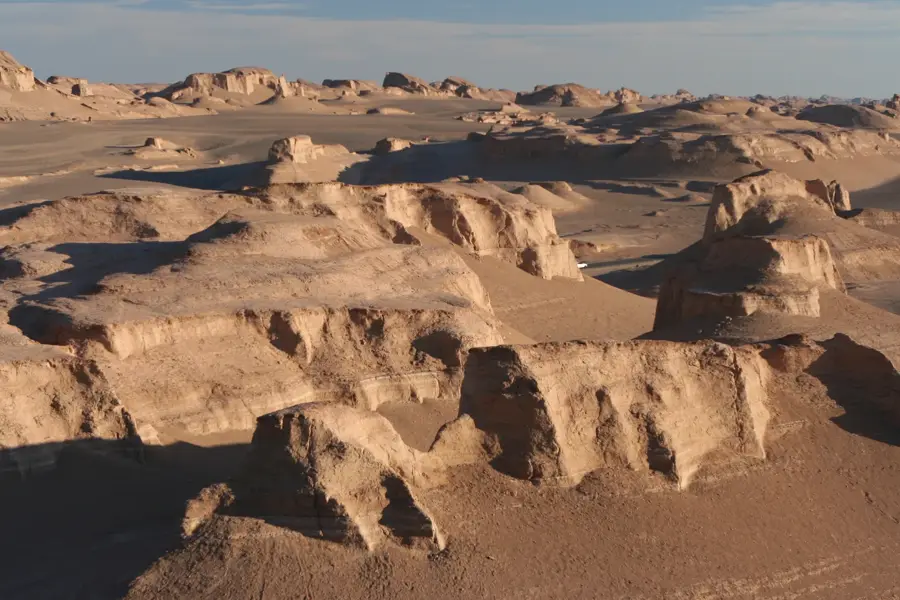
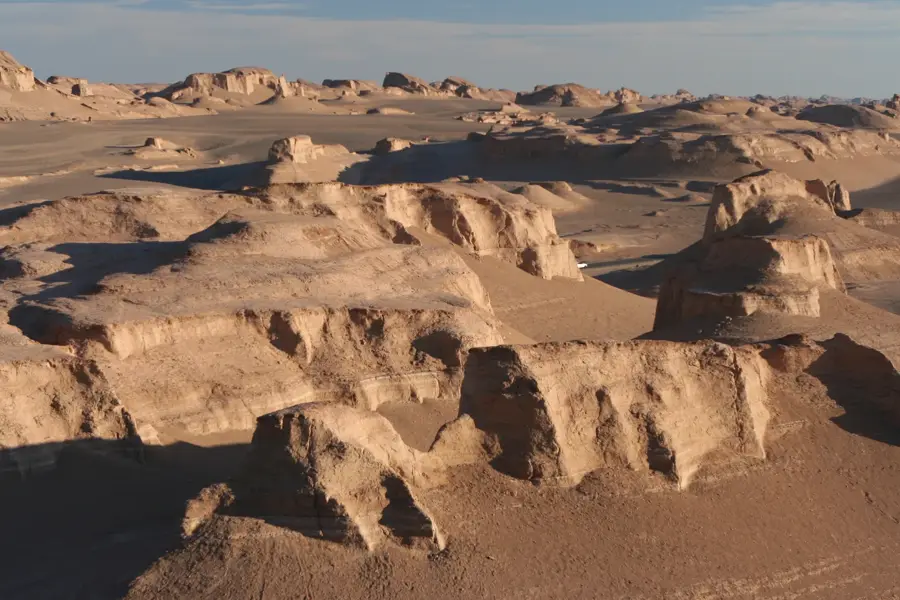
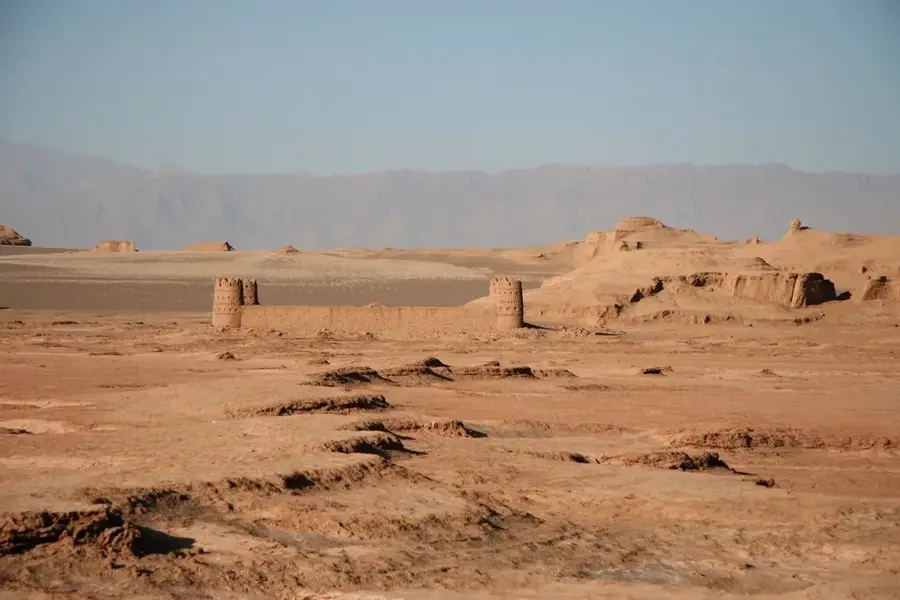
The Lut Desert, located in southeastern Iran, represents one of the most extreme and captivating natural phenomena on Earth and was recognized as a UNESCO World Heritage site for its unique geology. The surreal landscape is primarily dominated by gigantic, wind-carved ridges made of sand and clay, known as kaluts, which rise sharply from the ground like the ruins of ancient abandoned cities. Between June and October, strong winds sweep through the arid basin, continuously shaping and transforming these impressive geological structures. This hyper-arid depression is among the hottest measured places on the planet, where dark volcanic gravel plains absorb intense solar radiation. Due to the extreme heat and almost total lack of precipitation, massive areas are completely devoid of even microbial soil life, offering a rare example of absolute biological inactivity.
Best time to visit & climate
The most pleasant time to visit is Mar, Oct, Nov.
| Jan | Feb | Mar | Apr | May | Jun | Jul | Aug | Sep | Oct | Nov | Dec | |
|---|---|---|---|---|---|---|---|---|---|---|---|---|
| Avg °C | 13 | 16 | 21 | 28 | 34 | 37 | 38 | 36 | 32 | 27 | 19 | 14 |
| Rain mm | 13 | 16 | 17 | 12 | 4 | 1 | 1 | 1 | 0 | 2 | 7 | 9 |
📋 Practical info
Geography
Facts
- In 2005, satellite measurements recorded a record ground surface temperature of 70.7 degrees Celsius.
- The desert region occupies an area of approximately 51,800 square kilometers in the southeastern part of the country.
- In 2016, the Lut Desert was officially designated as Iran's first natural UNESCO World Heritage site.
- The spectacular wind-sculpted kaluts can reach an extraordinary height of up to 150 meters.
- On its eastern edge rise massive sand dunes, some of which exceed an elevation of 450 meters.
- Approximately 480 kilometers of the region's surface is marked by deep, parallel erosion trenches.
Explore nearby
Notable places around
Route planner — Car & Motorhome
Where do you start? We build the route here, with stops and country notes along the way.
© OpenStreetMap contributors · OpenRouteService
Sights nearby
Frequently asked questions
What exactly is Dascht-e Lut?
When is the best time to visit?
Is the desert accessible to the public?
Do you need a special vehicle?
What should you definitely pack?
Lut Desert: where is it located?
Lut Desert: when is the best time to visit?
Lut Desert: why is it worth visiting?

History & landmarks
More places