Plizio Visual Lab

Darjeeling Tea Gardens
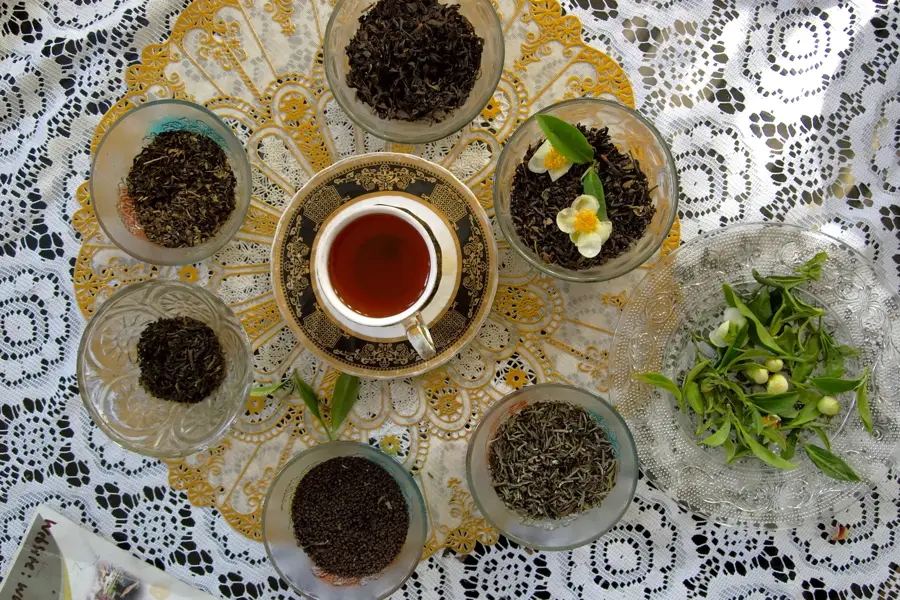
Plizio editorial teamData Sources
Agriculture
—°17
Darjeeling Tea Gardens (India)

Weather…

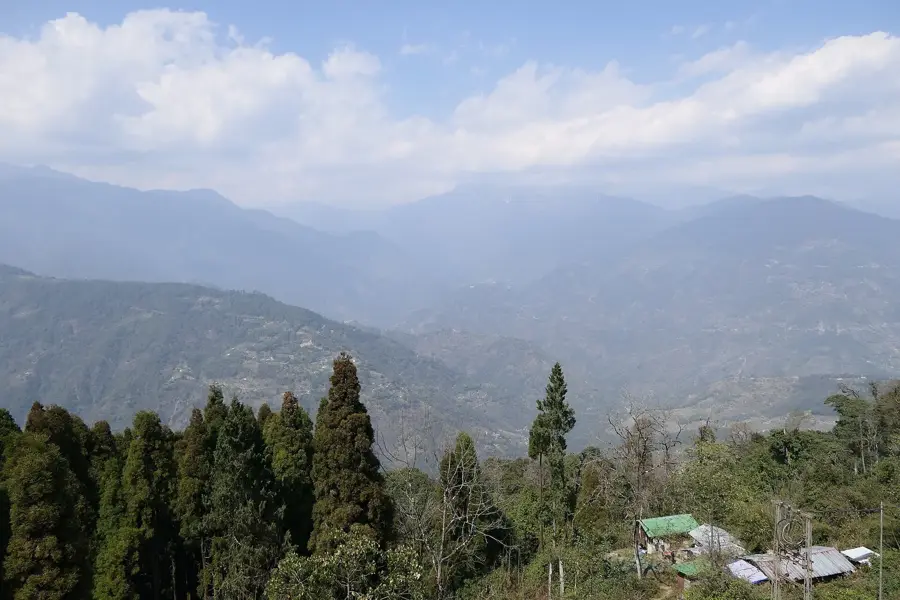
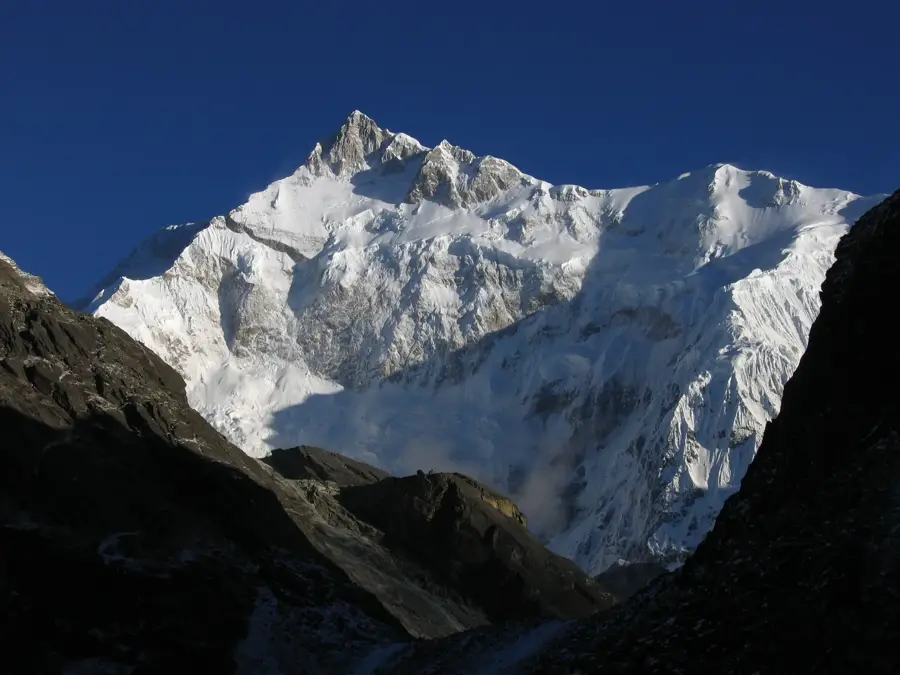
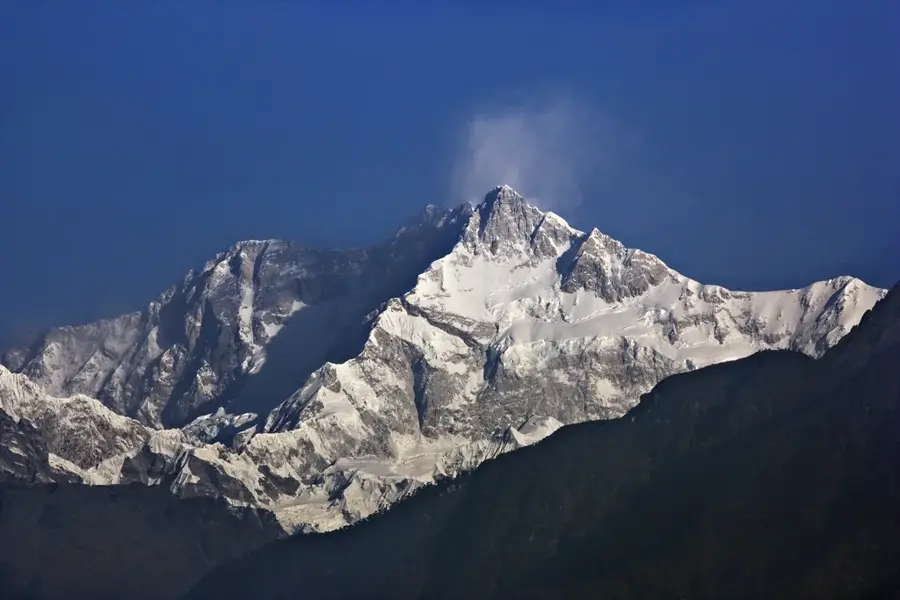
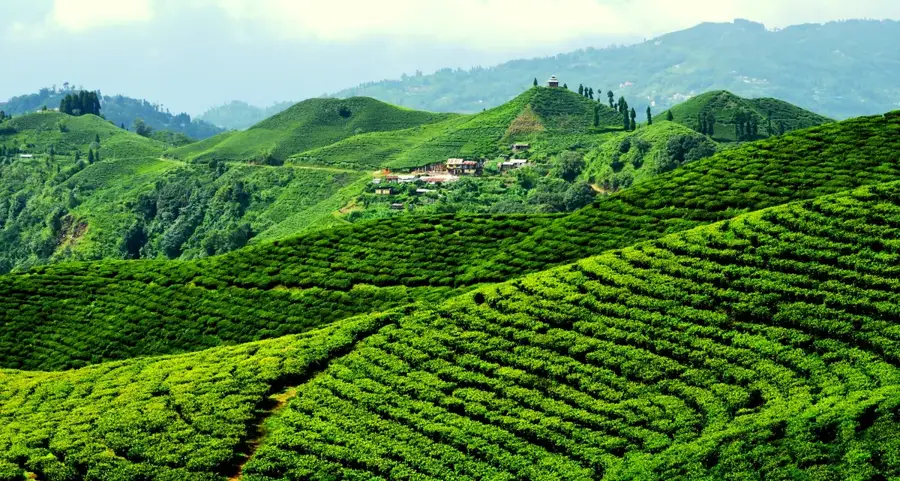
The Darjeeling tea gardens are positioned in the foothills of the Himalayas in West Bengal, India, at altitudes ranging up to 2,000 meters. The history of tea cultivation here dates back to the 1840s when Dr. Campbell, a British surgeon, planted the first seeds brought from China. Today, there are approximately 87 registered tea estates producing what is internationally known as the 'Champagne of Teas,' celebrated for its distinctive muscatel flavor. Darjeeling tea was the first Indian product to be granted a Geographical Indication (GI) tag in 2004, protecting its authenticity. The rolling gardens drape over steep mountain slopes and offer spectacular views of Kangchenjunga, the world's third-highest peak. Harvesting occurs in distinct seasonal cycles known as 'flushes,' with the spring 'First Flush' being the most prized. The labor-intensive picking process is predominantly carried out by women whose skilled handwork is essential for maintaining high quality.

Best time to visit & climate

The most pleasant time to visit is Mar, Apr, Nov.

JanFebMarAprMayJunJulAugSepOctNovDec
Avg °C111418212223232322191613
Rain mm61334781662704453402638353

📋 Practical info

🏭
What is this place?
The Darjeeling tea gardens are world-famous for their high-quality tea grown on the gentle slopes of the Himalayas. They shape the region's landscape and economy, attracting tea enthusiasts from around the globe.
🚪
Visiting
Many tea gardens in Darjeeling are open to visitors and offer guided tours of the plantations and factories. Typically, one can watch the pluckers at work and follow the processing from harvest to packaging.
👀
Where to view it
Famous viewpoints like Tiger Hill or Batasia Loop offer spectacular views of the tea gardens carpeting the hills. From the road into Darjeeling, the terraced plantations are also clearly visible.
🧺
Local products
The tea gardens offer Darjeeling tea in various grades, from white to black teas. Local shops and tea rooms sell loose leaves and tasting sets, often alongside handcrafted tea accessories.
📆
Active season
The main plucking season is spring (March-May) for the famous First Flush, and summer (June-August) for Second Flush. Autumn brings the Autumn Flush, also highly valued. The gardens are most lively during harvest periods.
Nearby
A visit to the tea gardens can be excellently combined with a ride on the Darjeeling Himalayan Railway, a UNESCO World Heritage site. Ghoom Monastery or sunrise at Tiger Hill are also worthwhile nearby attractions.

Geography

Coordinates
27.03600, 88.26360

Facts

  • There are 87 officially registered tea estates in the region.
  • Tea cultivation began in 1841 with initial experimental plantings.
  • Darjeeling tea was the first Indian product to receive a GI tag in 2004.
  • The tea gardens cover a total area of approximately 17,500 hectares.
  • Around 10,000 tonnes of tea are produced in the region annually.
  • The Kanchenjunga peak is visible from almost every tea estate.

Explore nearby

Notable places around

Route planner — Car & Motorhome

Where do you start? We build the route here, with stops and country notes along the way.

Vehicle
Only stops with (optional):

© OpenStreetMap contributors · OpenRouteService

Sights in the town Darjeeling Tea Gardens (17)

Peace Pagoda⛪ religious

This Buddhist stupa was built under the guidance of Nichidatsu Fujii and features four statues of the Buddha.

Dhirdham Temple⛪ religious

A Hindu temple built in 1939, with architecture modeled after the Pashupatinath Temple in Kathmandu.

War Memorial, Batasia Loop🌿 nature

A memorial for Gorkha soldiers set within a panoramic loop of the Darjeeling Himalayan Railway.

🕒 Mo-Su 04:00-17:00

Senchal WLS🌿 nature

One of India's oldest sanctuaries, home to the Himalayan black bear and barking deer.

Lloyd Botanical Garden (Fulbari)🌳 park

A garden established in 1878, famous for its collection of rare orchids and Himalayan alpine plants.

Tiger Hill🌿 nature

This peak is famous for its panoramic sunrise views of Mount Everest and Kanchenjunga.

Himalayan Mountaineering Institute🏛 museum

This museum showcases equipment from the first successful Everest expedition and Tenzing Norgay's grave.

Bhutia Busty monastery⛪ religious

A traditional monastery of the Nyingma sect, housing rare Buddhist manuscripts and frescoes.

Padmaja Naidu Himalayan Zoological Park🎡 recreation

A high-altitude zoo specialized in breeding endangered red pandas and snow leopards.

Druk museum🏛 museum

A museum highlighting the cultural heritage of Bhutan and the history of the Drukpa tradition.

Museum(Senchal Wildlife Sanctuary)🏛 museum

This small museum provides ecological information about the Senchal forest and its high-altitude vegetation.

Tomb of Alexander Csoma de Koros🏺 historical

The grave of Hungarian scholar Alexander Csoma de Koros, who compiled the first Tibetan-English dictionary.

Gorkha Ranga Mancha Bhawan🎭 culture

A cultural center and theater used for performances and festivals of the Gorkha community.

Dargon Market🎭 culture

A bustling local market offering fresh mountain produce and regional handcrafted goods.

Street Food Stalls📍 landmark

Stalls offering local Himalayan delicacies like momos and thukpa in the heart of the hills.

The Mall Market📍 landmark

A central marketplace in Darjeeling famous for local crafts and premium regional tea.

Observatory Hill📍 landmark

A sacred hill with panoramic views, hosting shrines for Hindu, Buddhist, and Kirat worshippers.

Sights nearby

Frequently asked questions

Can you buy tea directly at the gardens?
Yes, almost all tea estates have retail outlets selling fresh Darjeeling tea.
Are tea tastings available?
Yes, many tea estates offer guided tours followed by tea tasting sessions.
When is the harvest season?
Harvesting occurs from March to November; the 'First Flush' in spring is the most prized.
Is walking in the gardens allowed?
Walking is allowed in designated areas, often on guided paths through the tea bushes.
What clothing is recommended?
Comfortable shoes and a light jacket, as it can be cool and misty in the mountains.
Darjeeling Tea Gardens: where is it located?
Darjeeling Tea Gardens is located in India.
Darjeeling Tea Gardens: what is there to see?
Highlights include Peace Pagoda, Dhirdham Temple, War Memorial, Batasia Loop.
Darjeeling Tea Gardens: when is the best time to visit?
The most pleasant time to visit is Mar, Apr, Nov.
Darjeeling Tea Gardens: why is it worth visiting?

The Darjeeling tea gardens are positioned in the foothills of the Himalayas in West Bengal, India, at altitudes ranging up to 2,000 meters.
View on map → The Top 50 Attractions → OpenStreetMap →
Asia
Explore with Plizio Discover more places in Asia
More places in India →

Nearby cities

History & landmarks
More places