Plizio Visual Lab
Barind Tract

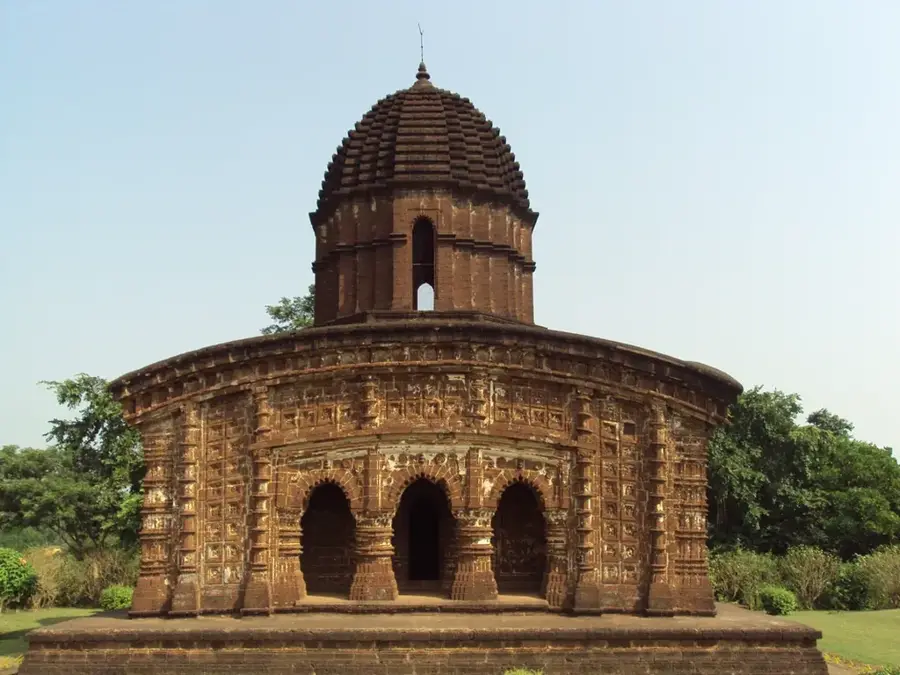
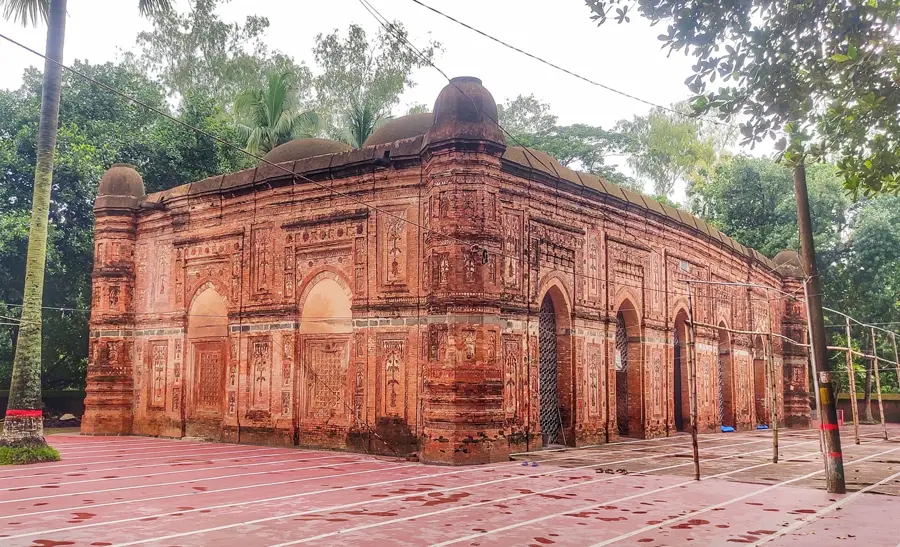
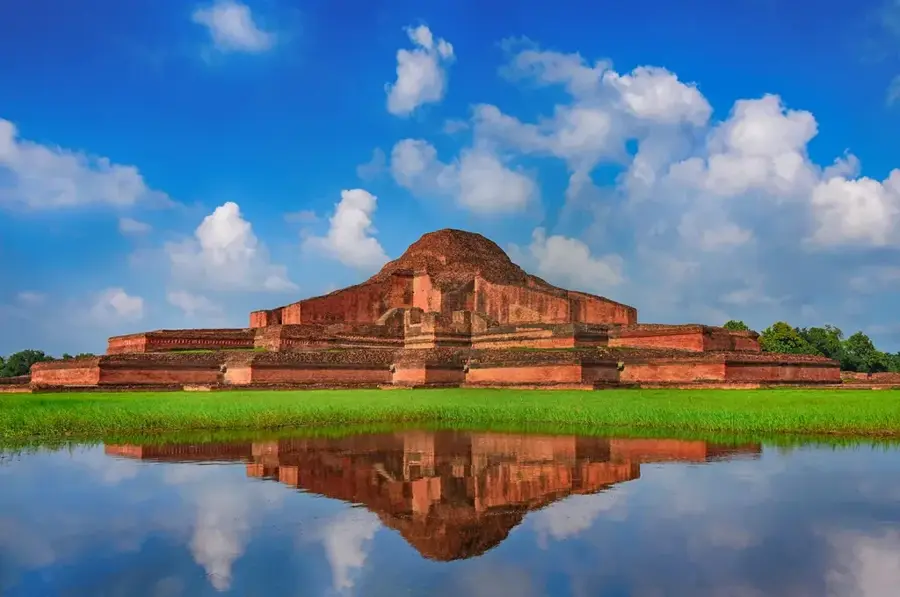
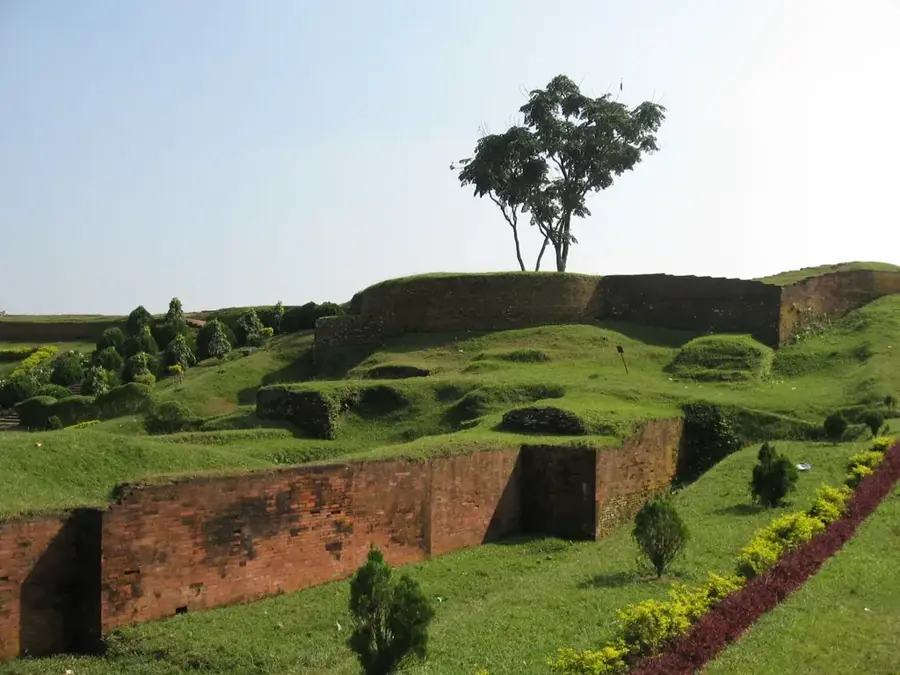
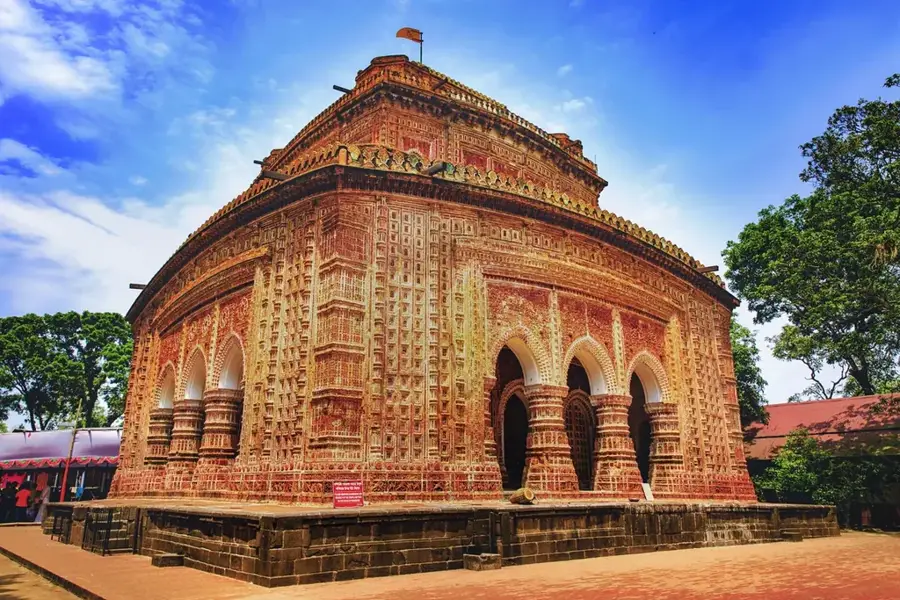
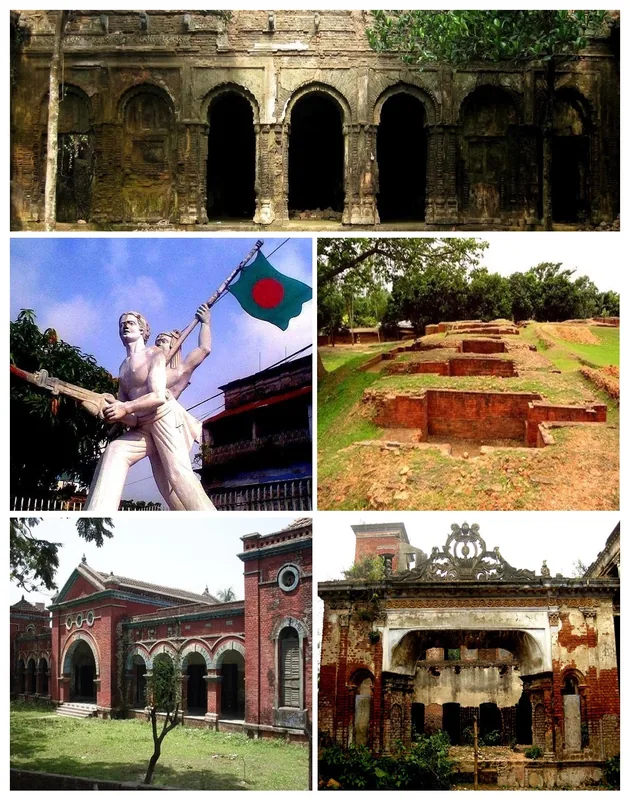
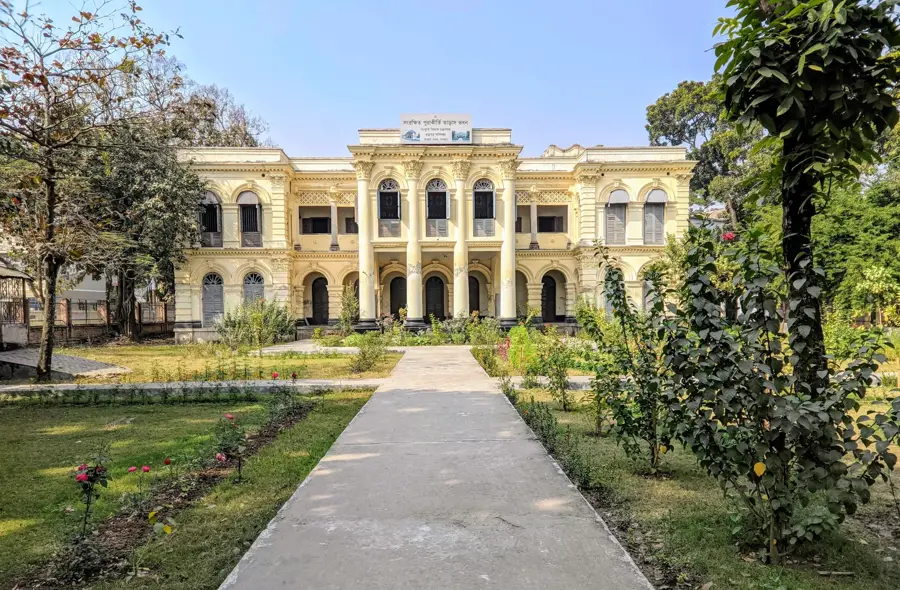
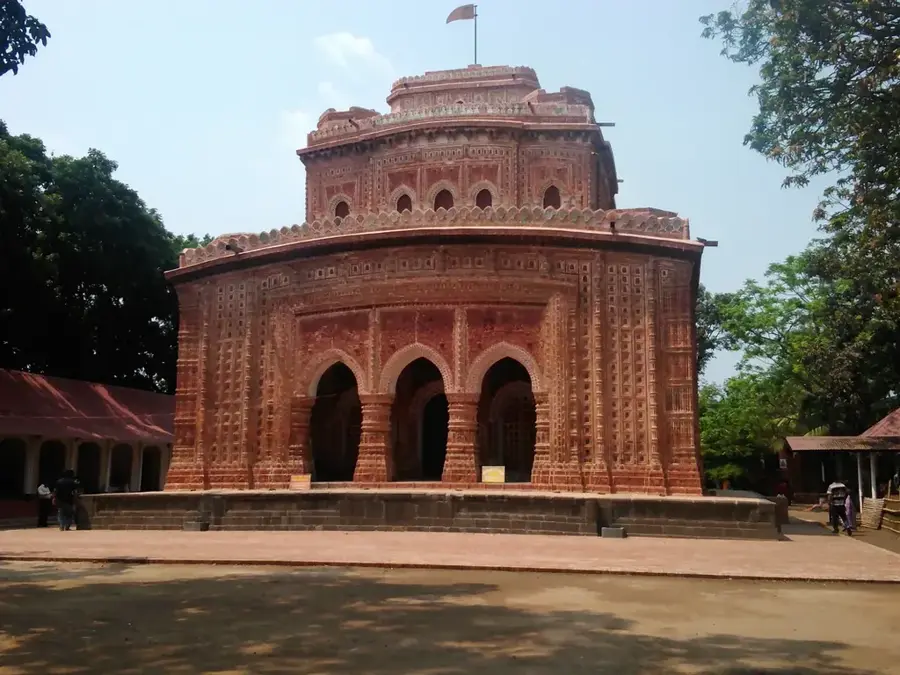
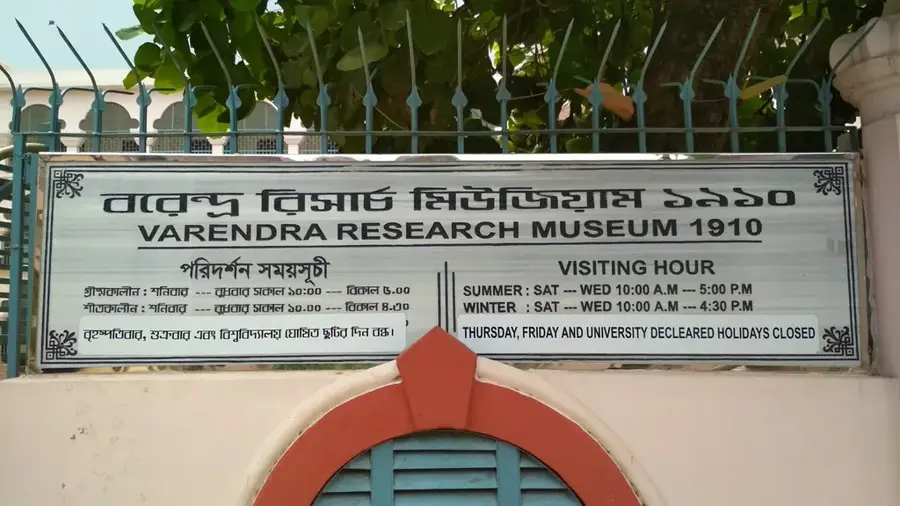
The Barind Tract, historically known as Varendra Bhumi, represents the largest Pleistocene physiographic unit in the northwestern part of Bangladesh, covering approximately 7,770 square kilometers. This elevated terrace is characterized by its distinctive reddish, stiff lateritic clay soil, which stands in sharp contrast to the surrounding fertile alluvial floodplains of the Ganges and Brahmaputra rivers. Geologically, the region was formed during the Pleistocene epoch and is slightly tilted towards the south, creating an undulating landscape that reaches heights of up to 40 meters above sea level. Due to its higher elevation and soil composition, the area is traditionally prone to drought, necessitating extensive irrigation projects to support the cultivation of rice and other crops. The Barind Tract also holds significant cultural and historical importance, as it was the heart of the ancient Varendra kingdom and contains numerous archaeological remains from the Pala and Sena dynasties today.
- Location: Bangladesh
- Nearby: Dinajpur (5 km)
Best time to visit & climate
The most pleasant time to visit is Feb, Nov, Dec.
| Jan | Feb | Mar | Apr | May | Jun | Jul | Aug | Sep | Oct | Nov | Dec | |
|---|---|---|---|---|---|---|---|---|---|---|---|---|
| Avg °C | 16 | 21 | 26 | 31 | 31 | 30 | 29 | 29 | 28 | 26 | 21 | 17 |
| Rain mm | 7 | 11 | 24 | 82 | 166 | 239 | 300 | 247 | 238 | 135 | 7 | 4 |
📋 Practical info
Geography
Facts
- The Barind Tract covers an estimated area of 7,770 square kilometers.
- The soil consists of distinctive reddish, stiff lateritic clay from the Pleistocene.
- Maximum elevation in the region reaches approximately 40 meters above sea level.
- The area served as the core of the ancient Varendra kingdom in Bengal.
- Low moisture retention in the clay soil makes the region prone to seasonal drought.
- Deep tube-well irrigation projects have transformed it into a multi-crop region.
Explore nearby
Notable places around
Route planner — Car & Motorhome
Where do you start? We build the route here, with stops and country notes along the way.
© OpenStreetMap contributors · OpenRouteService
Sights nearby
Frequently asked questions
Where is the Barind Tract located?
What is special about the climate here?
Are there historical sites?
What culture is found here?
When is a visit recommended?
Barind Tract: where is it located?
Barind Tract: when is the best time to visit?
Barind Tract: why is it worth visiting?

Nearby cities
History & landmarks


Nature
More places