Plizio Visual Lab
Dömsöd
ℹ️Practical info — Dömsöd
▾
🌤 Weather — 5 days
📍 Nearby
Sights nearby
💡 Tips
- Dömsöd is first-rate for cycling; the flat terrain along the Soroksár Danube branch is very scenic.
- Bring mosquito repellent in the summer, as the waterside attracts a lot of insects.
- Petőfi Sándor, the famous Hungarian poet, lived here; visit his memorial house in the village.
- Local fish dishes at the riverside buffets are a must-try for a genuine local experience.
🍽 Food
Fisherman's soup. Best enjoyed at a riverside csárda (traditional tavern).
Fried fish. Freshly caught fish, often served at small buffets near the water.
Grab this traditional fried dough at the local beach buffets.
🛍 Shopping · 🧘 Quiet spots
Buy fresh vegetables and homemade jams directly from the producers.
Buy fresh catch of the day in the early mornings.
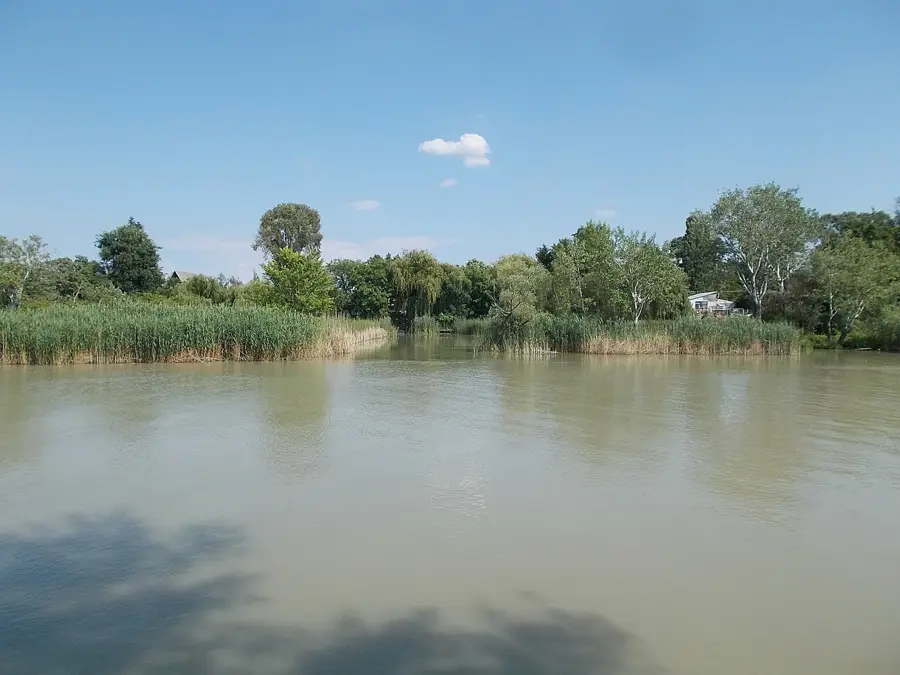
Enjoy a peaceful walk along the reedy shoreline.
Rest under the old oak tree where the poet allegedly wrote his poems.
Water temperature…
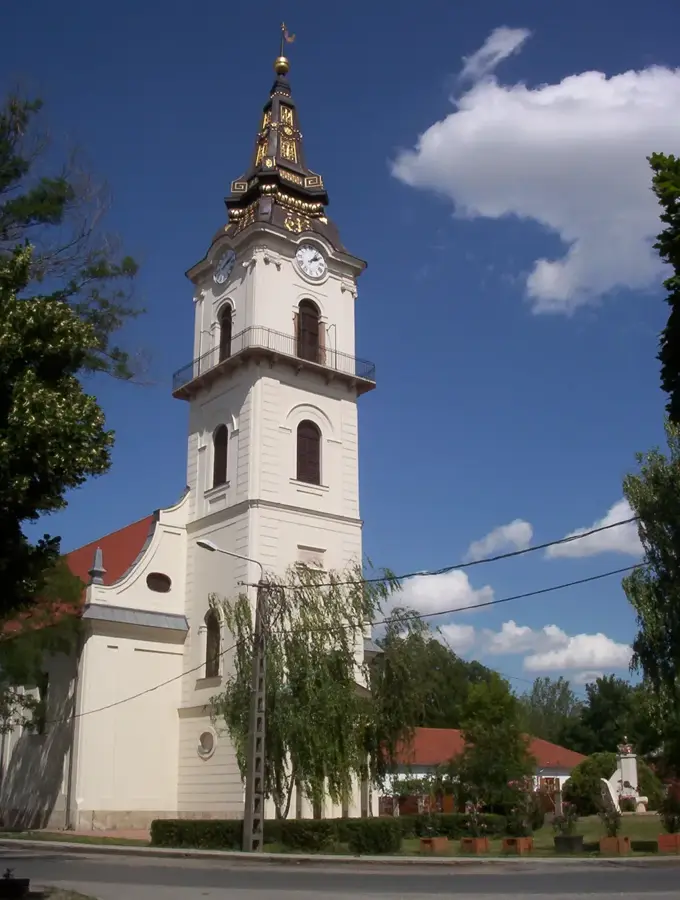
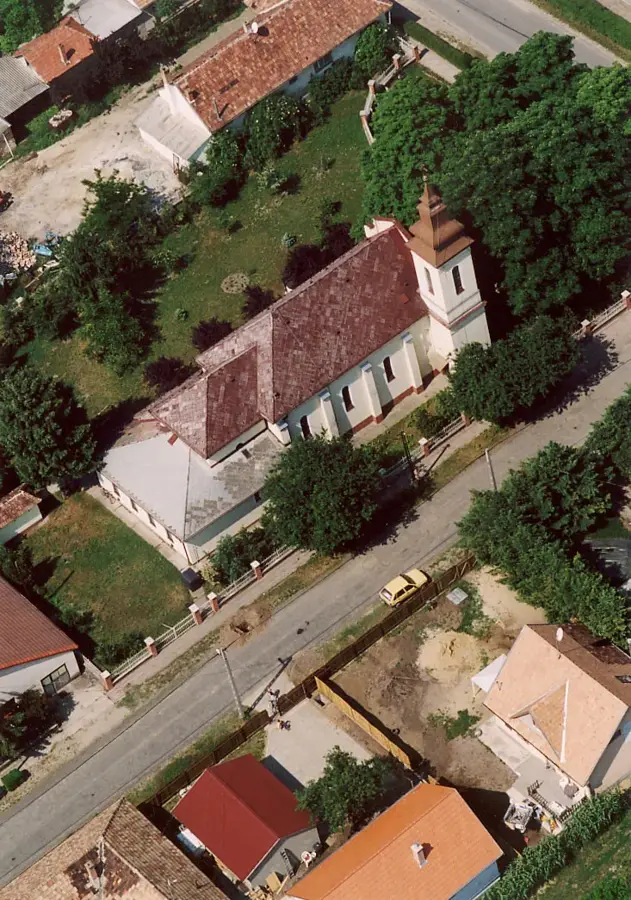
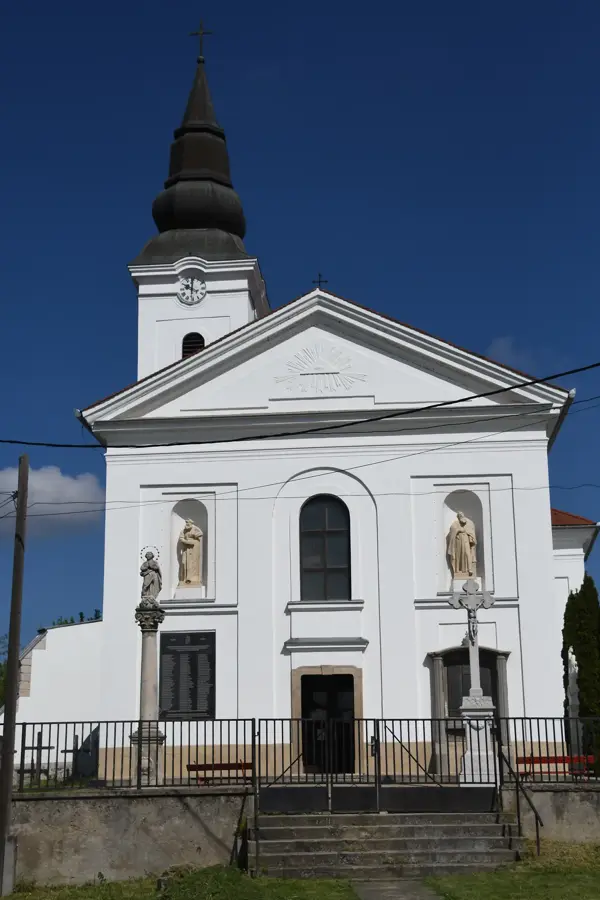
Dömsöd is a significant municipality located along the Ráckeve (Soroksár) branch of the Danube, positioned opposite the southern tip of Csepel Island, often referred to as the "Capital of the Little Danube." The history of the settlement is profoundly intertwined with the river, which for centuries dictated the local economy through fishing, river transport, and flood-plain agriculture. One of Dömsöd's most cherished cultural links is to the national poet Sándor Petőfi, whose parents resided here for a time; Petőfi himself visited frequently, writing several notable poems in the village, a connection commemorated by the legendary "Petőfi Tree" and a dedicated memorial museum. The town's architecture is highlighted by its 18th-century Reformed Church and traditional Danube-side peasant houses, some of which have been preserved as regional museums. Following river regulations, this branch of the Danube transformed into a serene, romantic water paradise, now celebrated as one of Hungary's premier destinations for anglers, kayakers, and those seeking tranquility in nature. Dömsöd is also famous for its culinary traditions, particularly its fish specialties that reflect the bounty of the river. The surrounding reed beds and oxbow lakes provide a sanctuary for diverse bird species, making it a hotspot for nature photography. Today, the municipality successfully balances the preservation of its historical character with the development of modern aquatic tourism.
- Location: Hungary
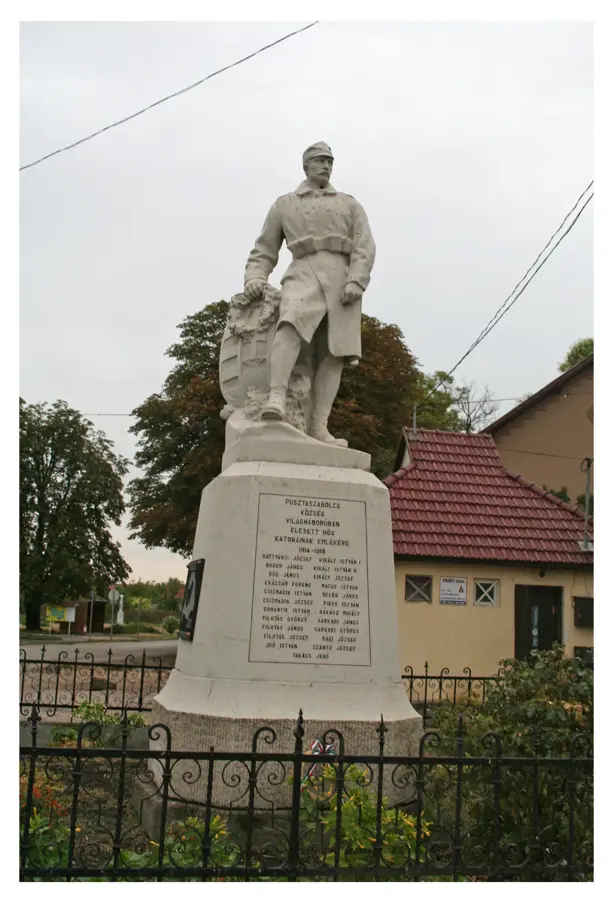
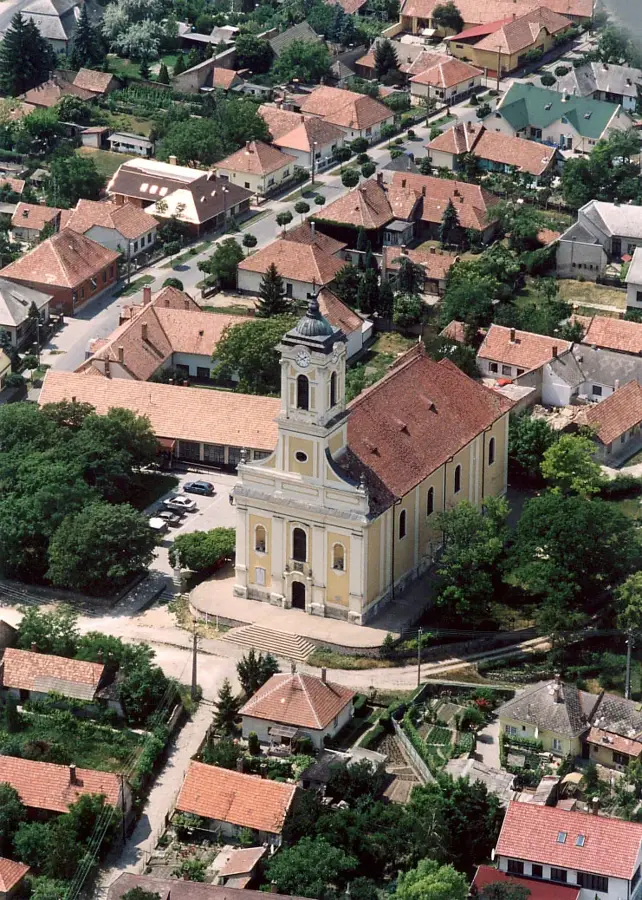
- Top sights: St. Stephen's Catholic Church · World War Memorial · Dömsöd Market
- Nearby: Kiskunlacháza (13 km)
- Population: ~5.948
Best time to visit & climate
The most pleasant time to visit is Jun–Aug.
| Jan | Feb | Mar | Apr | May | Jun | Jul | Aug | Sep | Oct | Nov | Dec | |
|---|---|---|---|---|---|---|---|---|---|---|---|---|
| Avg °C | -1 | 1 | 6 | 12 | 17 | 21 | 24 | 23 | 18 | 12 | 6 | 0 |
| Rain mm | 37 | 41 | 39 | 34 | 63 | 67 | 62 | 60 | 59 | 50 | 42 | 42 |
Geography
Facts
- The Petőfi tree is a massive, ancient oak tree.
- The Reformed church was built in 1774.
- Located 50 km to the south of Budapest.
- The Ráckeve-Danube branch is 57 km long.
- Current population is approximately 5,700.
- Home to a regional Museum of Local History.
Explore nearby
Notable places around
Route planner — Car & Motorhome
Where do you start? We build the route here, with stops and country notes along the way.
© OpenStreetMap contributors · OpenRouteService
Sights in the town Dömsöd (6)
Frequently asked questions
What is the Petőfi Tree?
Are there water experiences in Dömsöd?
What is the town museum?
When is the best time to visit?
Are there restaurants on the waterfront?
Dömsöd: where is it located?
Dömsöd: what is there to see?
Dömsöd: when is the best time to visit?
Dömsöd: why is it worth visiting?

Nearby cities


History & landmarks

Nature
More places