Plizio Visual Lab
Mátraverebély
ℹ️Practical info — Mátraverebély
▾
🌤 Weather — 5 days
📍 Nearby
Sights nearby
💡 Tips
- The main draw is the Szentkút National Shrine; remember to wear modest clothing when visiting the holy site.
- Bring an empty bottle to collect holy water from the ancient spring located at Szentkút.
- Avoid major Marian feast days if you prefer a quiet visit, as thousands of pilgrims attend these events.
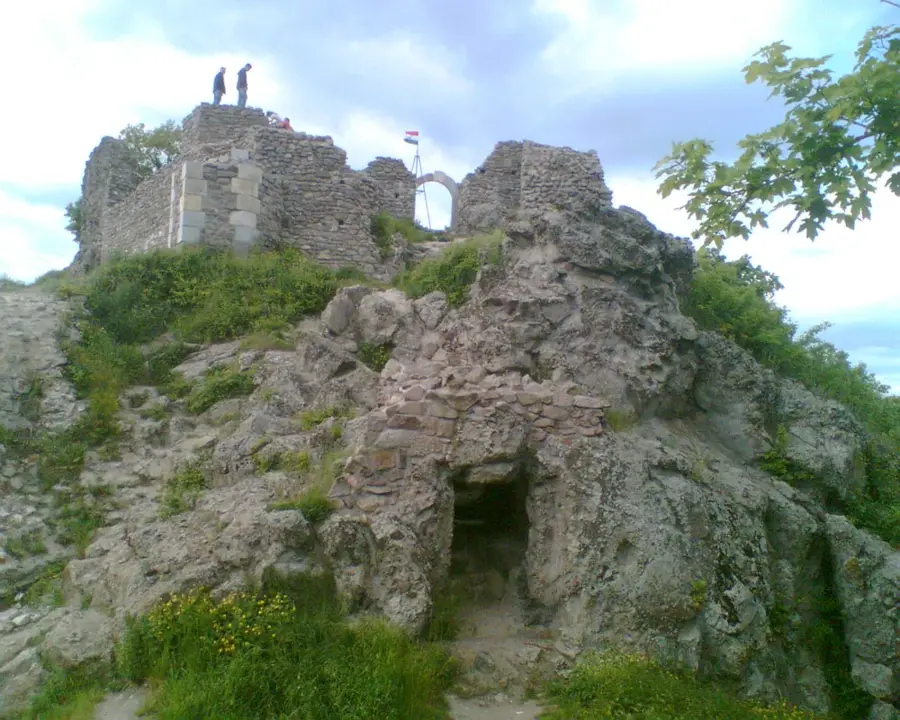
- Explore the historic hermit caves carved into the hillside above the shrine for a fascinating side trip.
🍽 Food
Grab a freshly fried lángos flatbread from the food stalls near the shrine.
Traditional Hungarian soup commonly found in the simple taverns along the main roads.
Sweet chimney cake often sold fresh at pop-up stands during pilgrimage festivals.
🛍 Shopping · 🧘 Quiet spots
Buy rosaries, candles, and holy pictures at the official pilgrim shop near Szentkút.
Fresh honey and beeswax candles are frequently sold by locals along the roadsides.
The short climb up to the caves features both history and a sense of deep tranquility.
Enjoy solitary walks through the gentle hills just a short distance from the bustling shrine.
Water temperature…
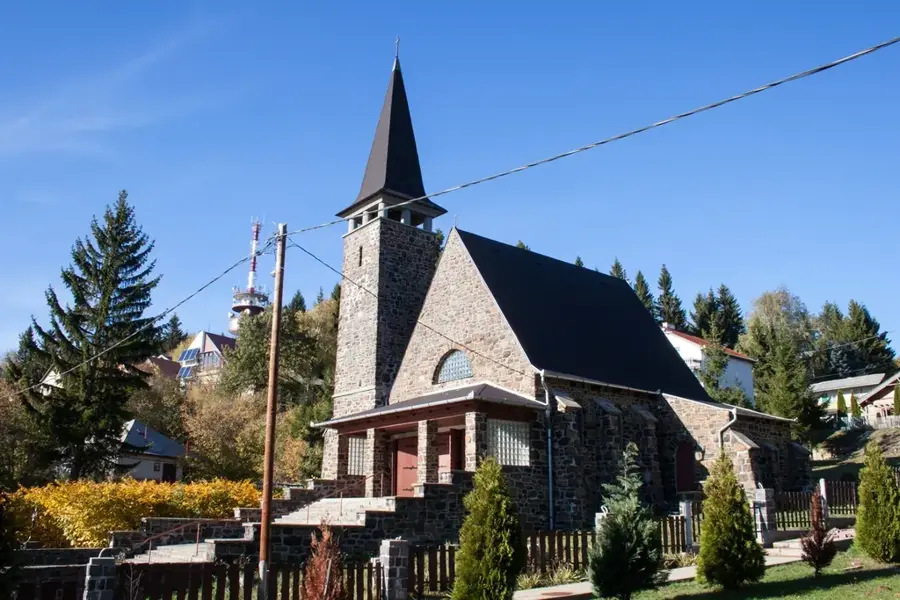
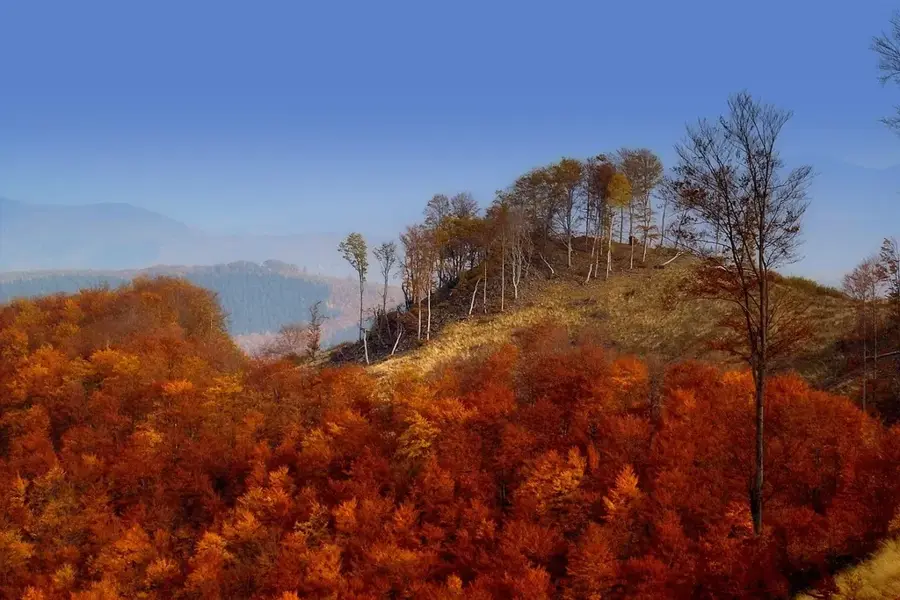
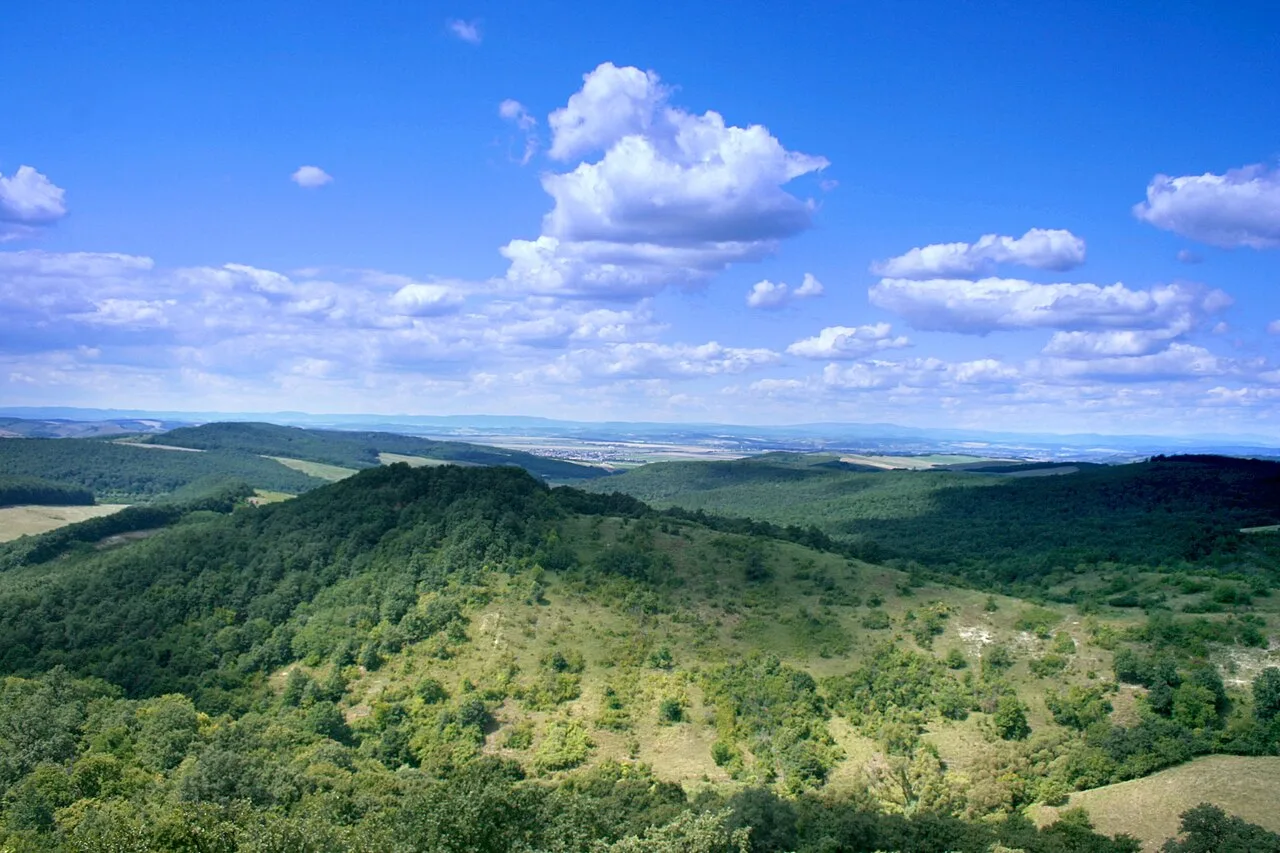
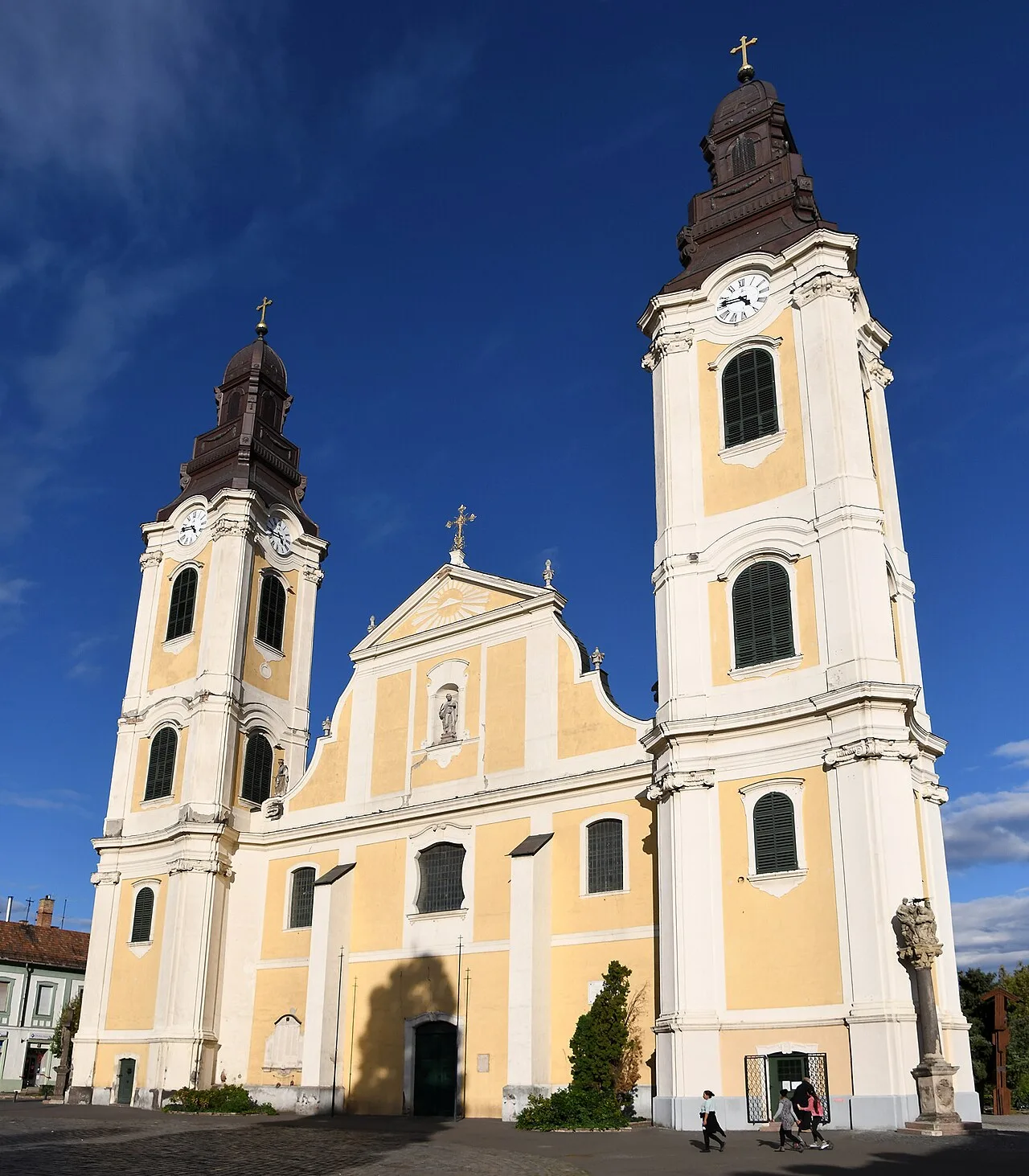
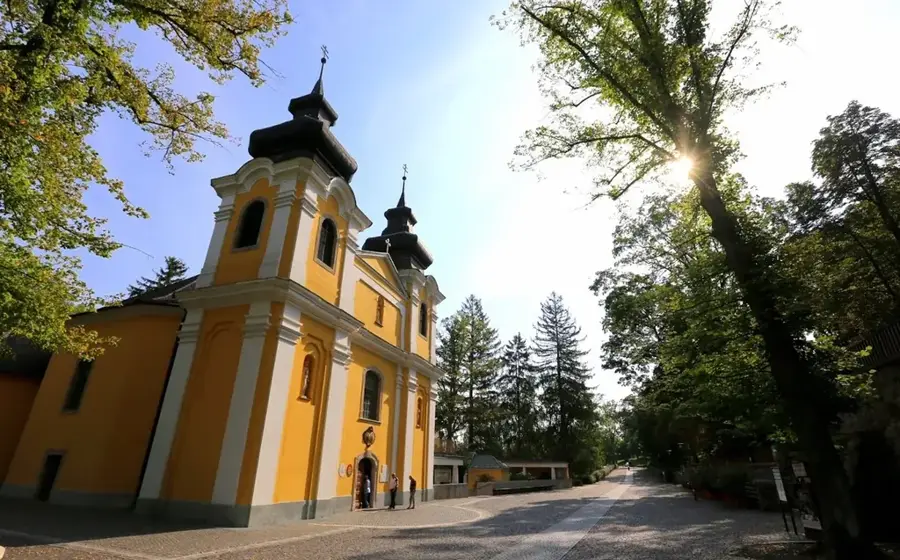
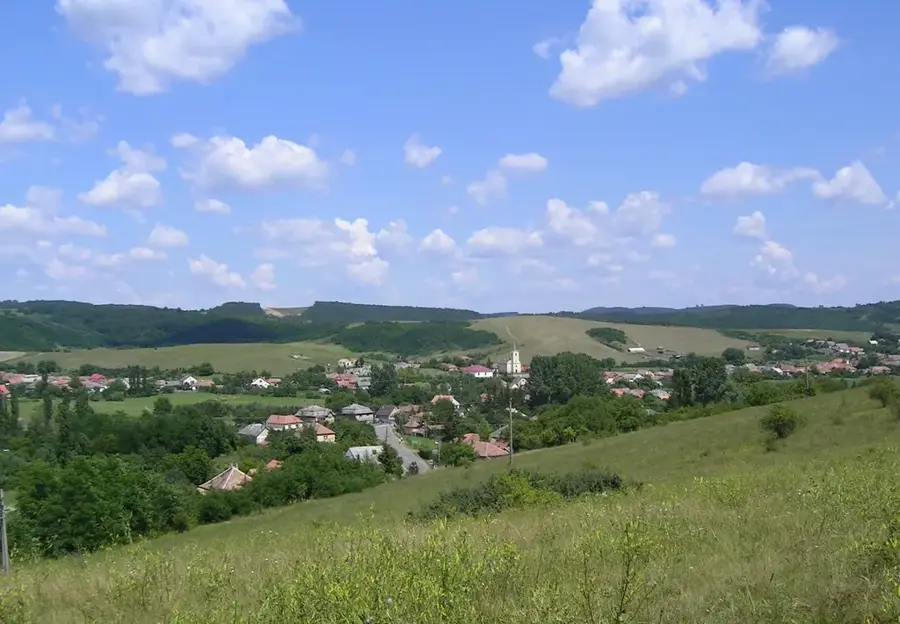
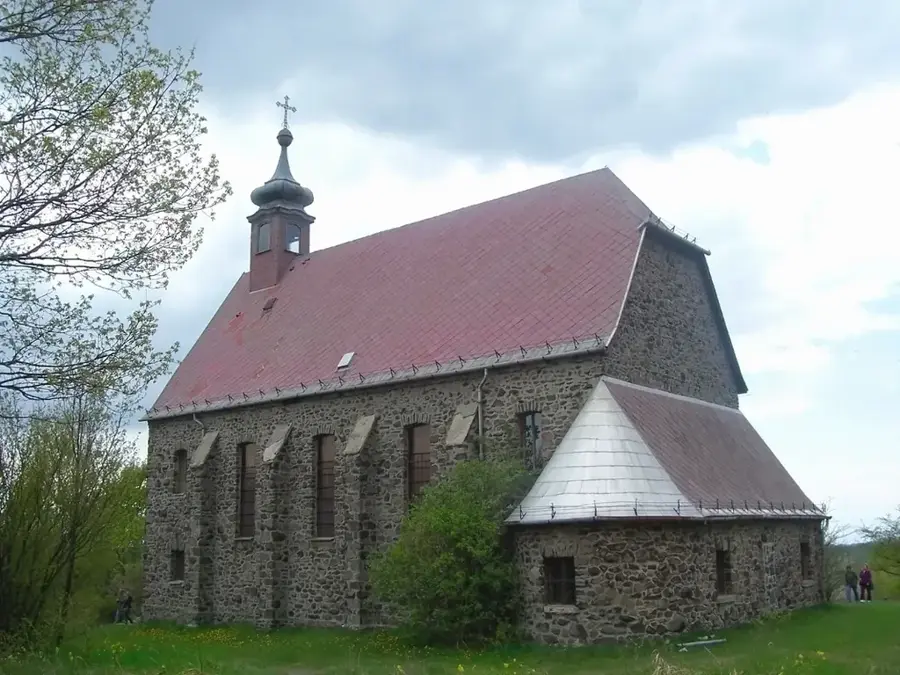
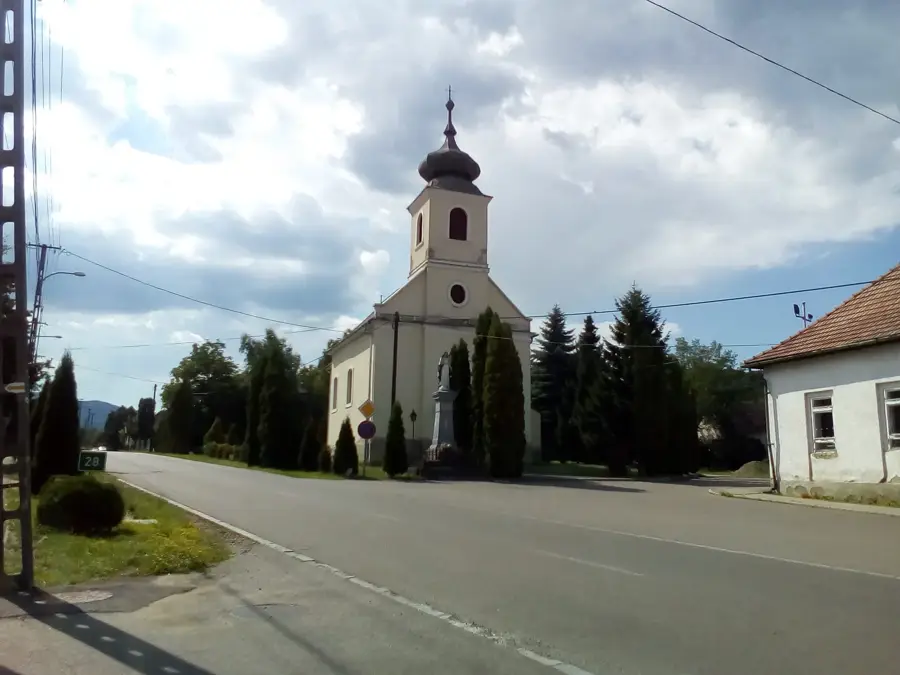
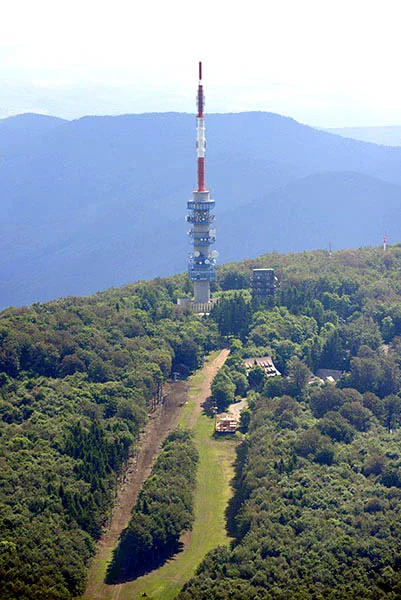
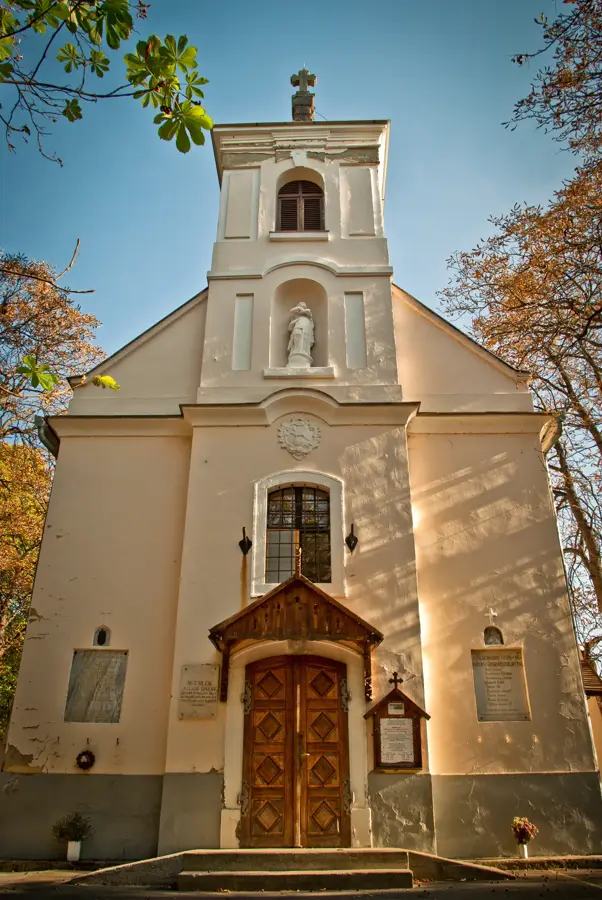
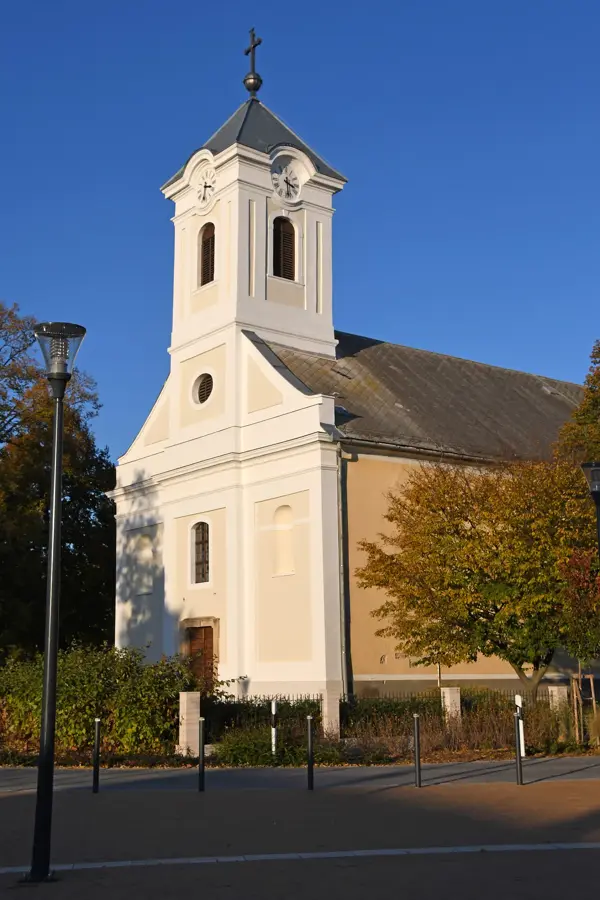
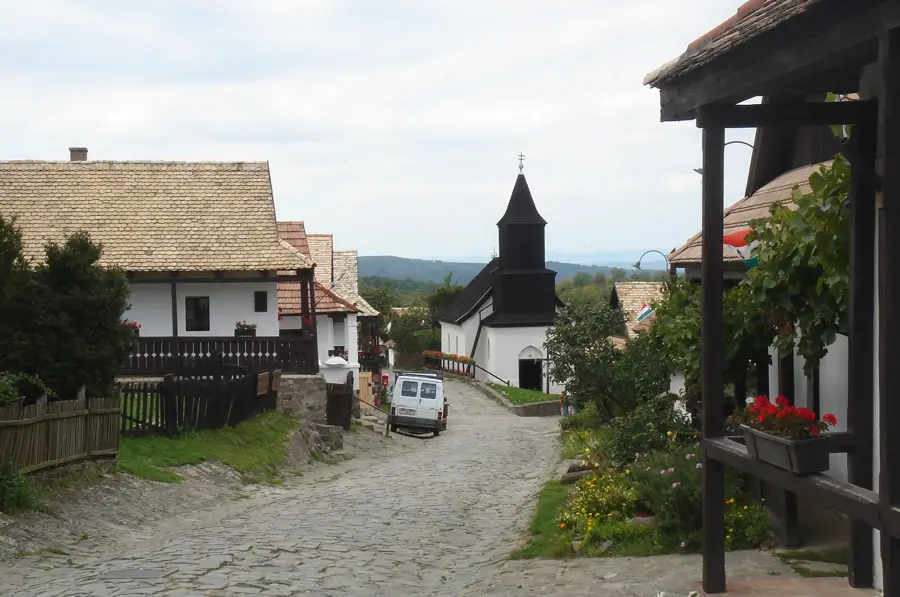
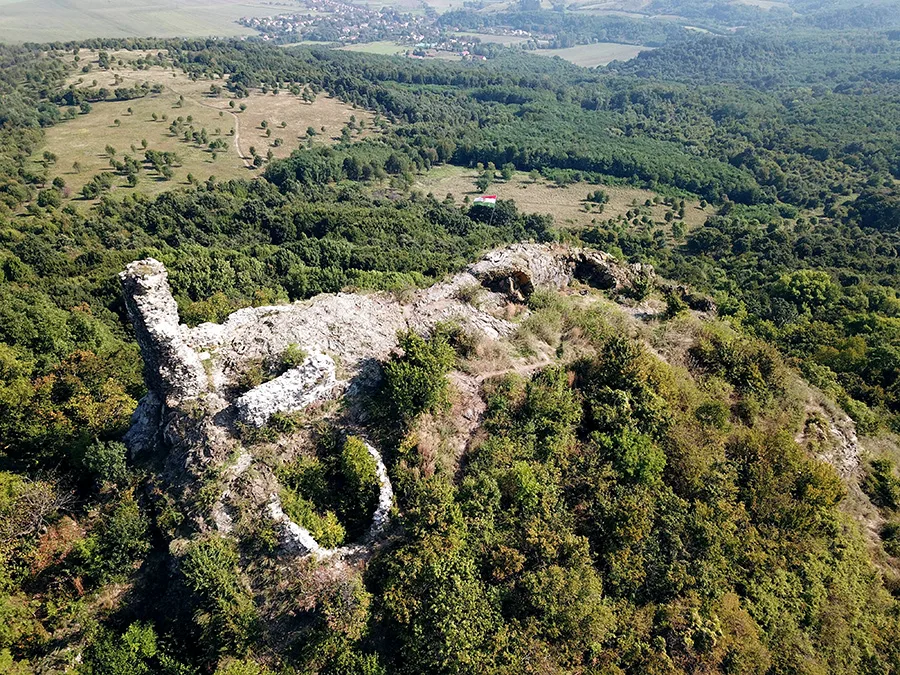
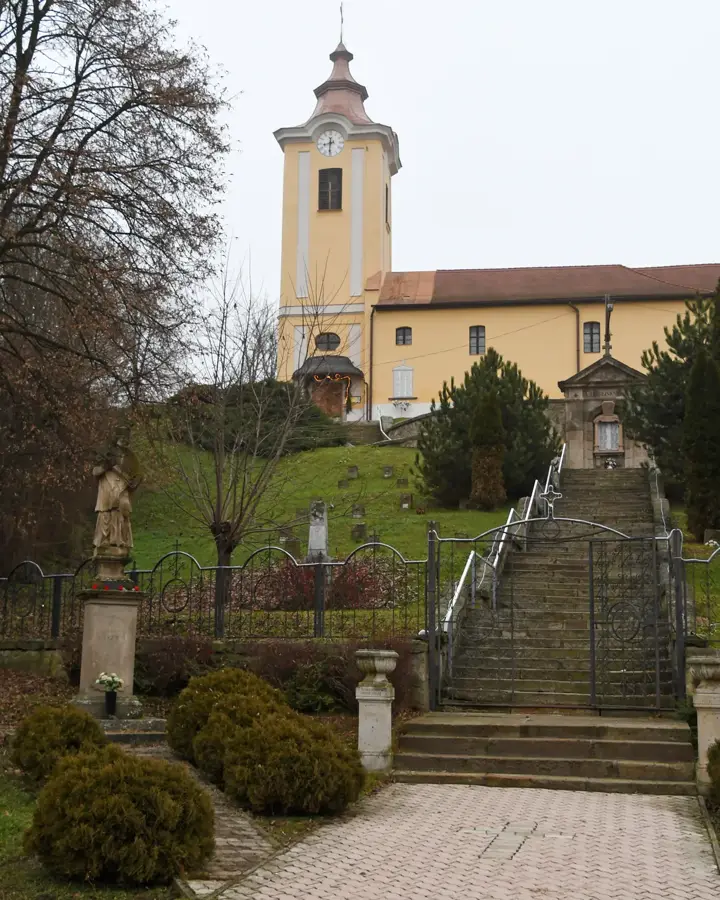
Mátraverebély is a historic village in Nógrád County, situated at the meeting point of the Mátra and Cserhát mountains. It is home to Hungary’s most significant Catholic shrine, Mátraverebély-Szentkút (Holy Well). According to a 10th-century legend, King Saint Ladislaus struck the ground with his horse's hoof, causing a spring to bubble up, which has been revered for its healing properties ever since. The shrine complex features a striking Baroque basilica, a Franciscan monastery, and rock-carved hermit cells that date back to the Middle Ages. The village itself has an exceptional Gothic church from the 14th century, dedicated to All Saints, which stands as a masterpiece of rural medieval architecture. The area is part of the Nógrád Geopark, offering diverse geological formations and lush forest trails. Mátraverebély is not only a place of religious devotion but also a cultural stronghold of the Palóc people, maintaining traditional customs and a peaceful rural lifestyle that attracts both pilgrims and nature enthusiasts from across the globe.
- Location: Nógrád, Hungary
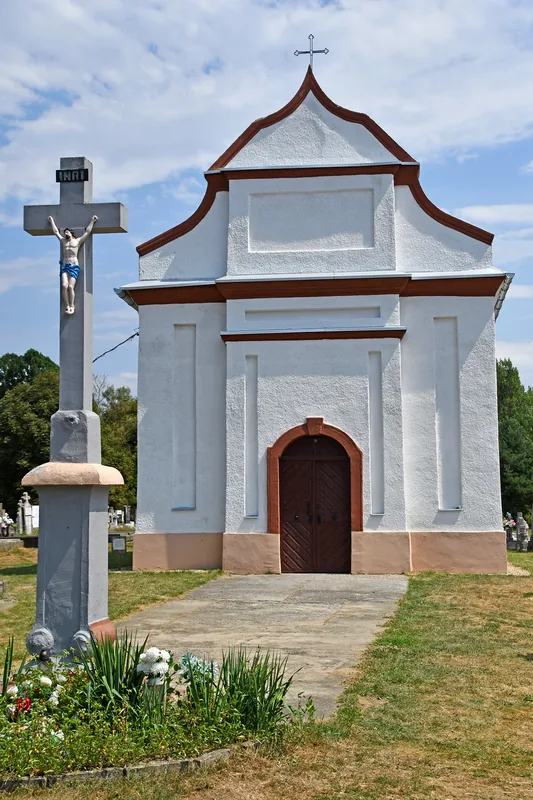
- Top sights: Medieval Hermit Caves · Nagyboldogasszony bazilika · Kálvária-kápolna
- Nearby: Tar (4 km)
- Population: ~1.800
Best time to visit & climate
The most pleasant time to visit is Jun–Aug.
| Jan | Feb | Mar | Apr | May | Jun | Jul | Aug | Sep | Oct | Nov | Dec | |
|---|---|---|---|---|---|---|---|---|---|---|---|---|
| Avg °C | -3 | -1 | 4 | 11 | 16 | 20 | 22 | 22 | 16 | 10 | 4 | -1 |
| Rain mm | 42 | 42 | 43 | 40 | 72 | 76 | 78 | 68 | 57 | 54 | 47 | 46 |
Geography
Facts
- The shrine is supervised by the Franciscan Order.
- King Saint Ladislaus is the patron saint of the holy well.
- The All Saints Church features original 14th-century stone carvings.
- The hermitage in the cliffside consists of several small rooms.
- Szentkút is one of the oldest pilgrimage sites in Hungary.
- The village is a key stop on the international 'Via Mariae' trail.
Explore nearby
Notable places around
Route planner — Car & Motorhome
Where do you start? We build the route here, with stops and country notes along the way.
© OpenStreetMap contributors · OpenRouteService
Sights in the town Mátraverebély (7)
Sights nearby (2)
Pásztó🏺 historical
10 kmA historic town featuring a medieval ruin garden and a Cistercian Abbey.
Tar⛪ religious
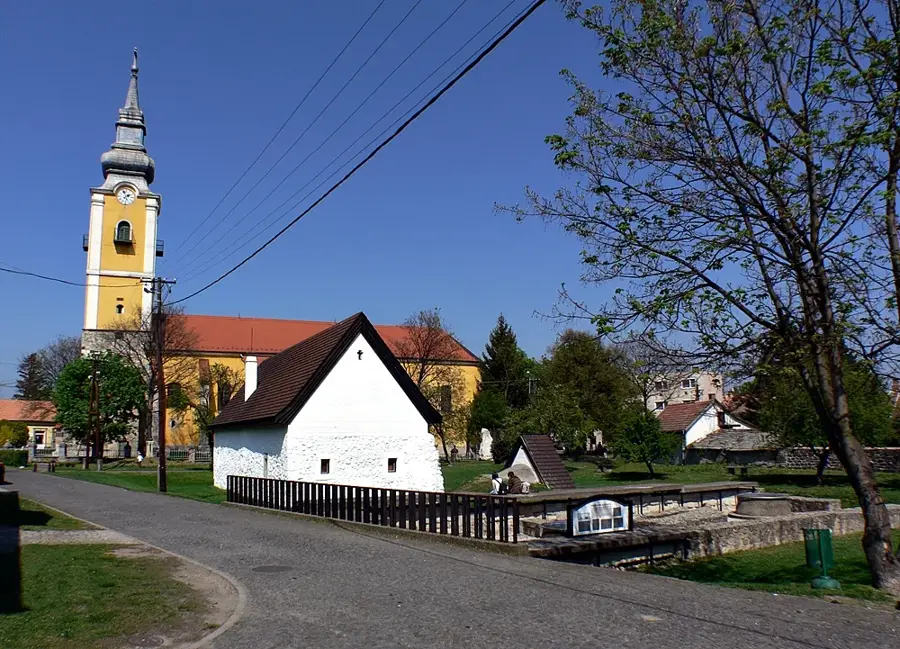
8 kmHome to the Alexander Csoma de Koros Memorial Park and a Tibetan Stupa.
Frequently asked questions
What is the main attraction of Mátraverebély?
Are there hermit caves nearby?
When is the most important pilgrimage?
Is it allowed to take water from the holy well?
Are there accommodations at the shrine?
Mátraverebély: where is it located?
Mátraverebély: what is there to see?
Mátraverebély: when is the best time to visit?
Mátraverebély: why is it worth visiting?

Nearby cities


History & landmarks
Nature
More places