Plizio Visual Lab
Nagykálló
ℹ️Practical info — Nagykálló
▾
🌤 Weather — 5 days
📍 Nearby
Sights nearby
💡 Tips
- Visit Harangod, known for its distinctive wooden structures designed by organic architect Imre Makovecz.
- Pay your respects at the tomb of the famous Hasidic rabbi, Yitzchak Isaac Taub (the 'Tzadik of Kálló').
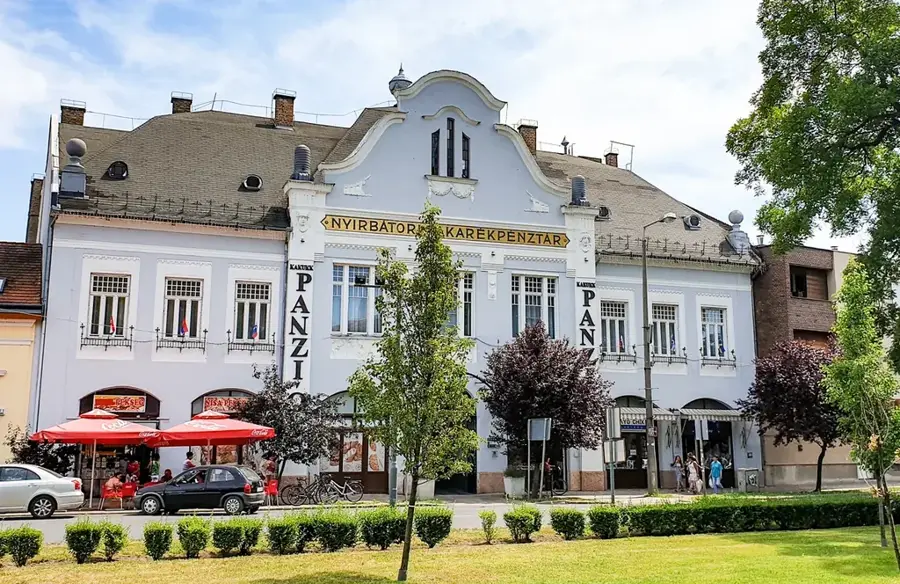
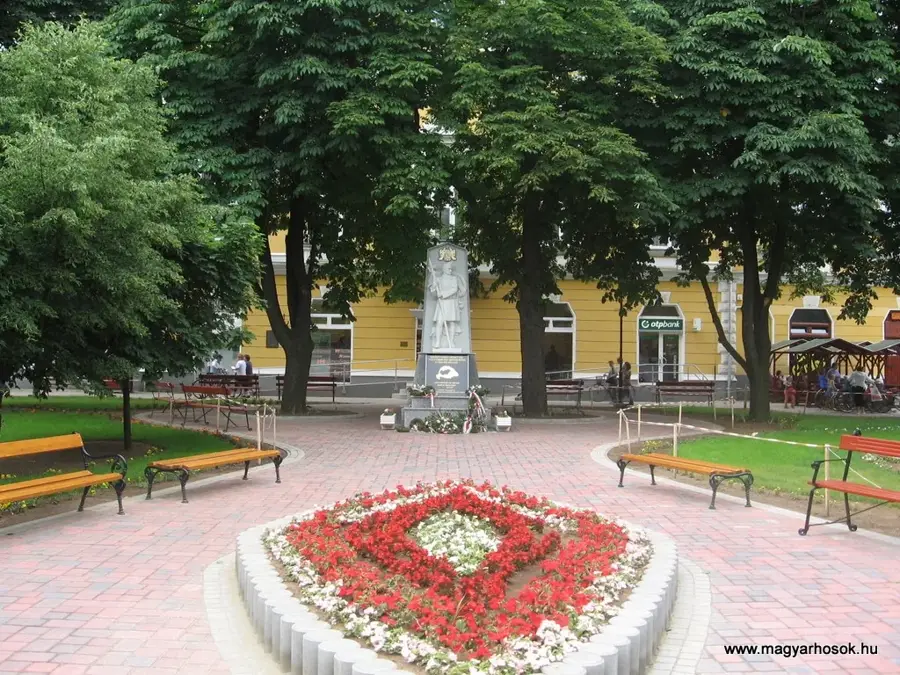
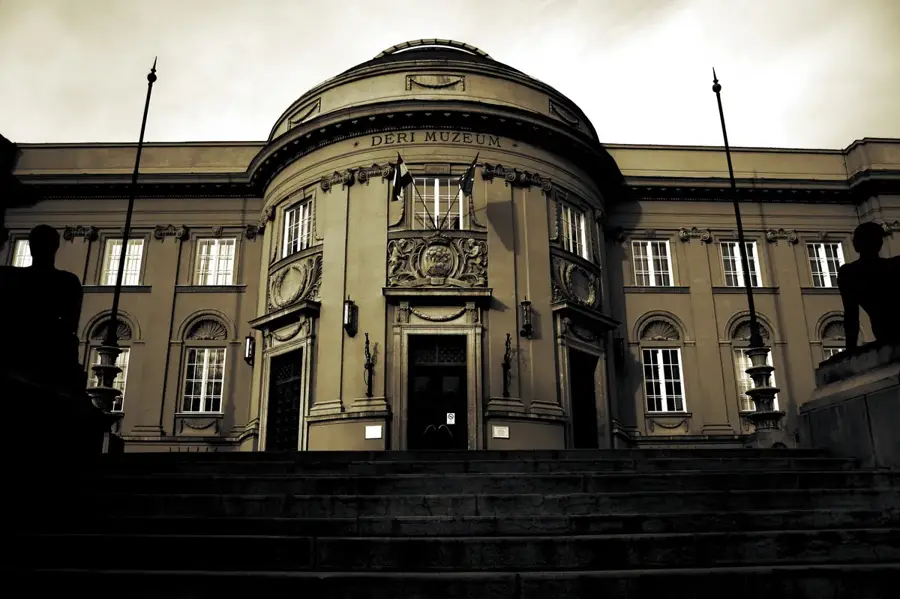
- The town center still features historic buildings reflecting its past as the former county seat.
- Look out for traditional folk art and crafts during local festivals and events.
🍽 Food
Look for strudels filled with locally grown apples at regional bakeries.
Try the classic Hungarian stew at a traditional csárda (inn) in the area.
If you are visiting during a festival at Harangod, try this oven-baked flatbread.
🛍 Shopping · 🧘 Quiet spots
Buy wood carvings or regional pottery during summer festivals.
Purchase fresh apples at the local street markets when in season.
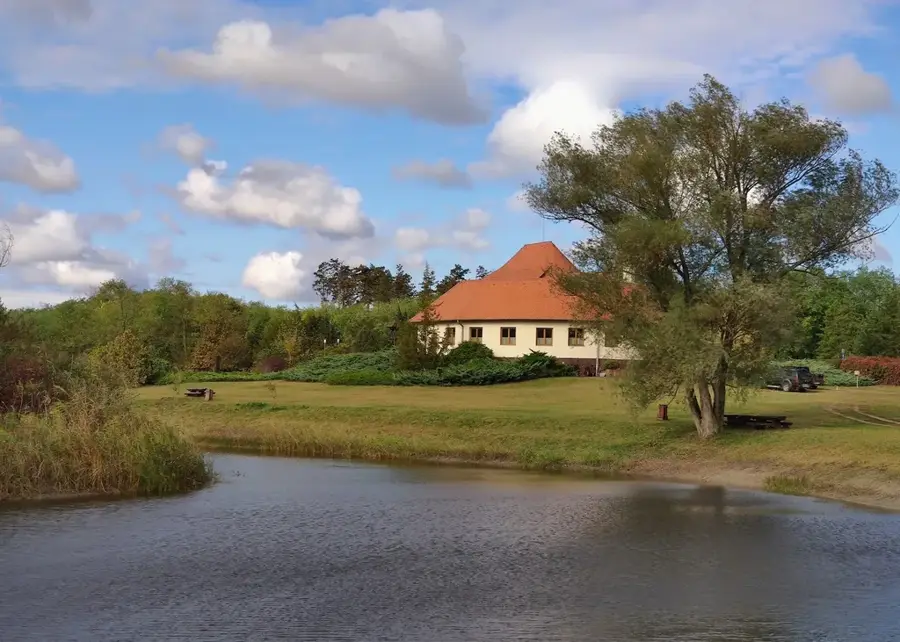
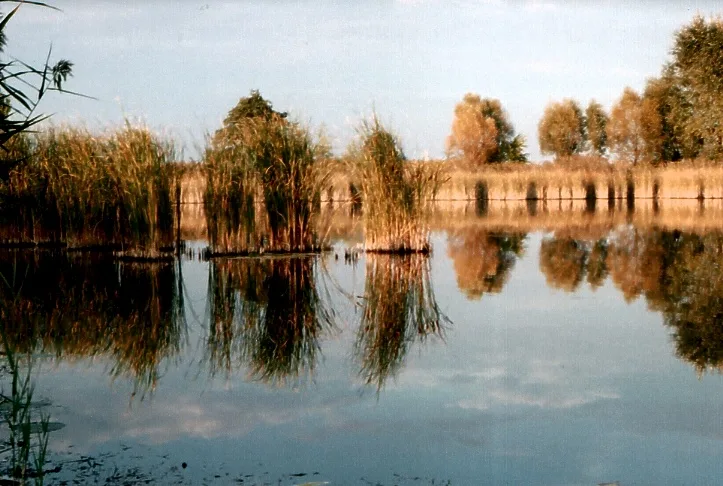
Enjoy a quiet walk around the small lake and the architectural wooden wonders.
A site of deep historical significance and quiet contemplation.
Water temperature…
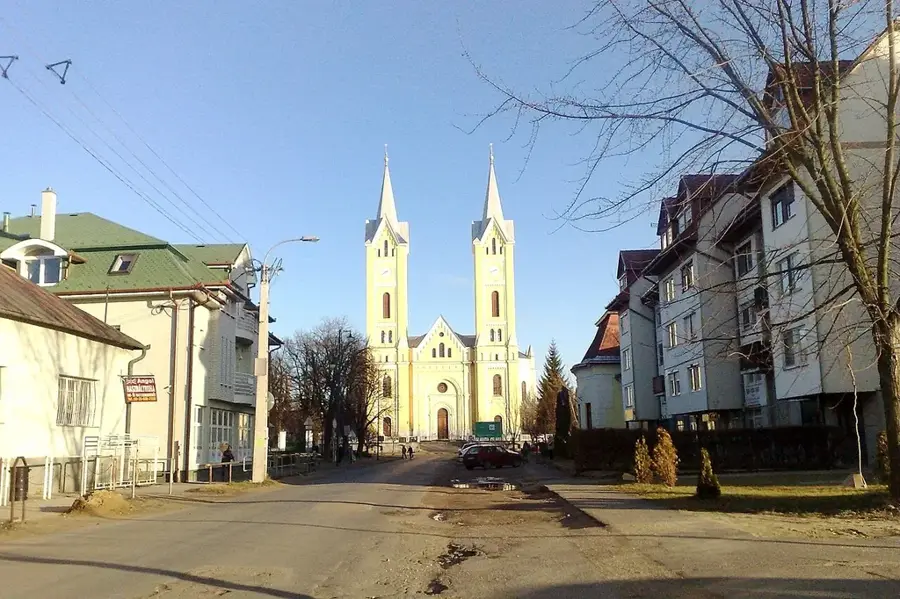
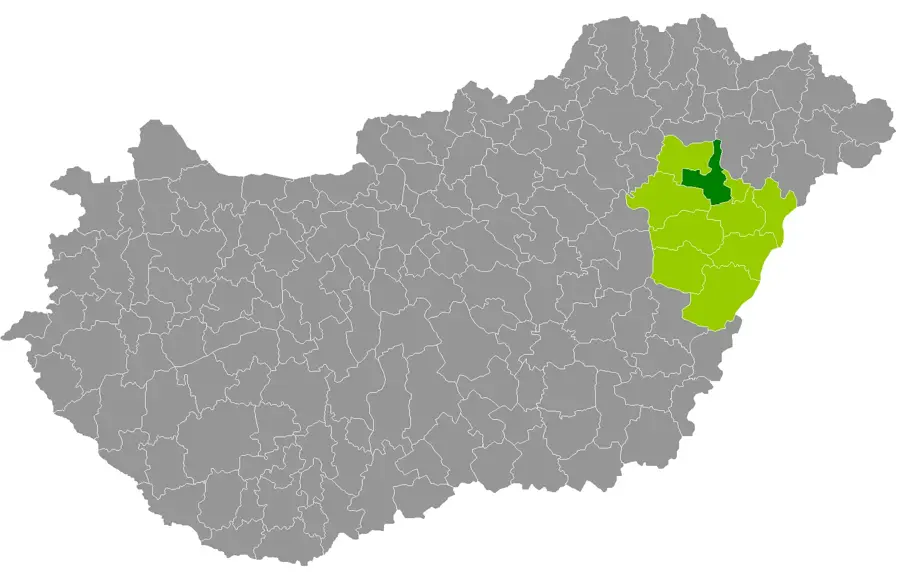
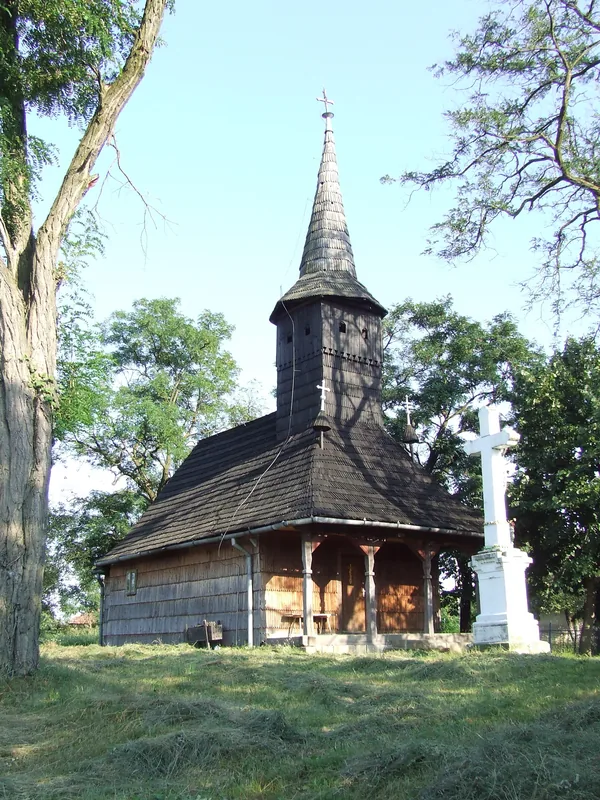
Nagykálló is a historically significant town in Szabolcs-Szatmár-Bereg County, serving as the administrative seat of Szabolcs County until 1876. Its long history as a regional center of power has left a lasting architectural and cultural mark on the settlement. Internationally, Nagykálló is famous as the home of Rebbe Izsák Eizik Taub, the influential founder of Hasidism in Northern Hungary, whose grave remains a major pilgrimage site for Jewish communities worldwide. The town's skyline is defined by its massive Reformed church, completed in 1794, and its adjacent, standalone wooden bell tower, a masterpiece of regional folk craftsmanship. Culturally, the town is the birthplace of the 'Kállai kettős,' a world-famous Hungarian folk dance that symbolizes the area's rich musical heritage and was famously adapted by composer Zoltán Kodály. Nearby, the Harangod recreational area features an artificial lake and unique organic architecture designed in the spirit of Imre Makovecz, providing a space for eco-tourism and cultural festivals. The local thermal bath, known for its iodine-rich waters, provides therapeutic treatments for respiratory and joint issues. Nagykálló continues to maintain its prestigious small-town atmosphere while serving as a modern educational hub for the surrounding rural districts in northeastern Hungary.
- Location: Hungary
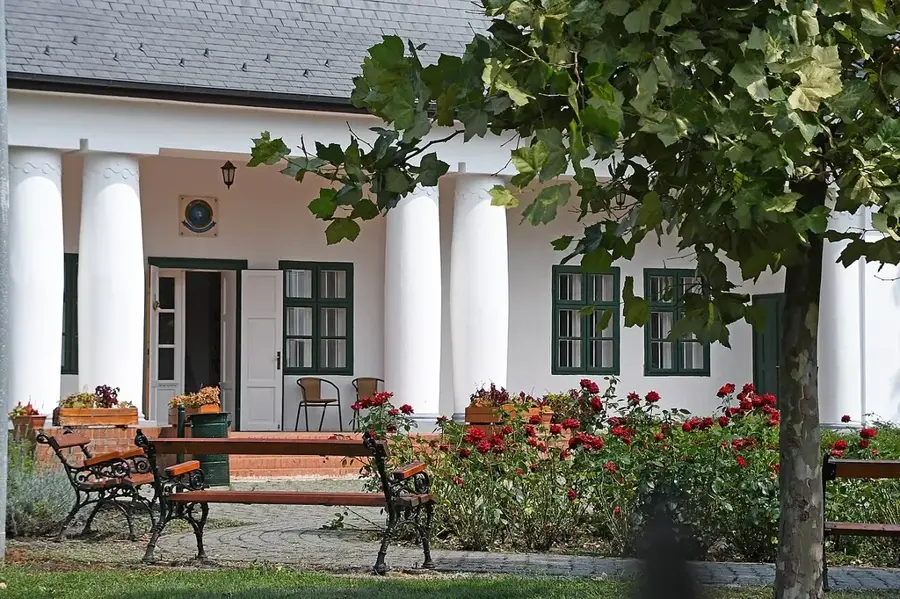
- Top sights: Frigyes Korányi Memorial House · Tomb of Isaac Taub · St. Stephen Roman Catholic Church
- Nearby: Balkány (13 km)
- Population: ~9.016
Best time to visit & climate
The most pleasant time to visit is Jun–Aug.
| Jan | Feb | Mar | Apr | May | Jun | Jul | Aug | Sep | Oct | Nov | Dec | |
|---|---|---|---|---|---|---|---|---|---|---|---|---|
| Avg °C | -2 | 0 | 5 | 12 | 17 | 21 | 23 | 23 | 17 | 11 | 5 | -1 |
| Rain mm | 38 | 38 | 40 | 40 | 68 | 75 | 80 | 53 | 53 | 49 | 45 | 46 |
Geography
Facts
- County seat status until: 1876
- Religious significance: Grave of Rebbe Izsák Eizik Taub
- Folk dance: Kállai kettős
- Reformed church construction: 1794
- Leisure area: Harangod
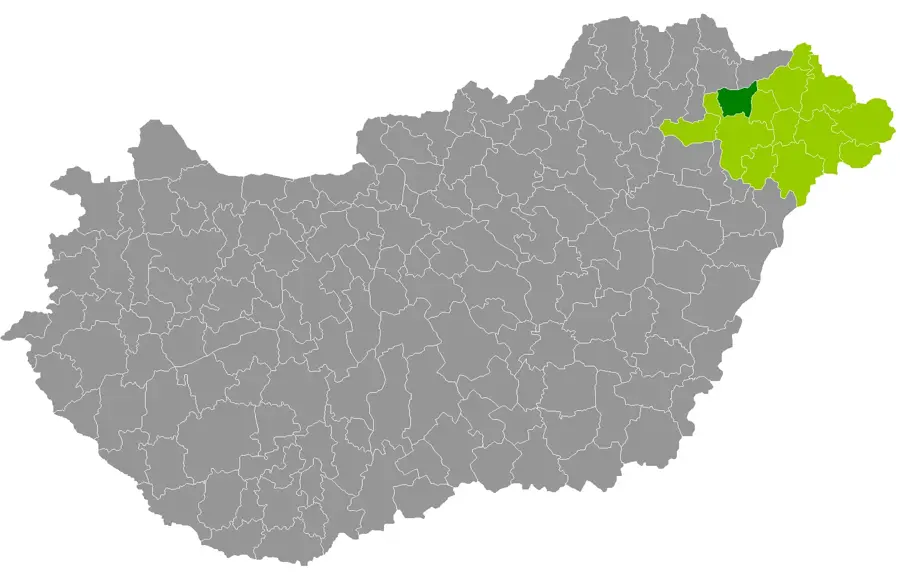
- Location: Northeastern Hungary
Explore nearby
Notable places around
Route planner — Car & Motorhome
Where do you start? We build the route here, with stops and country notes along the way.
© OpenStreetMap contributors · OpenRouteService
Sights in the town Nagykálló (6)
Frequently asked questions
What is Nagykálló famous for?
What is Harangod?
Are there religious sights?
When are events held in Harangod?
How far is Nagykálló from Nyíregyháza?
Nagykálló: where is it located?
Nagykálló: what is there to see?
Nagykálló: when is the best time to visit?
Nagykálló: why is it worth visiting?

Nearby cities


History & landmarks
Nature
More places