Plizio Visual Lab
Hajdúnánás

ℹ️Practical info — Hajdúnánás
▾
🌤 Weather — 5 days
📍 Nearby
Sights nearby
💡 Tips
- The town accepts a unique local currency called 'Bocskai Korona' alongside the Forint.
- The thermal bath is the main highlight, featuring iodine and bromine healing waters.
- Bring your own towel and slippers when visiting the local spa.
- Cycling is very popular here; the flat terrain makes it easy and safe to get around.
🍽 Food
A traditional shepherds' meal of pasta, potatoes, and bacon, often found at local festivals.
Enjoy this freshly deep-fried flatbread at the thermal bath's buffet.
Try local sausages and pork dishes at the traditional restaurants in the town center.
🛍 Shopping · 🧘 Quiet spots
Buy local organic products and handmade crafts directly from this traditional farm.
Visit the market early in the morning for the best fresh regional produce.
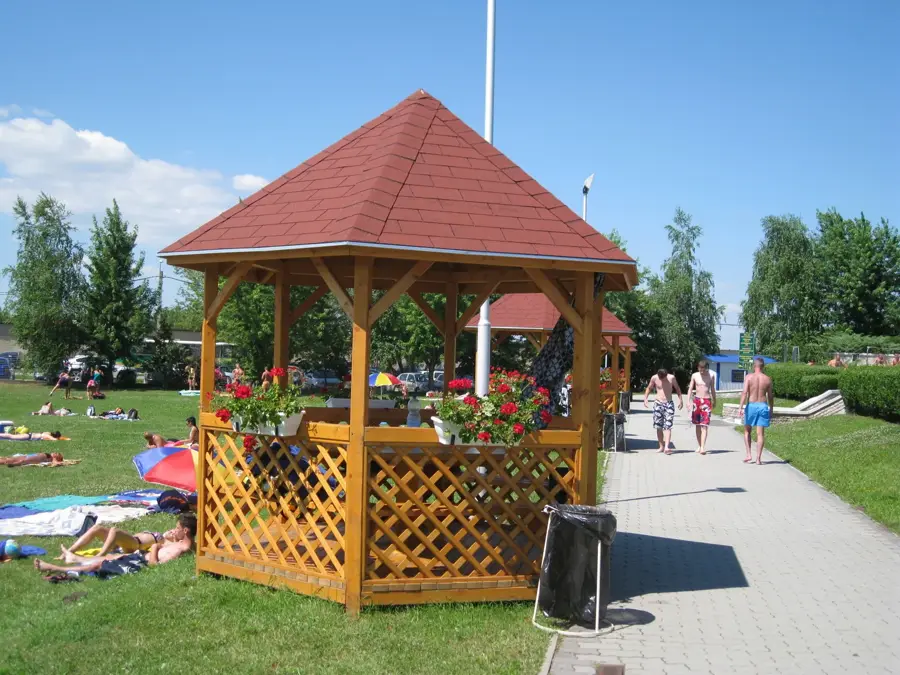
The green area around the pools is well-suited for relaxing under the shade of trees.
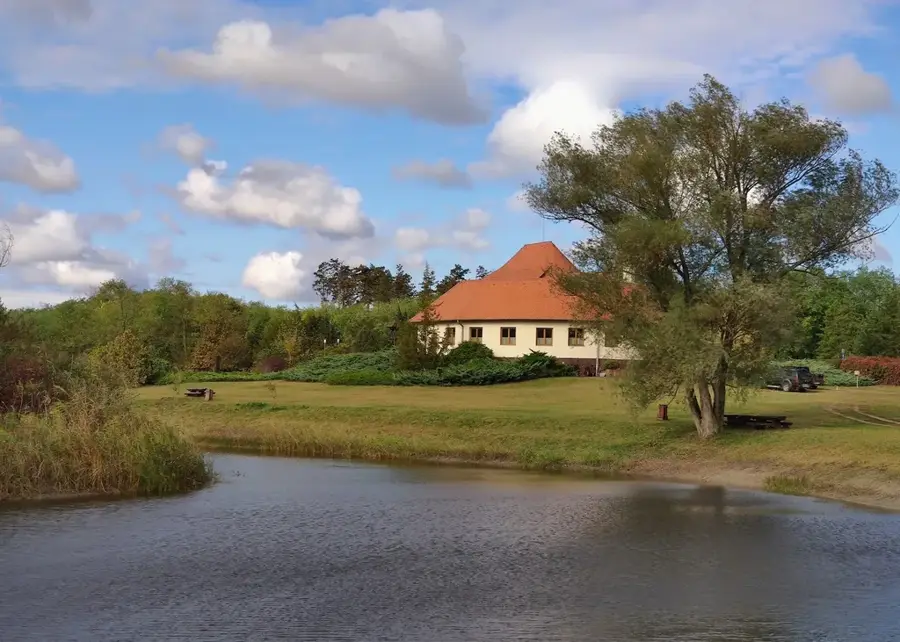
Take a peaceful walk among traditional Hungarian farm animals in a serene setting.
Water temperature…
Hajdúnánás is one of the historically significant 'Hajdú towns' in Hajdú-Bihar County, maintaining the unique social structure and spirit of independence granted to the Hajdú soldiers in the 17th century. The town's circular and radial street layout is a rare example of defensive urban planning from the early modern period, designed to protect the community from invaders. A distinctive cultural trademark of Hajdúnánás is the art of straw weaving, a craft that has flourished here since the 18th century; the local straw hats and decorative items are renowned nationwide and are prominently featured in the local ethnographical museum. The Hajdúnánás Medical Bath is a major draw for health tourists, offering thermal waters rich in sodium chloride, iodine, and bromine, which are highly effective for treating musculoskeletal and gynecological conditions. On the outskirts of the town lies 'Kendereskert', an educational organic farm that showcases traditional pastoral life, ancient Hungarian animal breeds like the Racka sheep and Hungarian Grey cattle, and sustainable farming techniques. The town's economy is traditionally rooted in agriculture and milling, but it has recently diversified into services and tourism. The local identity is reinforced through the 'Nánási Portéka' brand, which supports local small-scale producers and artisans. Culturally, the town is spirited with festivals celebrating Hajdú traditions, horse riding events, and harvest balls, ensuring that Hajdúnánás remains a key cultural and economic hub in the northern Tiszántúl region.
- Location: Hungary
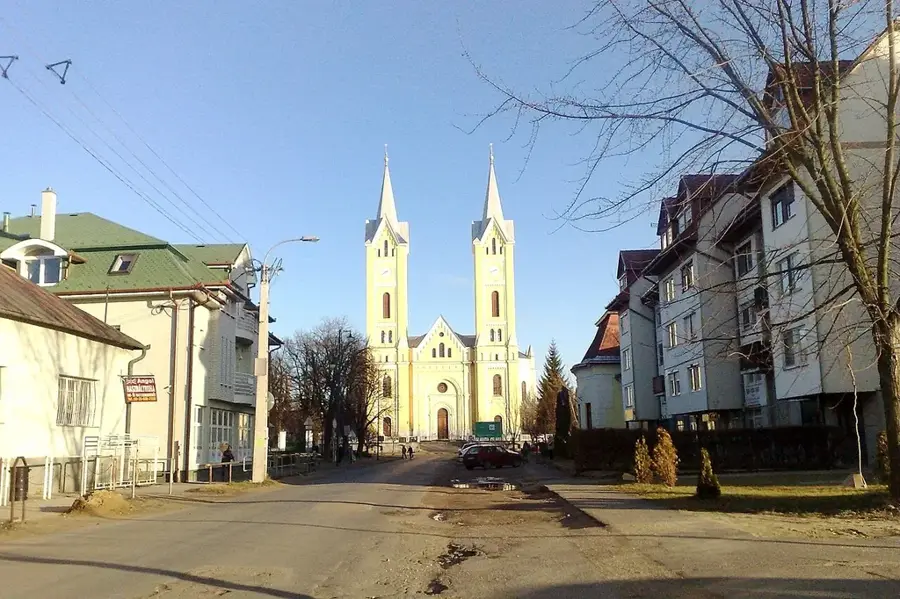
- Top sights: Kéky Lajos Cultural Center · Holy Trinity Roman Catholic Church · Hajdúnánás Ostrich Farm
- Nearby: Polgár (23 km)
- Population: ~15.986
Best time to visit & climate
The most pleasant time to visit is Jun–Aug.
| Jan | Feb | Mar | Apr | May | Jun | Jul | Aug | Sep | Oct | Nov | Dec | |
|---|---|---|---|---|---|---|---|---|---|---|---|---|
| Avg °C | -2 | 0 | 5 | 12 | 17 | 21 | 23 | 23 | 17 | 11 | 5 | -1 |
| Rain mm | 35 | 36 | 38 | 39 | 67 | 75 | 79 | 56 | 51 | 49 | 43 | 43 |
Geography
Facts
- Cultural heritage: Straw weaving
- Medical bath: Iodine-bromine water
- Top site: Kendereskert
- Urban layout: Circular (Hajdú style)
- Local brand: Nánási Portéka
- Economy: Agriculture & milling industry
Explore nearby
Notable places around

Route planner — Car & Motorhome
Where do you start? We build the route here, with stops and country notes along the way.
© OpenStreetMap contributors · OpenRouteService
Sights in the town Hajdúnánás (7)
Frequently asked questions
What is Hajdúnánás famous for?
What is the ostrich farm?
What healing effects does the water have here?
Is there a local museum?
What is Kero ice cream?
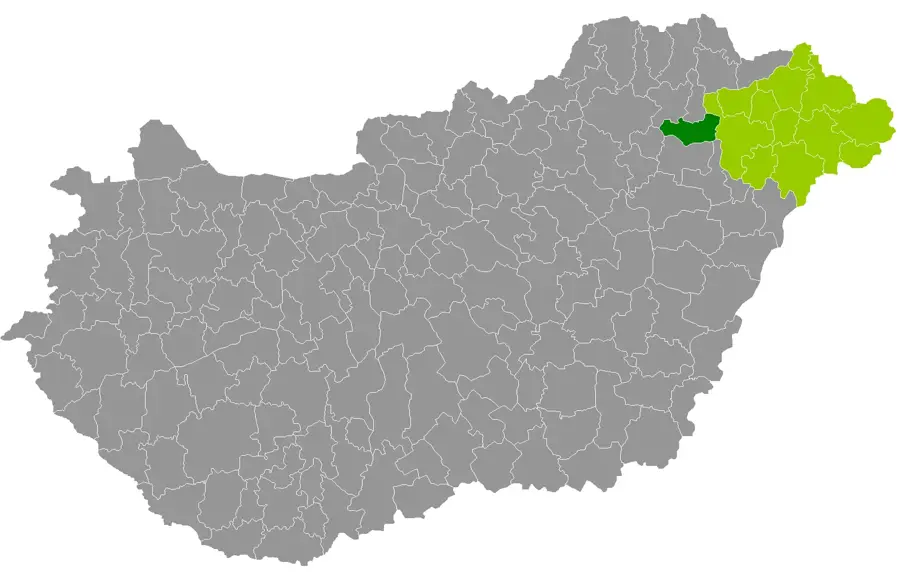
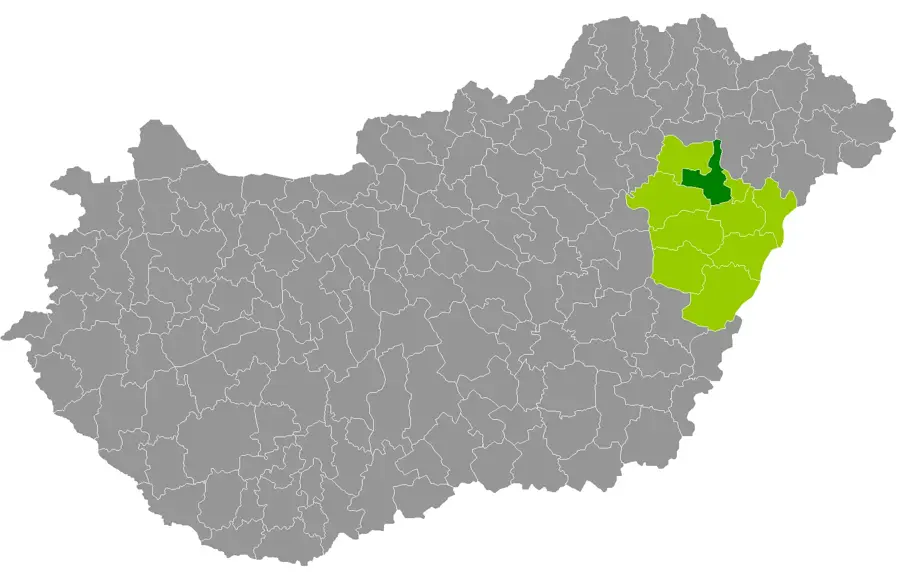
Hajdúnánás: where is it located?
Hajdúnánás: what is there to see?
Hajdúnánás: when is the best time to visit?
Hajdúnánás: why is it worth visiting?

Nearby cities




History & landmarks
Nature
More places