Plizio Visual Lab
Körös-Maros National Park
Weather…
Water temperature…
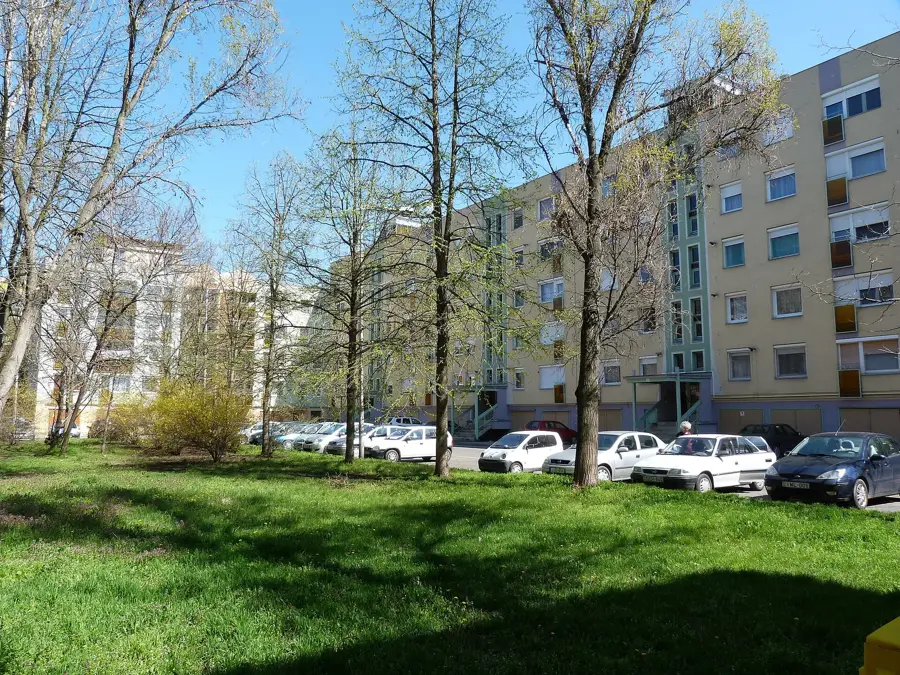
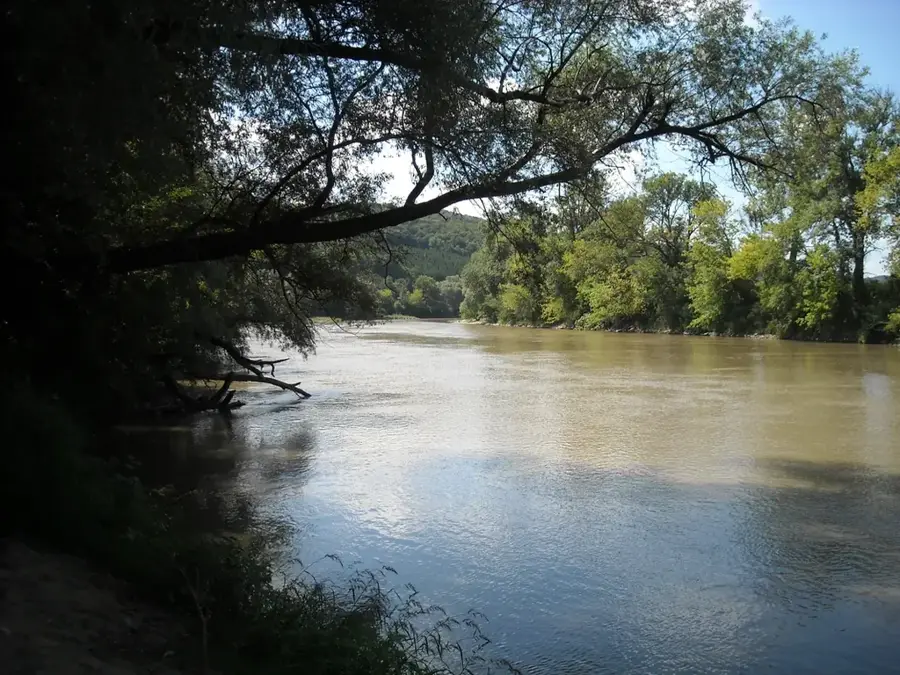
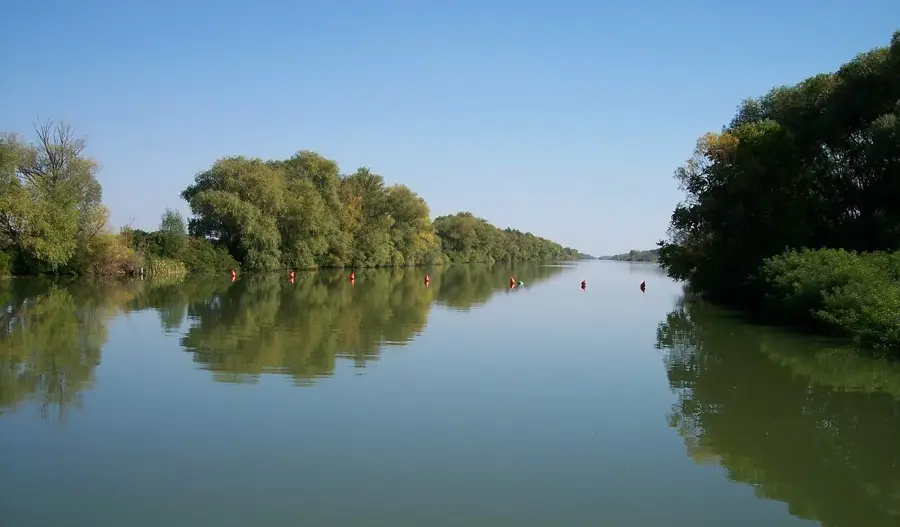
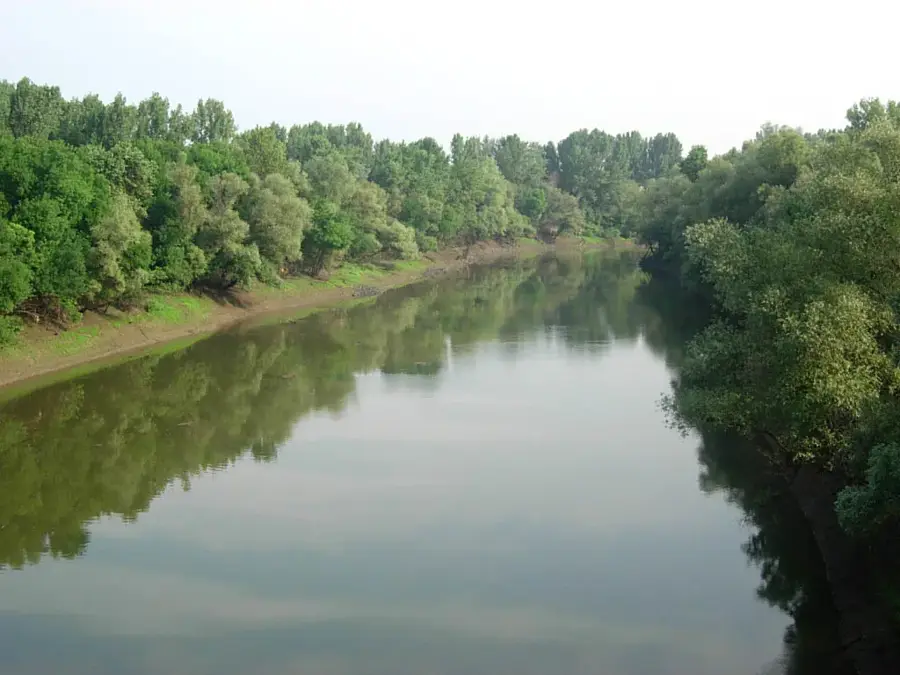
The Körös-Maros National Park is located in the southern Great Plain of Hungary and was established in 1997 to protect the unique steppe and river landscapes. It covers an area of approximately 511 square kilometers and consists of several spatially separated sub-areas between the Körös and Maros rivers. The landscape is characterized by vast alkaline steppes, remnants of the former Puszta, as well as dense floodplain forests and wetlands along the river courses. One of the park's most significant tasks is the protection of the Great Bustard, one of the world's heaviest flying birds, whose most important population in Europe lives here. Botanically valuable are the stands of Hungarian sage and various rare orchid species on the loess ridges. The park also houses the Réhely visitor center, which provides information on the ecological importance of Pannonian flora and fauna. The region is also culturally and historically interesting, as it has preserved the traditional pastoral lifestyle of the Hungarian lowlands.
- Location: Békés, Hungary
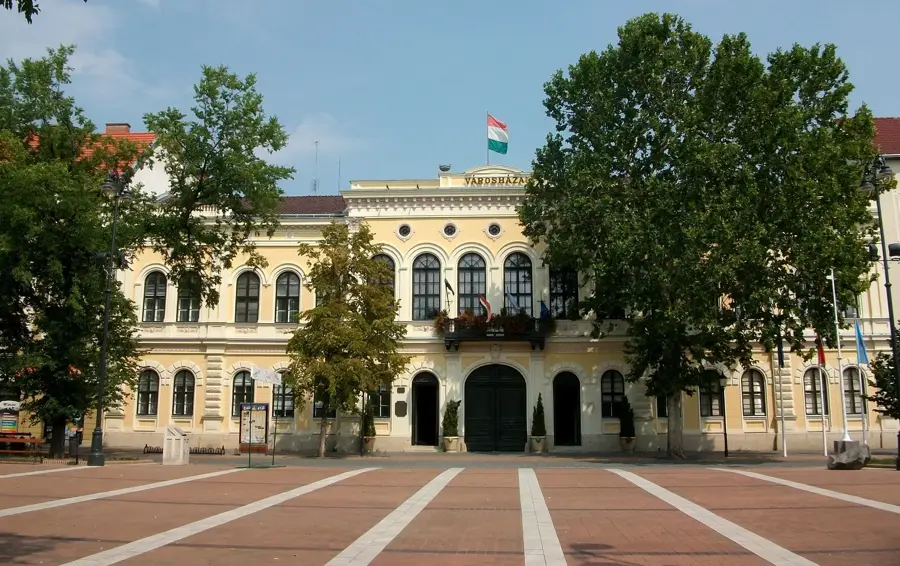
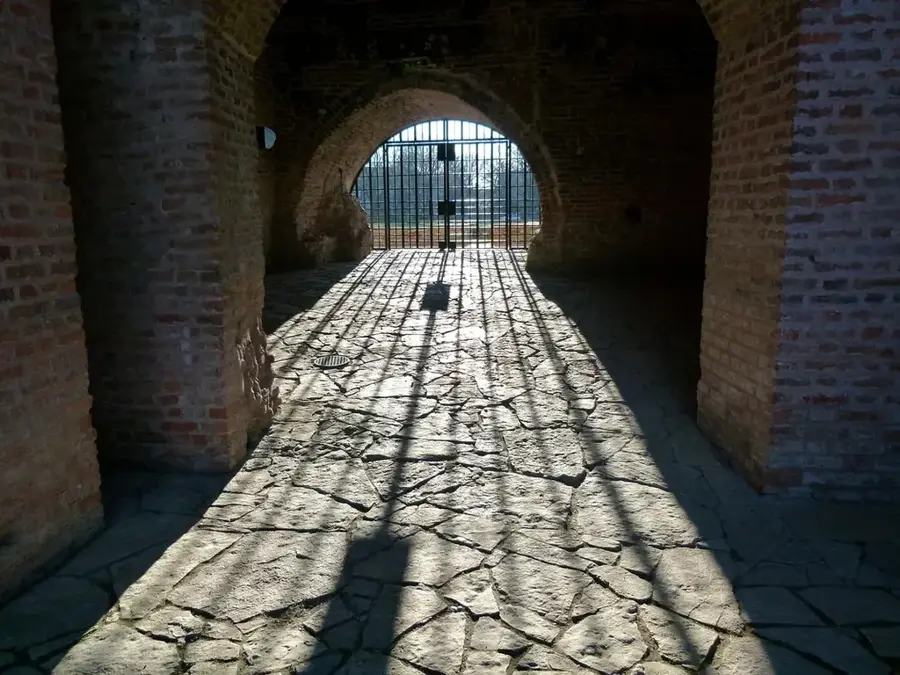
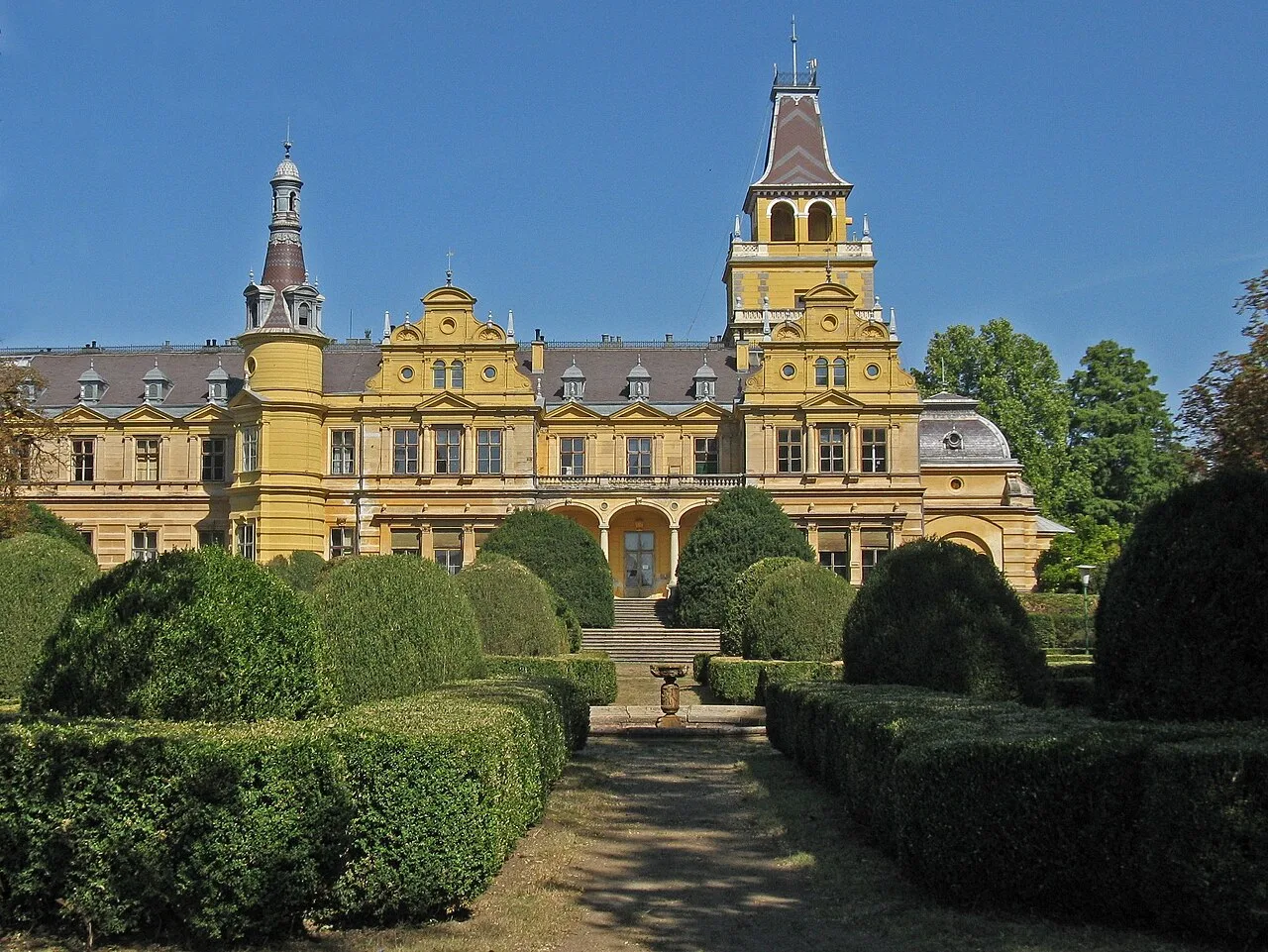
- Top sights: Hármashatár-halom · Beliczey-kastély · Helytörténeti Múzeum
- Nearby: Békéscsaba (19 km)
Best time to visit & climate
The most pleasant time to visit is Jun, Aug, Sep.
| Jan | Feb | Mar | Apr | May | Jun | Jul | Aug | Sep | Oct | Nov | Dec | |
|---|---|---|---|---|---|---|---|---|---|---|---|---|
| Avg °C | -1 | 1 | 6 | 12 | 18 | 22 | 24 | 24 | 18 | 12 | 6 | 1 |
| Rain mm | 38 | 39 | 43 | 44 | 66 | 80 | 69 | 53 | 52 | 49 | 46 | 44 |
📋 Practical info
Geography
Facts
- The protected area comprises 13 spatially separated units in Békés and Csongrád counties.
- The park is home to the largest population of Great Bustards in Central Europe.
- In the Pannonian loess-steppe sub-area, the rare Adonis volgensis blooms.
- The Réhely visitor center in Dévaványa is specifically dedicated to wildlife protection.
- The Biharugra wetlands have been protected by the Ramsar Convention since 1989.
- The Körös and Maros rivers shape the soil conditions through their sediments.
Explore nearby
Notable places around


Route planner — Car & Motorhome
Where do you start? We build the route here, with stops and country notes along the way.
© OpenStreetMap contributors · OpenRouteService
Sights in the town Körös-Maros National Park (3)
Sights nearby
Frequently asked questions
Where is the visitor center located?
Can I see great bustards here?
Are water sports allowed on the rivers?
Are there nature trails for families?
When do cranes migrate through?
Körös-Maros National Park: where is it located?
Körös-Maros National Park: what is there to see?
Körös-Maros National Park: when is the best time to visit?
Körös-Maros National Park: why is it worth visiting?

Nearby cities



History & landmarks

Nature
More places