Plizio Visual Lab
Lopé National Park

Weather…
Water temperature…
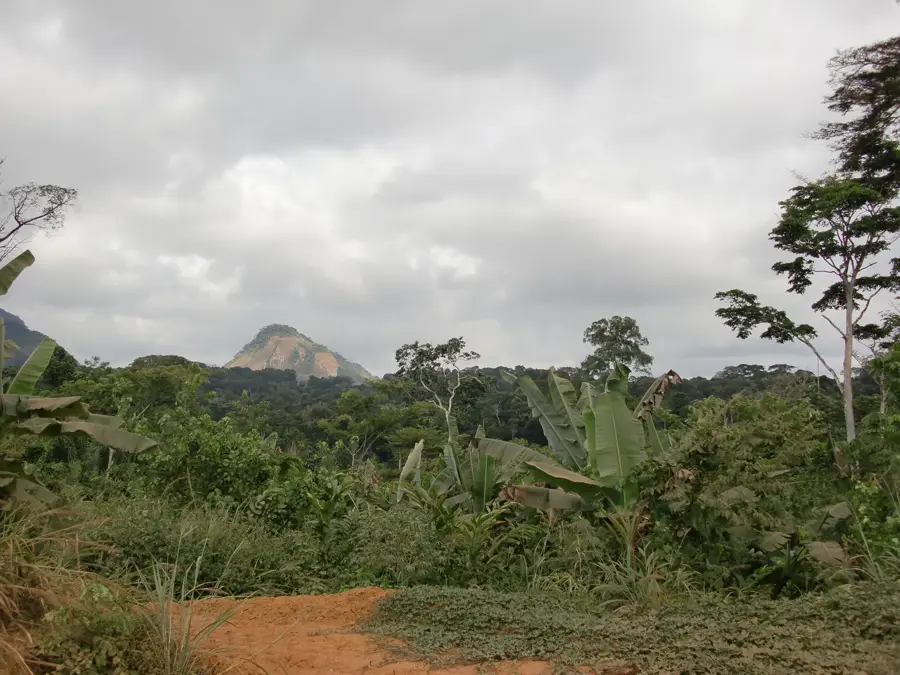
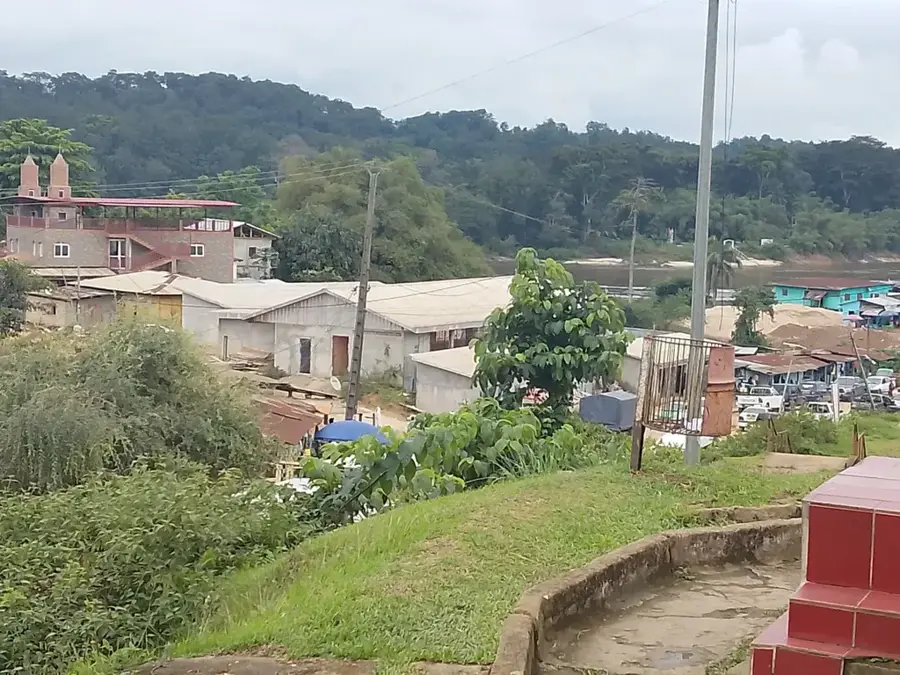
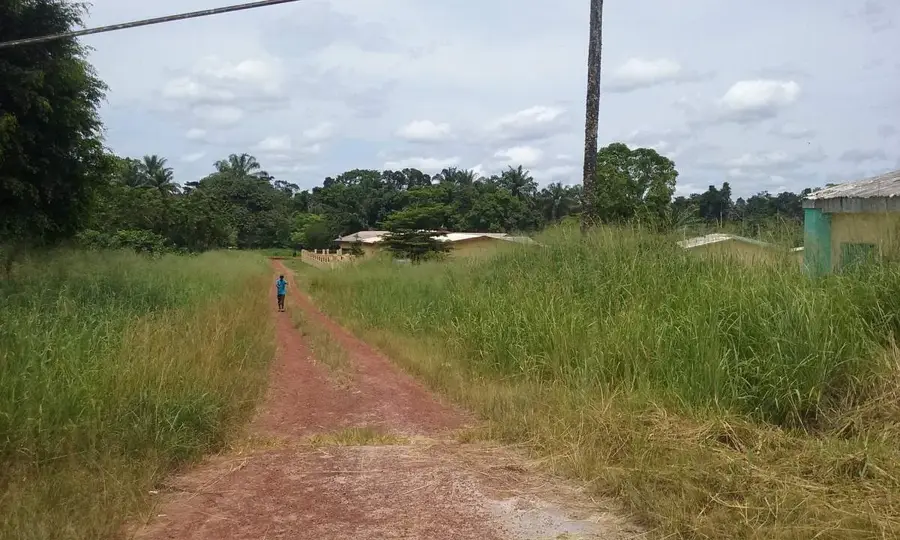
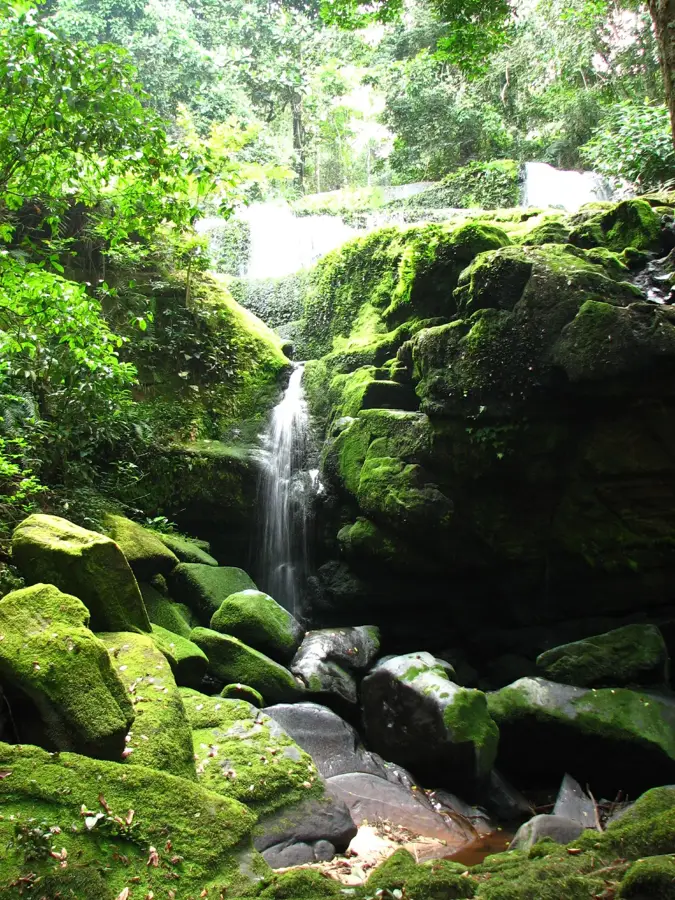
Lopé National Park, Gabon's oldest protected area and a UNESCO World Heritage site, fascinates visitors with its completely unique landscape. Here, vast, grassy savannas meet dense equatorial rainforest directly. This ecological transition zone was formed at the end of the last Ice Age and provides an exceptional habitat for rare wildlife. It is one of the absolute best places in Africa to observe mandrills traveling in massive troops. Alongside the brightly colored mandrills, the park is home to a dense population of forest elephants, western lowland gorillas, and chimpanzees. The varied terrain allows animals to hide in the thick forest canopy or graze openly in the savanna. Furthermore, Stone Age rock engravings in the region bear witness to a human settlement history dating back over 400,000 years, highlighting the park's immense cultural and historical value. Getting there is usually done via the Transgabonais train, which stops right at the edge of the park in the village of Lopé, making access relatively straightforward. The dry season from July to September is the best time for general wildlife viewing, while the months between December and February offer excellent chances to witness the spectacular mandrill gatherings.
- Location: Gabon
- Nearby: Booué (63 km)
Best time to visit & climate
The most pleasant time to visit is Jun–Aug.
| Jan | Feb | Mar | Apr | May | Jun | Jul | Aug | Sep | Oct | Nov | Dec | |
|---|---|---|---|---|---|---|---|---|---|---|---|---|
| Avg °C | 25 | 25 | 25 | 25 | 25 | 25 | 24 | 24 | 25 | 24 | 24 | 25 |
| Rain mm | 128 | 132 | 218 | 233 | 157 | 32 | 8 | 16 | 81 | 299 | 318 | 169 |
📋 Practical info
Geography
Facts
- UNESCO World Heritage site
- Mix of savanna and forest
- Famous for large mandrill troops
- Home to forest elephants
- Contains Stone Age rock carvings
- Accessible by the Transgabonais train
- Gabon's oldest national park
- Offers guided gorilla tracking
Explore nearby
Notable places around



Route planner — Car & Motorhome
Where do you start? We build the route here, with stops and country notes along the way.
© OpenStreetMap contributors · OpenRouteService
Sights nearby
Frequently asked questions
Lopé National Park: where is it located?
Lopé National Park: when is the best time to visit?
Lopé National Park: why is it worth visiting?

Nearby cities

History & landmarks
Nature
More places