Plizio Visual Lab
Ancient Iron Smelting Sites
Weather…
Water temperature…
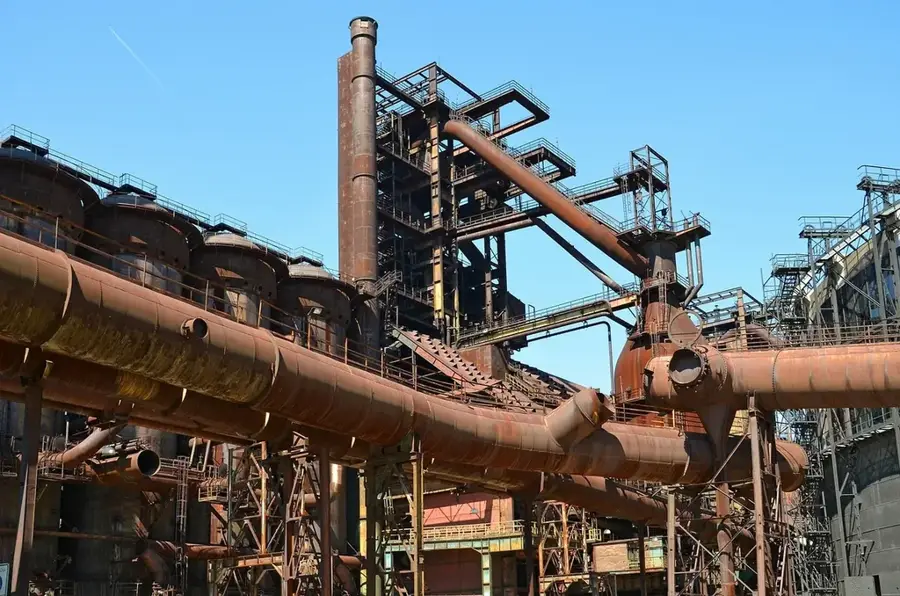
The Ancient Iron Smelting Sites along the Ogooué River valley represent some of the most significant archaeological discoveries in Central Africa, dating back over two thousand years. These sites provide undeniable evidence of a highly advanced iron-working culture that thrived in the region as early as 400 BCE. Researchers have uncovered numerous furnaces and massive slag heaps that indicate a large-scale industrial production of iron tools and weapons. This technological mastery played a fundamental role in the migration of Bantu-speaking peoples, allowing them to clear the dense rainforests and establish agricultural societies across the continent. The Ogooué valley sites, particularly those integrated into the UNESCO-listed Lopé-Okanda landscape, have fundamentally changed our understanding of pre-colonial African history and economic development. These ancient industries demonstrate that the inhabitants of Gabon were part of a sophisticated network of trade and technological exchange long before European contact.
- Location: Gabon
- Nearby: Booué (57 km)
Best time to visit & climate
The most pleasant time to visit is Jun–Aug.
| Jan | Feb | Mar | Apr | May | Jun | Jul | Aug | Sep | Oct | Nov | Dec | |
|---|---|---|---|---|---|---|---|---|---|---|---|---|
| Avg °C | 25 | 25 | 25 | 25 | 25 | 25 | 24 | 24 | 25 | 24 | 24 | 25 |
| Rain mm | 128 | 132 | 218 | 233 | 157 | 32 | 8 | 16 | 81 | 299 | 318 | 169 |
📋 Practical info
Geography
Facts
- Iron smelting was practiced in the region as early as 400 BCE.
- Researchers found slag heaps dating back over 2,000 years.
- Iron-working technology was crucial for the Bantu migration.
- The Lopé-Okanda landscape is a designated UNESCO World Heritage site.
- Ancient furnaces reached temperatures exceeding 1,200 degrees Celsius.
- Disproves the theory that metallurgy was only introduced from abroad.
Explore nearby
Notable places around




Route planner — Car & Motorhome
Where do you start? We build the route here, with stops and country notes along the way.
© OpenStreetMap contributors · OpenRouteService
Sights nearby
Frequently asked questions
How old are the iron smelting sites?
Where exactly are these sites located?
Are they part of the UNESCO World Heritage?
Can the smelting furnaces be visited?
What should you bring for the hike?
Ancient Iron Smelting Sites: where is it located?
Ancient Iron Smelting Sites: when is the best time to visit?
Ancient Iron Smelting Sites: why is it worth visiting?

Nearby cities

History & landmarks
Nature
More places