Plizio Visual Lab

Lopé Forest
Plizio editorial teamData Sources
Forest
—°
Lopé Forest (Gabon)

Weather…

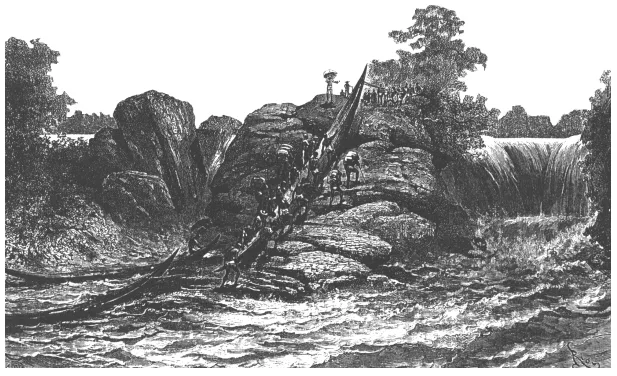
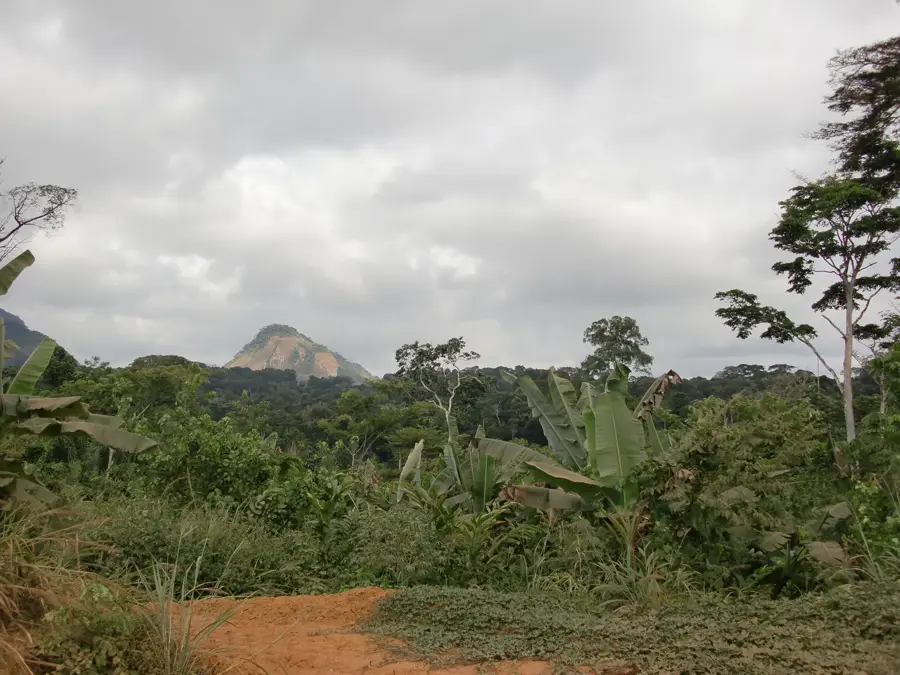
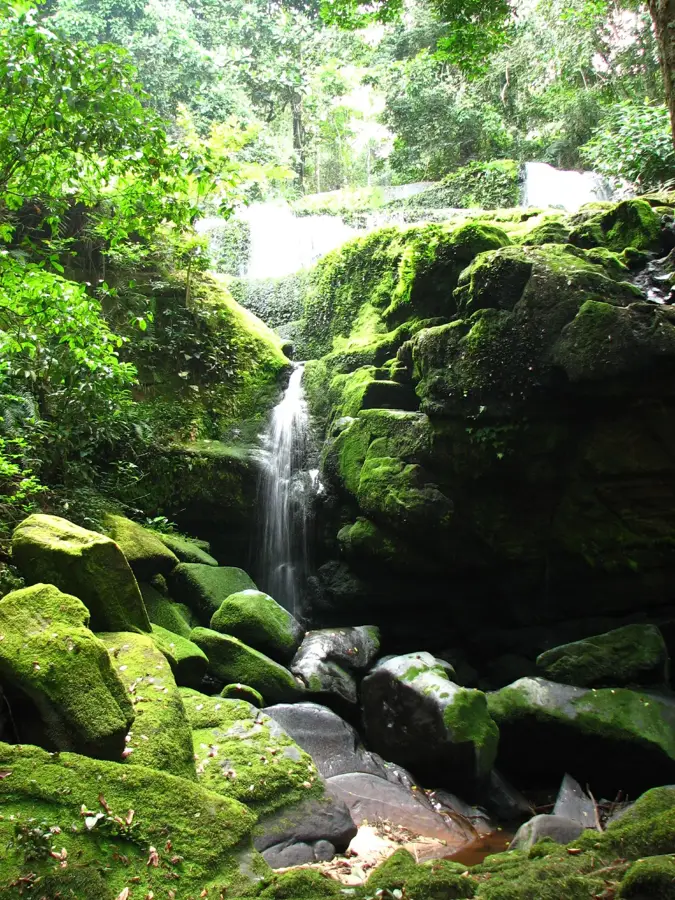
Lopé National Park is the oldest protected area in Gabon and was recognized as a UNESCO World Heritage site in 2007. It has a unique landscape where dense tropical rainforest meets 15,000-year-old savannas, a result of past climatic fluctuations. This mix of ecosystems enables exceptional biodiversity; over 400 bird species and significant populations of mandrills and gorillas live here. Historically, Lopé is of immense importance as archaeological finds trace human settlement back over 400,000 years, including numerous petroglyphs in the Ogooué Valley. The park serves as an important research center for primate ecology and forest regeneration in Central Africa. Visitors can observe the rich wildlife on guided safaris, with the protection of the sensitive savanna-forest boundary being a top priority. The integration of cultural and natural heritage makes Lopé one of the most significant sites on the African continent.

Best time to visit & climate

The most pleasant time to visit is Jun–Aug.

JanFebMarAprMayJunJulAugSepOctNovDec
Avg °C252525252525242425242425
Rain mm1281322182331573281681299318169

📋 Practical info

🧭
Getting there
Reaching this remote ecological mosaic usually involves coordinating with specialized tour operators or taking an extended train journey followed by 4x4 transport. Access points are highly restricted, so organized transport from the nearest major settlement is the most reliable way to enter the region safely.
📅
Best season
The optimal time to experience the wildlife and diverse landscapes is during the dry season, spanning typically from June to September. Traveling during this period greatly reduces the chance of impassable muddy tracks and concentrates animals around remaining water sources, enhancing observation opportunities.
⛰️
Terrain & paths
The environment is a unique transition zone where dense equatorial rainforest gives way to open patches of rolling savannah. This combination means visitors will experience both shaded, humid, uneven forest trails and more exposed, grassy plains during a single expedition.
🎒
What to bring
A comprehensive packing list should prioritize lightweight, breathable clothing in neutral tones, along with very sturdy waterproof boots. Binoculars, strong insect repellent, reliable sun protection, and a basic first-aid kit are indispensable for long days out in this mixed environment.
🅿️
Parking
Self-driving and independent parking are generally not feasible due to the protected status of the area and its remote location. Vehicles are strictly managed by local lodges and authorized guides, who will handle all transportation logistics and secure parking at base camps.
⚠️
Safety
Encountering large, potentially dangerous wildlife is a primary risk, making strict adherence to your certified guide's instructions absolutely mandatory. Additionally, the risk of tropical diseases means that pre-travel medical consultations and preventative measures are essential for any visit.
⏱️
Time needed
To adequately explore both the dense forest patches and open savannah plains, a multi-day itinerary of at least three to five days is highly recommended. Short day trips are generally impractical due to the considerable travel time required just to reach the protected boundaries.

Geography

Coordinates
-0.50000, 11.60000

Facts

  • Named a UNESCO World Heritage site in 2007 (Natural and Cultural).
  • The park covers a total area of approximately 4.910 square kilometers.
  • Hosts the largest documented gathering of mandrills in the world.
  • Archaeological sites prove a 400,000-year history of human habitation.
  • There are over 1,800 documented petroglyphs (rock carvings) in the park.
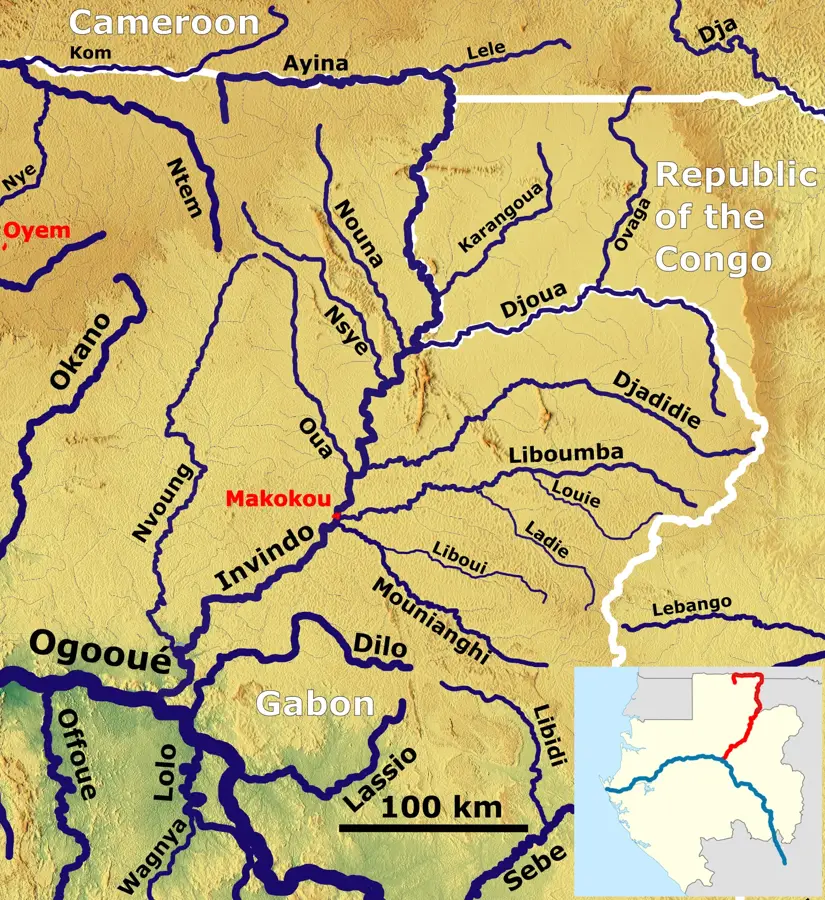
  • The Ogooué River forms the northern boundary of the protected area.

Explore nearby

Notable places around

Route planner — Car & Motorhome

Where do you start? We build the route here, with stops and country notes along the way.

Vehicle
Only stops with (optional):

© OpenStreetMap contributors · OpenRouteService

Sights nearby

Frequently asked questions

Why is Lopé National Park famous?
It is a UNESCO World Heritage site, known for its mix of savanna and rainforest and ancient petroglyphs.
How do you get from Libreville to the Lopé forest?
The best way is the night train (Transgabonais) from Libreville directly to the Lopé railway station.
What animals can be seen on a safari?
Mandrills (in huge groups), forest elephants, buffaloes, and various primate species.
When is the best time to visit Lopé?
The main dry season from June to September is well-suited for wildlife viewing in the savanna.
Are there archaeological sites in the park?
Yes, in the Ogooué valley within the park, there are rock carvings dating back over 1,500 years.
Lopé Forest: where is it located?
Lopé Forest is located in Gabon.
Lopé Forest: when is the best time to visit?
The most pleasant time to visit is Jun, Aug.
Lopé Forest: why is it worth visiting?

Lopé National Park is the oldest protected area in Gabon and was recognized as a UNESCO World Heritage site in 2007.
View on map → The Top 50 Attractions → OpenStreetMap →
Africa
Explore with Plizio Discover more places in Africa
More places in Gabon →

Nearby cities

History & landmarks

Nature
More places