Plizio Visual Lab
Lopé Archaeological Sites

Weather…
Water temperature…
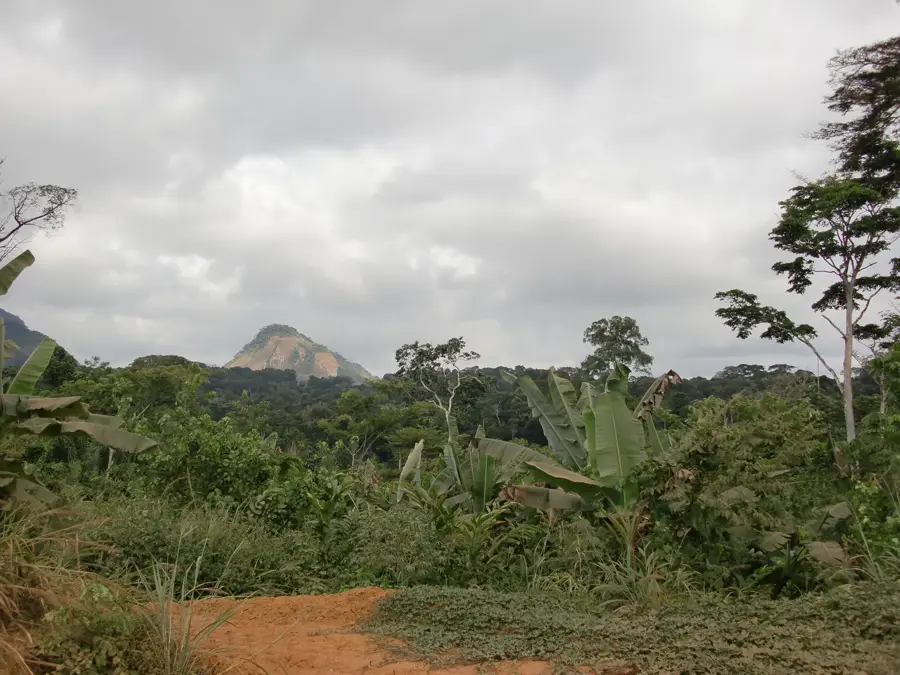
The archaeological sites of Lopé, located within the Lopé-Okanda National Park, offer exceptional testimony to human history in Central Africa and have been part of the UNESCO World Heritage since 2007. Findings confirm continuous human occupation over a period of approximately 400,000 years, making the site one of the continent's most significant archaeological complexes. Particularly noteworthy are the more than 1,800 petroglyphs (rock engravings) depicting hunting scenes and religious symbols, providing valuable insights into the cosmology of early cultures. Furthermore, remains of prehistoric iron-smelting furnaces have been discovered, proving the region was an early center of metallurgy in Africa. The unique landscape of savannas and rainforests in the Ogooué Valley served as a natural corridor for the migrations of Bantu peoples. Today, the sites are meticulously protected and offer researchers worldwide a unique platform to study the origins of civilization in the tropics.
- Location: Gabon
- Nearby: Booué (57 km)
Best time to visit & climate
The most pleasant time to visit is Jun–Aug.
| Jan | Feb | Mar | Apr | May | Jun | Jul | Aug | Sep | Oct | Nov | Dec | |
|---|---|---|---|---|---|---|---|---|---|---|---|---|
| Avg °C | 25 | 25 | 25 | 25 | 25 | 25 | 24 | 24 | 25 | 24 | 24 | 25 |
| Rain mm | 128 | 132 | 218 | 233 | 157 | 32 | 8 | 16 | 81 | 299 | 318 | 169 |
📋 Practical info
Geography
Facts
- Inscribed as a UNESCO World Heritage site in 2007
- Evidence of human habitation dating back 400,000 years
- Home to over 1,800 documented rock engravings (petroglyphs)
- Site of early iron-smelting furnaces from the first millennium BC
- Key migration route for Bantu expansion across Central Africa
- Gabon's only World Heritage site with a dual natural-cultural status
Explore nearby
Notable places around



Route planner — Car & Motorhome
Where do you start? We build the route here, with stops and country notes along the way.
© OpenStreetMap contributors · OpenRouteService
Sights nearby
Frequently asked questions
What makes Lopé so historically significant?
Is there a museum on site?
How old are the oldest finds?
Is photography allowed?
How much time should you plan?
Lopé Archaeological Sites: where is it located?
Lopé Archaeological Sites: when is the best time to visit?
Lopé Archaeological Sites: why is it worth visiting?

Nearby cities

History & landmarks
Nature
More places