Plizio Visual Lab
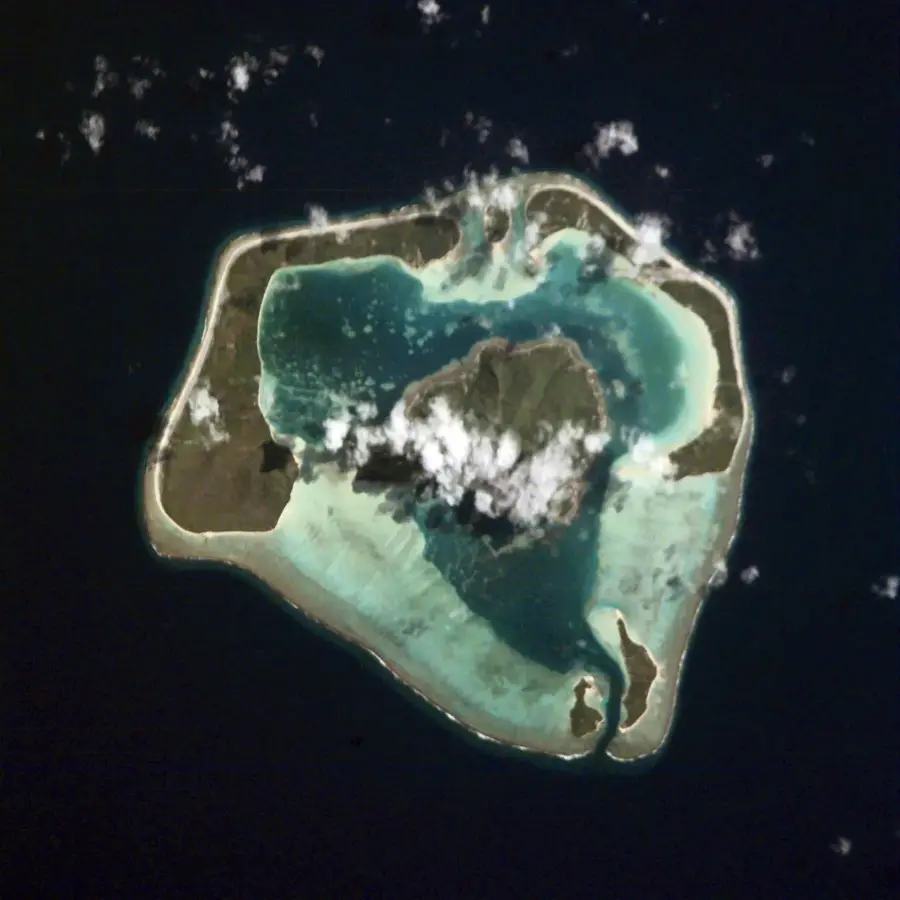
Maupiti Manta Ray Point
Weather…
Water temperature…
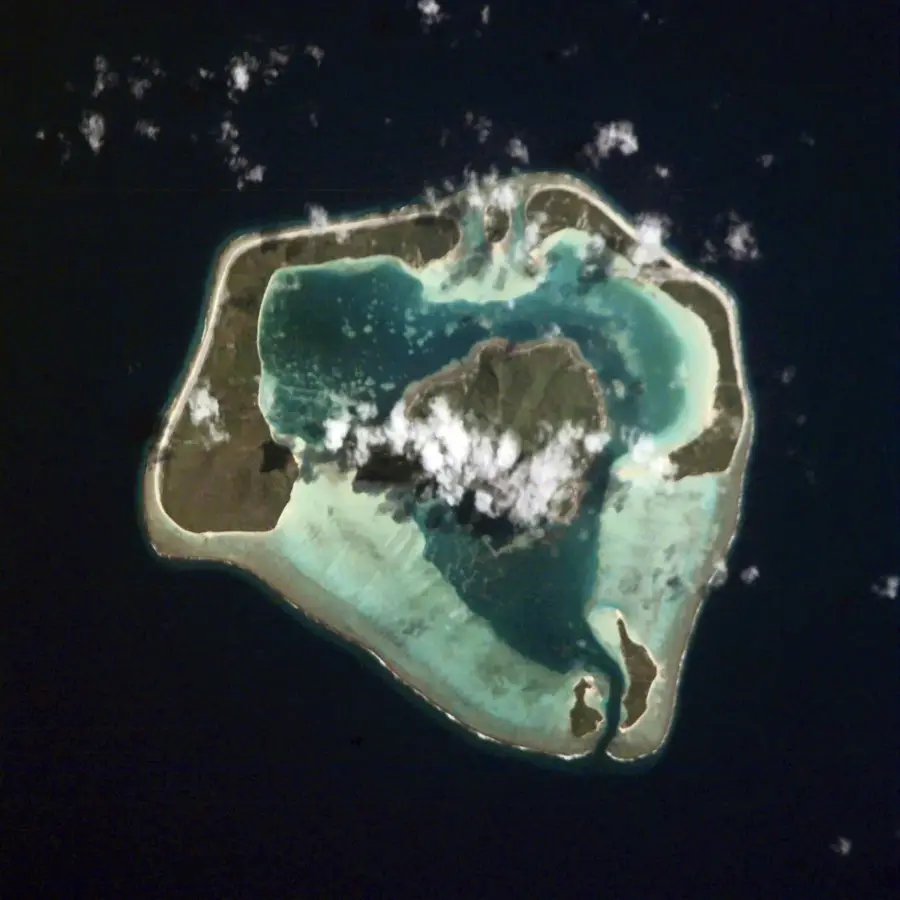
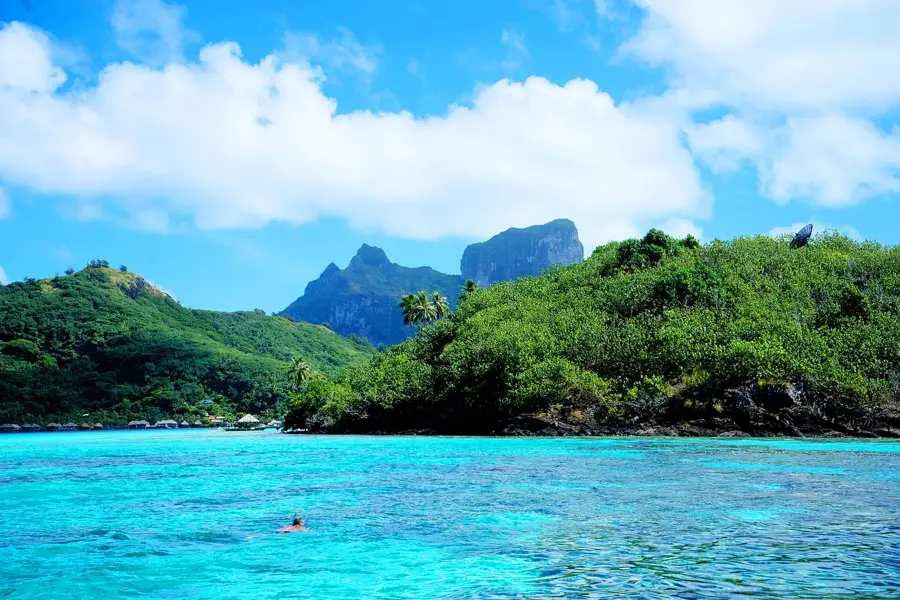
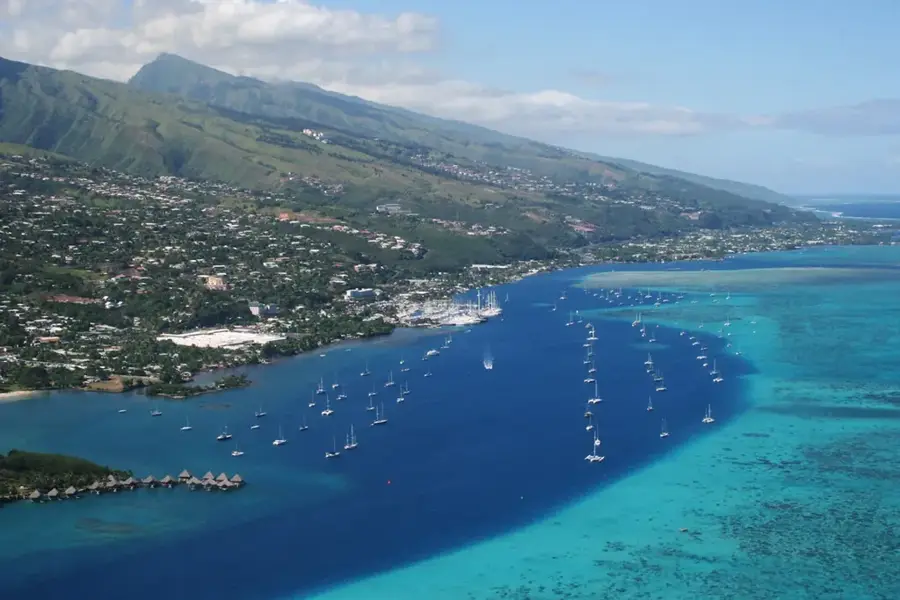
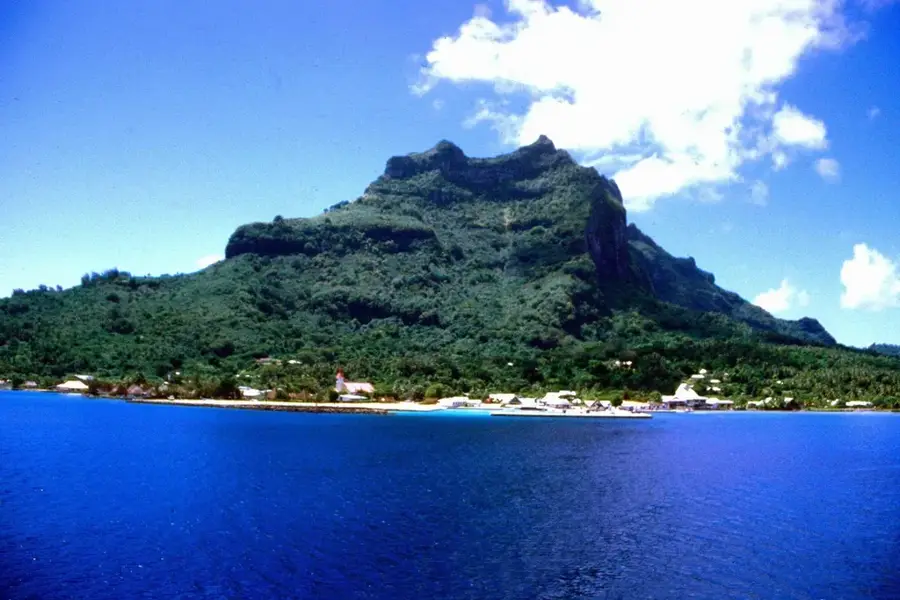
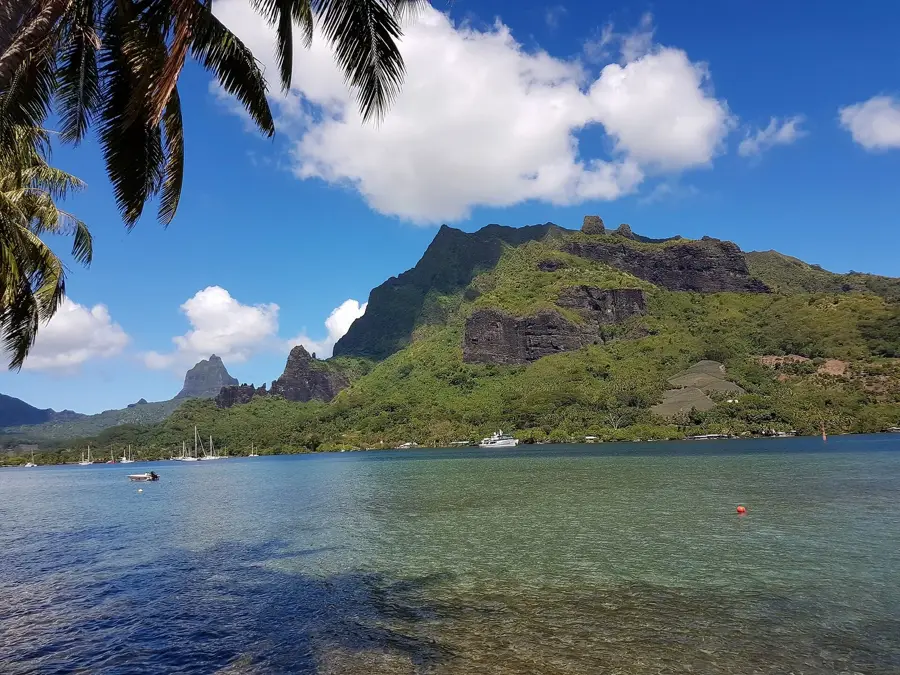
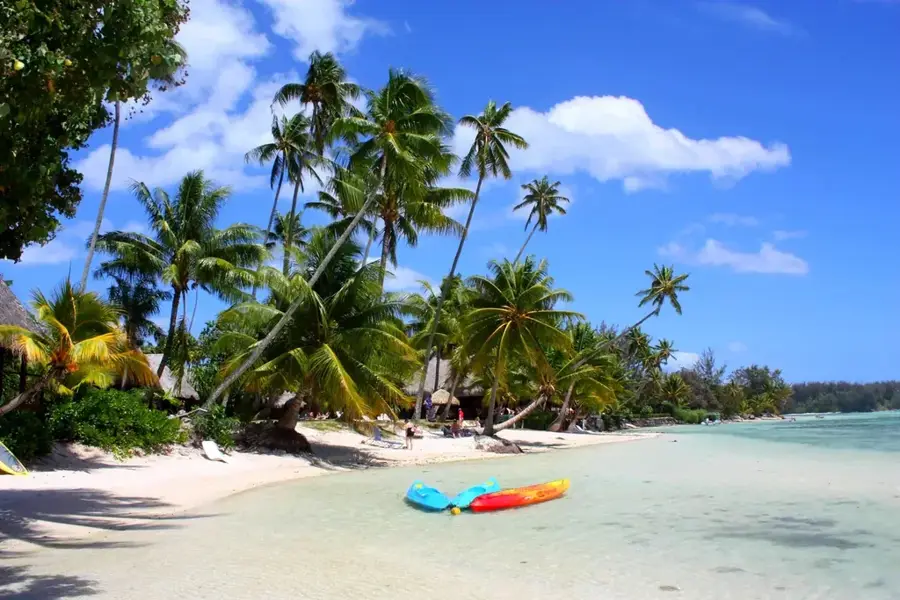
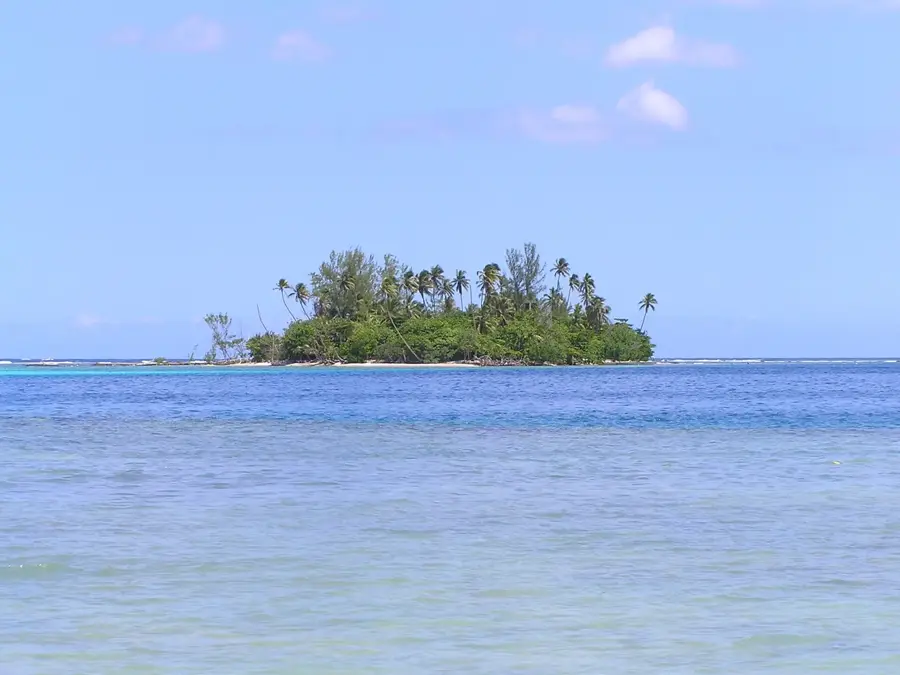
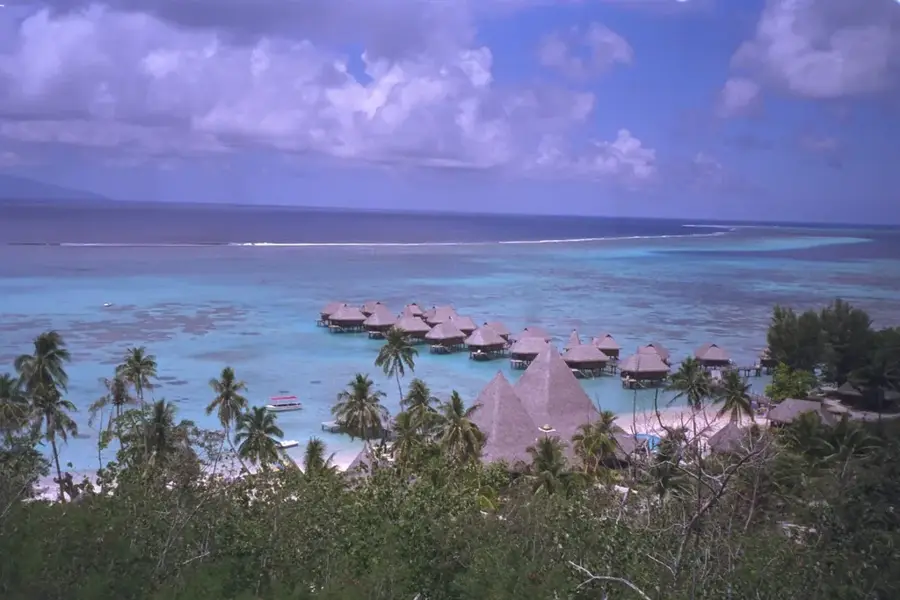
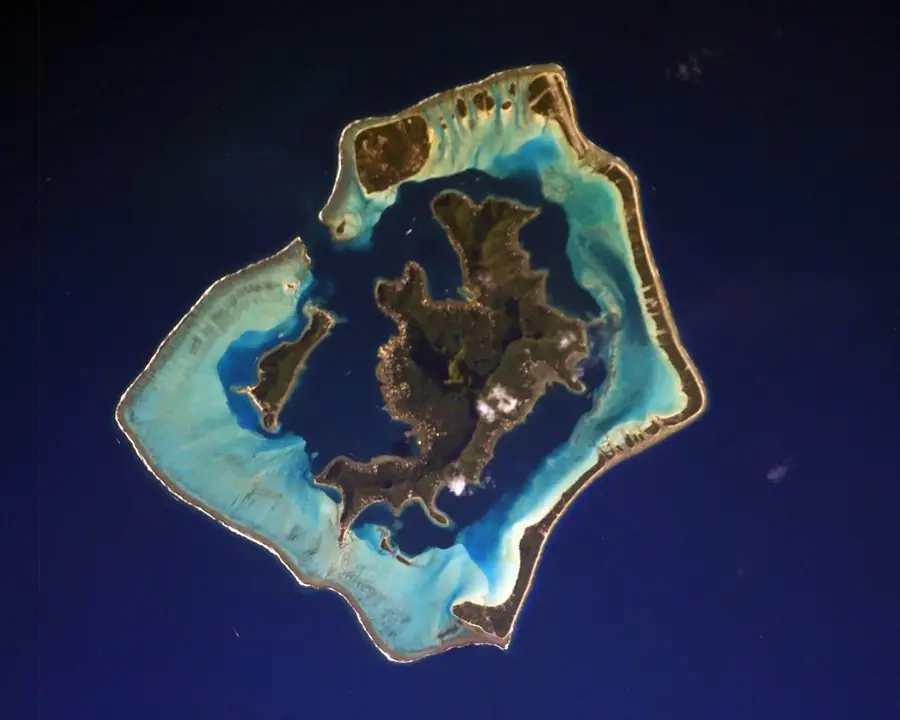
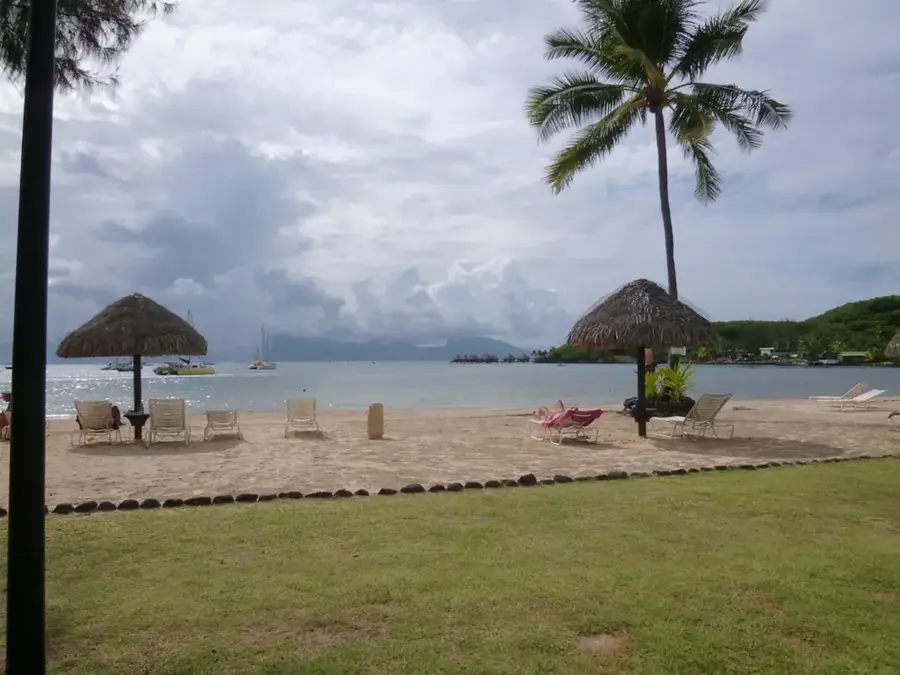
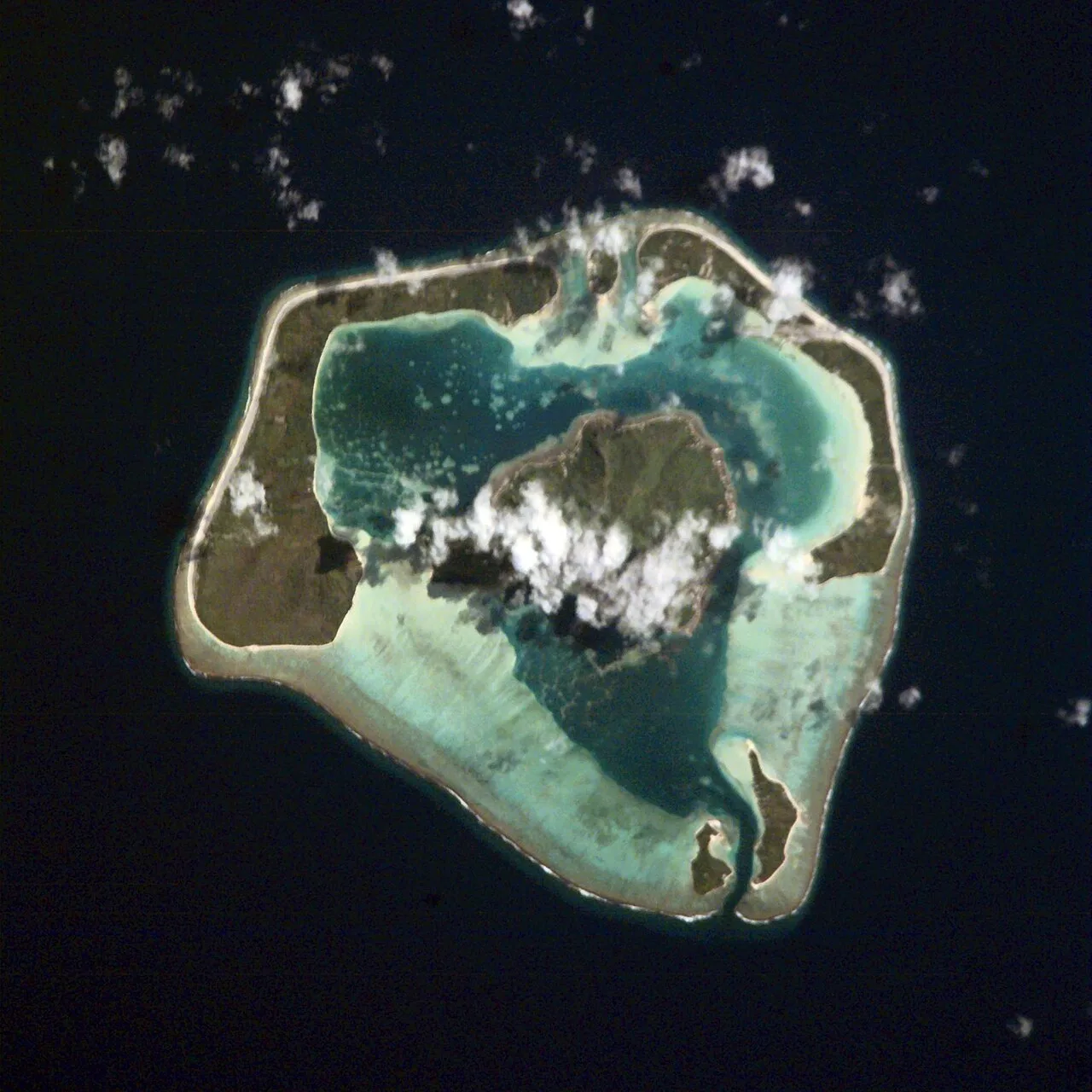
Maupiti's lagoon is world-renowned for its resident population of reef manta rays (Manta alfredi), offering an unparalleled opportunity for wildlife observation. The shallow, neon-blue waters contain specific coral heads that function as cleaning stations. Small cleaner wrasse inhabit these spots, picking parasites and dead skin off the rays as they hover in a near-trance-like state. Because these majestic creatures are year-round residents, sightings are remarkably consistent. Snorkelers can witness their graceful, underwater ballet from a respectful distance, provided they follow local conservation guidelines which strictly forbid touching or chasing the animals. The rays often approach curious observers if they remain still, creating a profound sense of connection between human and nature. This site is particularly valued for its accessibility, as the cleaning stations are located in relatively shallow areas, making the experience available to anyone with basic snorkeling skills.
- Location: French Polynesia
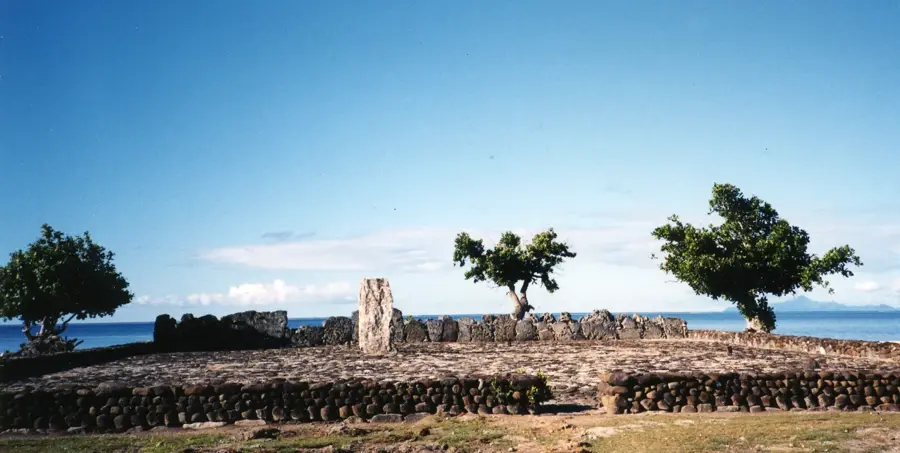
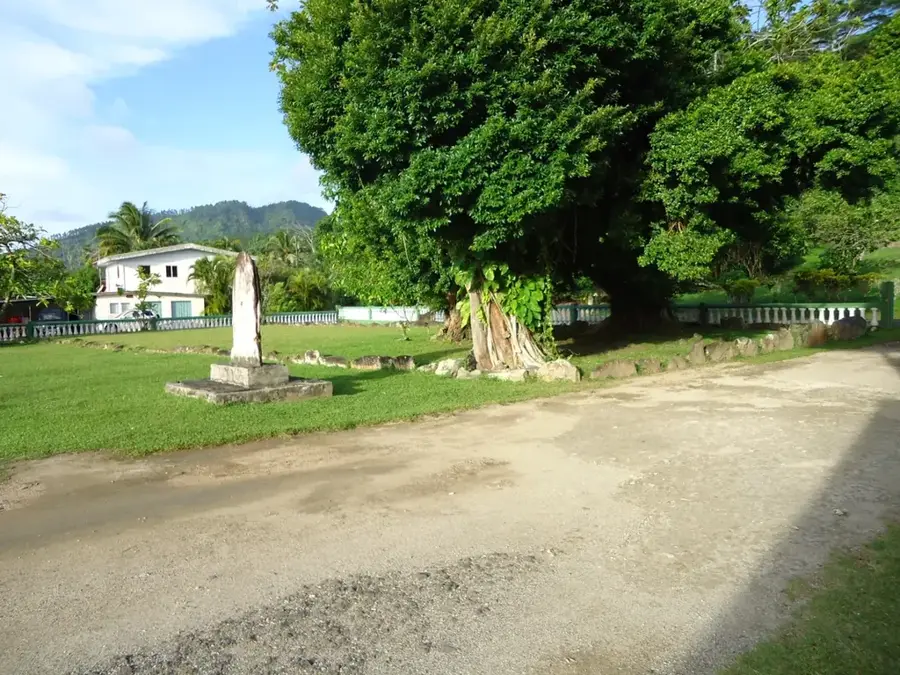
- Top sights: Temple protestant de Maupiti · Marae Vaiahu · Raies Manta
- Nearby: Vaitape (56 km)
Best time to visit & climate
The most pleasant time to visit is Jul–Sep.
| Jan | Feb | Mar | Apr | May | Jun | Jul | Aug | Sep | Oct | Nov | Dec | |
|---|---|---|---|---|---|---|---|---|---|---|---|---|
| Avg °C | 28 | 28 | 28 | 28 | 27 | 27 | 26 | 26 | 26 | 26 | 27 | 27 |
| Rain mm | 214 | 183 | 148 | 126 | 94 | 59 | 44 | 40 | 35 | 76 | 119 | 220 |
📋 Practical info
Geography
Facts
- Depth: 2-5 m (6.6-16.4 ft)
- Species: Reef manta (Manta alfredi)
- Protected since 2015
- Max wingspan: 4 m (13 ft)
- Max rays at once: 20
- Boat access only
Explore nearby
Notable places around

Route planner — Car & Motorhome
Where do you start? We build the route here, with stops and country notes along the way.
© OpenStreetMap contributors · OpenRouteService
Sights in the town Maupiti Manta Ray Point (10)
Sainte Bernadette⛪ church
Palais de la mer
raie Manta
Marae Toriri'i
Terei'a
Plage
Sights nearby
Frequently asked questions
When is the best time for manta rays in Maupiti?
How to get to the manta rays?
Is it safe to snorkel with mantas?
Do I need a diving license?
What should I keep in mind when photographing?
Maupiti Manta Ray Point: where is it located?
Maupiti Manta Ray Point: what is there to see?
Maupiti Manta Ray Point: when is the best time to visit?
Maupiti Manta Ray Point: why is it worth visiting?
Nearby cities

History & landmarks
Nature
More places