Plizio Visual Lab

Petit-Caux

Plizio editorial teamData Sources
City
—°165
Petit-Caux (France)
ℹ️

Practical info — Petit-Caux

🌤 Weather — 5 days

📍 Nearby

Sights nearby

💡 Tips

  • As Petit-Caux covers 18 different villages, having a car is highly recommended to explore its spread-out attractions.
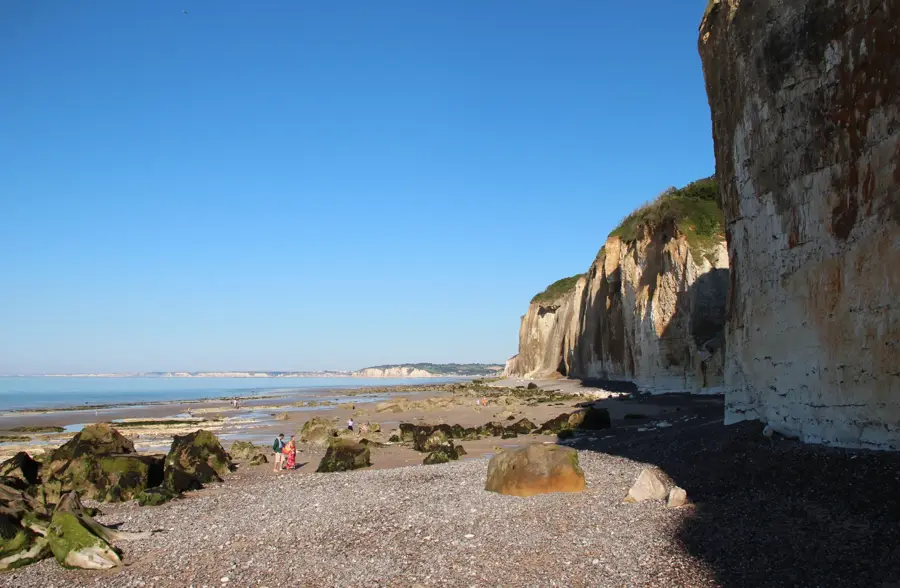
  • Check tide schedules before going down to the pebbly beaches, as the sea comes right up to the cliffs at high tide.
  • Look for the distinct valleys ('valleuses') that provide rare access paths down to the sea through the high cliffs.
  • Prepare for spotty mobile reception in some of the deeper coastal valleys.

🍽 Food

🍽
Fresh Seafood Platters

Enjoy platters of whelks, shrimp, and crab at brasseries in the coastal villages or nearby Dieppe.

🍽
Sole Meunière

A classic dish of fresh sole cooked in brown butter and lemon, widely available in traditional coastal restaurants.

🍽
Tarte Normande

Finish your meal with this traditional apple tart made with shortcrust pastry, apples, almonds, and a touch of Calvados.

🛍 Shopping · 🧘 Quiet spots

🛍
Farm Cider and Calvados

Look for signs on rural roads pointing to local farms ('Vente à la ferme') where you can buy authentic apple beverages.

🛍
Flax Products (Lin)

Normandy is a major producer of flax; you can find high-quality linen clothing and home goods in regional shops.

🧘
Valleuse de Biville

A spectacular, quiet gorge cutting through the cliffs, offering a secluded and dramatic descent to the sea.

🧘
Village of Penly

Wander the quiet streets of the historical part of the village, away from the modern installations.

Highlights of 2026

1

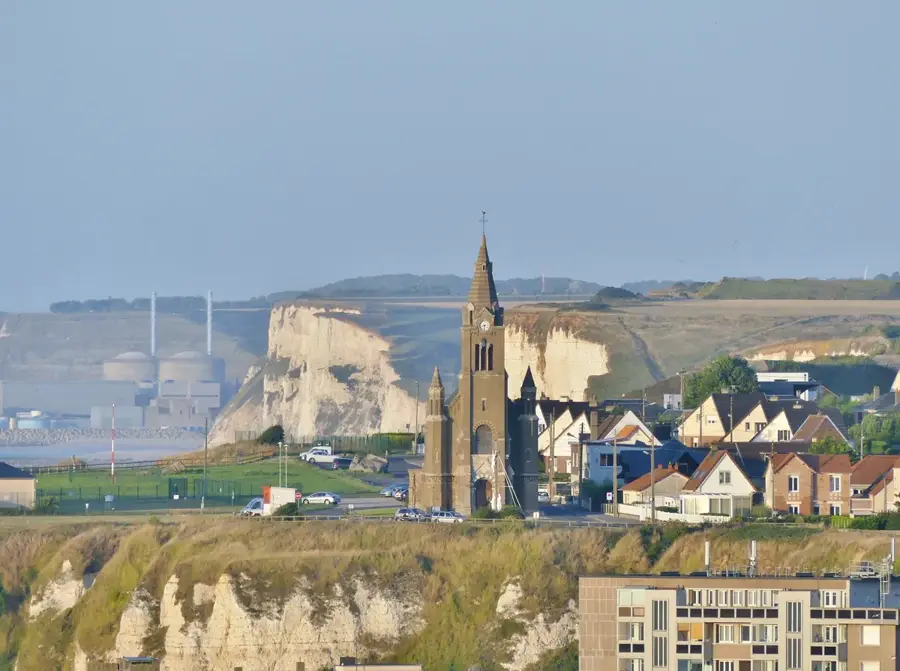
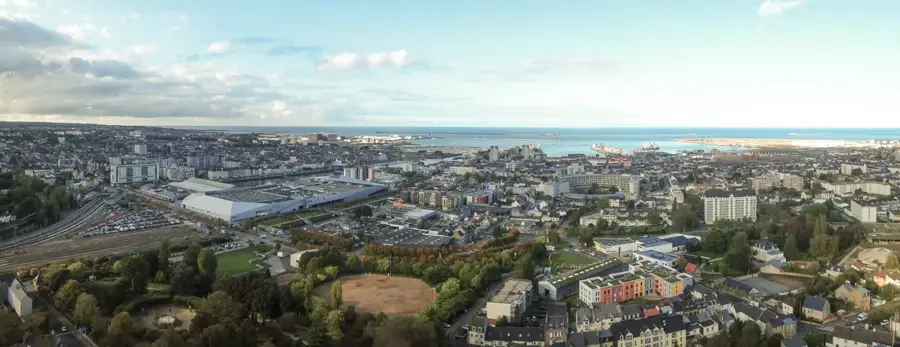
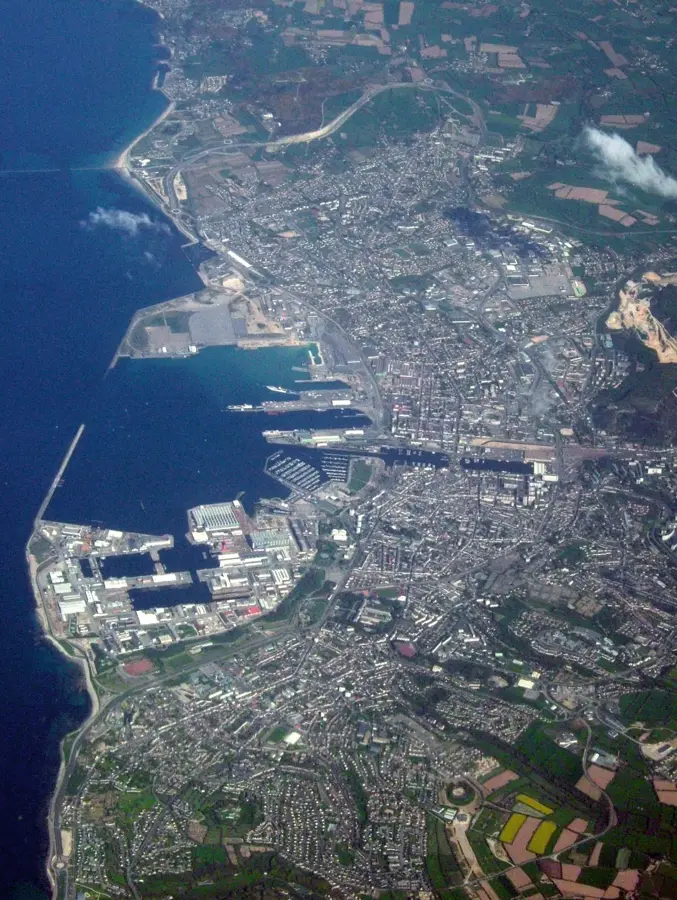
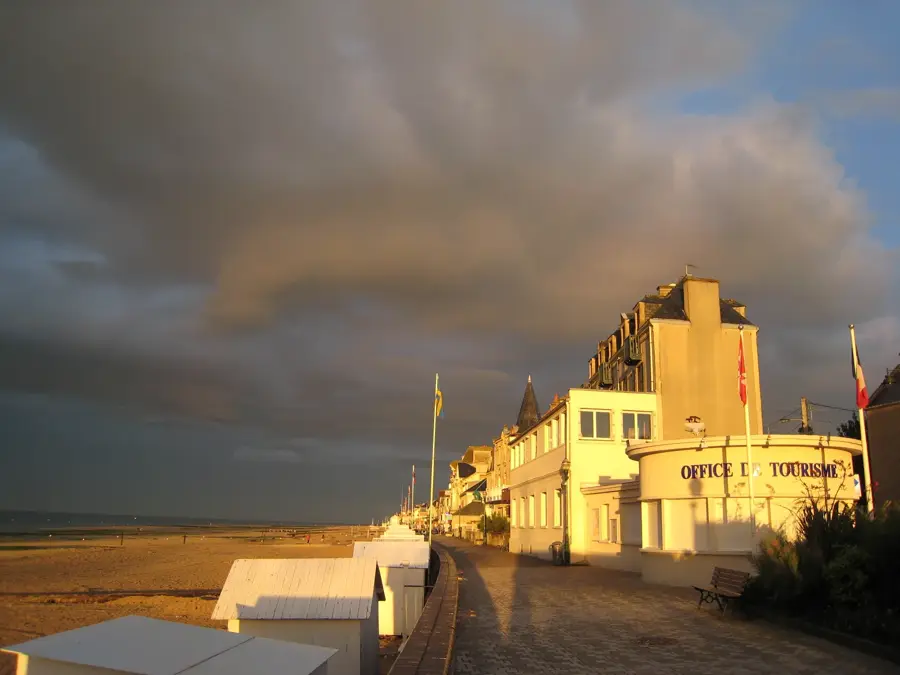
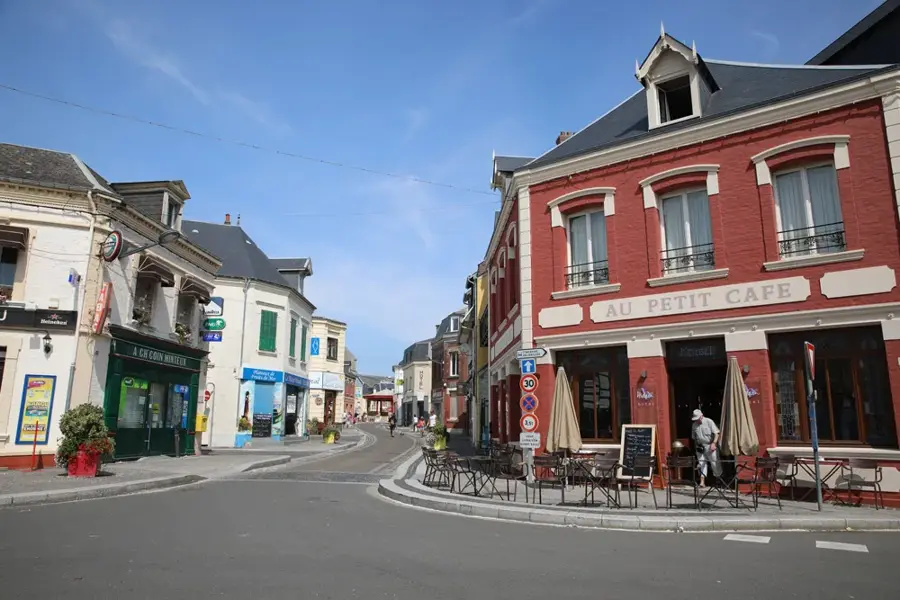
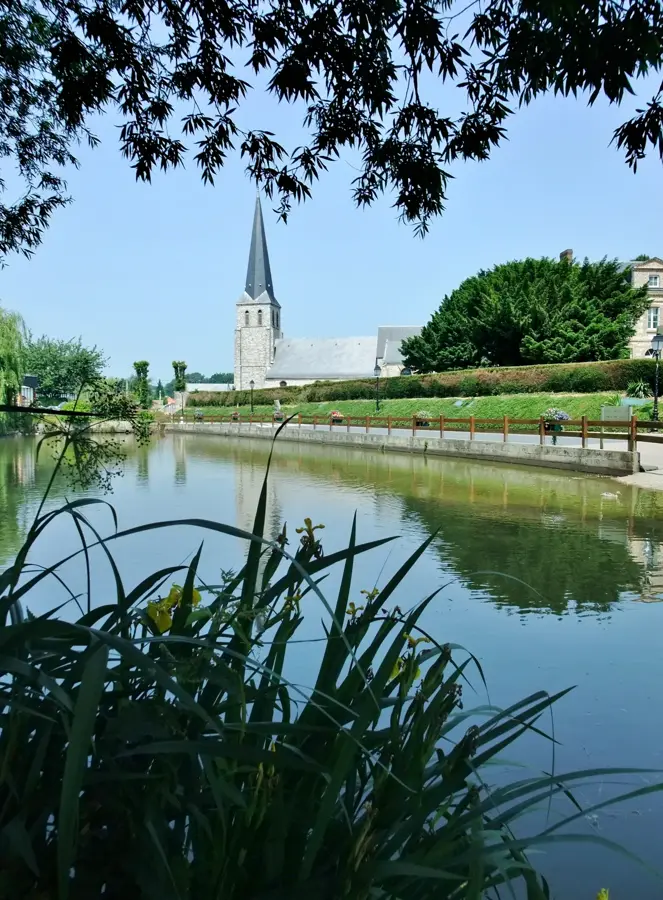
Petit-Caux is a prominent French 'commune nouvelle' established on January 1, 2016, in the Seine-Maritime department of Normandy. It was formed by the merger of 18 distinct villages, creating a large administrative area that stretches across the photogenic Alabaster Coast. The town is globally significant in the energy sector as it hosts the Penly nuclear power station, which is a major contributor to France's national power grid. Geographically, the area is defined by the high chalk cliffs and small valleys, known as 'valleuses', that provide the only access points to the pebble beaches below. The cultural heritage of Petit-Caux is diverse, encompassing everything from Romanesque and Gothic churches to sites associated with the 1942 Dieppe Raid during World War II. Its economy is a mix of high-tech energy production, traditional agriculture, and growing coastal tourism. Visitors are drawn to its extensive network of hiking trails, modern sports facilities like the Ludibio complex, and the unique charm of its numerous small hamlets, each offering a window into the timeless character of the Pays de Caux region.

Best time to visit & climate

The most pleasant time to visit is Jul–Sep.

JanFebMarAprMayJunJulAugSepOctNovDec
Avg °C557912151717151396
Rain mm766457436053607053829092

Geography

Population
1,029
Coordinates
49.95780, 1.22250

Facts

  • Petit-Caux was officially established on January 1, 2016.
  • The municipality is composed of 18 merged villages.
  • The total land area of the commune is 91.11 square kilometers.
  • It is the host location for the Penly nuclear power plant.
  • The coastline of Petit-Caux extends for over 10 kilometers.
  • The administrative seat is located in Saint-Martin-en-Campagne.

Explore nearby

Notable places around

Route planner — Car & Motorhome

Where do you start? We build the route here, with stops and country notes along the way.

Vehicle
Only stops with (optional):

© OpenStreetMap contributors · OpenRouteService

Sights in the town Petit-Caux (6)

Penly Nuclear Power Plant🏺 historical

One of France's major nuclear facilities, its massive scale forms a landmark on the coastline of Petit-Caux.

Berneval-le-Grand Beach🌿 nature

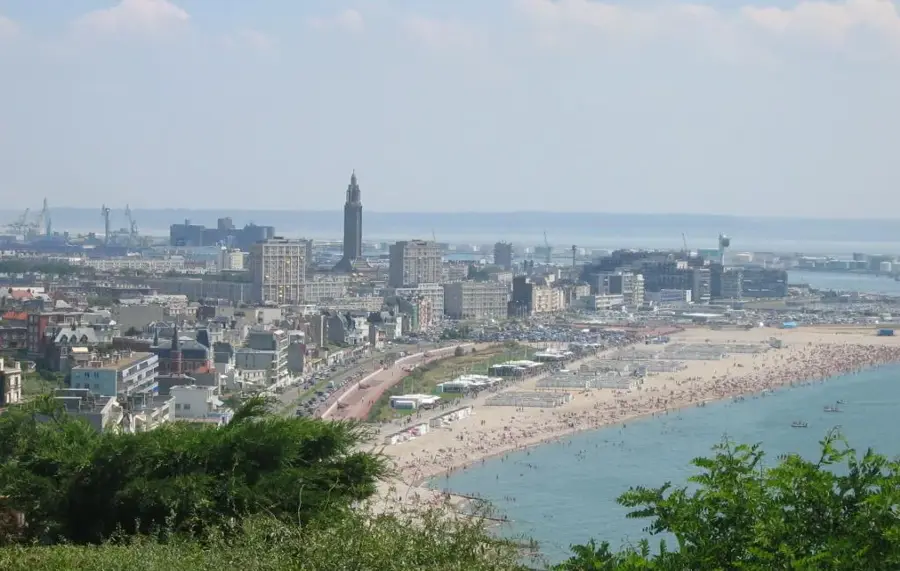
Framed by striking white chalk cliffs, the beach of Berneval-le-Grand in Petit Caux is a profoundly historical shoreline. The area maintains a quiet, respectful atmosphere where the dramatic coastal geology meets memories of the 1942 Operation Jubilee. Walking along the pebbles and sand provides visitors a chance to reflect while enjoying the raw coastal beauty. Sturdy walking shoes are recommended to explore the rugged shores comfortably.

Belleville-sur-Mer Valley🌿 nature

A scenic valley leading down to the shore, offering hikers panoramic views of the Alabaster Coast cliffs.

Musée d’Histoire de la Vie Quotidienne🏛 museum

The Musée d’Histoire de la Vie Quotidienne is a museum exploring everyday history in Petit-Caux.

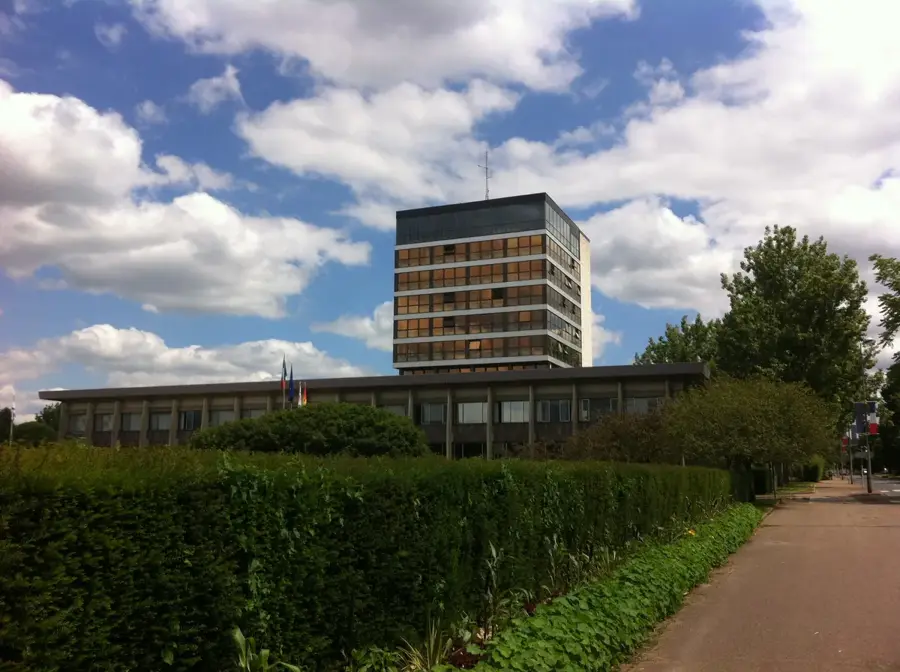
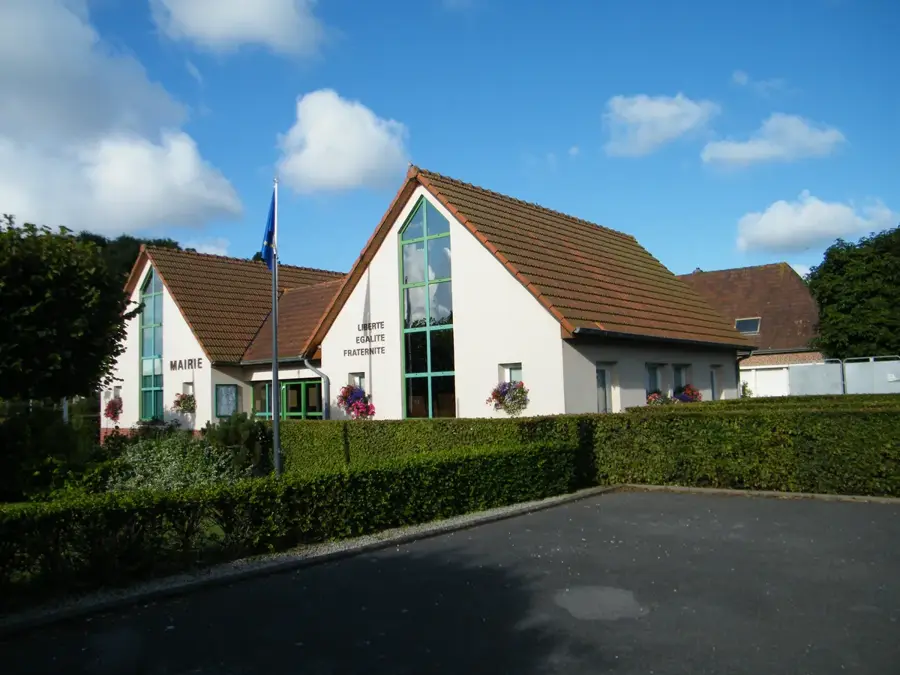
Mairie déléguée de Penly📍 landmark

The Mairie déléguée de Penly serves as a municipal town hall building in Petit-Caux.

🕒 Mo 14:00-17:30; Tu 08:30-12:00; We 09:00-11:00; Th 14:00-17:

Église Saint-Denis⛪ religious

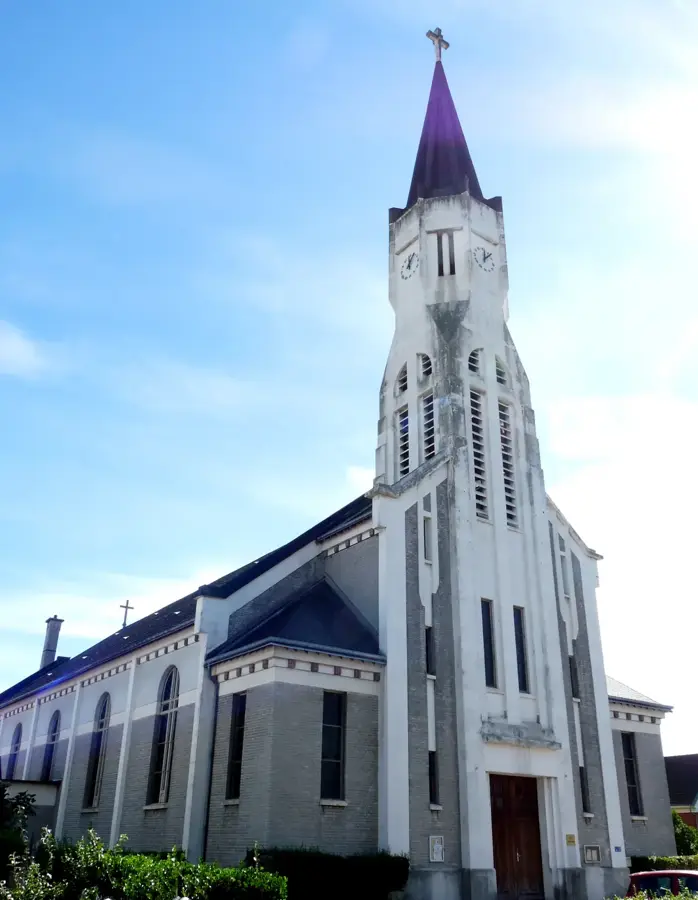
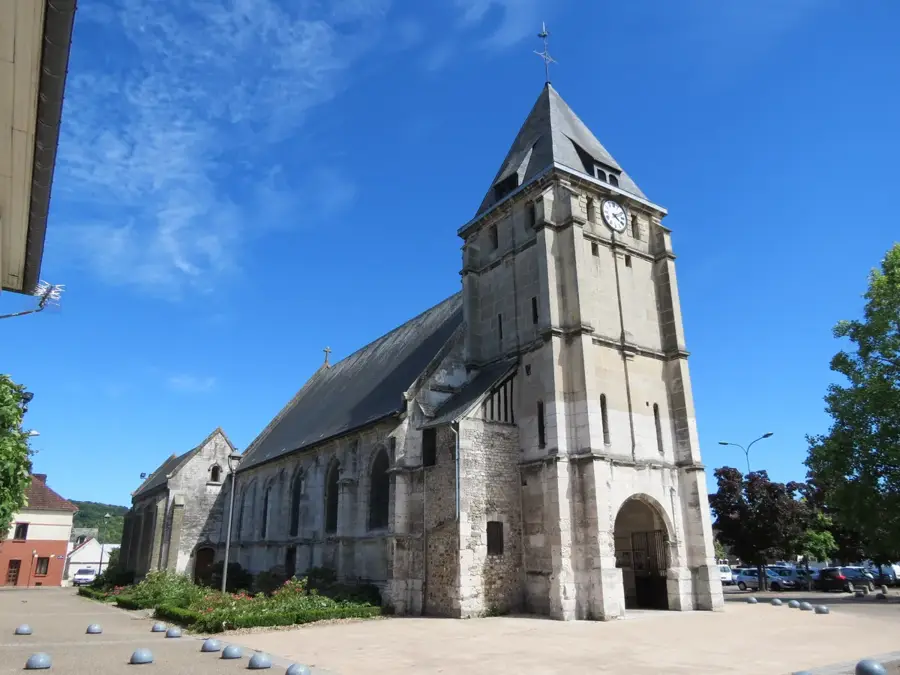
The Église Saint-Denis is a local place of worship located in Petit-Caux.

Frequently asked questions

What is Petit-Caux?
It is a new commune created in 2016 by the merger of 18 villages.
What beaches are there in Petit-Caux?
The most famous are the beaches of Berneval-le-Grand and Saint-Martin-en-Campagne.
What activities can be done in nature?
Hike on the GR 21 coastal path and enjoy the view of the chalk cliffs.
Are there archaeological sites there?
Yes, in Bracquemont there are remains of a Gallic oppidum called 'Cité de Limes'.
How far is it to Dieppe?
The city of Dieppe is about 10-15 km west, depending on which village you start from.
Petit-Caux: where is it located?
Petit-Caux is located in Normandie, France.
Petit-Caux: what is there to see?
Highlights include Penly Nuclear Power Plant, Berneval-le-Grand Beach, Belleville-sur-Mer Valley.
Petit-Caux: when is the best time to visit?
The most pleasant time to visit is Jul, Sep.
Petit-Caux: why is it worth visiting?
Petit-Caux is a prominent French 'commune nouvelle' established on January 1, 2016, in the Seine-Maritime department of Normandy.
View on map → The Top 50 Attractions → Most beautiful beaches → OpenStreetMap →
Europe
Explore with Plizio Discover more places in Europe
More places in France →

Nearby cities