Plizio Visual Lab
Lower Valley of the Omo

Weather…
Water temperature…
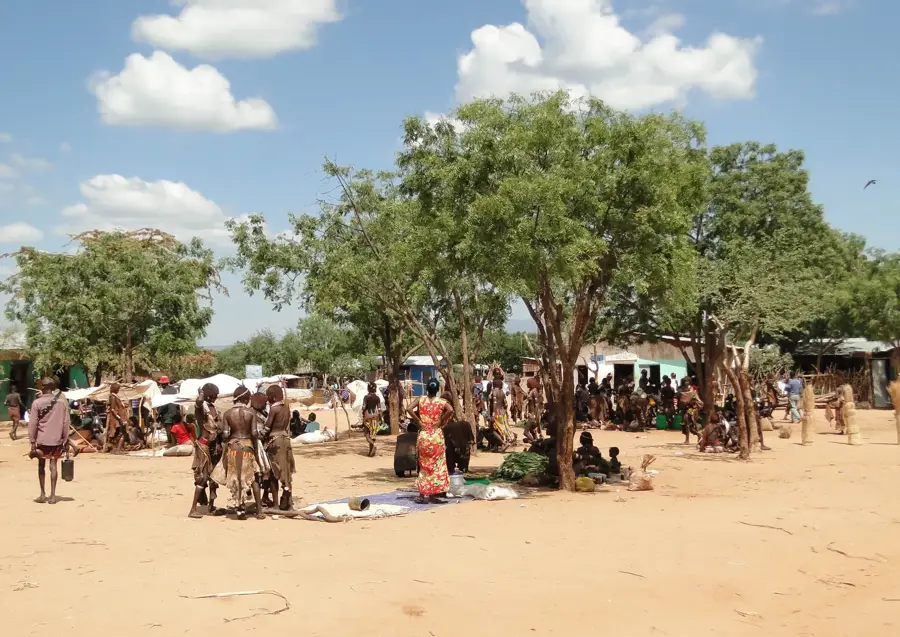
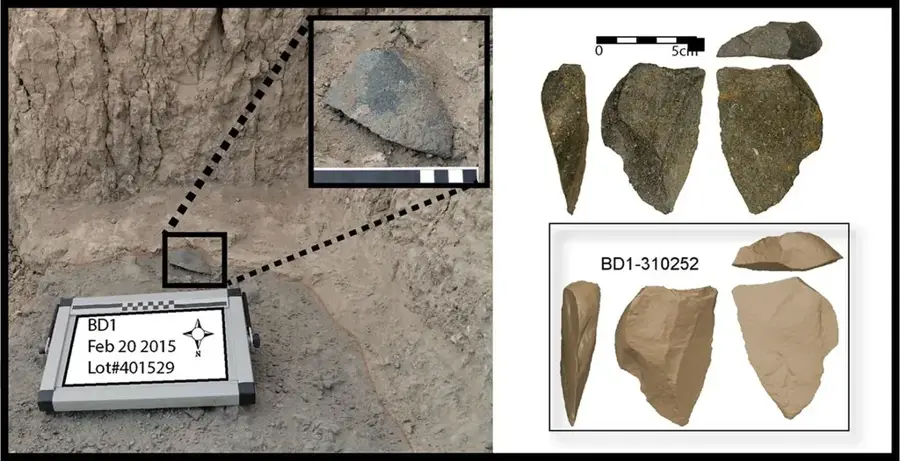
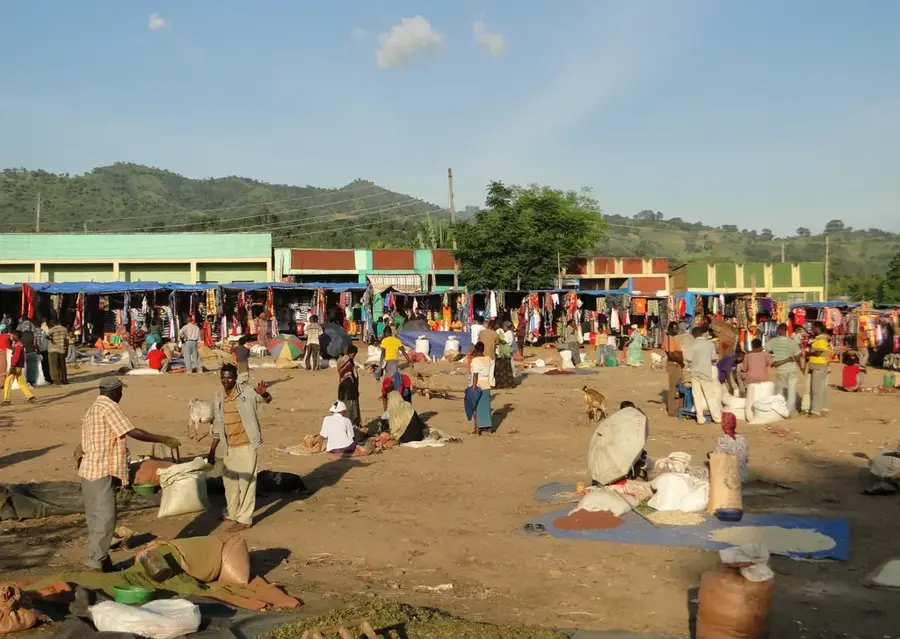
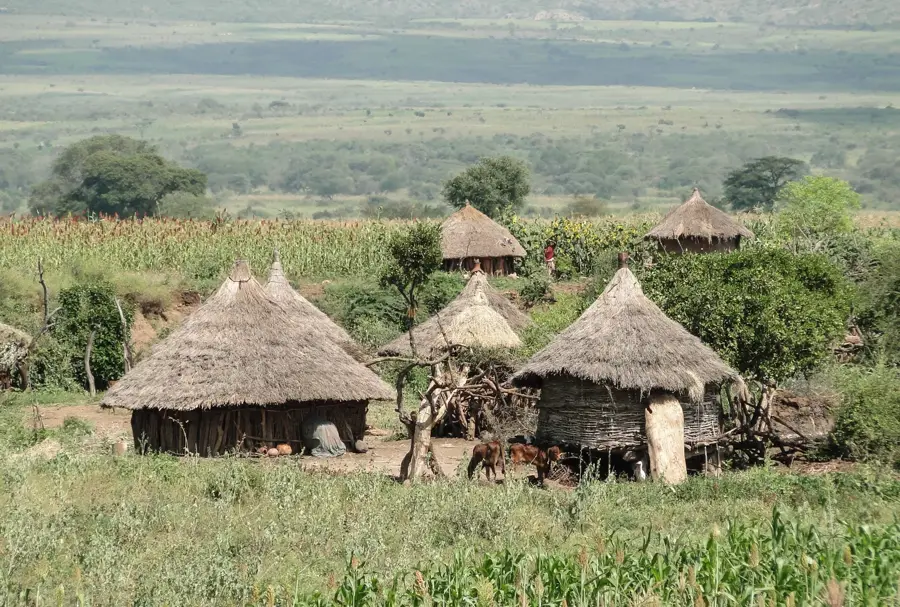
The Lower Valley of the Omo in southwestern Ethiopia is a region of immense global scientific significance, particularly in the fields of paleontology and anthropology. It is home to some of the oldest known remains of anatomically modern humans (Homo sapiens), specifically the Omo I and Omo II fossils, which are dated to approximately 195,000 years ago. The valley provides a continuous geological record that has preserved hominid fossils spanning nearly four million years of evolutionary history. Beyond human ancestors, researchers have unearthed numerous fossils of extinct fauna and primitive stone tools, documenting the dawn of human technological development. The Omo Valley is also renowned for its extraordinary cultural diversity, inhabited by various ethnic groups who maintain ancient traditions to this day. Discoveries in this region were instrumental in confirming Africa as the 'cradle of humankind.' The Lower Valley of the Omo was designated a UNESCO World Heritage Site in 1980.
- Location: Ethiopia
- Top sights: Omorate · Omo remains · Omo Kibish Formation
Best time to visit & climate
The most pleasant time to visit is Jun–Aug.
| Jan | Feb | Mar | Apr | May | Jun | Jul | Aug | Sep | Oct | Nov | Dec | |
|---|---|---|---|---|---|---|---|---|---|---|---|---|
| Avg °C | 29 | 31 | 30 | 28 | 27 | 27 | 27 | 27 | 29 | 28 | 28 | 28 |
| Rain mm | 22 | 18 | 81 | 155 | 77 | 33 | 35 | 39 | 36 | 84 | 71 | 60 |
📋 Practical info
Geography
Facts
- The Omo I and II fossils were discovered in 1967 by a team led by Richard Leakey.
- The age of the Omo fossils is estimated to be between 195,000 and 200,000 years old.
- The Kibish Formation in the Omo Valley is the primary source of Homo sapiens remains.
- Over 50,000 vertebrate fossils have been cataloged in the region so far.
- Geological deposits in the valley stretch back nearly 4 million years.
- The region was officially added to the UNESCO World Heritage List in 1980.
Explore nearby
Notable places around




Route planner — Car & Motorhome
Where do you start? We build the route here, with stops and country notes along the way.
© OpenStreetMap contributors · OpenRouteService
Sights in the town Lower Valley of the Omo (3)
Sights nearby
Frequently asked questions
When is the best time for an Omo Valley expedition?
Do I need a permit for the Omo Valley?
How should I behave when visiting local tribes?
What equipment do I need for the Omo Valley?
Is there a malaria risk in this region?
Lower Valley of the Omo: where is it located?
Lower Valley of the Omo: what is there to see?
Lower Valley of the Omo: when is the best time to visit?
Lower Valley of the Omo: why is it worth visiting?

Nearby cities
History & landmarks
Nature
More places