Plizio Visual Lab
Konso
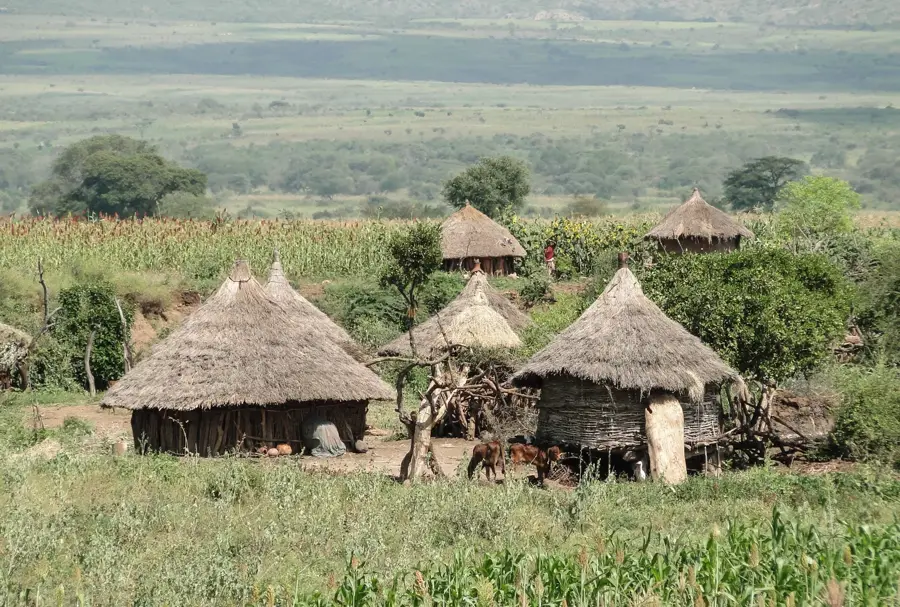
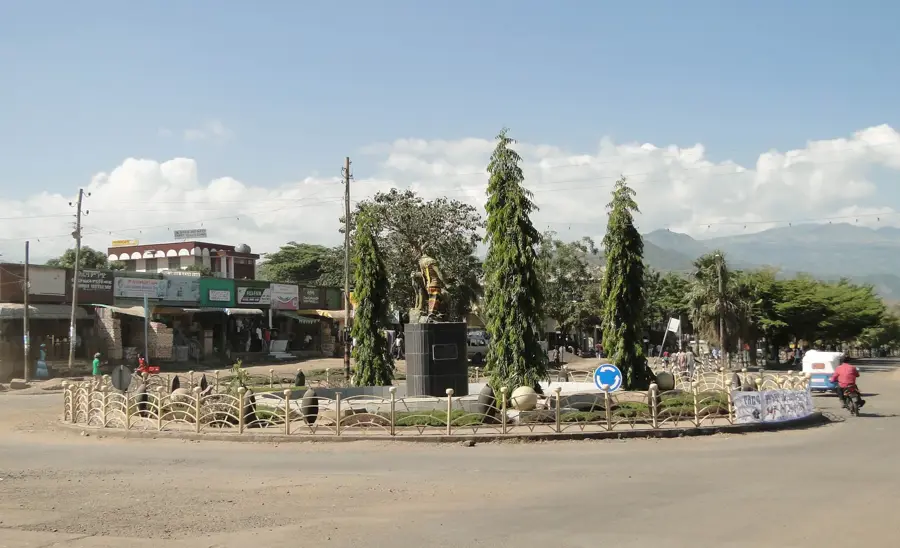
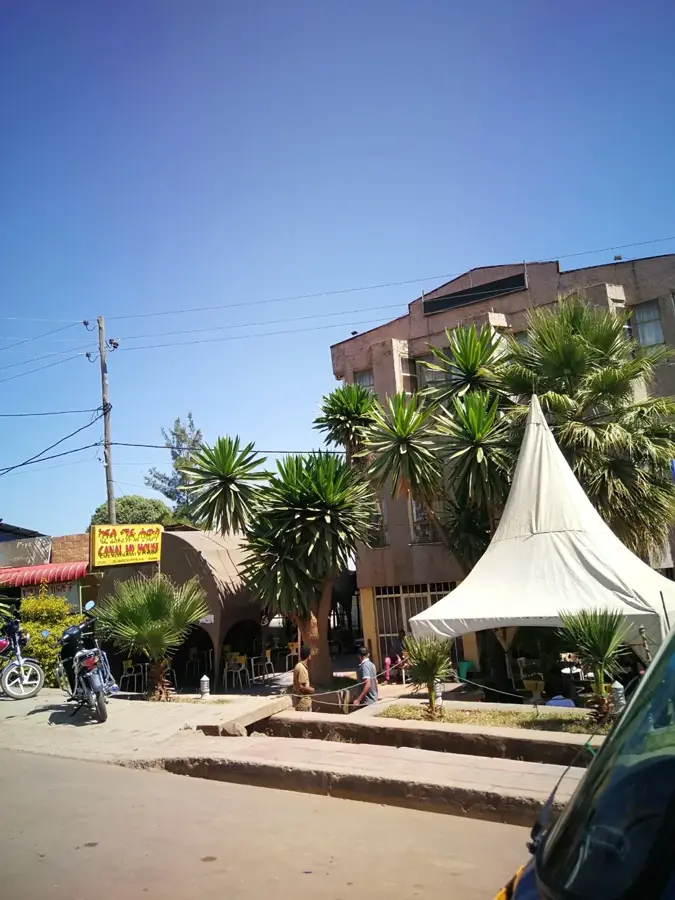
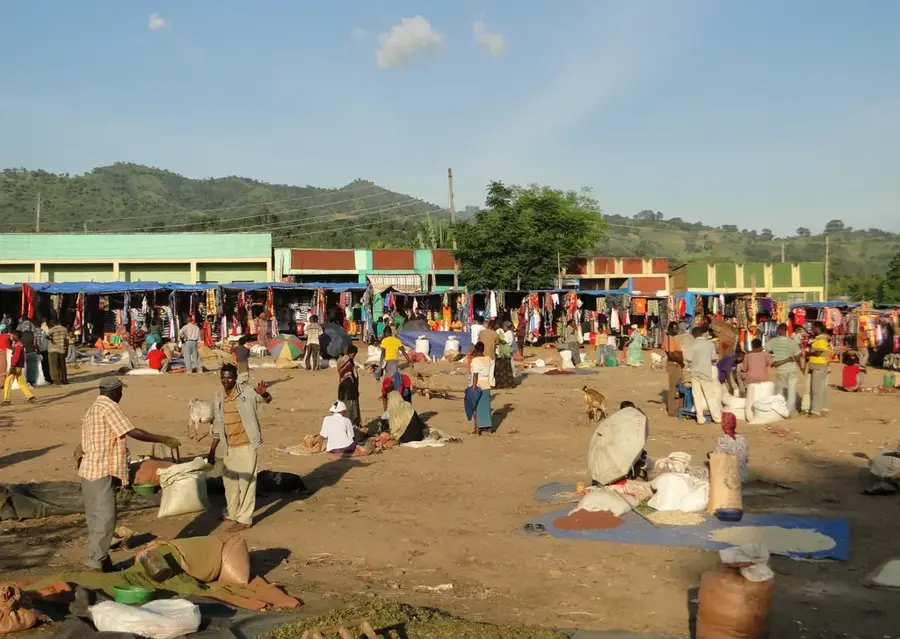
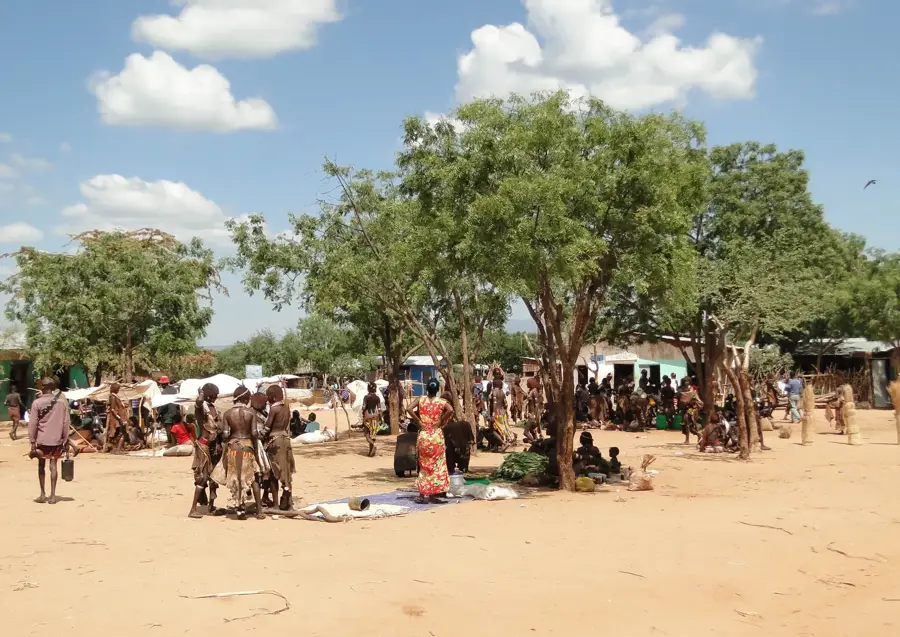
Konso is a remarkable cultural destination in southern Ethiopia, recognized as a UNESCO World Heritage site for its highly organized, terraced agricultural landscapes. Visitors travel here to immerse themselves in the deep-rooted traditions of the Konso people, who have masterfully adapted to the harsh, dry environment over centuries. The ingenuity of their engineering is visible in every stone wall and terraced hill. The area is characterized by fortified villages, known as paletas, which are densely packed and labyrinthine, constructed with impressive basalt rock walls. A unique cultural feature is the 'waga', intricately carved wooden statues erected in memory of deceased heroes. The local agriculture yields sorghum and maize, which form the basis of the local diet, often accompanied by strong homemade sorghum beer called 'chaka'. Konso is typically reached by road from the city of Arba Minch, about a two-hour drive away, making it a great stop on a tour of the Omo Valley. The climate is generally hot and dry year-round, but the best time to explore the stone villages and lively weekly markets is during the cooler dry season from June to September.
- Location: Ethiopia
- Top sights: Closed, no Museum (April2023) · King of the Konso
- Nearby: Arba Minch (62 km)
- Population: ~4.593 (2024)
📋 Practical info
Geography
Facts
- UNESCO World Heritage cultural landscape.
- Famous for intricate stone terracing.
- Villages are traditionally fortified.
- Erects wooden 'waga' statues for heroes.
- People are highly skilled agriculturalists.
- Located in the Southern Nations region.
- Traditional communal houses called 'mora'.
- Known for a local sorghum beer called chaka.
Explore nearby
Notable places around


Route planner — Car & Motorhome
Where do you start? We build the route here, with stops and country notes along the way.
© OpenStreetMap contributors · OpenRouteService
Sights in the town Konso (2)
Sights nearby
Frequently asked questions
Konso: where is it located?
Konso: what is there to see?
Konso: why is it worth visiting?

Nearby cities
History & landmarks
Nature
More places