Plizio Visual Lab
Konso Cultural Landscape
Weather…
Water temperature…
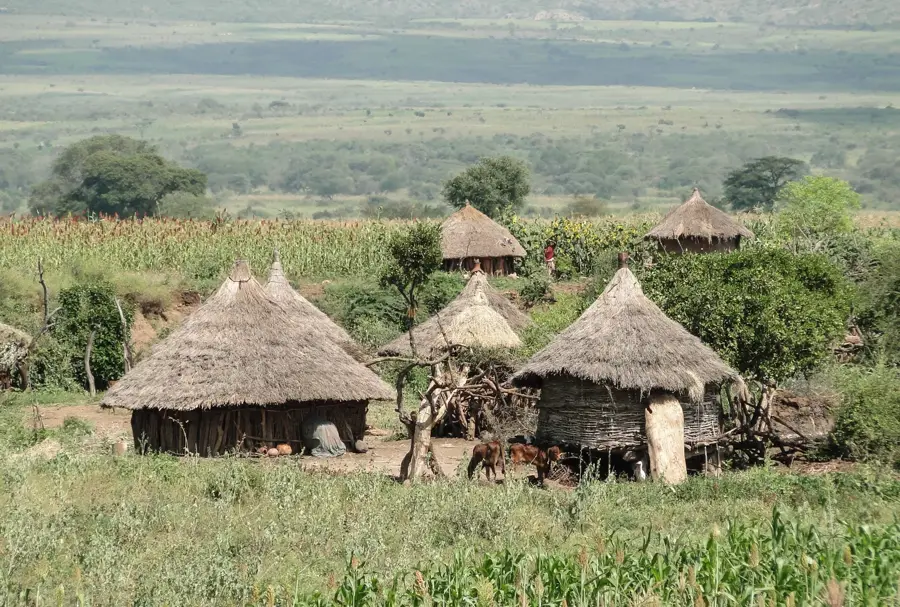
The Konso Cultural Landscape in the Ethiopian highlands is an outstanding example of human adaptation to a harsh and dry environment. The region is characterized by massive dry-stone terraces built by the Konso people over centuries to prevent soil erosion and manage rainwater for agriculture. These terraces, some reaching up to five meters in height, cover entire hillsides and represent a monumental engineering feat. Another key feature is the system of fortified settlements, known as 'paletas,' built on hilltops for defense and enclosed by multiple concentric stone walls. Within the villages, one can find 'wakas,' carved wooden statues erected to honor deceased heroes and leaders. The Konso society is organized through a complex social system that remains deeply integrated with the management of the landscape. This living tradition was inscribed on the UNESCO World Heritage List in 2011, recognizing its unique blend of engineering, social structure, and cultural identity.
- Location: Ethiopia
- Nearby: Arba Minch (70 km)
📋 Practical info
Geography
Facts
- The stone terraces of Konso have been constructed over a period of more than 400 years.
- Defensive walls surrounding the fortified villages (paletas) can be up to 5 meters high.
- Carved wooden statues called 'wakas' are erected to honor the memory of great warriors.
- Each village features a 'mora,' a traditional grass-roofed community meeting hall.
- Stone generation markers called 'olahita' are used to document the passage of time.
- The Konso Cultural Landscape was inscribed as a UNESCO World Heritage Site in 2011.
Explore nearby
Notable places around
Route planner — Car & Motorhome
Where do you start? We build the route here, with stops and country notes along the way.
© OpenStreetMap contributors · OpenRouteService
Sights nearby
Frequently asked questions
What is special about the Konso cultural landscape?
Can one freely enter the Konso settlements?
How long does a visit to Konso take?
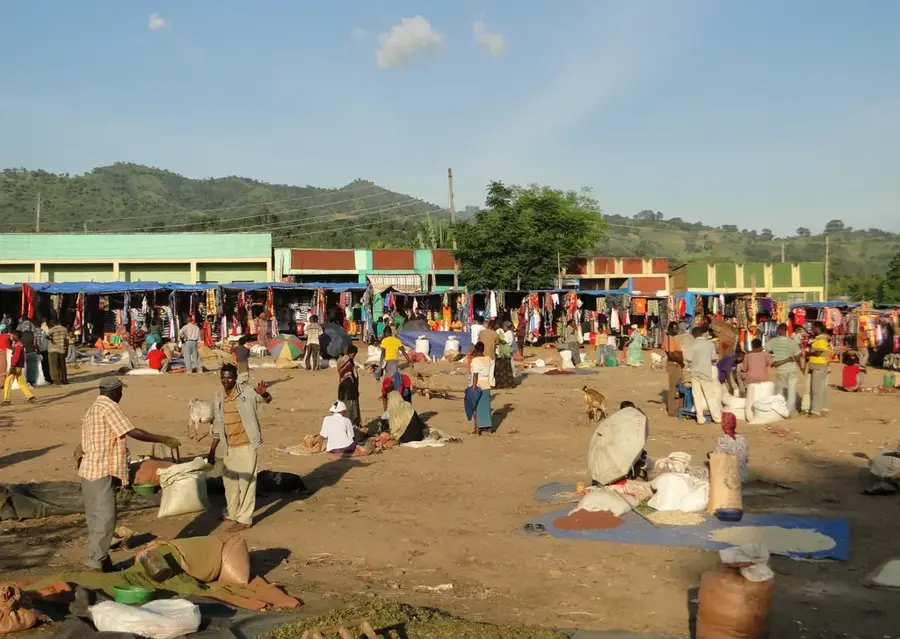
Are there local craft markets?
Is the region suitable for hiking?
Konso Cultural Landscape: where is it located?
Konso Cultural Landscape: why is it worth visiting?

Nearby cities
History & landmarks
Nature
More places