Plizio Visual Lab

Omo River
Plizio editorial teamData Sources
River
—°
Omo River (Ethiopia)

Weather…

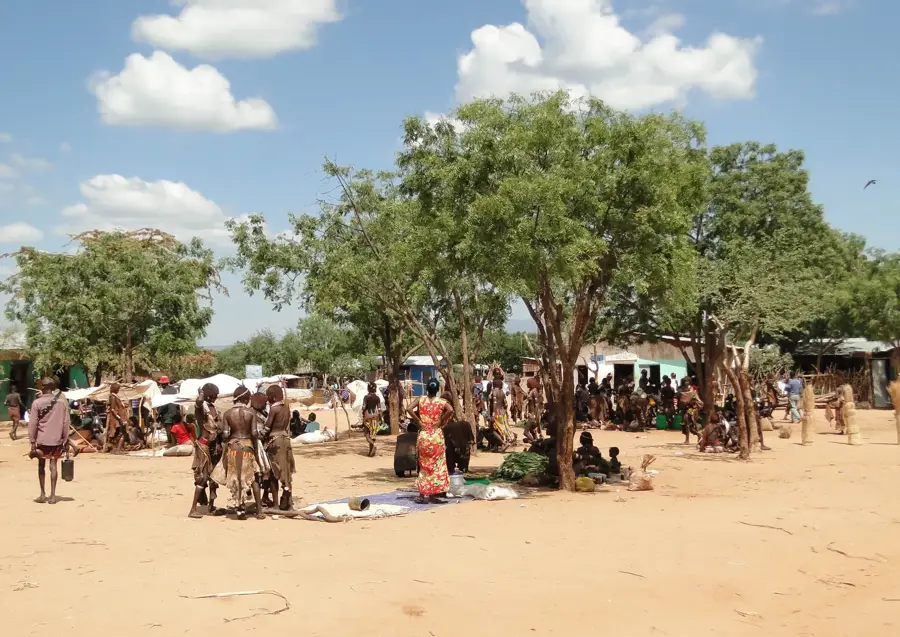
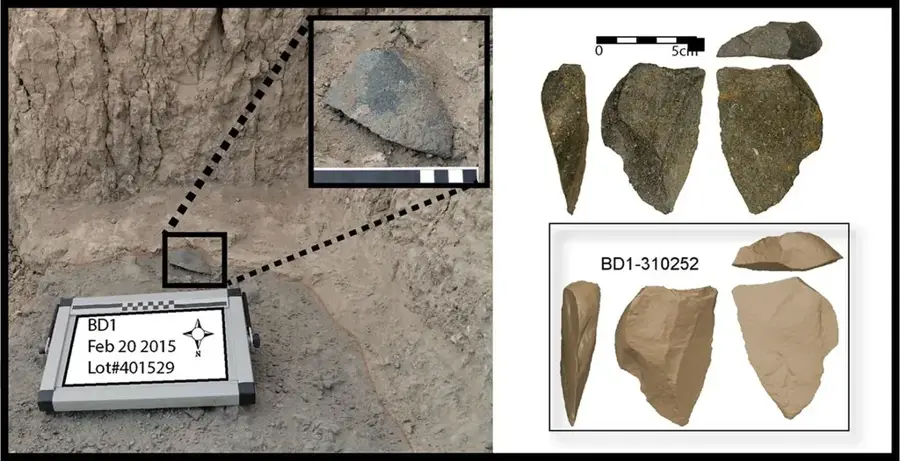
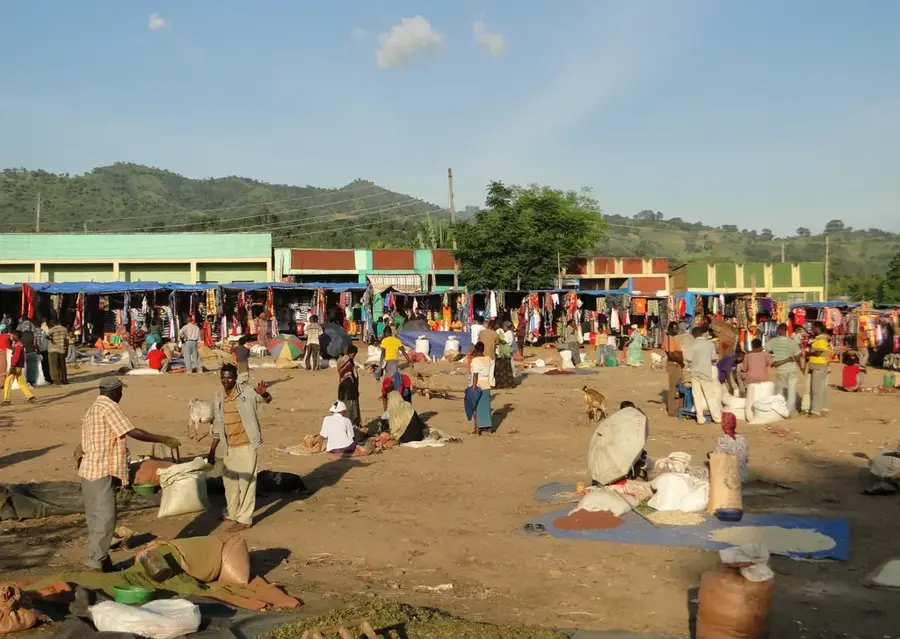
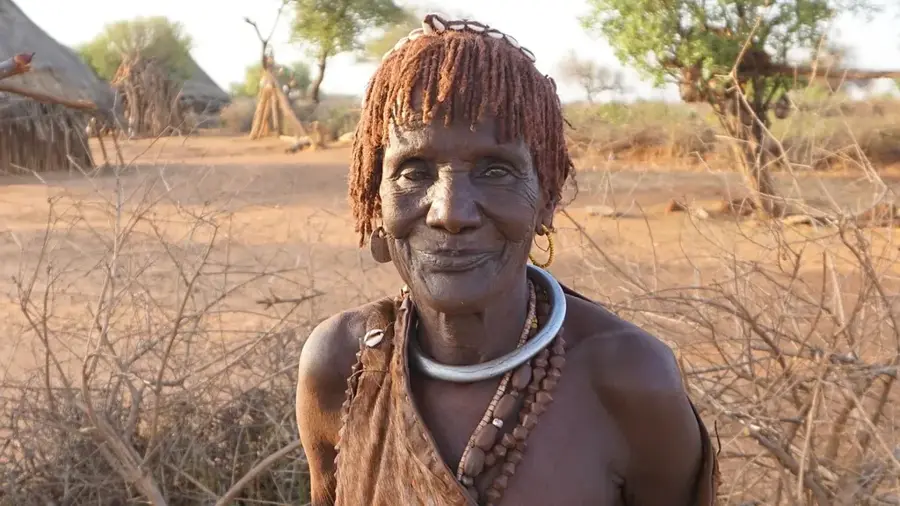
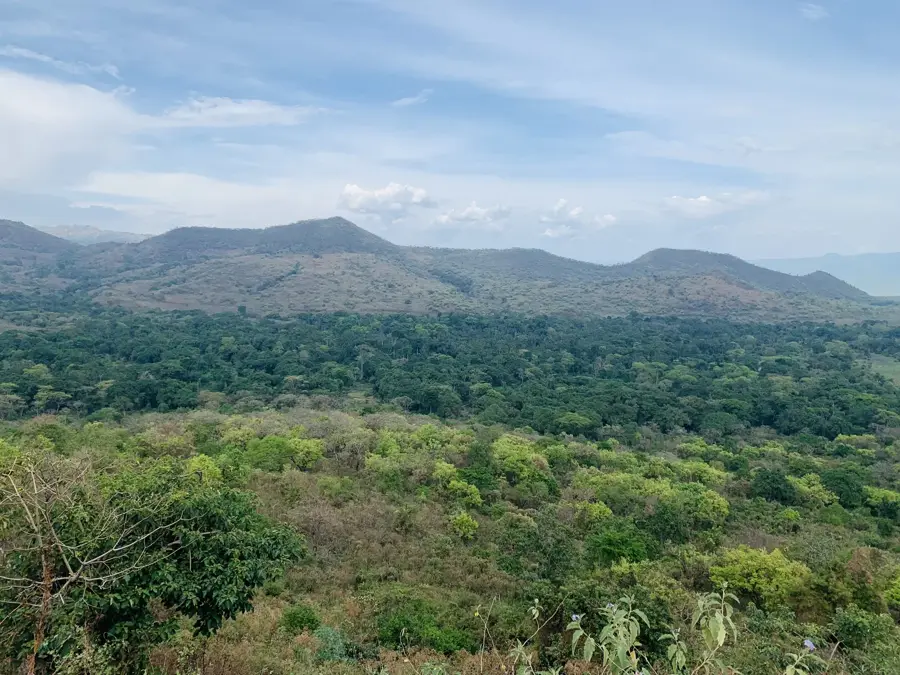
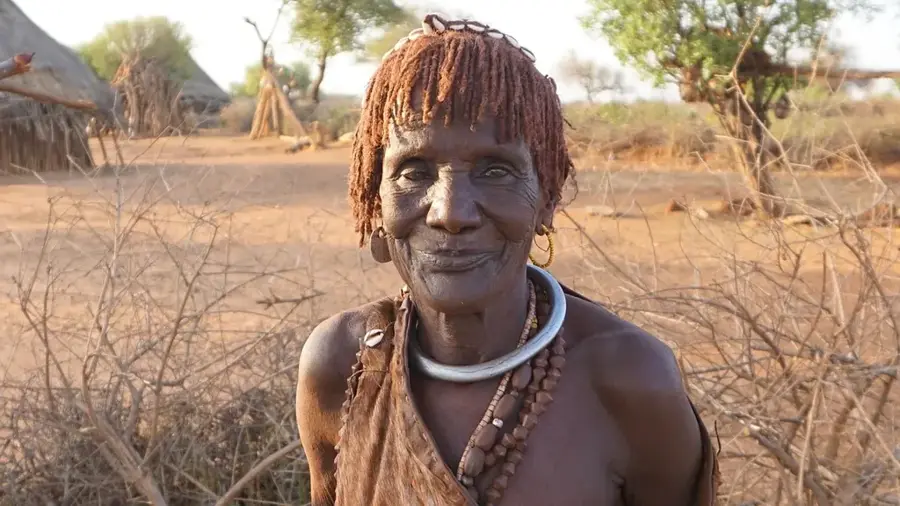
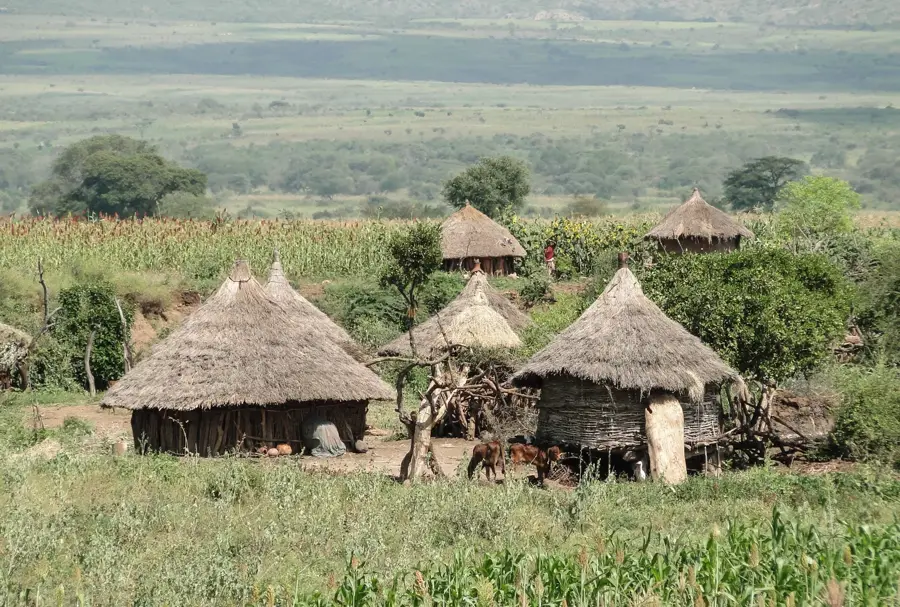
The Omo River is one of Ethiopia's most vital waterways, flowing from the central highlands for over 760 kilometers south into Lake Turkana. Its drainage basin within the Great Rift Valley holds immense ecological and anthropological significance. The Lower Valley of the Omo is a UNESCO World Heritage site, famous for yielding some of the world's oldest human fossils, such as the Omo remains dating back approximately 195,000 years. Geographically, the river features dramatic gorges in its upper reaches and a sprawling delta at the Kenyan border. The banks of the Omo are home to numerous indigenous groups, including the Mursi and Karo, who traditionally rely on recession agriculture driven by seasonal floods. In modern times, the river has become the focus of massive infrastructure projects, most notably the Gibe III dam, which regulates its flow. The Omo is also essential for the ecological balance of Lake Turkana, providing over 90% of its total water inflow.

Best time to visit & climate

The most pleasant time to visit is Jun–Aug.

JanFebMarAprMayJunJulAugSepOctNovDec
Avg °C293130282727272729282828
Rain mm2218811557733353936847160

📋 Practical info

🧭
Getting there
This profoundly remote southwestern region is typically reached via organized, multi-day overland tours departing from the capital or major regional hubs. The exceedingly long journey absolutely requires robust, off-road capable vehicles and experienced drivers.
📅
Best season
The distinct dry seasons, generally occurring around June to September and December to March, offer by far the most reliable road conditions for this region. Heavy tropical rains can rapidly make the unpaved local routes completely impassable for any vehicle.
⛰️
Terrain & paths
Navigating the surrounding expansive landscape involves constantly tackling dusty, unpaved tracks through rough and challenging terrain. The immediate riverbanks themselves can also be extremely muddy, slippery, and overgrown with very dense natural vegetation.
🎒
What to bring
Absolutely essential packing items include comprehensive first-aid supplies, reliable water purification tablets, and high-strength tropical insect repellent. Additionally, lightweight, protective, and above all breathable clothing is highly recommended for the hot climate.
🅿️
Parking
Private vehicles are rarely used completely independently or parked randomly in this undeveloped area. Transport is usually safely left at organized, secure camp settlements or designated lodging areas under the strict and constant watch of local guides.
⚠️
Safety
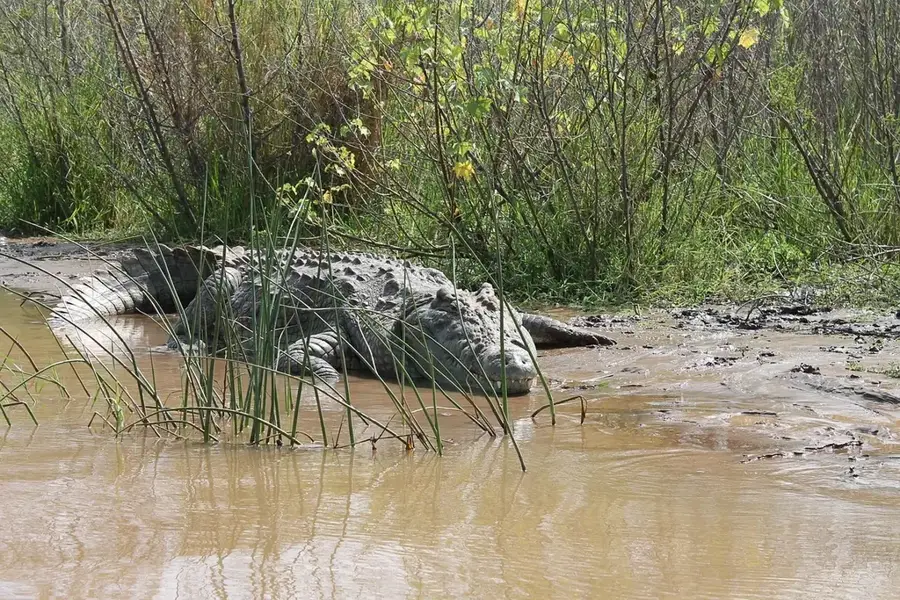
Potentially extremely dangerous wildlife, including massive crocodiles and territorial hippos, heavily populate the waters here. Visitors must absolutely never approach the immediate riverbank at dusk or night without highly expert local guidance.
⏱️
Time needed
Trips attempting to authentically experience this profoundly remote, rugged, and culturally rich corner of the country require a massive time commitment. One should generally plan for an absolute minimum of several days up to a full, well-planned week.

Geography

Coordinates
5.00000, 36.00000

Facts

  • The Omo River has a total length of approximately 760 kilometers.
  • The Lower Omo Valley was designated a UNESCO World Heritage site in 1980.
  • The river provides about 90% of the water for Kenya's Lake Turkana.
  • The Omo I and Omo II fossils are roughly 195,000 years old.
  • The Gibe III dam on the Omo stands 243 meters high.
  • The river supports the livelihoods of over 200,000 indigenous people.

Explore nearby

Notable places around
Route planner — Car & Motorhome

Where do you start? We build the route here, with stops and country notes along the way.

Vehicle
Only stops with (optional):

© OpenStreetMap contributors · OpenRouteService

Sights nearby

Frequently asked questions

Why is the Omo Valley famous?
It is known for its cultural diversity and indigenous tribes.
Does the Omo River flow into the sea?
No, it flows into Lake Turkana in the south.
Can you go rafting on the Omo?
Yes, there are organized rafting expeditions through remote canyons.
Are there national parks by the Omo?
Yes, the Omo National Park and Mago National Park are located nearby.
When is the best time to visit the Omo Valley?
From June to September and from December to March (dry seasons).
Omo River: where is it located?
Omo River is located in Ethiopia.
Omo River: when is the best time to visit?
The most pleasant time to visit is Jun, Aug.
Omo River: why is it worth visiting?
The Omo River is one of Ethiopia's most vital waterways, flowing from the central highlands for over 760 kilometers south into Lake Turkana.
View on map → The Top 50 Attractions → OpenStreetMap →
Africa
Explore with Plizio Discover more places in Africa
More places in Ethiopia →

Nearby cities

History & landmarks
Nature
More places