Plizio Visual Lab

Vana-Nukk
Plizio editorial teamData Sources
Mountain
—°3
Vana-Nukk (Estonia)

Weather…

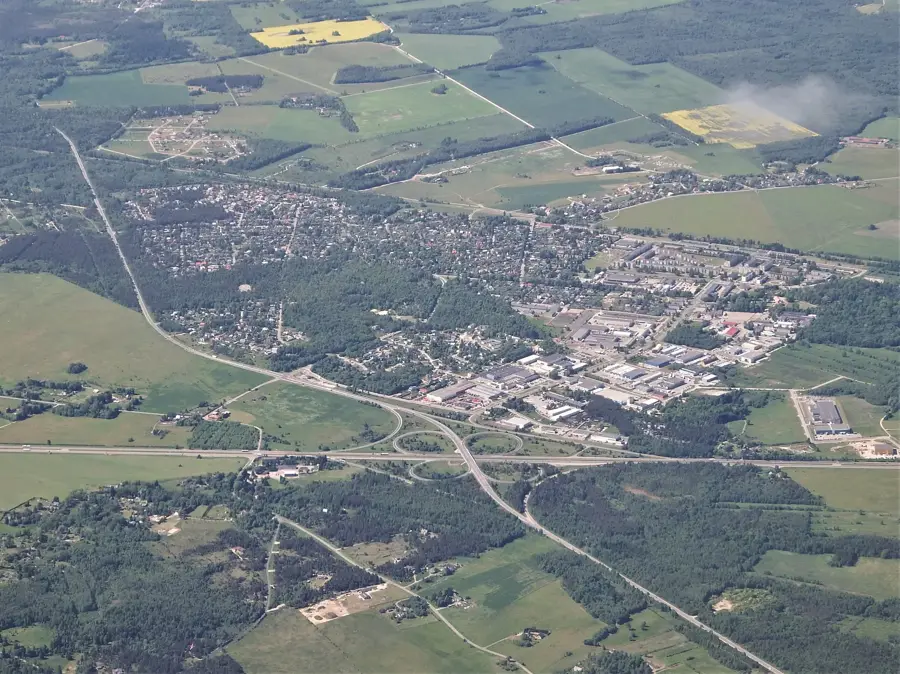
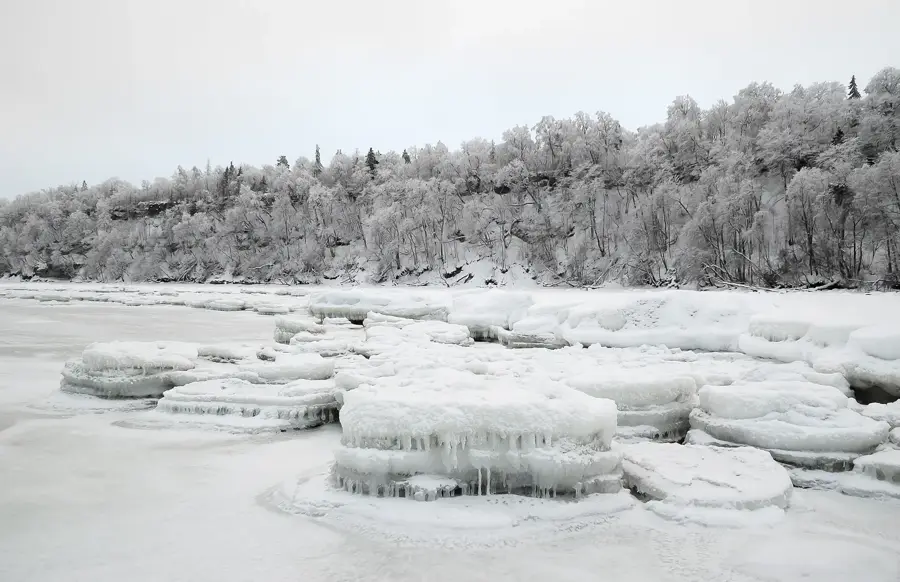
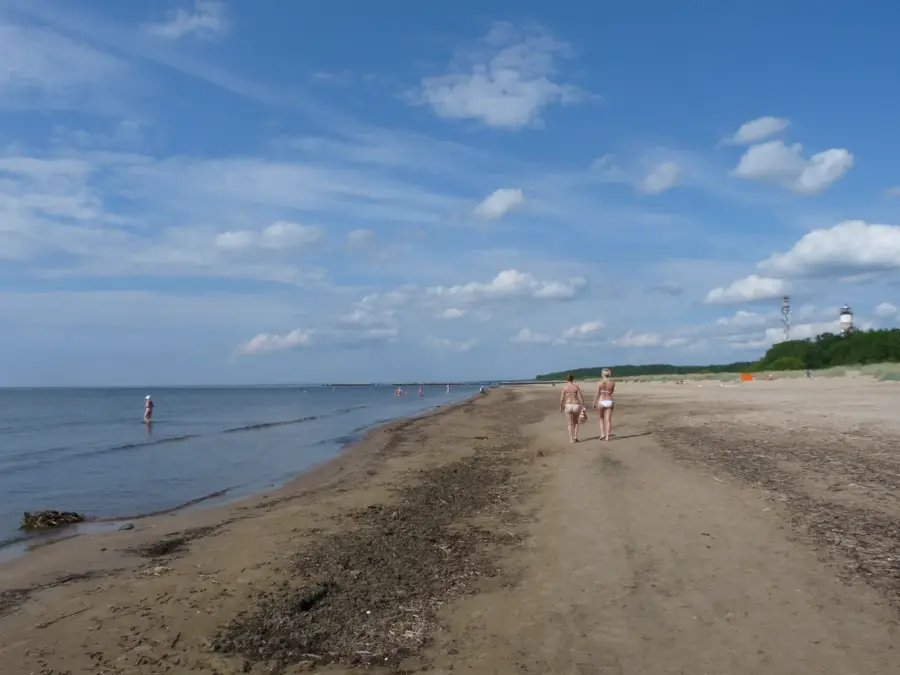
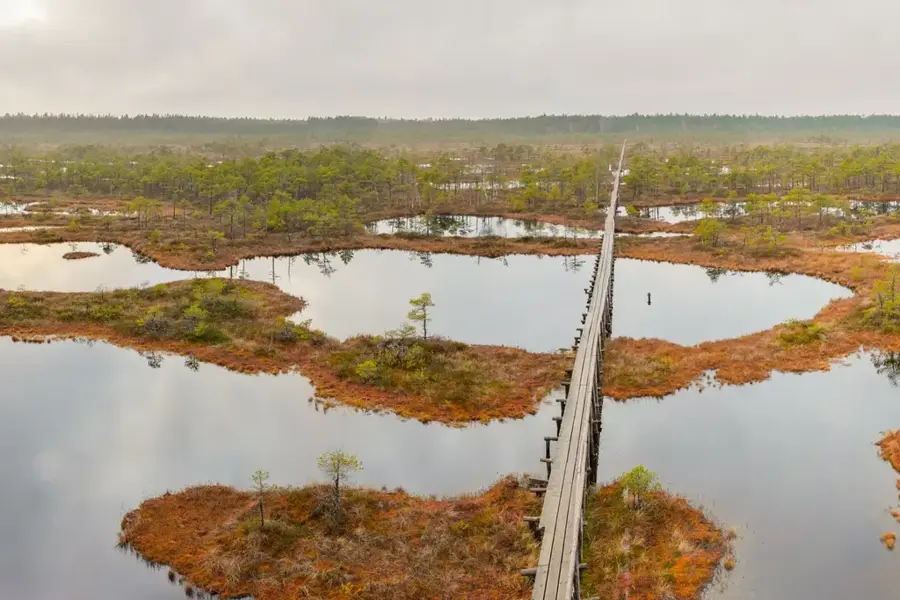
Vana-Nukk, which translates to "Old Corner," is a low-lying spit on the western coast of the Tagamõisa Peninsula on Saaremaa island. This geomorphological formation resulted from millennia of coastal erosion and sedimentation processes characteristic of the Estonian limestone shores. Historically, the area was well-known among local communities for its abundant fishing grounds, particularly for Baltic herring and flounder. The vegetation here is defined by wind-sculpted juniper bushes and calciphilous plants adapted to the harsh and exposed maritime climate. Due to the very gradual slope of the seabed into the Baltic Sea, extensive tidal flats and sandbars appear during periods of low water. Today, the region is a destination for hikers seeking tranquility and the chance to spot grey seals basking on nearby offshore rocks. The geological development of Vana-Nukk serves as a clear example of the dynamic changes occurring along the Baltic coastline.

Best time to visit & climate

The most pleasant time to visit is Jun–Aug.

JanFebMarAprMayJunJulAugSepOctNovDec
Avg °C-7-7-34111519171250-4
Rain mm514442465688748658696959

📋 Practical info

🧭
Getting there
Accessing this historically significant hill in the central region usually involves driving along main local routes before turning onto smaller rural roads leading toward the plain. From the nearest accessible point, a brief walk is generally required to reach the base of this small elevation.
📅
Best season
The most favorable seasons to explore this historically significant hill are usually the milder months from late spring to early autumn, offering clear skies for better visibility. Visiting during dry weather ensures that the paths leading up from the surrounding plain remain accessible and firm.
⛰️
Terrain & paths
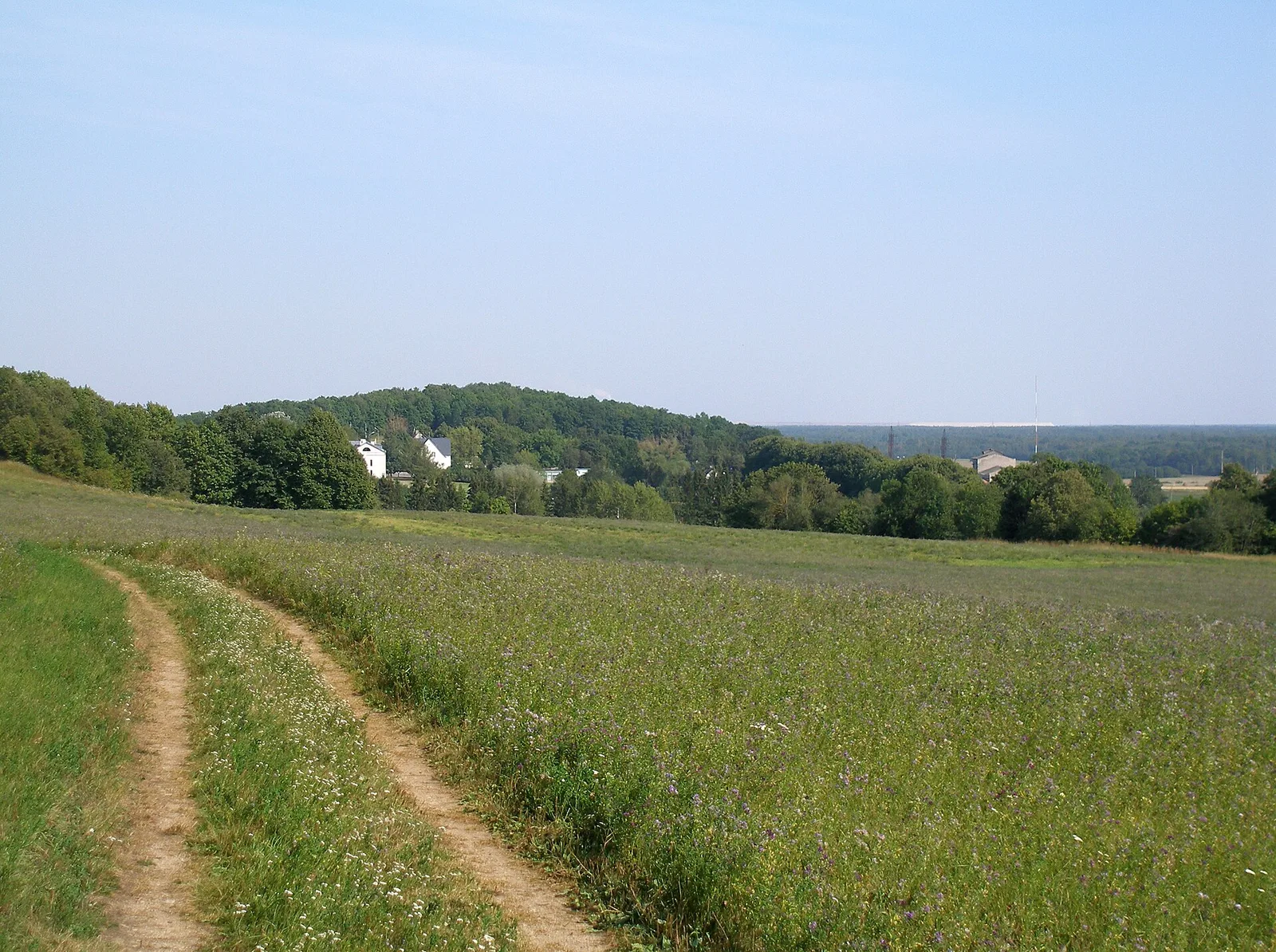
The terrain primarily features a short but noticeable incline rising from the surrounding flat plains, characterized by unpaved natural pathways. Despite its historical significance, the hill is relatively small, making the ascent generally straightforward for most casual hikers and visitors.
🎒
What to bring
Visitors are generally advised to wear standard walking shoes with reasonably good traction for the unpaved paths traversing the hill's slopes. Bringing a camera or binoculars is also recommended to fully appreciate the excellent panoramic overview of the vast central plains from the top.
🅿️
Parking
Parking is typically informal and can usually be found along the edges of the closest local access roads connecting to the broader central plain. Drivers should always park responsibly to maintain clear passage for both local agricultural machinery and other residents traveling through the area.
⚠️
Safety
While the ascent of this small hill is generally considered safe, visitors should exercise caution regarding uneven natural ground and potential trip hazards. Since the elevation provides a prominent viewpoint over the flat plain, it can occasionally be exposed to sudden, strong gusts of wind.
⏱️
Time needed
An excursion to visit this historic hill and take in the expansive views of the surrounding flat terrain typically requires roughly forty-five minutes to an hour. This short duration is usually ample time for the brief hike up, reading any historical markers, and enjoying the peaceful scenery.

Geography

Coordinates
58.65000, 26.70000

Facts

  • The name literally means "Old Corner" or "Old Cape" in Estonian.
  • Situated on the exposed western edge of Saaremaa island.
  • Composed of Silurian limestone, often covered by thin layers of sediment.
  • Serves as a significant habitat for Baltic grey seals.
  • The average elevation of the spit is less than 2 meters above sea level.
  • Historically utilized by islanders for seasonal herring fishing expeditions.

Explore nearby

Notable places around

Route planner — Car & Motorhome

Where do you start? We build the route here, with stops and country notes along the way.

Vehicle
Only stops with (optional):

© OpenStreetMap contributors · OpenRouteService

Sights in the town Vana-Nukk (3)

Jõe renditalu🏺 historical

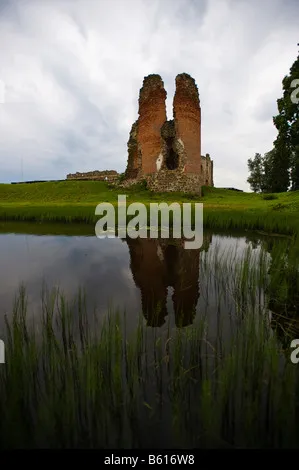
Remains of a historic rental farm in the Vana-Nukk area.

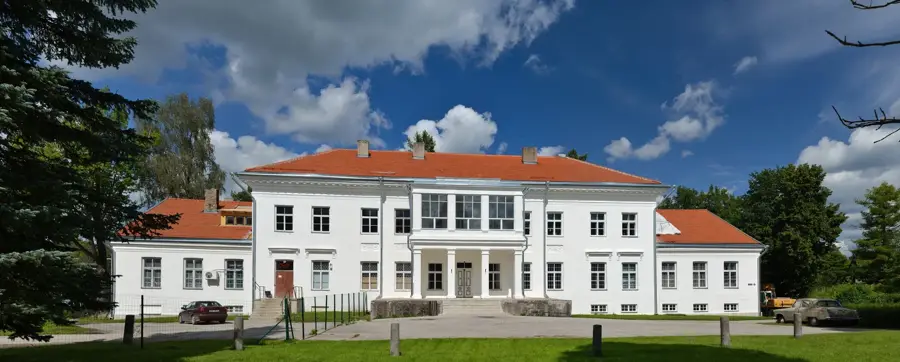
Kudina mõisa peahoone🏺 historical

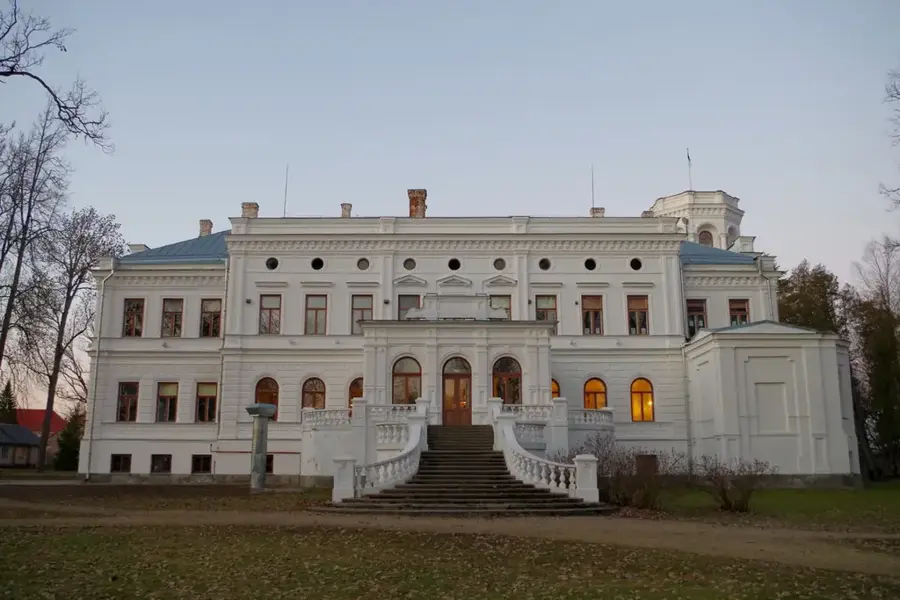
Main building of Kudina Manor on Vana Nukk Rise.

Saare järve ujumiskoht🎡 recreation

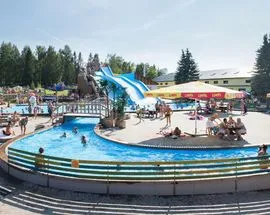
Swimming spot at Lake Saare on Vana Nukk Rise.

Sights nearby

Frequently asked questions

What does the name Vana-Nukk mean?
It means 'Old Corner' or 'Old Projection' in the landscape.
Are there historical legends about this place?
Many such Estonian places are linked to local folktales, often about giants or spirits.
Is the terrain stony?
There may be occasional boulders from the Ice Age; otherwise, the ground is mostly vegetated.
Is it a good place to relax?
Yes, it is a very quiet place, far from mass tourism.
What is the weather usually like there?
Typical Estonian: changeable, pleasantly warm in summer, often windy in winter.
Vana-Nukk: where is it located?
Vana-Nukk is located in Estonia.
Vana-Nukk: what is there to see?
Highlights include Jõe renditalu, Kudina mõisa peahoone, Saare järve ujumiskoht.
Vana-Nukk: when is the best time to visit?
The most pleasant time to visit is Jun, Aug.
Vana-Nukk: why is it worth visiting?
Vana-Nukk, which translates to "Old Corner," is a low-lying spit on the western coast of the Tagamõisa Peninsula on Saaremaa island.
View on map → The Top 50 Attractions → Most beautiful beaches → OpenStreetMap →
Europe
Explore with Plizio Discover more places in Europe
More places in Estonia →

Nearby cities

History & landmarks
Nature
More places