Plizio Visual Lab
Soomaa National Park
ℹ️Practical info — Soomaa National Park
▾
🌤 Weather — 5 days
📍 Nearby
Sights nearby
💡 Tips
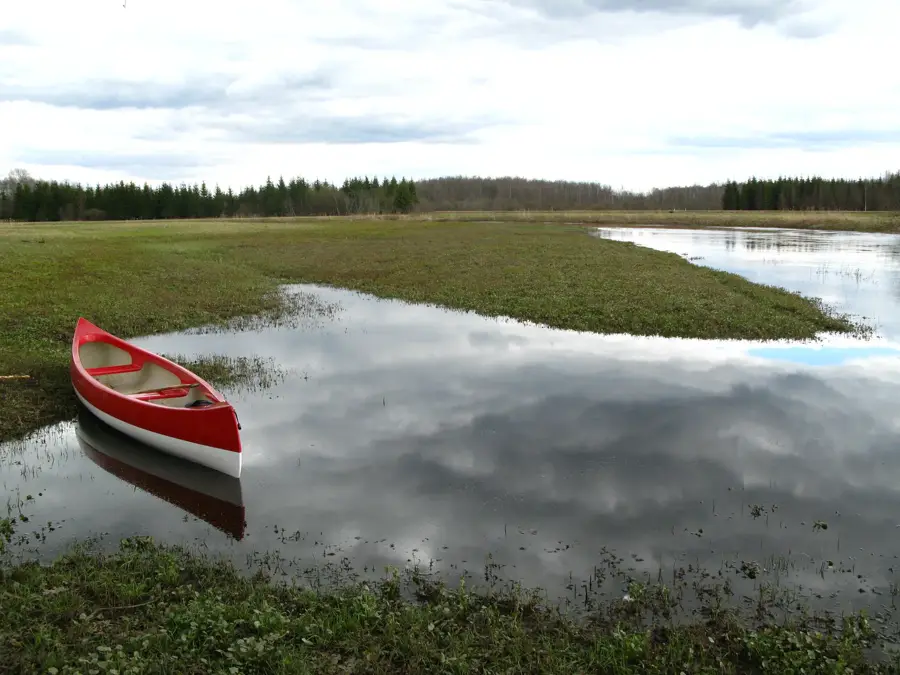
- The 'fifth season' usually occurs in late March or April; the only way to get around during this time is by canoe.
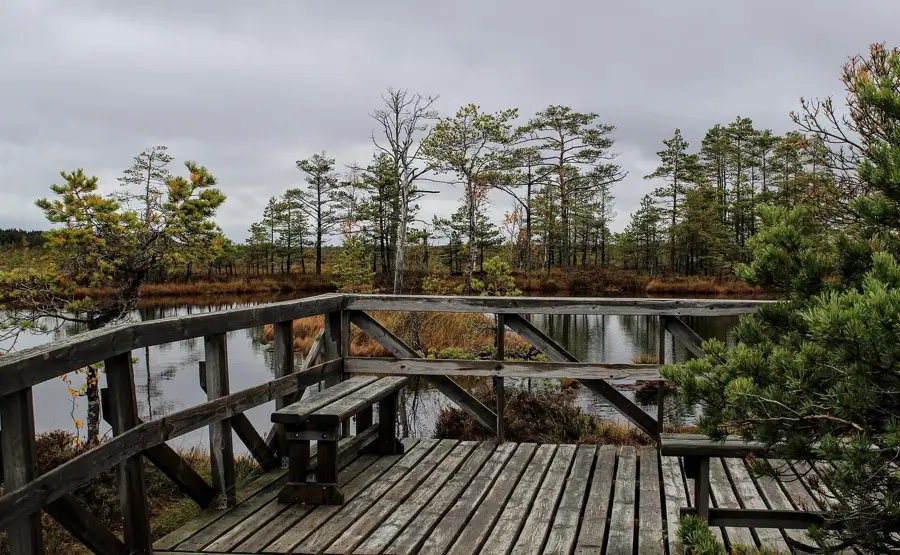
- Always stay on the wooden boardwalks in the bog areas to protect the fragile moss and avoid sinking.
- Bring strong insect repellent if visiting in summer, as the wetlands are full of mosquitoes.
- Look out for traditional 'haabjas' (dugout canoes); booking a guided tour in one is highly recommended.
🍽 Food
Forage them yourself in late summer or try local preserves sold at guesthouses.
A staple in the region; look for it in local farm stays or the visitor center cafe.
Often available at local homesteads offering accommodation along the rivers.
🛍 Shopping · 🧘 Quiet spots
Small carved items and souvenirs are available at the main visitor center.
Buy directly from local beekeepers or at small roadside stalls in the national park villages.
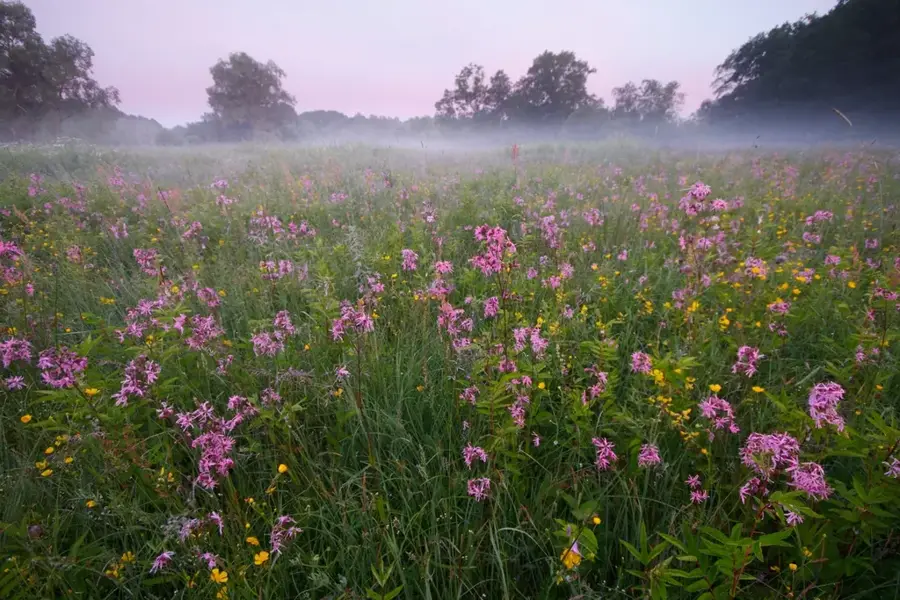
Come here at sunrise for a magical, misty atmosphere with very few other hikers.
Provides vast, uninterrupted views of the wetlands, great for birdwatching in silence.
Water temperature…
Soomaa National Park, literally 'land of bogs', is situated in southwestern Estonia. It is celebrated for its pristine raised bogs and floodplain forests. The park's most unique feature is the 'fifth season', the annual spring flood where melting snow causes rivers to overflow, submerging much of the landscape. During this time, the park is best explored by water. The traditional dugout canoe, or 'haabjas', is a centerpiece of local culture and is inscribed on UNESCO's Intangible Heritage list. Visitors can walk along beautiful bog trails like the Riisa boardwalk or join guided canoe trips to spot beavers and migratory birds. Soomaa is a haven for ecotourists and those seeking true wilderness and silence. It is most accessible from the cities of Pärnu or Viljandi. Spring is the highlight for the flood experience, while late summer is excellent for hiking and berry picking in the bogs.
- Location: Estonia
- Nearby: Sindi (27 km)
- Population: ~23 (2021)
Best time to visit & climate
The most pleasant time to visit is Jun–Aug.
| Jan | Feb | Mar | Apr | May | Jun | Jul | Aug | Sep | Oct | Nov | Dec | |
|---|---|---|---|---|---|---|---|---|---|---|---|---|
| Avg °C | -5 | -6 | -2 | 4 | 11 | 15 | 19 | 17 | 13 | 6 | 1 | -3 |
| Rain mm | 54 | 45 | 42 | 44 | 47 | 76 | 69 | 82 | 57 | 69 | 70 | 61 |
Geography
Facts
- Fifth season flood
- Dugout canoes (haabjas)
- Vast raised bogs
- UNESCO Heritage culture
- Riisa nature trail
- Beaver watching
- Southwest Estonia
- Ecotourism hub
Explore nearby
Notable places around


Route planner — Car & Motorhome
Where do you start? We build the route here, with stops and country notes along the way.
© OpenStreetMap contributors · OpenRouteService
Frequently asked questions
What is the 'fifth season' in Soomaa?
What activities are popular in Soomaa?
Are there beavers in the park?
What is a 'haabjas'?
When is the best time for a canoe trip?
Soomaa National Park: where is it located?
Soomaa National Park: when is the best time to visit?
Soomaa National Park: why is it worth visiting?

Nearby cities
History & landmarks
Nature
More places