Plizio Visual Lab
Tagua Processing
Weather…
Water temperature…
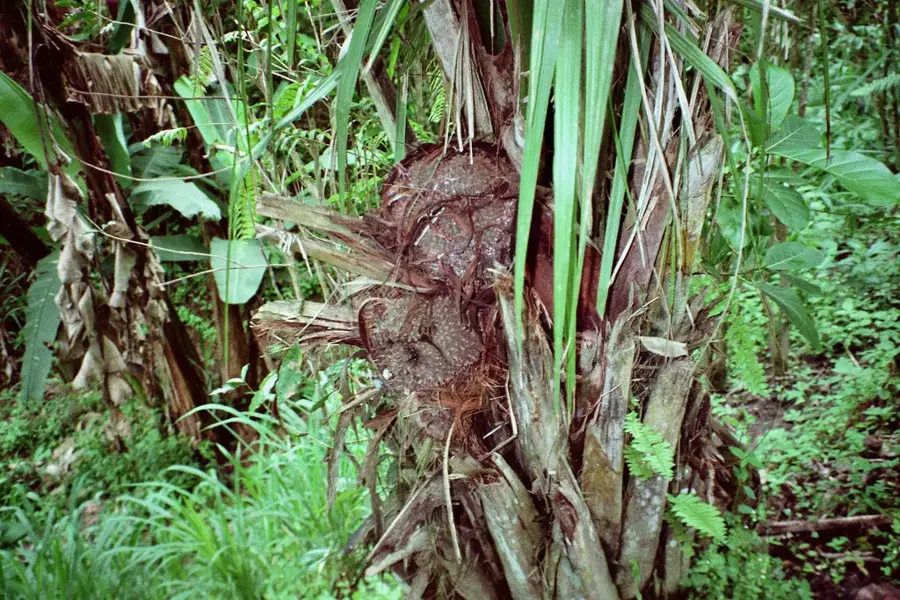
Tagua processing, widely referred to as vegetable ivory, is a vital sustainable economic sector in Ecuador, primarily based in the Manabí and Esmeraldas provinces. The nuts of the tagua palm (Phytelephas aequatorialis) are harvested and sun-dried for several months until they achieve a remarkable hardness and a creamy white appearance nearly identical to animal ivory. Ecuador stands as the world's leading exporter of this organic material, which is highly sought after by the global fashion industry for the production of high-end buttons, jewelry, and intricate artisanal carvings. The industry provides a livelihood for thousands of small-scale collectors and skilled artisans while playing a crucial role in rainforest conservation, as the palms thrive in their natural forest environment. Modern advancements in processing, including precision laser engraving and specialized dyeing techniques, have expanded the material's use in contemporary design. Major international markets for Ecuadorian tagua include Italy, Japan, and the United States, where it is valued as an eco-friendly alternative to plastics.
- Location: Ecuador
- Top sights: Observación de Monos, Turismo Comunitario Cantagallo · Mirador San Jose Private Beach · Casa HermanitabSonia
- Nearby: Salango (6 km)
Best time to visit & climate
The most pleasant time to visit is Aug–Oct.
| Jan | Feb | Mar | Apr | May | Jun | Jul | Aug | Sep | Oct | Nov | Dec | |
|---|---|---|---|---|---|---|---|---|---|---|---|---|
| Avg °C | 24 | 25 | 25 | 25 | 24 | 23 | 22 | 21 | 21 | 22 | 22 | 23 |
| Rain mm | 74 | 142 | 140 | 61 | 24 | 6 | 2 | 1 | 1 | 3 | 3 | 17 |
📋 Practical info
Geography
Facts
- A single tagua palm can produce up to 15 kilograms of nuts annually.
- The nuts must dry for 60 to 90 days to achieve their characteristic ivory-like hardness.
- Ecuador accounts for approximately 80% of the global market for vegetable ivory.
- The scientific name Phytelephas literally translates to plant elephant.
- Most button manufacturing takes place in specialized factories located in the city of Manta.
- Tagua is 100% biodegradable and serves as a sustainable substitute for synthetic materials.
Explore nearby
Notable places around

Route planner — Car & Motorhome
Where do you start? We build the route here, with stops and country notes along the way.
© OpenStreetMap contributors · OpenRouteService
Sights in the town Tagua Processing (4)
Sights nearby
Frequently asked questions
What is Tagua?
What is made from it?
Where is the center of Tagua processing?
Why is it ecologically valuable?
Can Tagua souvenirs be purchased?
Tagua Processing: where is it located?
Tagua Processing: what is there to see?
Tagua Processing: when is the best time to visit?
Tagua Processing: why is it worth visiting?
Nearby cities




More places