Plizio Visual Lab
Santa Cruz Island
Weather…
Water temperature…
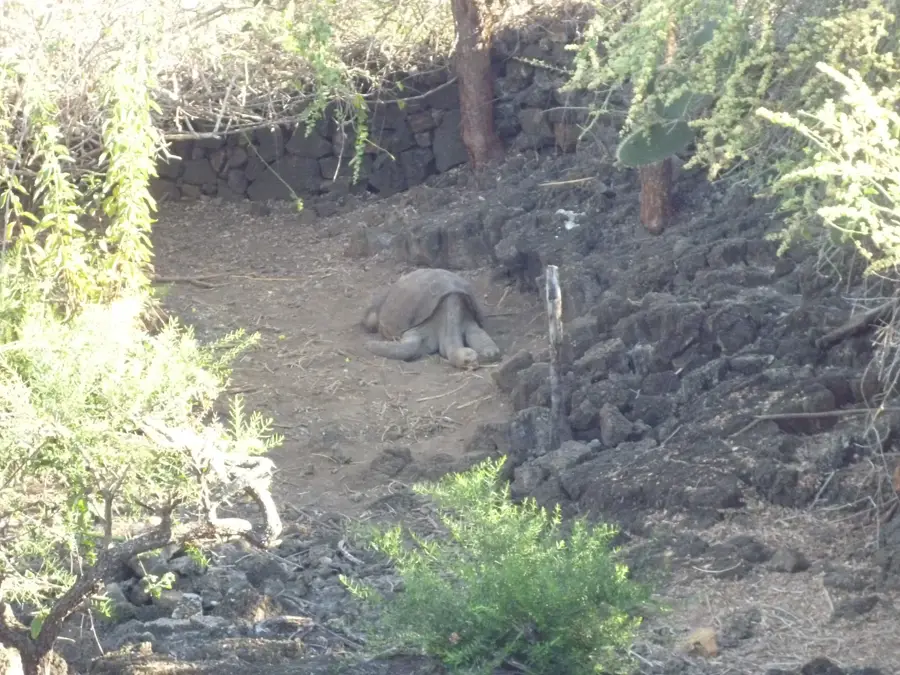
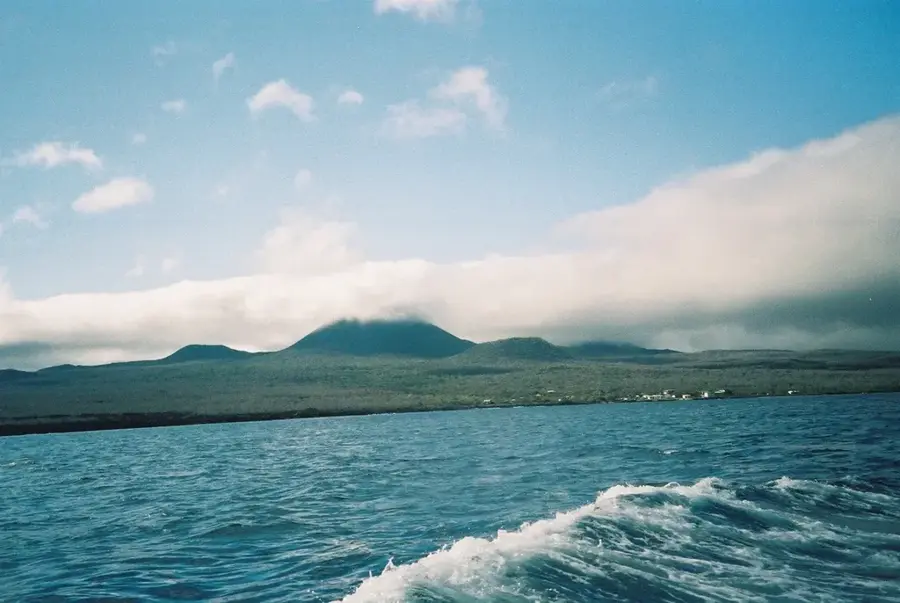
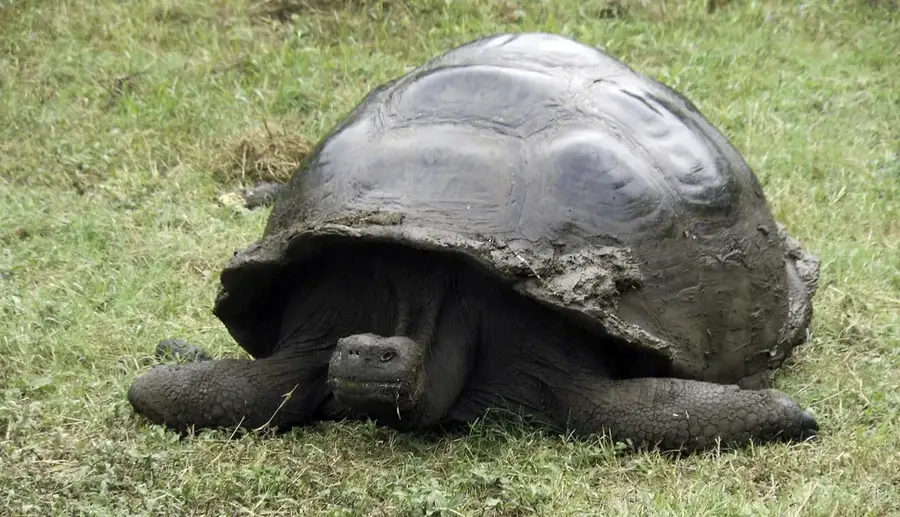
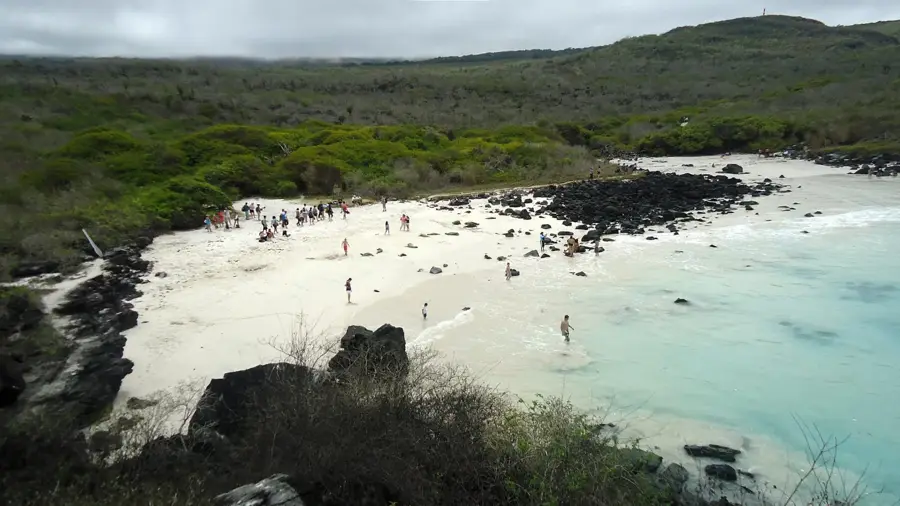
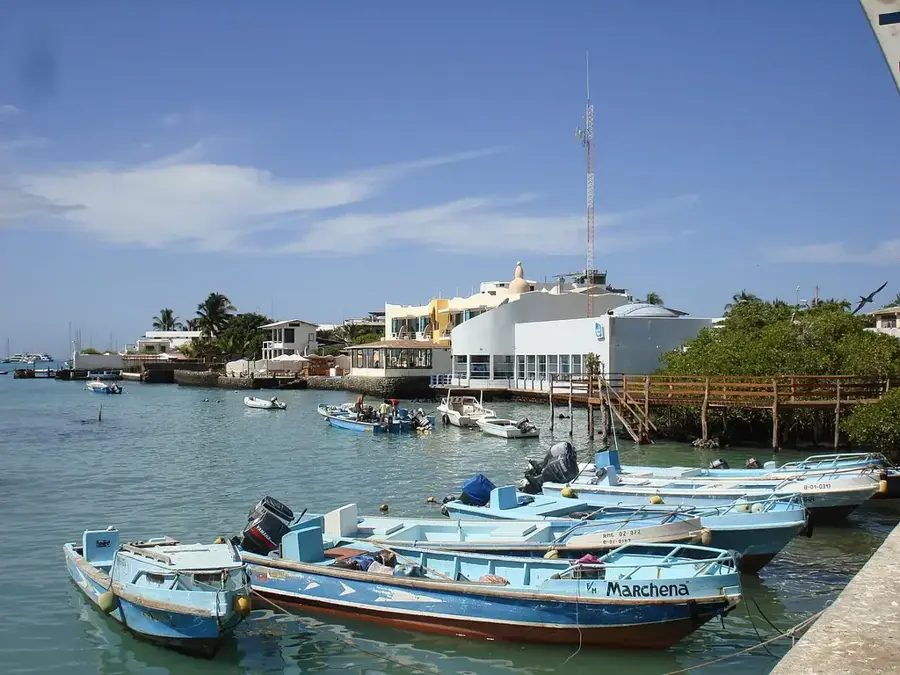
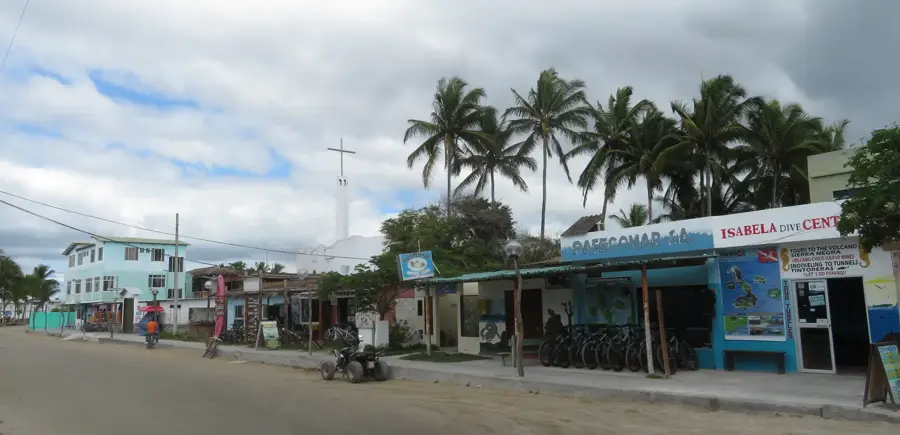
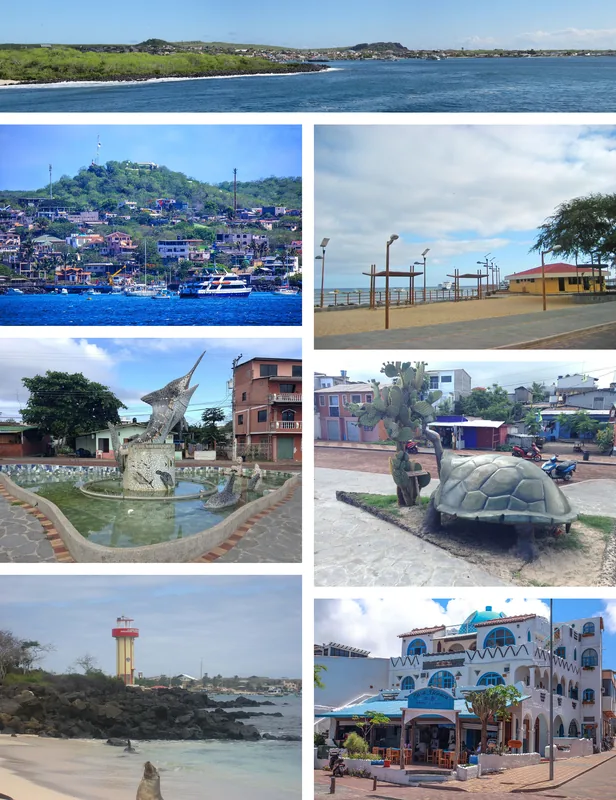
Santa Cruz is the central and most populous island of the Galapagos Archipelago, serving as the logistical heart of the island chain. The island displays an impressive variety of vegetation zones, ranging from arid coastal areas filled with cactus forests to humid highlands dominated by ferns and Scalesia trees. Puerto Ayora, the largest town in the archipelago, hosts the Charles Darwin Research Station and the Galapagos National Park headquarters, where vital conservation and captive breeding programs for giant tortoises are managed. Natural wonders on the island include massive lava tunnels formed by ancient magma flows and the twin sinkholes known as 'Los Gemelos.' Santa Cruz is also famous for its remarkable beaches, such as Tortuga Bay, a critical nesting site for green sea turtles. As the primary tourist hub, the island exemplifies the complex challenges of balancing human settlement and economic activity with environmental preservation.
- Location: Ecuador
- Nearby: Puerto Villamil (72 km)
Best time to visit & climate
The most pleasant time to visit is Aug–Oct.
| Jan | Feb | Mar | Apr | May | Jun | Jul | Aug | Sep | Oct | Nov | Dec | |
|---|---|---|---|---|---|---|---|---|---|---|---|---|
| Avg °C | 25 | 27 | 27 | 27 | 25 | 24 | 23 | 22 | 22 | 22 | 23 | 24 |
| Rain mm | 44 | 64 | 53 | 60 | 17 | 10 | 9 | 9 | 7 | 8 | 9 | 12 |
📋 Practical info
Geography
Facts
- Santa Cruz has a total land area of approximately 986 square kilometers.
- The highest point on the island is Cerro Crocker, at 864 meters.
- Puerto Ayora is home to a population of roughly 12,000 residents.
- The Charles Darwin Research Station was officially opened in 1964.
- Tortuga Bay is accessible via a 2.5-kilometer-long walking trail.
- Lava tunnels on Santa Cruz can reach lengths of up to 2 kilometers.
Explore nearby
Notable places around

Route planner — Car & Motorhome
Where do you start? We build the route here, with stops and country notes along the way.
© OpenStreetMap contributors · OpenRouteService
Sights in the town Santa Cruz Island (1)
Sights nearby
Frequently asked questions
What is the center of Santa Cruz?
Is there a research station?
How do you get to Tortuga Bay?
What are 'Las Grietas'?
Can you see tortoises in the highlands?
Santa Cruz Island: where is it located?
Santa Cruz Island: when is the best time to visit?
Santa Cruz Island: why is it worth visiting?
Nearby cities
More places