Plizio Visual Lab
Santiago Island
Weather…
Water temperature…
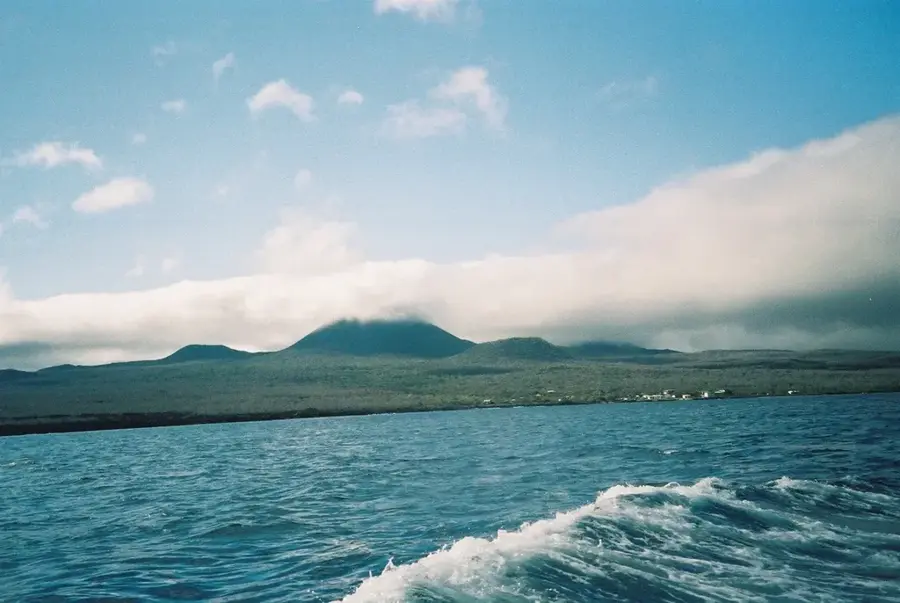
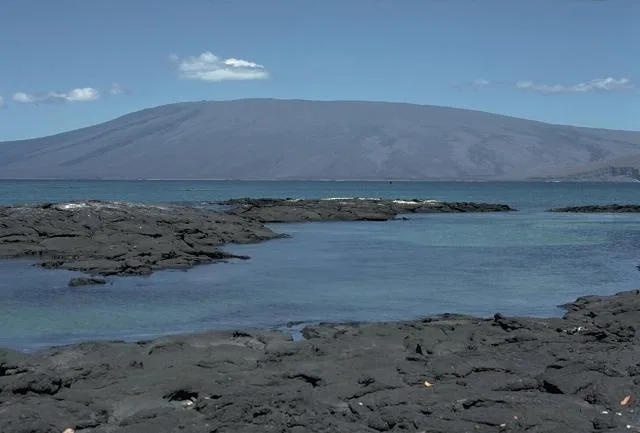
Santiago Island, also referred to as San Salvador or James Island, is a centrally located island in the Galapagos known for its remarkable geological features. The island was formed by two overlapping shield volcanoes reaching an elevation of 907 meters, creating a landscape of diverse volcanic terrain. One of its most famous sites is Sullivan Bay, where visitors can walk across a vast field of pahoehoe lava that solidified following an eruption in 1897. Historically, the island gained significance when Charles Darwin spent several weeks exploring its interior in 1835 during the HMS Beagle expedition. In the early 20th century, a small-scale salt mining operation existed near Puerto Egas, though the harsh conditions eventually led to its abandonment, leaving behind ruins for modern explorers. Following a successful conservation effort that concluded in 2006, invasive species like goats and pigs were eradicated, allowing the native flora and fauna to thrive once again. Today, Santiago is a vital habitat for Galapagos fur seals, Darwin's finches, and land iguanas, making it a key destination for scientific study and ecological tourism.
- Location: Ecuador
- Nearby: Puerto Villamil (30 km)
Best time to visit & climate
The most pleasant time to visit is Aug–Oct.
| Jan | Feb | Mar | Apr | May | Jun | Jul | Aug | Sep | Oct | Nov | Dec | |
|---|---|---|---|---|---|---|---|---|---|---|---|---|
| Avg °C | 25 | 26 | 27 | 26 | 25 | 24 | 23 | 23 | 23 | 23 | 23 | 24 |
| Rain mm | 36 | 53 | 42 | 50 | 19 | 10 | 8 | 8 | 7 | 8 | 9 | 14 |
📋 Practical info
Geography
Facts
- The island covers a total area of 585 square kilometers.
- Charles Darwin spent nine days exploring Santiago in October 1835.
- The last recorded volcanic eruption on the island occurred in 1906.
- The successful eradication of invasive goats was completed in 2006.
- Puerto Egas is named after the owner of a former salt mining company.
- Santiago is the fourth largest island in the Galapagos archipelago.
Explore nearby
Notable places around

Route planner — Car & Motorhome
Where do you start? We build the route here, with stops and country notes along the way.
© OpenStreetMap contributors · OpenRouteService
Sights in the town Santiago Island (1)
Sights nearby
Frequently asked questions
What can you see in Sullivan Bay?
Are there fur seals on Santiago Island?
Can you go birdwatching there?
Is the island inhabited?
How is the snorkeling?
Santiago Island: where is it located?
Santiago Island: when is the best time to visit?
Santiago Island: why is it worth visiting?
Nearby cities
More places