Plizio Visual Lab
Kananga
ℹ️Practical info — Kananga
▾
🌤 Weather — 5 days
📍 Nearby
Sights nearby
💡 Tips
- Kananga is a major commercial hub but suffers from poor road connections; flying in via the local airport is the most practical route.
- The city has a hot and humid tropical savanna climate. Early mornings and late afternoons are the best times to explore.
- Power outages can be frequent. Always have a power bank fully charged for your devices.
- Motorcycle taxis (Wewa) are the primary way to get around; agree on the fare before hopping on.
🍽 Food
Cassava leaf stew, often enriched with smoked fish or palm oil, served in most traditional restaurants.
A legacy of Belgian influence, this is a standard breakfast at small street-side cafes.
Look for dishes using dried caterpillars (Mbinzo) in the main markets if you are adventurous.
🛍 Shopping · 🧘 Quiet spots
A massive, spirited market where you can buy colorful Wax fabrics and local produce.
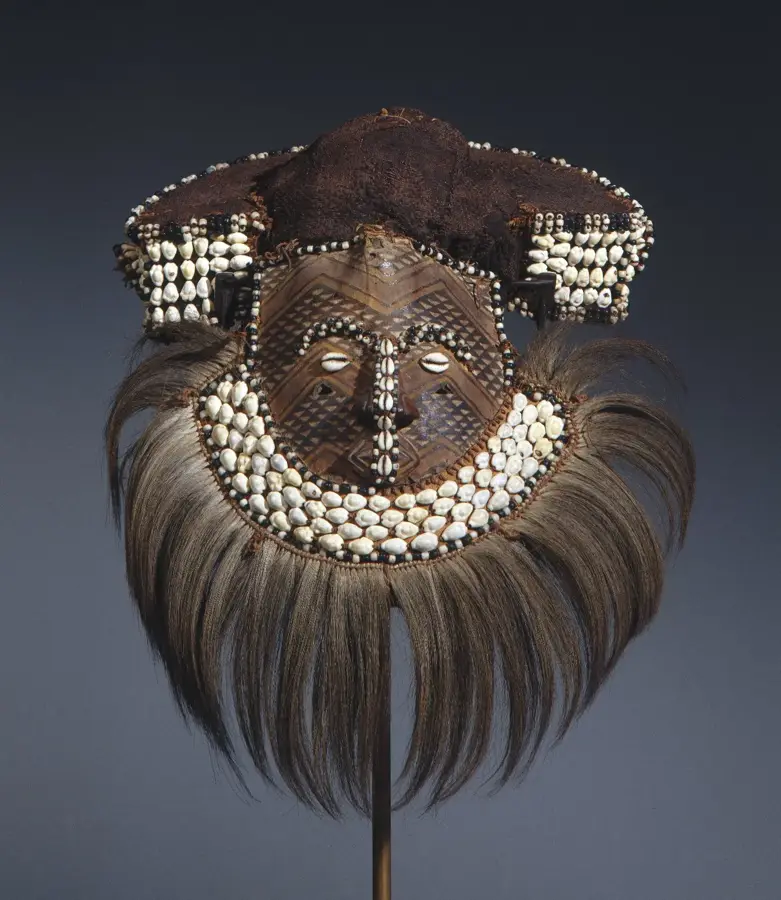
Keep an eye out for traditional Kasai region masks and wooden crafts in small artisan shops.
Head to the outskirts where the Lulua River flows for a more peaceful, natural setting.
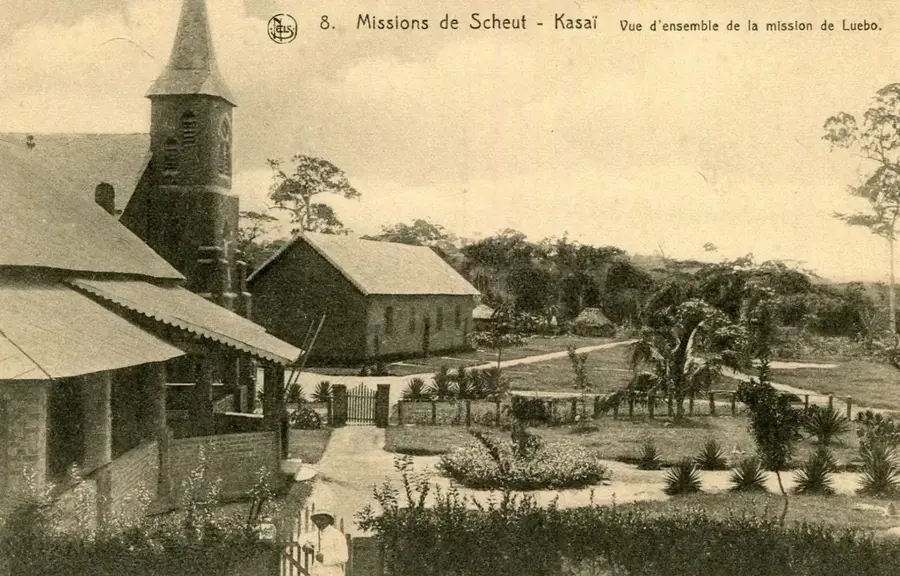
If you have time for a short trip outside the city, this historic Catholic mission is very peaceful.
Water temperature…
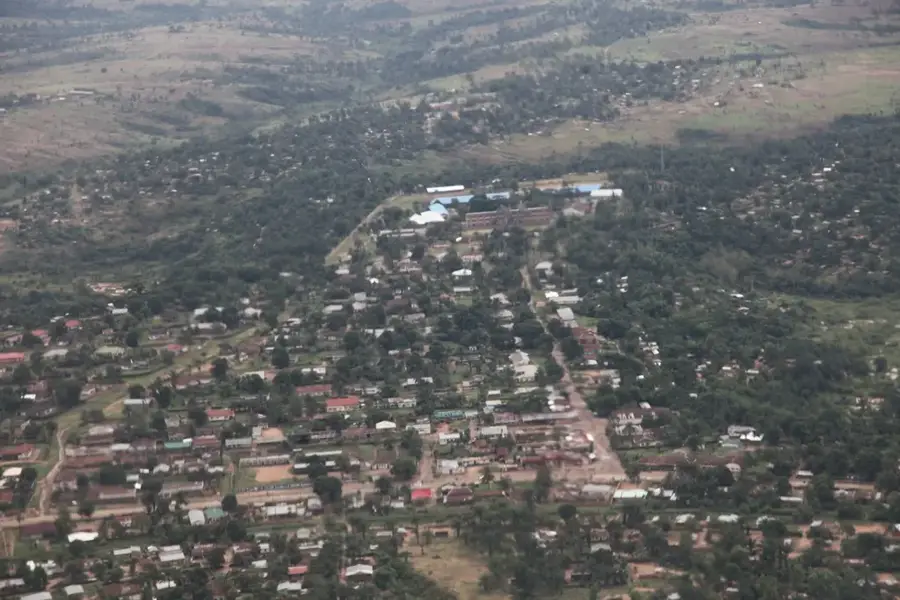
Kananga, the dynamic capital of Kasaï-Central Province, is a major metropolitan center and a vital economic heart of the central Democratic Republic of the Congo. Originally known as Luluabourg, the city was founded in 1884 on the banks of the Lulua River before being relocated to its current site along the railway line to optimize its transport potential. Kananga holds a prestigious place in national history as the site where the country's first post-independence constitution was drafted in 1964, an event that underscores its political significance. Today, the city is a primary hub for the diamond trade, benefiting from the rich alluvial deposits found throughout the Kasaï region, which attracts buyers and entrepreneurs from across the globe. Beyond minerals, Kananga is a flourishing market for agricultural staples such as maize, cassava, and peanuts, serving as a collection and distribution point for the fertile surrounding districts. The city's logistical importance is underpinned by the Kananga Airport and its position on the strategic railway connecting Lubumbashi to Ilebo. Kananga is also a renowned academic center, home to the University of Kananga (UNIKAN) and several specialized higher education institutes. The urban landscape is characterized by its historic colonial-era administrative core, surrounded by rapidly expanding residential districts that reflect its significant population growth. The predominantly Luba population is well-known for its commercial acumen and rich cultural heritage, which is vividly displayed in the city's lively markets and artistic festivals. Despite facing environmental challenges like soil erosion, Kananga continues to serve as a beacon of economic activity and a key driver of development in central Congo, bridging the gap between the industrial south and the agrarian interior.
- Location: Congo - Kinshasa
- Top sights: Place de l'indépendance · Ravin · Mukenge Shabantu
- Nearby: Demba (42 km)
- Population: ~1.247.168 (2026)
Best time to visit & climate
The most pleasant time to visit is May–Jul.
| Jan | Feb | Mar | Apr | May | Jun | Jul | Aug | Sep | Oct | Nov | Dec | |
|---|---|---|---|---|---|---|---|---|---|---|---|---|
| Avg °C | 25 | 25 | 25 | 25 | 25 | 26 | 26 | 27 | 26 | 25 | 24 | 24 |
| Rain mm | 134 | 138 | 146 | 112 | 38 | 7 | 6 | 56 | 124 | 150 | 171 | 160 |
Geography
Facts
- Kananga is the provincial capital of Kasaï-Central and a major urban center.
- It was founded in 1884 as Luluabourg and later moved to its current site.
- The city was the site of the drafting of the 1964 Congolese Constitution.
- Kananga is a major global hub for the alluvial diamond trade.
- It is located on the main railway line connecting Lubumbashi to Ilebo.
- The University of Kananga (UNIKAN) is a key center for higher learning.
- Kananga Airport (KNC) connects the city to Kinshasa and other major hubs.
- The city's cultural and economic life is dominated by the Luba people.
Explore nearby
Notable places around



Route planner — Car & Motorhome
Where do you start? We build the route here, with stops and country notes along the way.
© OpenStreetMap contributors · OpenRouteService
Sights in the town Kananga (3)
Frequently asked questions
What is Kananga?
What tourist attractions are there in Kananga?
How do you get to Kananga?
What is the main language spoken in Kananga?
Are there good restaurants in Kananga?
Kananga: where is it located?
Kananga: what is there to see?
Kananga: when is the best time to visit?
Kananga: why is it worth visiting?

Nearby cities
History & landmarks
Nature
More places