Plizio Visual Lab
Mbuji-Mayi
ℹ️Practical info — Mbuji-Mayi
▾
🌤 Weather — 5 days
📍 Nearby
Sights nearby
💡 Tips
- This is the center of diamond mining, but buying from street vendors is illegal and risky.
- The city experiences extreme dry and wet seasons, plan your wardrobe accordingly.
- Cash is preferred; large bills are difficult to break in small markets.
- Always ask for permission before photographing any industrial or mining facilities.
🍽 Food
A traditional, local cornmeal-based dish that is very filling.
Found at evening street stalls, best enjoyed with spicy pili-pili.
Dense cassava bread wrapped in leaves, a ubiquitous side dish.
🛍 Shopping · 🧘 Quiet spots
The bustling main market for colorful fabrics and daily needs.
Look for carvings or malachite near the larger hotels.
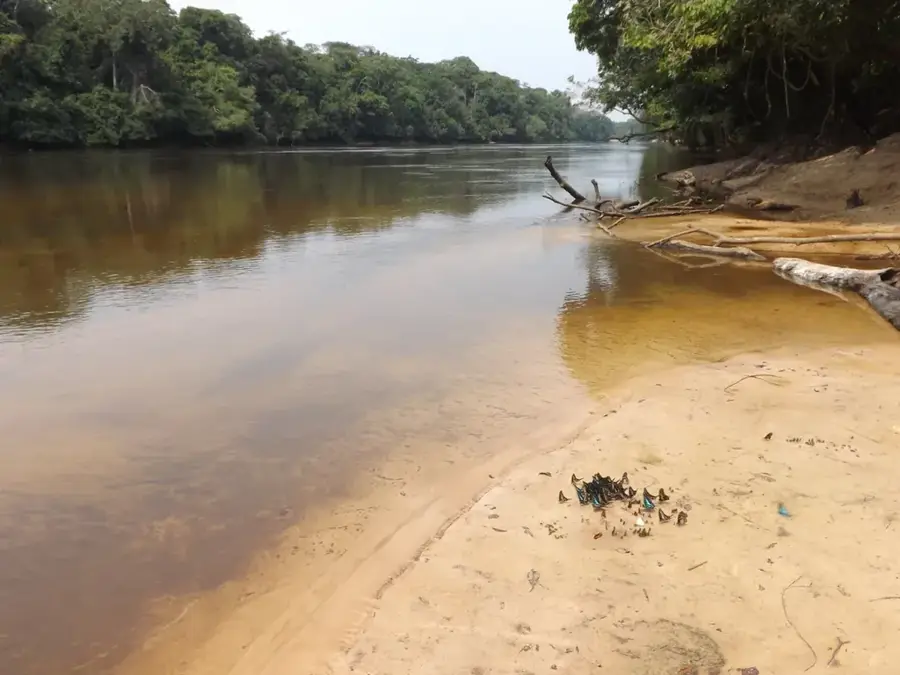
Take a short drive out of the dusty center for a relaxing river view.
Often the quietest, shadiest, and greenest oases in the busy city.
Water temperature…
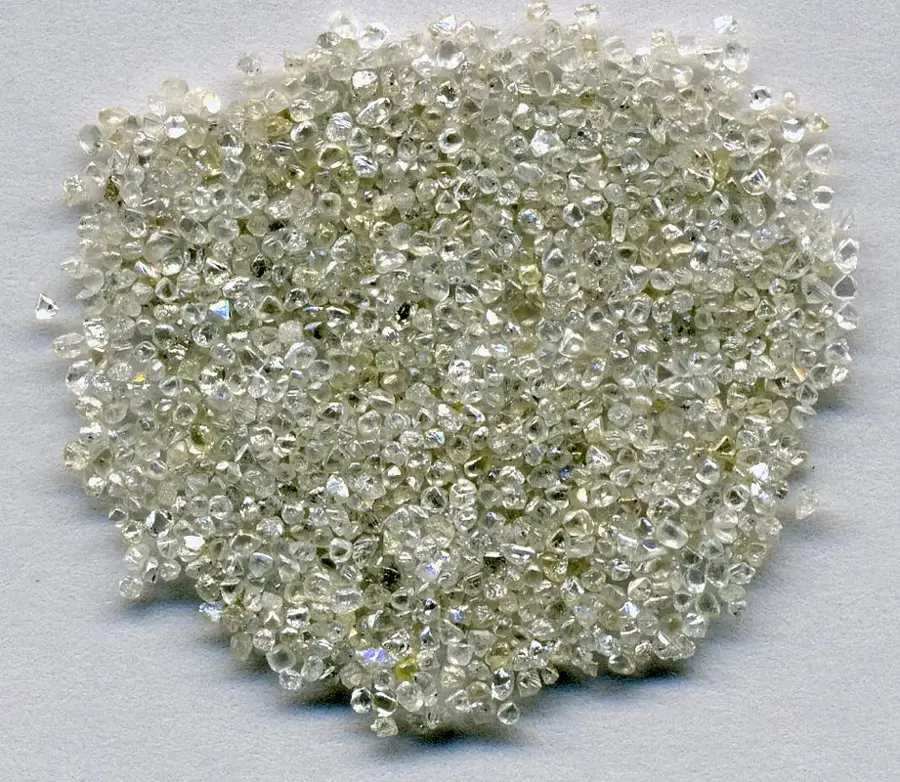
Mbuji-Mayi, the capital of the Kasaï-Oriental province in the Democratic Republic of the Congo, stands as one of the world's most significant centers for industrial diamond production. Located on the banks of the Sankuru River, the city’s origins date back to the early 20th century, specifically 1913, when diamond deposits were first identified. Originally named Bakwanga, it was a planned mining settlement that evolved into a sprawling metropolis, currently ranking as the third-largest city in the country by population estimates. The geographic setting is a high plateau characterized by savanna and gallery forests, with a tropical climate that experiences a long rainy season from October to April. The economy is fundamentally tied to the Société Minière de Bakwanga (MIBA), which for decades operated as a state-within-a-state, providing electricity, water, and healthcare to the population. However, the decline of formal mining has led to a massive increase in artisanal mining, where local 'creuseurs' extract diamonds manually from the riverbeds and pits. Culturally, Mbuji-Mayi is the spiritual and political heart of the Luba people, and the Tshiluba language is the primary medium of communication. The city faces significant infrastructure hurdles, notably its relative isolation from the national road network; most essential goods must be airlifted into the city, making it an expensive place to live despite its mineral wealth. Education is anchored by the University of Mbuji-Mayi, which strives to provide academic opportunities in a region dominated by manual labor. The urban layout reflects its rapid and often chaotic growth, with modern villas in the 'Cité MIBA' contrasting sharply with the densely packed residential zones of the outlying communes. In recent years, there has been a push to improve the hydroelectric potential of the nearby rivers to provide a stable power grid, which is seen as the key to unlocking future industrial growth and improving the quality of life for its millions of inhabitants.
- Location: Congo - Kinshasa
- Top sights: South Kasai · Tshilenge District · Kasaï-Oriental
- Nearby: Tshilenge (15 km)
- Population: ~2.101.332 (2026)
Best time to visit & climate
The most pleasant time to visit is May–Jul.
| Jan | Feb | Mar | Apr | May | Jun | Jul | Aug | Sep | Oct | Nov | Dec | |
|---|---|---|---|---|---|---|---|---|---|---|---|---|
| Avg °C | 25 | 26 | 26 | 25 | 26 | 26 | 26 | 28 | 27 | 26 | 25 | 25 |
| Rain mm | 136 | 144 | 146 | 110 | 34 | 8 | 4 | 45 | 105 | 136 | 162 | 155 |
Geography
Facts
- Mbuji-Mayi was established as a mining camp in 1913 by Belgian prospectors.
- The city produces a significant percentage of the world's industrial diamonds.
- It is situated at the coordinates 6°08′S 23°36′E in central DRC.
- The Tshiluba language is the lingua franca of the city and surrounding region.
- The city's power is largely supplied by the Lubilanji hydroelectric plant.
- Mbuji-Mayi lacks a railway connection to the Atlantic coast or the capital.
- The town served as the capital of the autonomous Mining State of South Kasai.
- The estimated population density is among the highest in the Congo basin.
Explore nearby
Notable places around


Route planner — Car & Motorhome
Where do you start? We build the route here, with stops and country notes along the way.
© OpenStreetMap contributors · OpenRouteService
Sights in the town Mbuji-Mayi (3)
Frequently asked questions
What is Mbuji-Mayi's trademark?
What is life like in Mbuji-Mayi?
Are there tourist attractions besides the mines?
What is the best way to travel to Mbuji-Mayi?
Is Mbuji-Mayi safe at night?
Mbuji-Mayi: where is it located?
Mbuji-Mayi: what is there to see?
Mbuji-Mayi: when is the best time to visit?
Mbuji-Mayi: why is it worth visiting?

Nearby cities