Plizio Visual Lab

Marathasa Valley
Plizio editorial teamData Sources
valley
—°1
Marathasa Valley (Cyprus)

Weather…

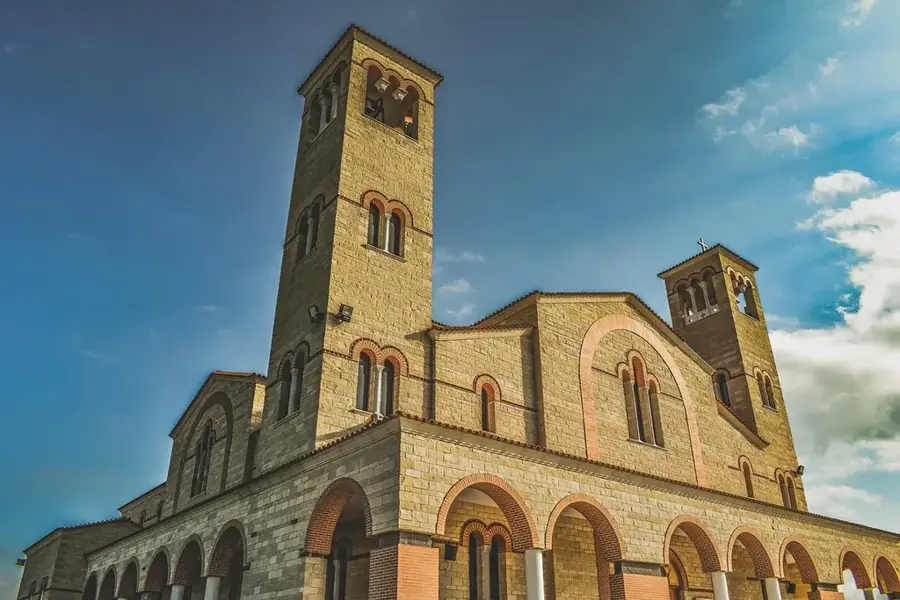
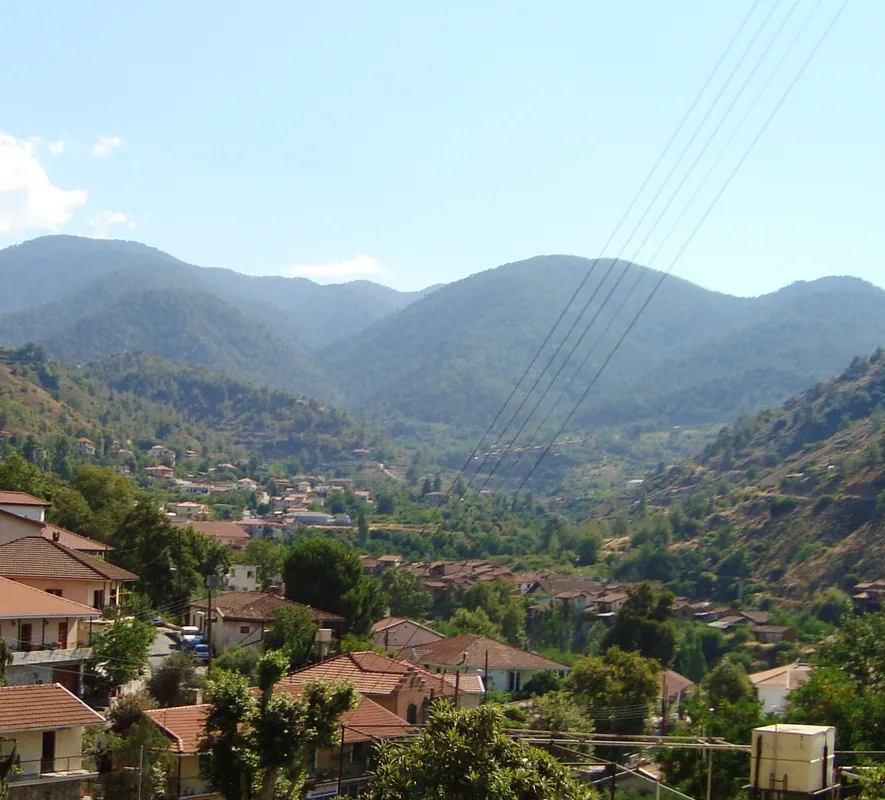
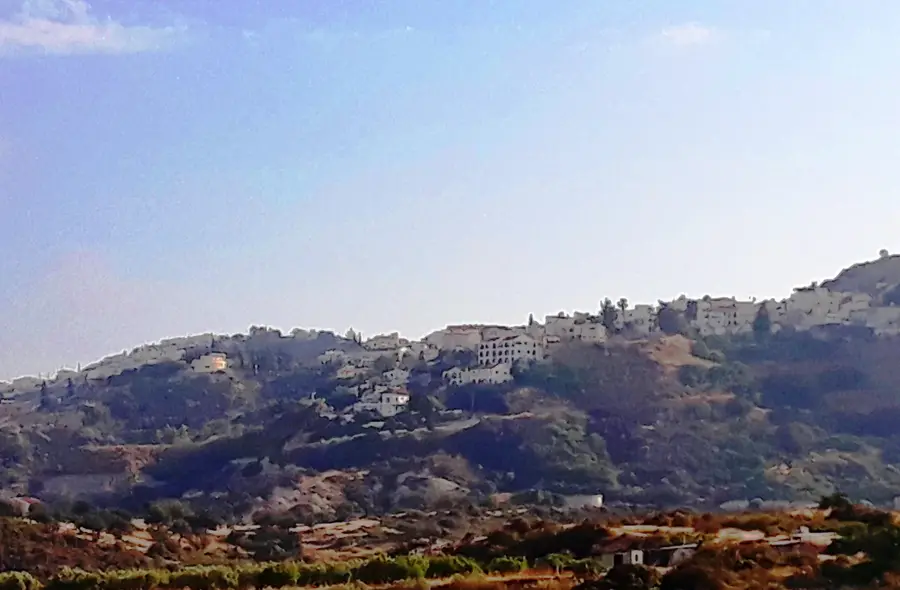
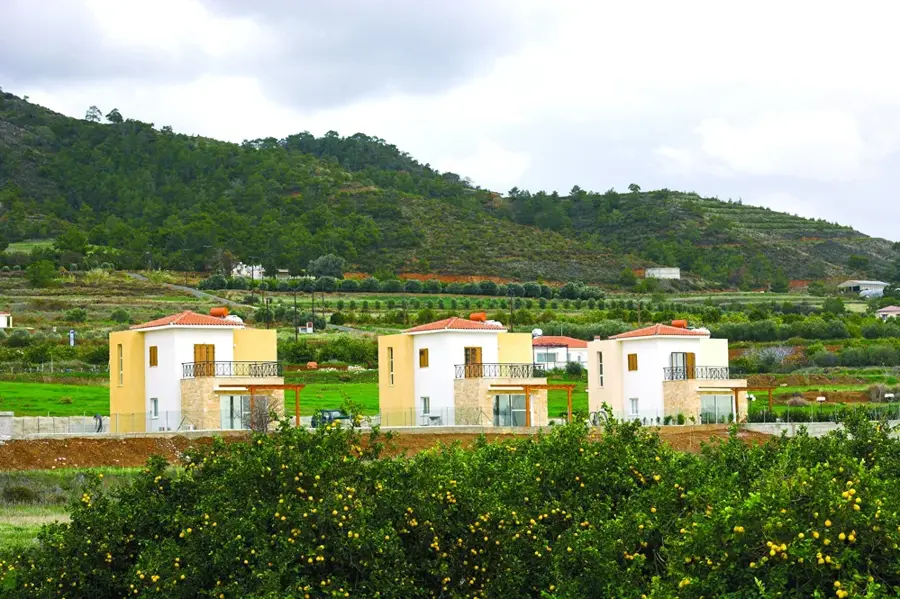
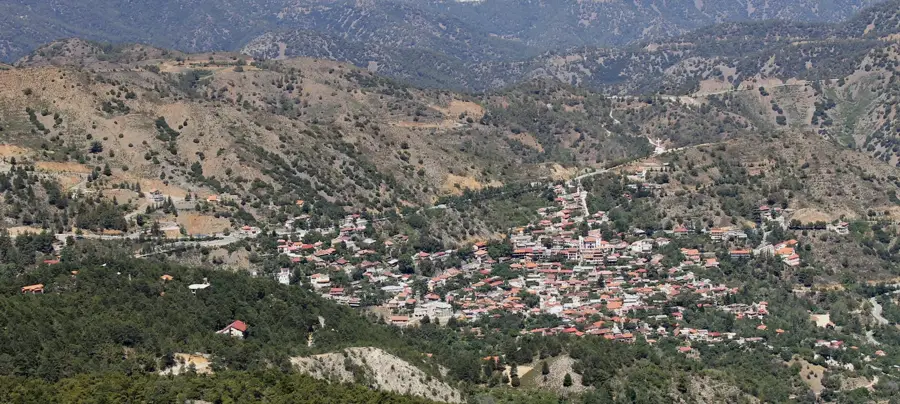
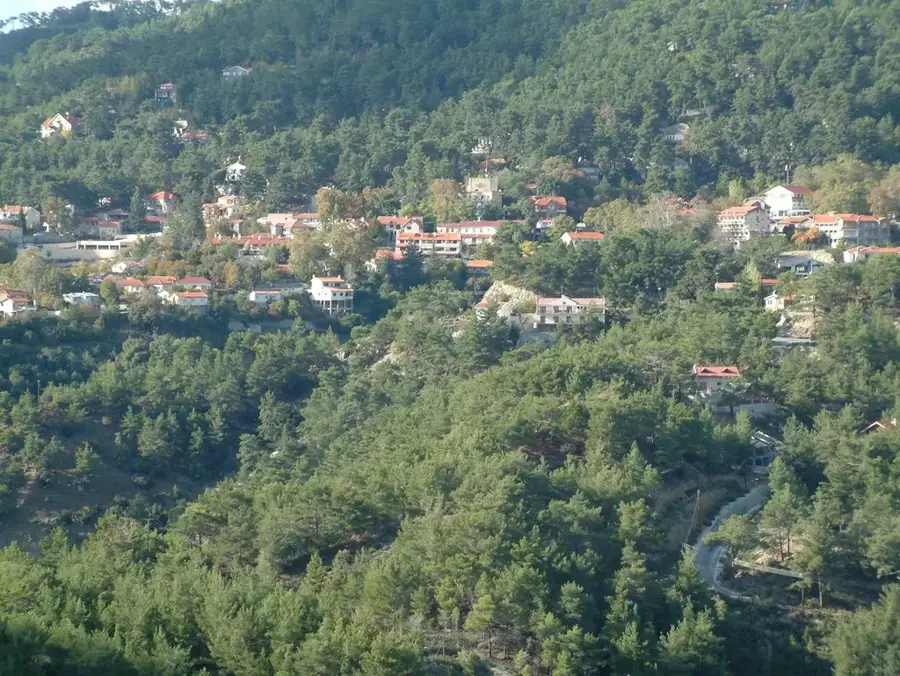
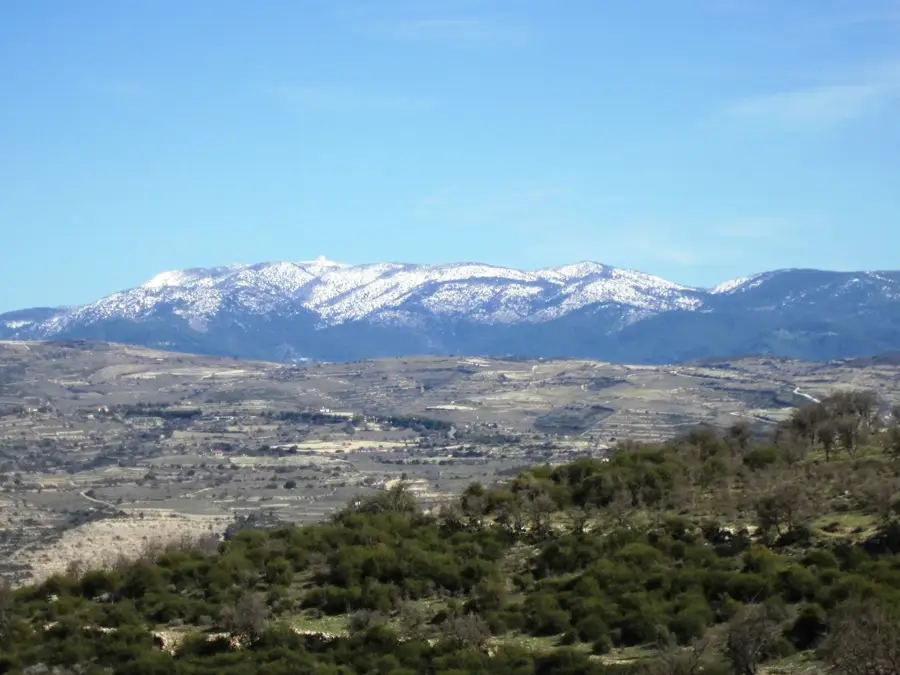
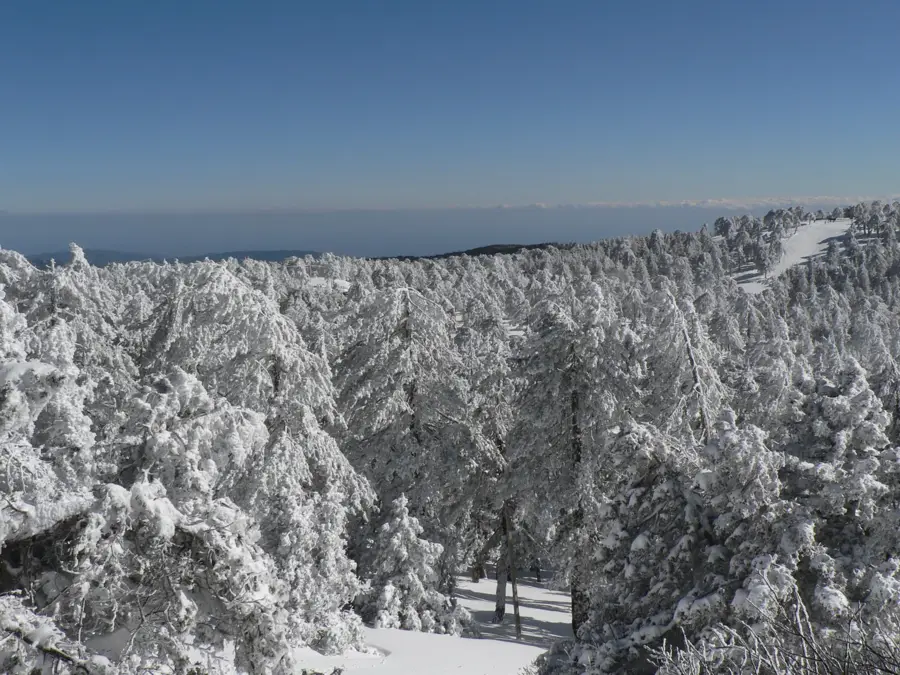
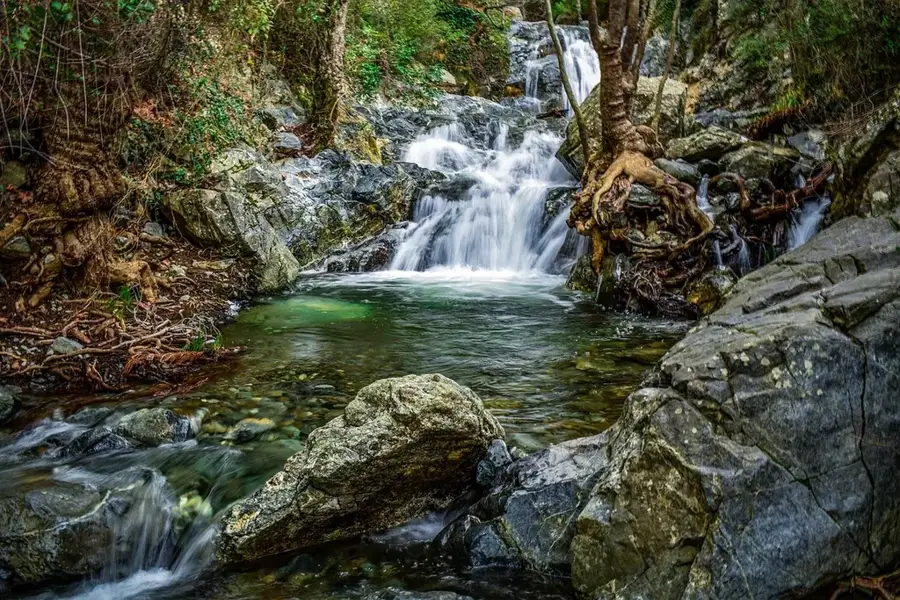
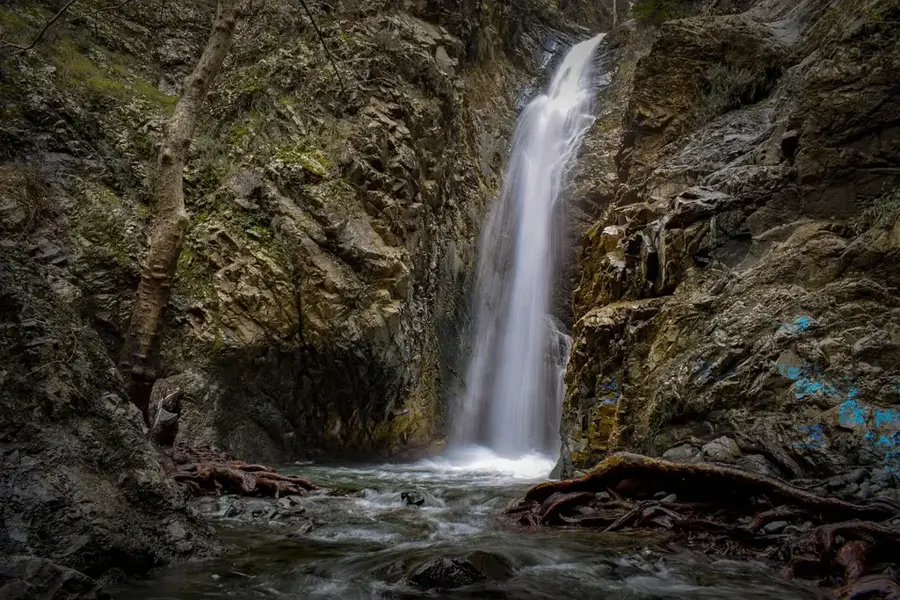
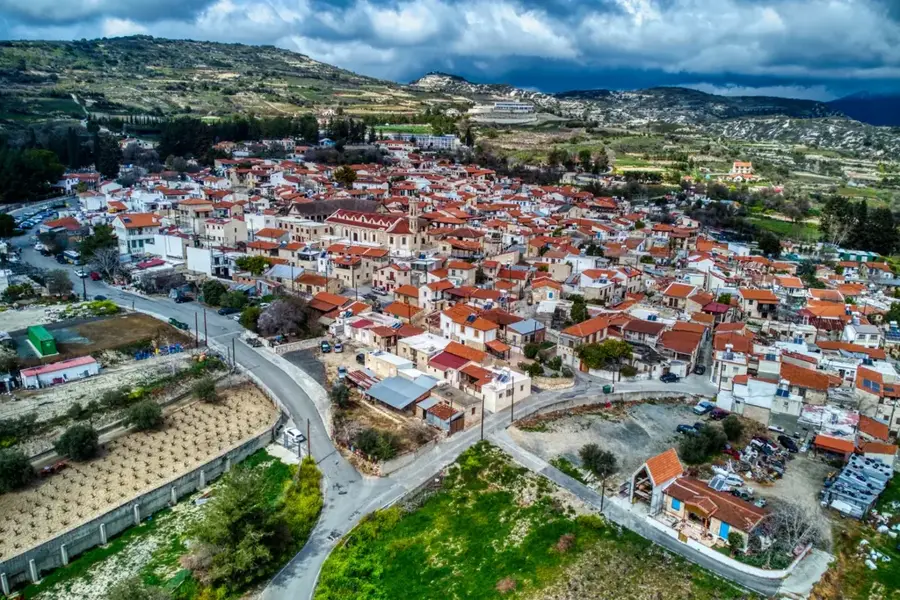
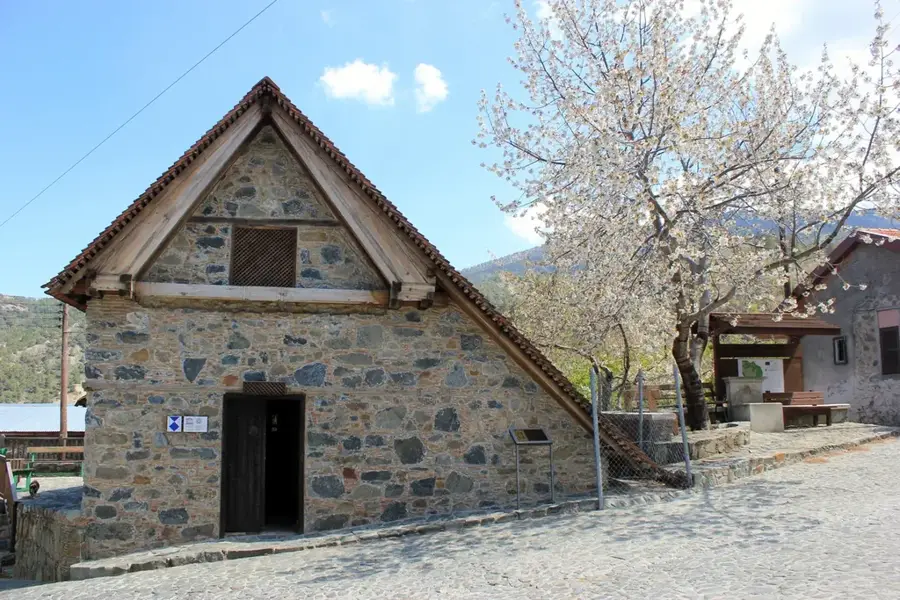
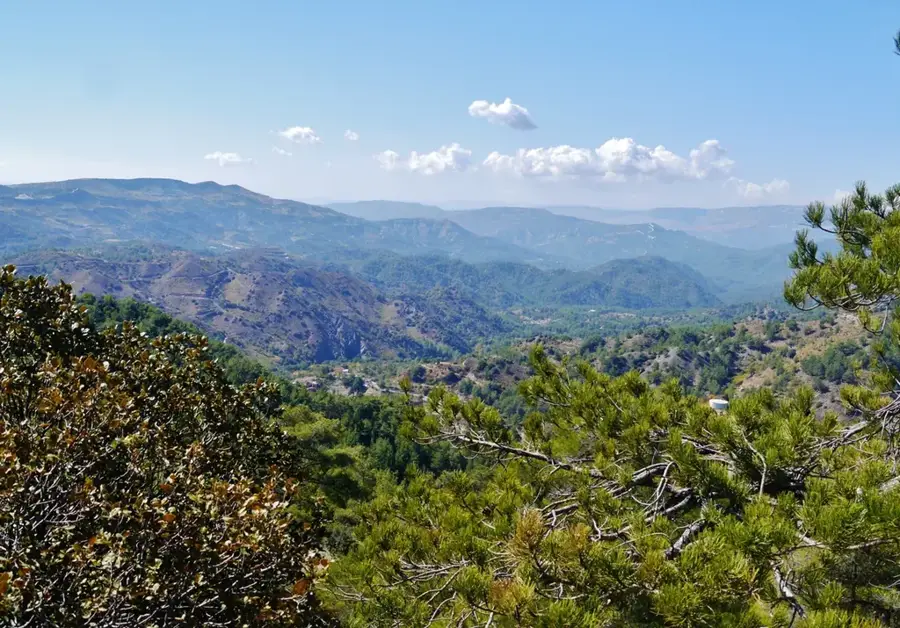
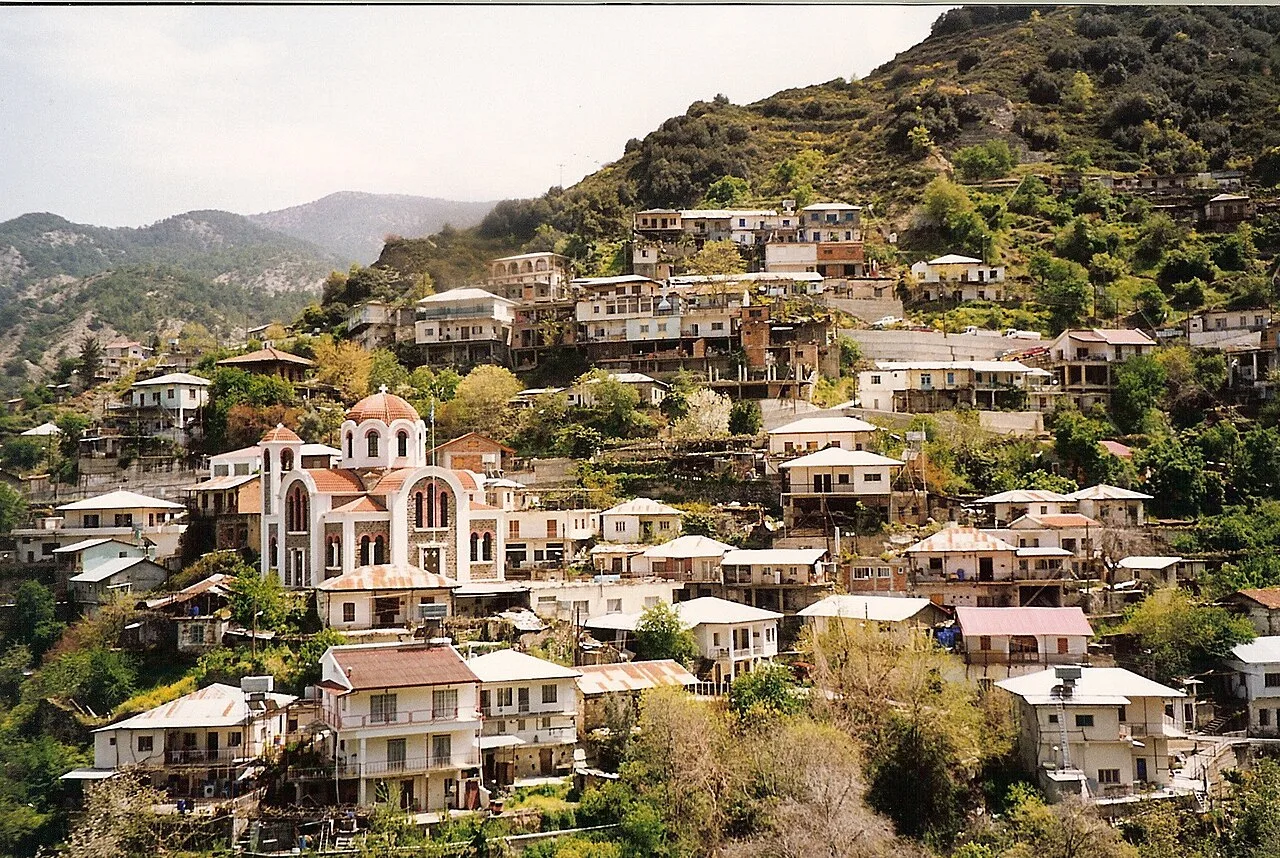
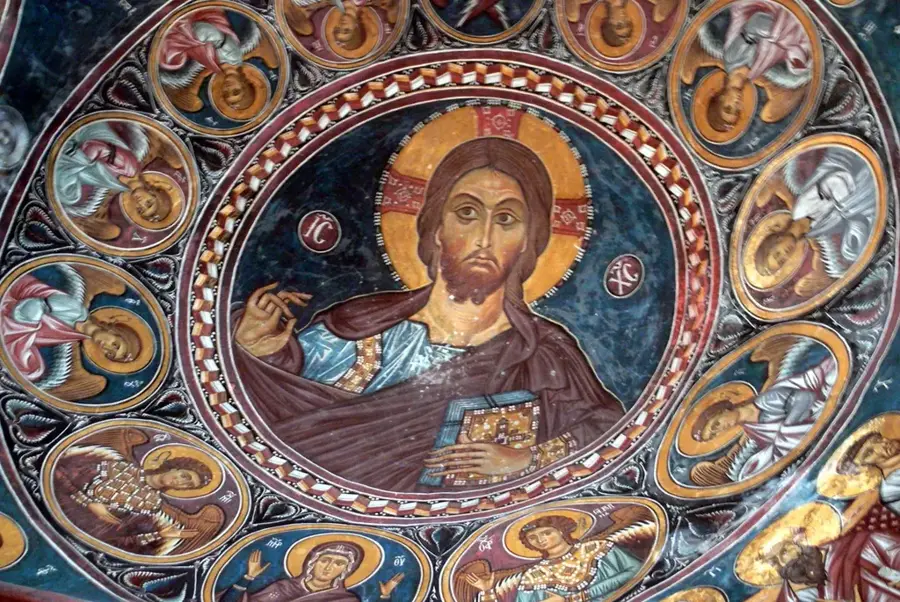
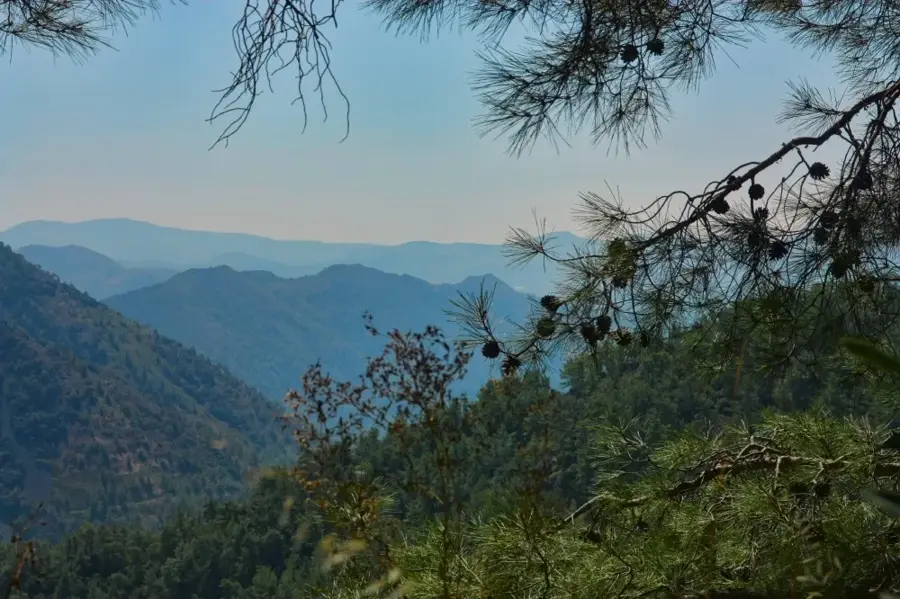
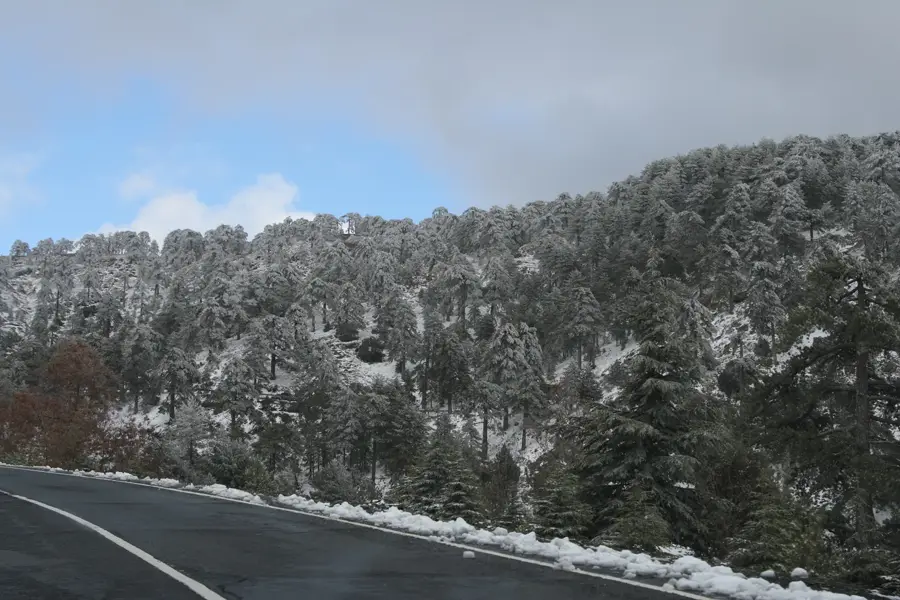
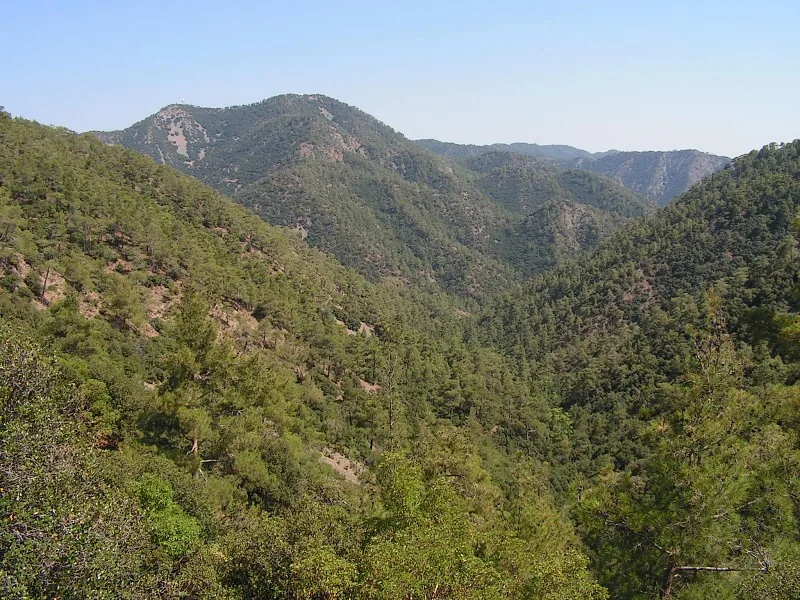
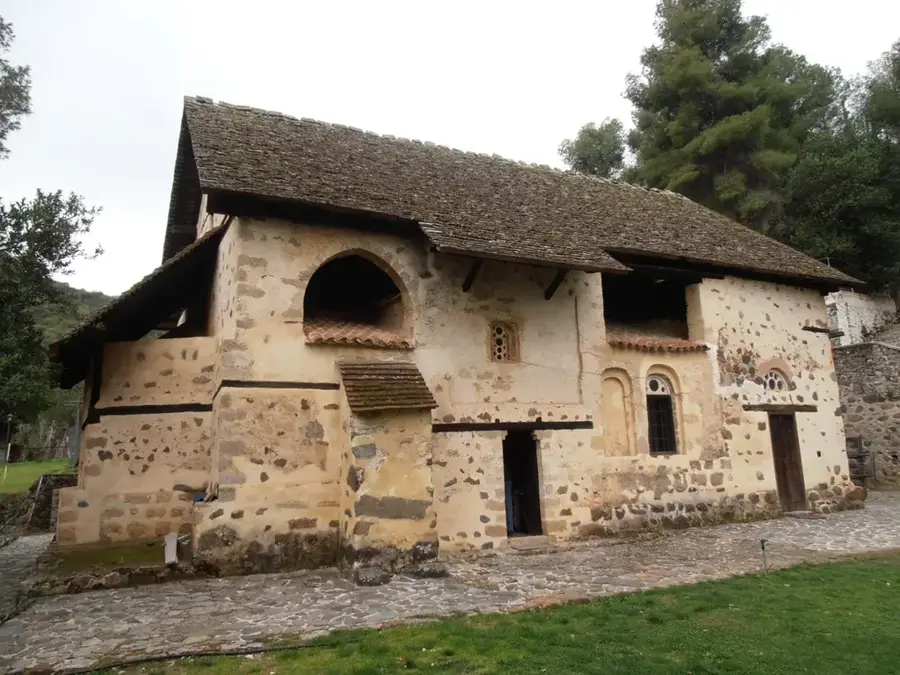
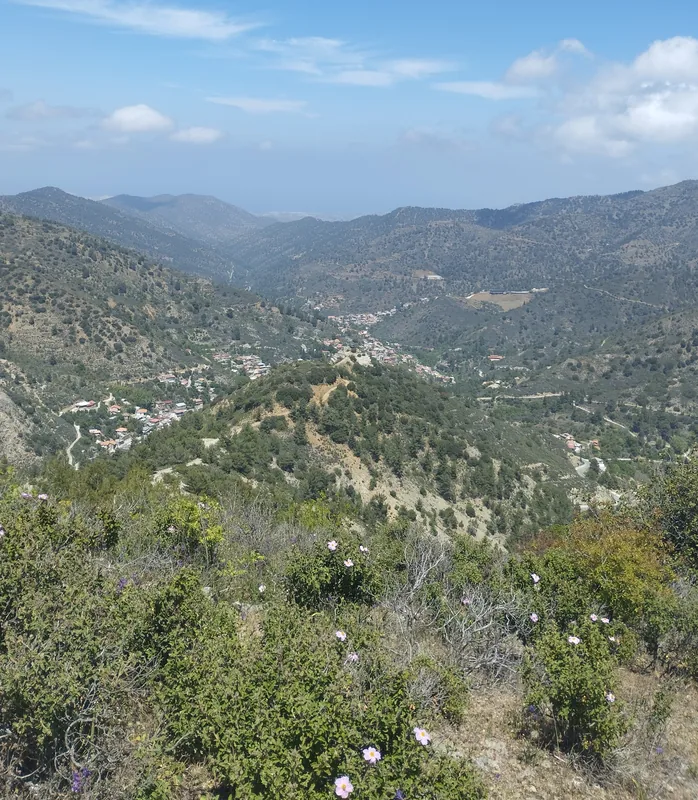
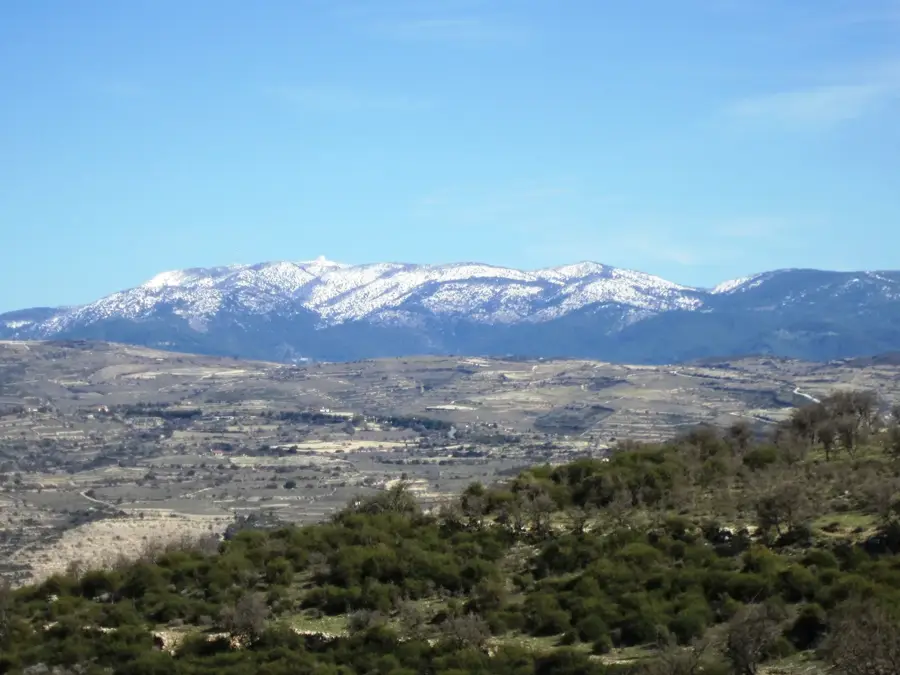
The Marathasa Valley is a fertile upland valley in the Troodos Mountains of Cyprus, renowned for its rich agricultural traditions and significant religious heritage. Stretching across the northern slopes of the range, it encompasses photogenic villages such as Kalopanayiotis, Moutoullas, and Pedoulas, situated at elevations between 700 and 1100 meters. The valley is famous for its cherry production and traditional confectionery, as well as its medicinal mineral springs that have been utilized since antiquity. Historically, the valley houses important ecclesiastical monuments, including the Church of Panagia tou Moutoulla, built in 1280, which is a designated UNESCO World Heritage site. The architecture of the local villages is characterized by steep-pitched timber roofs, developed to withstand heavy winter snowfalls in the mountains. Ecologically, the valley features lush vegetation, including pine forests and orchards supported by ancient irrigation systems. Today, Marathasa remains a vital center for agrotourism and the preservation of traditional Cypriot crafts.

Best time to visit & climate

The most pleasant time to visit is Apr, May, Oct.

JanFebMarAprMayJunJulAugSepOctNovDec
Avg °C111114172227303027221713
Rain mm83512814102016203885

📋 Practical info

🧭
Getting there
This exceptionally fertile valley is best reached by car via the deeply winding, scenic mountain roads of the Troodos range, leading directly into the main traditional fruit-growing mountain villages.
📅
Best season
Spring for viewing the truly spectacular orchard blossoms or late summer to autumn for the animated and colorful fruit harvest are typically by far the most rewarding times of year for an unforgettable visit.
⛰️
Terrain & paths
The geographical area consists of extremely steep mountain slopes interspersed with carefully terraced orchards, meaning that local walks inevitably involve frequent, and sometimes tiring, continuous ascents and descents.
🎒
What to bring
Comfortable, sturdy walking shoes with extremely strong grip are absolutely essential for safely navigating the steep village streets, along with versatile clothing layers for the rapidly changing mountain temperatures.
🅿️
Parking
Most traditional villages tightly tucked in the valley offer small, designated visitor parking areas, although available spaces can often become quite tight and extremely crowded during the highly popular autumn harvest festivals.
⚠️
Safety
Drivers must remain extremely cautious on the narrow, blind-cornered mountain roads, while walkers should stay purely on clearly marked public paths to entirely avoid accidentally trespassing in private commercial agricultural orchards.
⏱️
Time needed
Most interested travelers typically spend at least a half-day or occasionally even a full day thoroughly touring the various traditional villages and completely enjoying the remarkably scenic, awe-inspiring mountain views.

Geography

Coordinates
34.95200, 32.83100

Facts

  • Village elevations: 700 to 1100 meters above sea level
  • Panagia tou Moutoulla church dates back to 1280
  • Primary agricultural output: high-quality cherries
  • Kalopanayiotis is famous for its sulfurous springs
  • Houses the UNESCO-listed Lampadistis Monastery
  • Features distinctive steep-pitched timber-roof architecture

Explore nearby

Notable places around
Route planner — Car & Motorhome

Where do you start? We build the route here, with stops and country notes along the way.

Vehicle
Only stops with (optional):

© OpenStreetMap contributors · OpenRouteService

Sights in the town Marathasa Valley (1)

Panagia tou Moutoulla⛪ religious

A UNESCO World Heritage Byzantine church in the village of Moutoullas.

🕒 Sep-May Mo-Fr 07:30-15:00; Sa-Su off; Jun-Aug Mo-Fr 08:00-15🆓

Sights nearby

Frequently asked questions

Which villages should I visit?
Kalopanayiotis, Moutoullas, and Pedoulas are the best-known mountain villages in the valley.
Are there monasteries there?
Yes, the famous Kykkos Monastery is very close by, located above the valley.
What is the valley agriculturally known for?
The valley is famous for its cherries and apples.
Are there healing springs?
In Kalopanayiotis, there are sulfur springs used for healing since ancient times.
How do you get there from Nicosia?
The valley can be reached via the main roads towards the Troodos Mountains in about 1.5 hours.
Marathasa Valley: where is it located?
Marathasa Valley is located in Cyprus.
Marathasa Valley: when is the best time to visit?
The most pleasant time to visit is Apr, May, Oct.
Marathasa Valley: why is it worth visiting?

The Marathasa Valley is a fertile upland valley in the Troodos Mountains of Cyprus, renowned for its rich agricultural traditions and significant religious heritage.
View on map → The Top 50 Attractions → Most beautiful beaches → OpenStreetMap →
Europe
Explore with Plizio Discover more places in Europe
More places in Cyprus →

Nearby cities

History & landmarks
More places