Plizio Visual Lab
Ezousa Valley
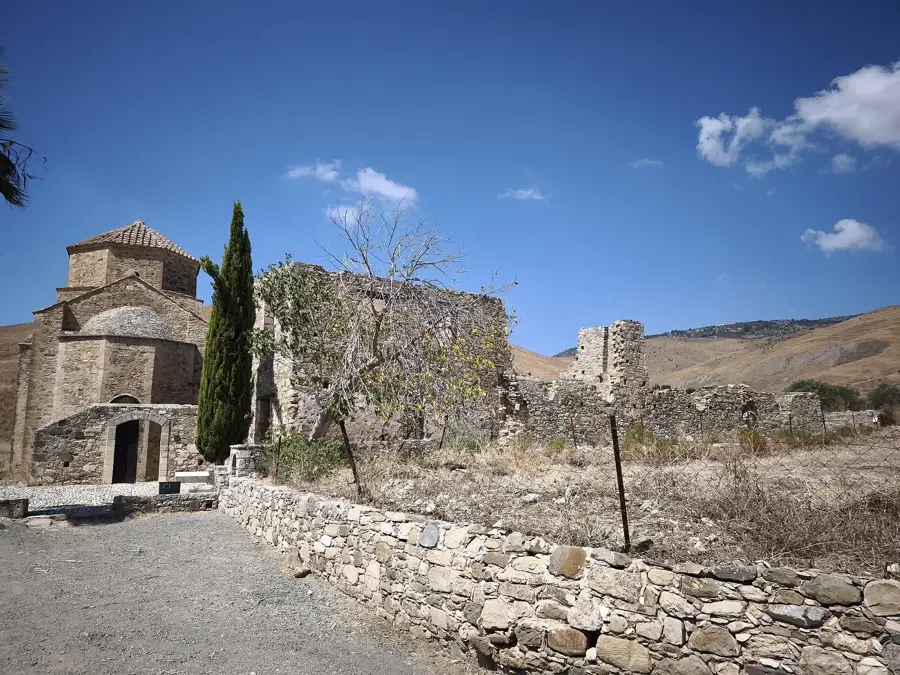
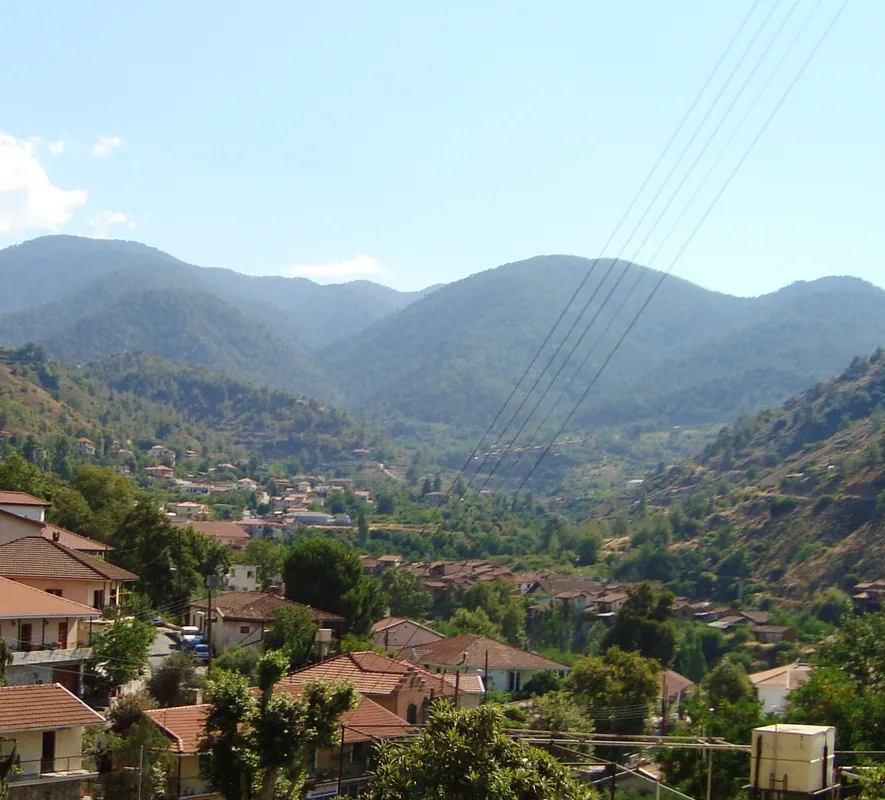
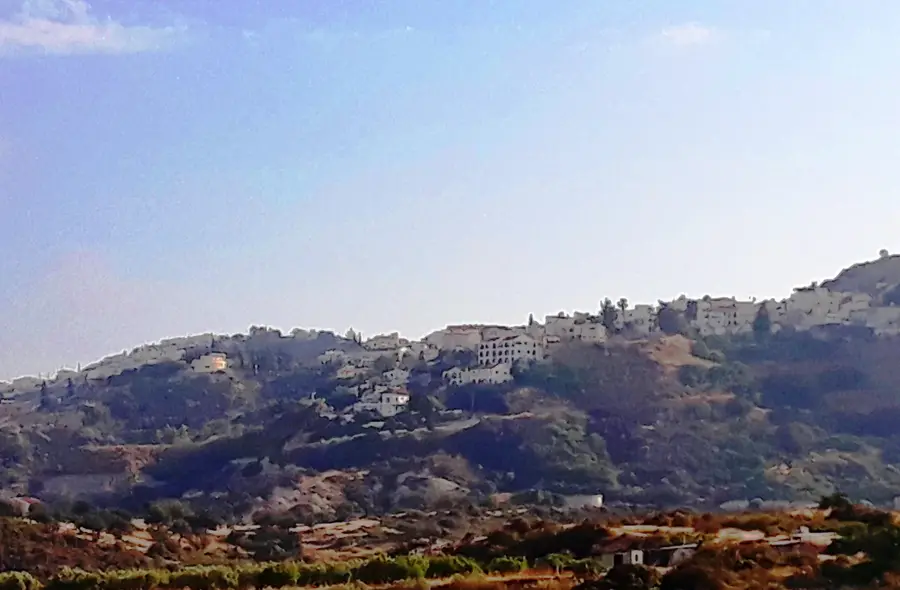
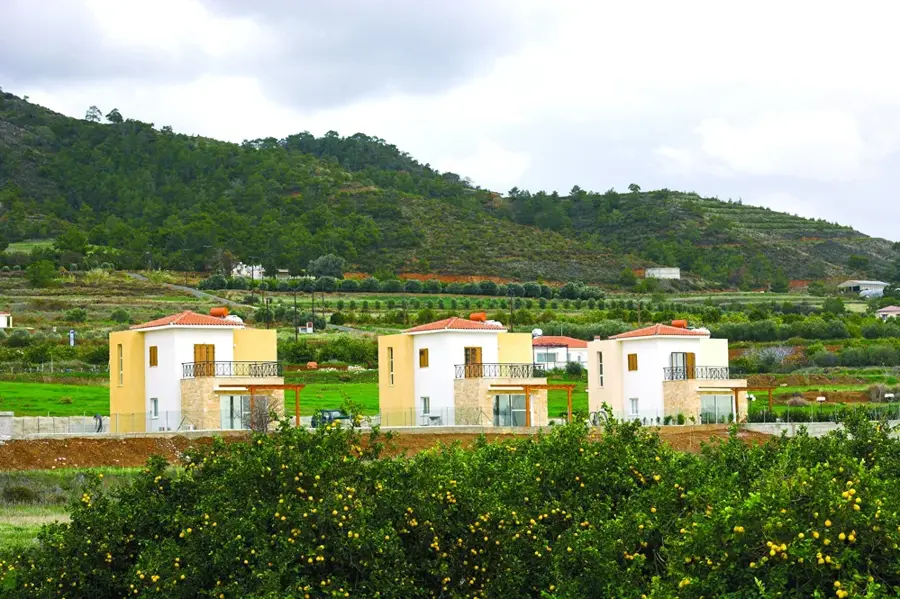
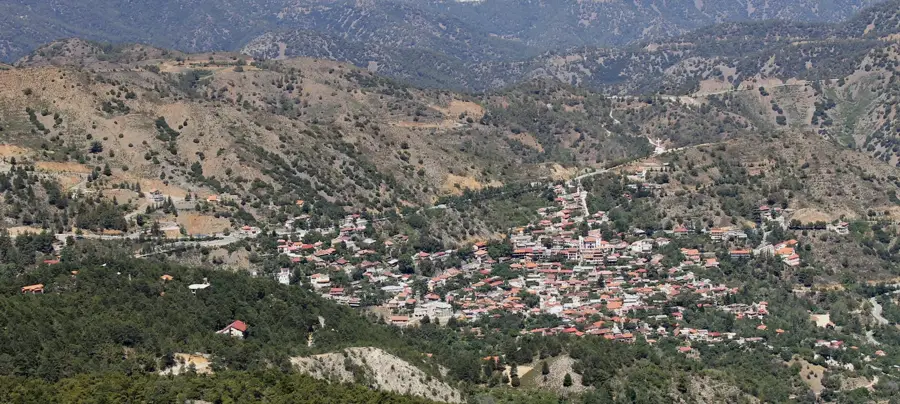
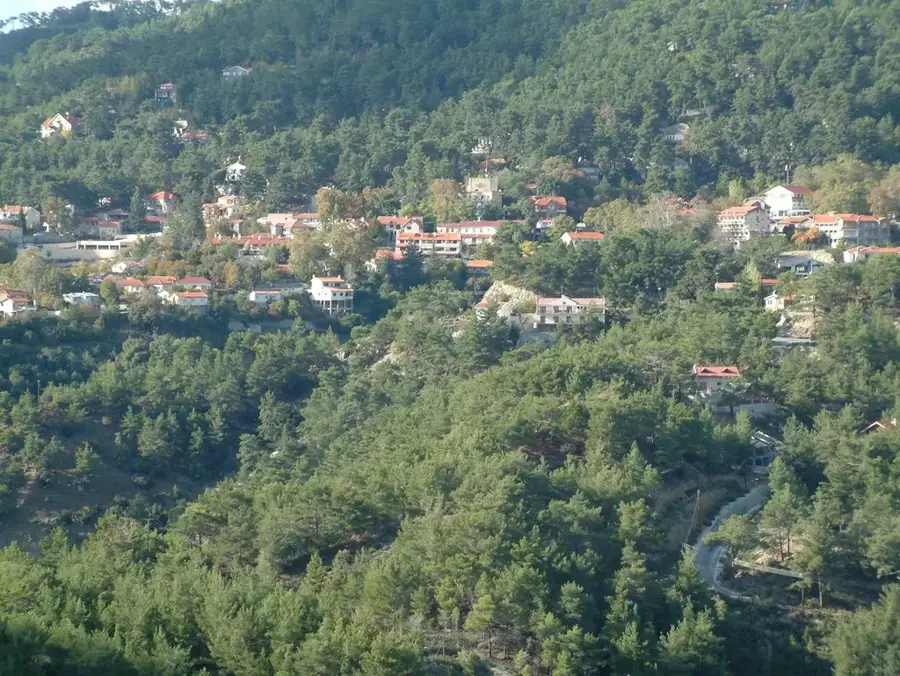
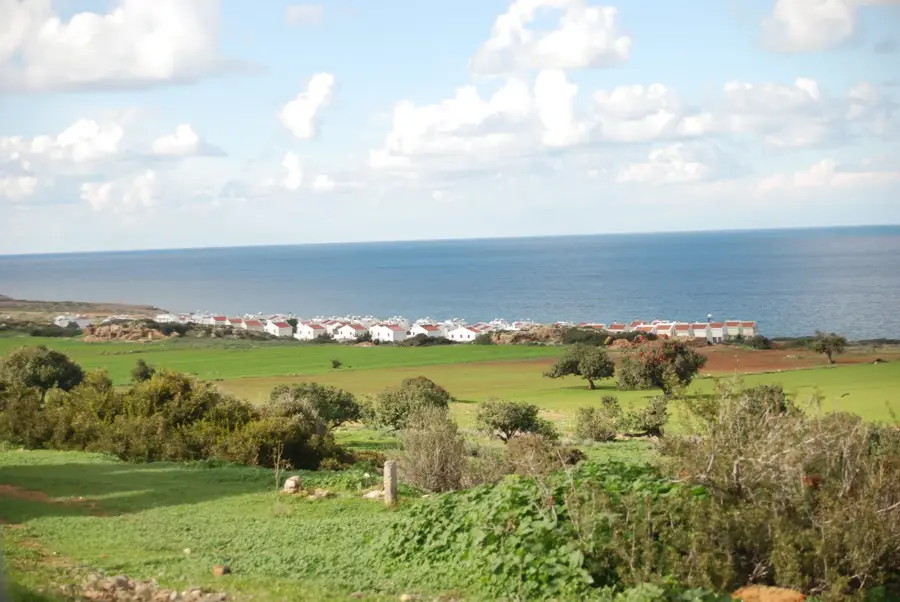
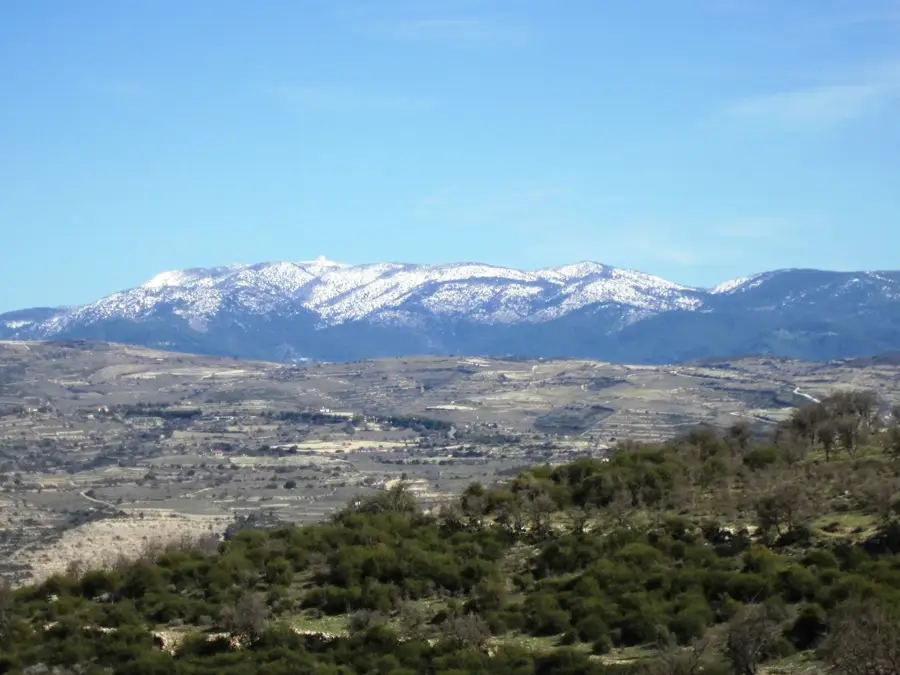
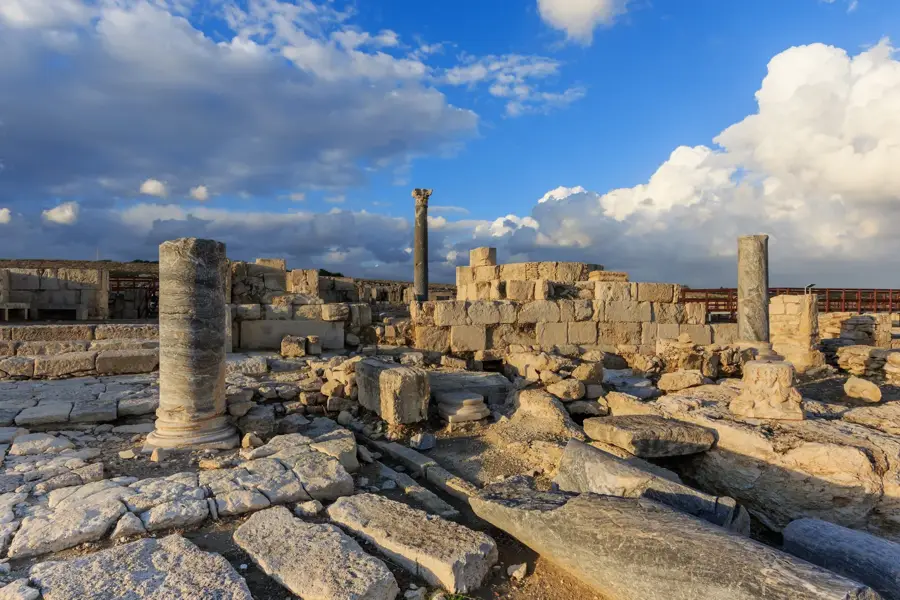
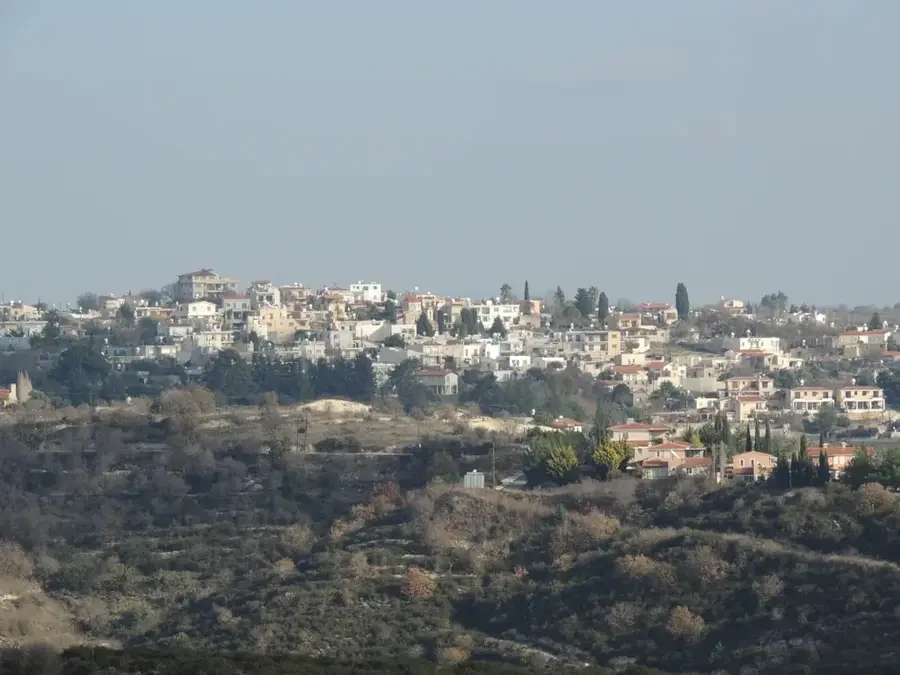
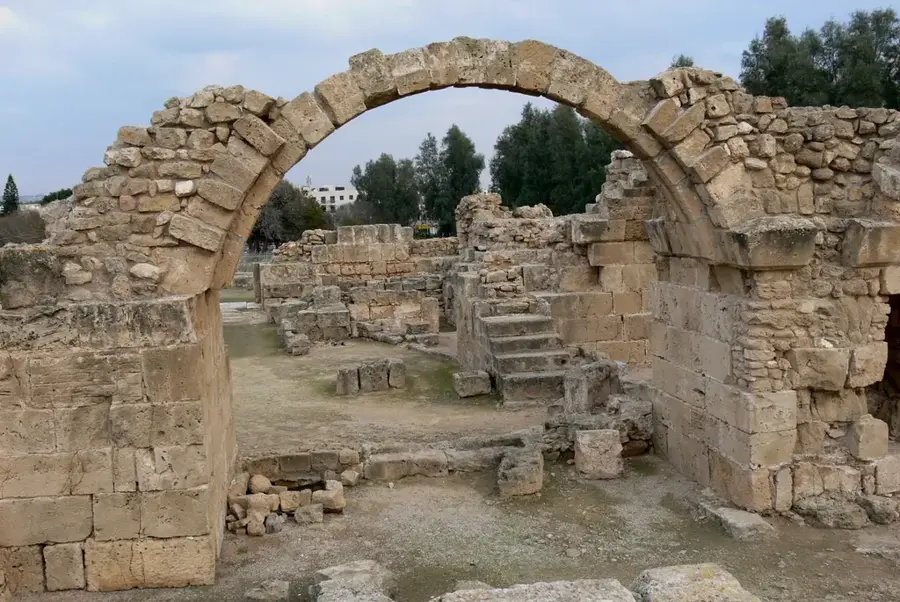
The Ezousa Valley in western Cyprus stretches 41 kilometers from the Troodos Mountains to the coast southeast of Paphos. It is considered one of the island's most ecologically diverse valleys, characterized by unique geological features such as the Episkopi Rock, a massive limestone monolith. The river's flow is regulated by the Kannaviou Dam, completed in 2005, which supports local citrus and olive groves. Designated as an Important Bird Area (IBA), the valley hosts over 240 species, including the rare Bonelli's eagle and the endemic Cyprus wheatear. Historically, the valley was a hub for water-powered mills during the medieval period, used for processing sugarcane and grain. Archaeological evidence suggests human habitation dating back to the Chalcolithic era, reflecting the valley's long-standing strategic and agricultural value. Modern visitors are drawn to its scenic hiking trails, traditional stone-built villages, and the tranquil environment of its protected riparian forests.
- Location: Cyprus
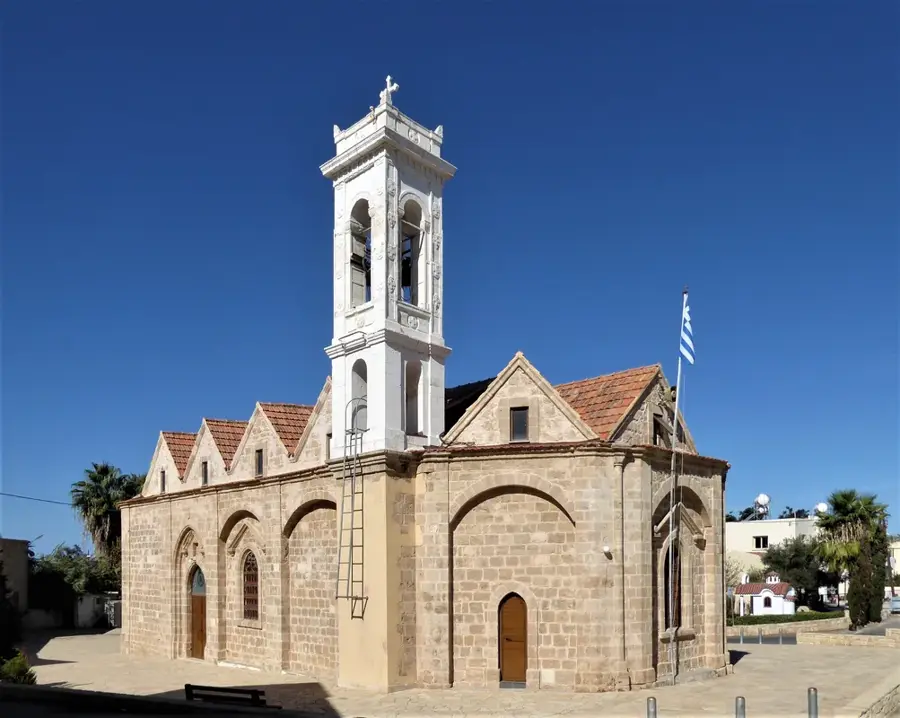
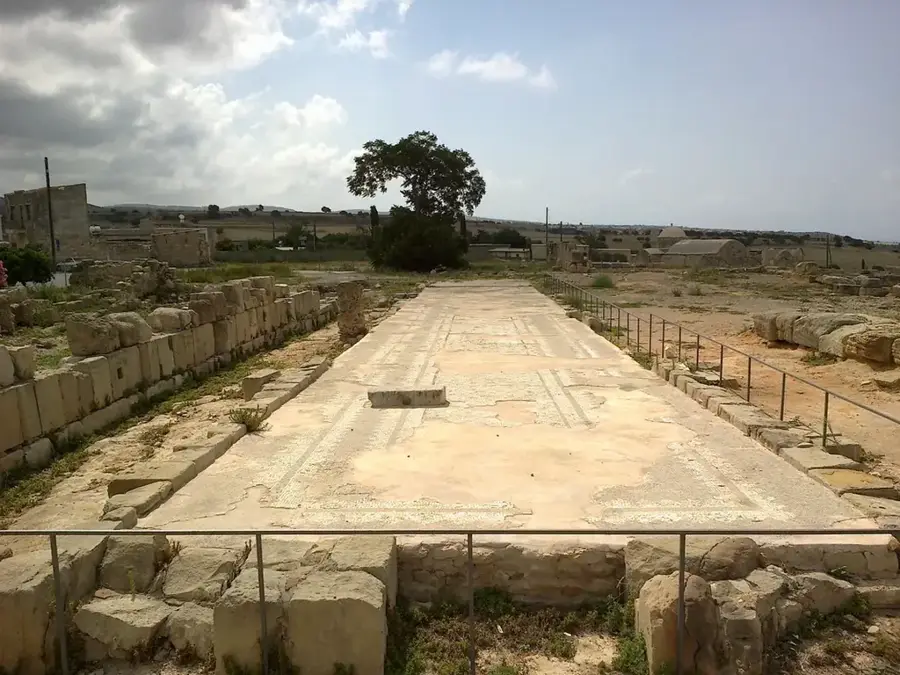
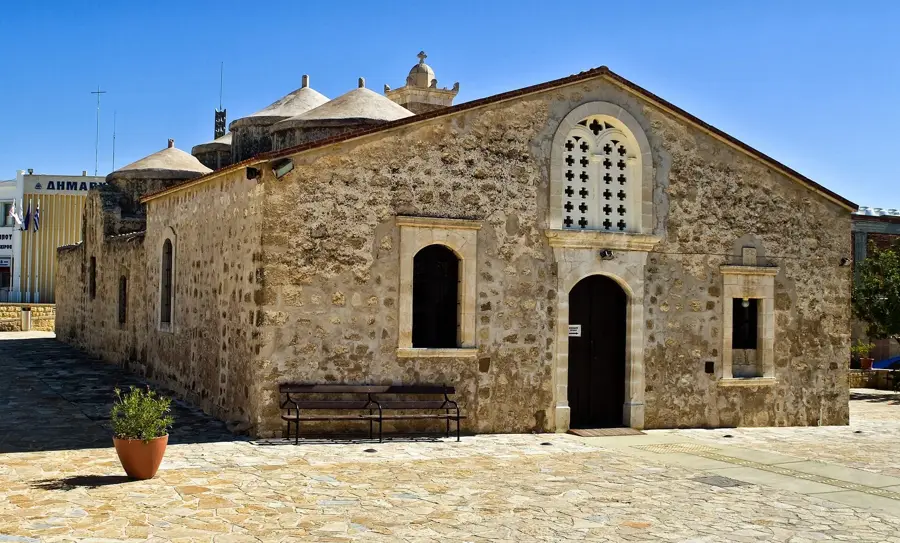
- Top sights: Nata, Cyprus · Episkopi, Paphos · Axylou
- Nearby: Paphos (14 km)
Best time to visit & climate
The most pleasant time to visit is May, Jun, Oct.
| Jan | Feb | Mar | Apr | May | Jun | Jul | Aug | Sep | Oct | Nov | Dec | |
|---|---|---|---|---|---|---|---|---|---|---|---|---|
| Avg °C | 11 | 12 | 14 | 17 | 20 | 24 | 27 | 27 | 25 | 22 | 17 | 13 |
| Rain mm | 89 | 55 | 33 | 18 | 13 | 5 | 2 | 3 | 10 | 27 | 43 | 92 |
📋 Practical info
Geography
Facts
- The Ezousa Valley spans a total length of 41 kilometers.
- Over 240 bird species have been recorded within the valley's ecosystem.
- The Episkopi Rock is recognized as the largest limestone monolith in Cyprus.
- The Kannaviou Dam was officially commissioned in 2005 for water storage.
- Medieval ruins in the valley reveal a history of water-powered sugar mills.
- The area is a protected site under the European Natura 2000 network.
Explore nearby
Notable places around


Route planner — Car & Motorhome
Where do you start? We build the route here, with stops and country notes along the way.
© OpenStreetMap contributors · OpenRouteService
Sights in the town Ezousa Valley (3)
Sights nearby
Frequently asked questions
What is special about Ezousa Valley?
Are there rock formations there?
What can you do in Episkopi village?
When is the best time for nature observation?
Is the valley inhabited?
Ezousa Valley: where is it located?
Ezousa Valley: what is there to see?
Ezousa Valley: when is the best time to visit?
Ezousa Valley: why is it worth visiting?

Nearby cities

History & landmarks

Nature

More places