Plizio Visual Lab

Paphos Lowlands
Plizio editorial teamData Sources
valley
—°3
Paphos Lowlands (Cyprus)

Weather…

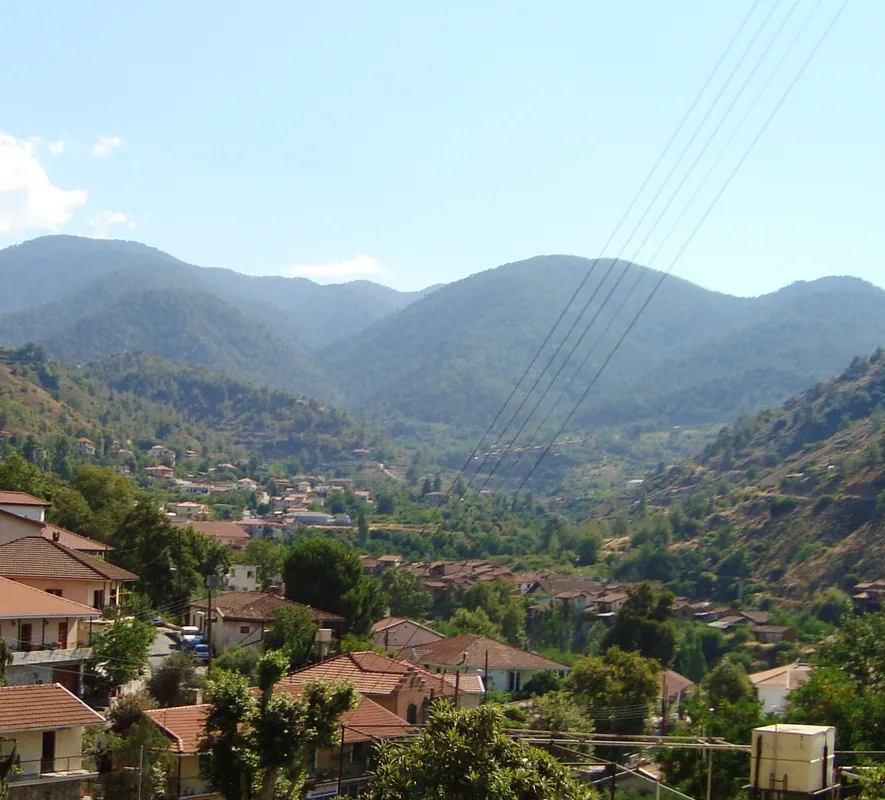
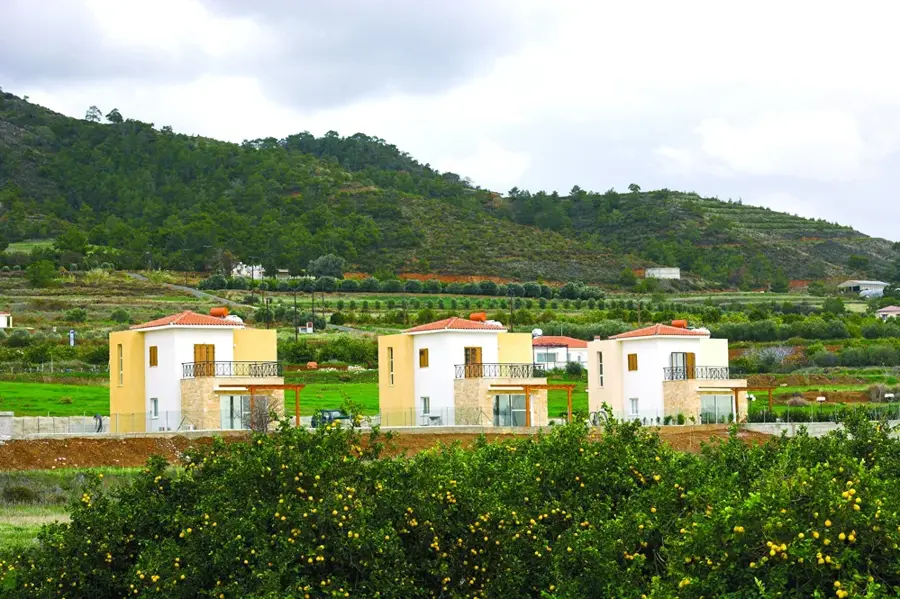
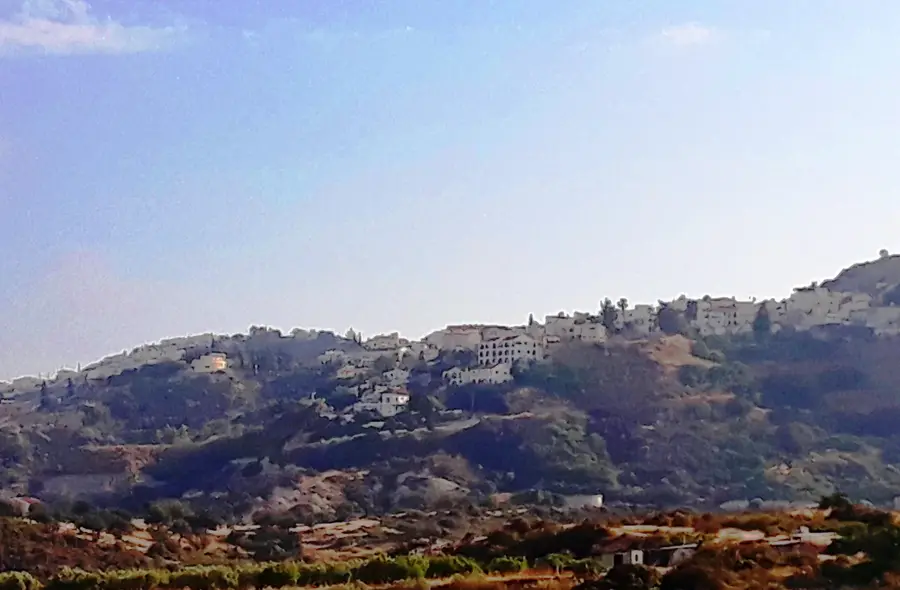
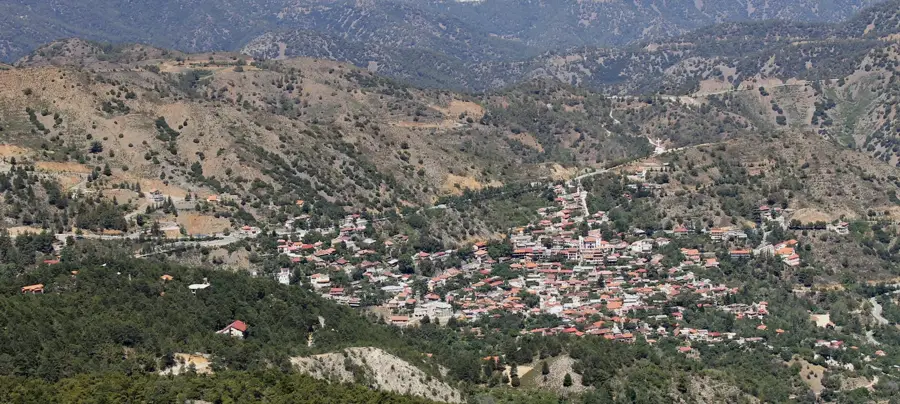
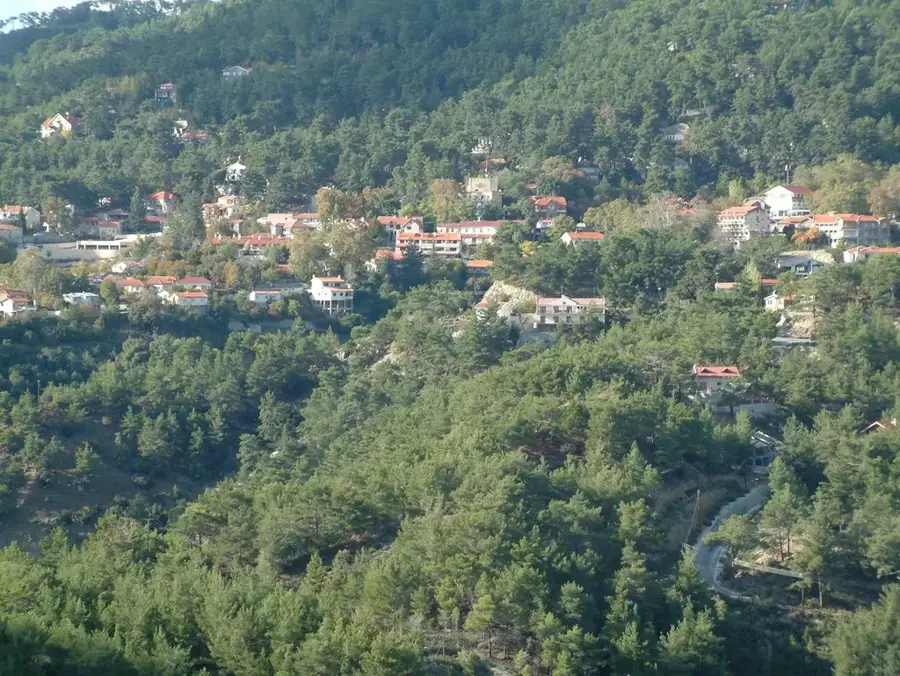
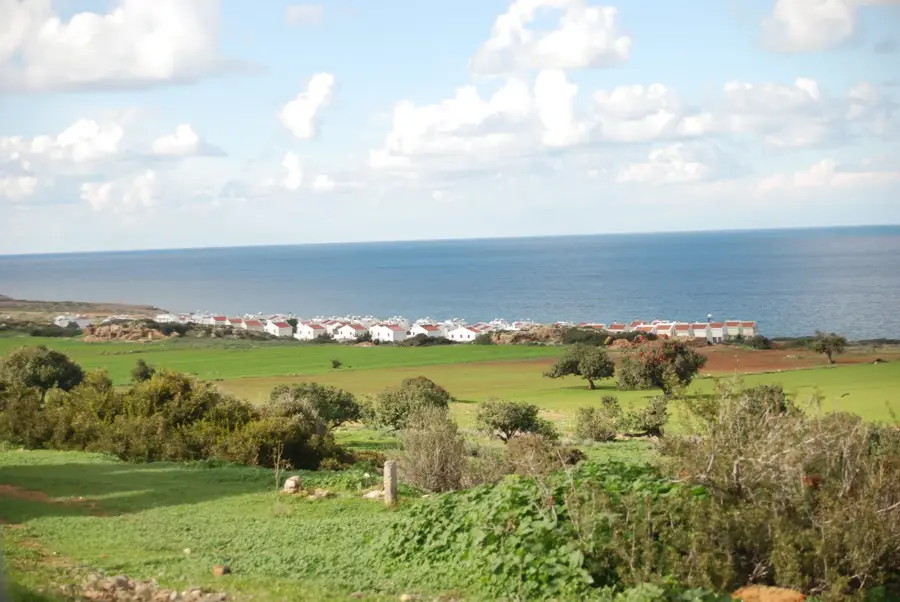
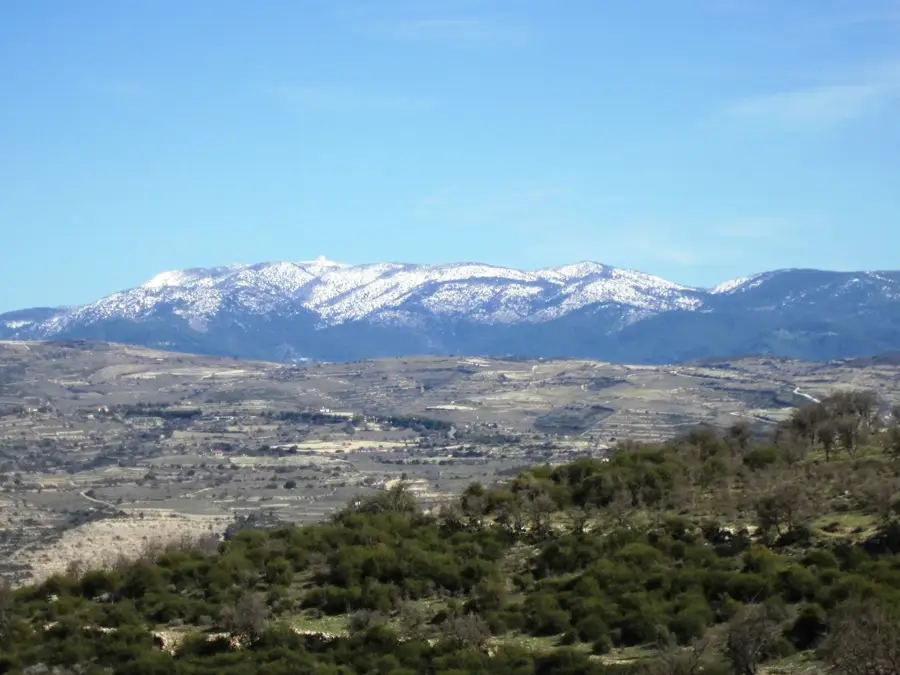
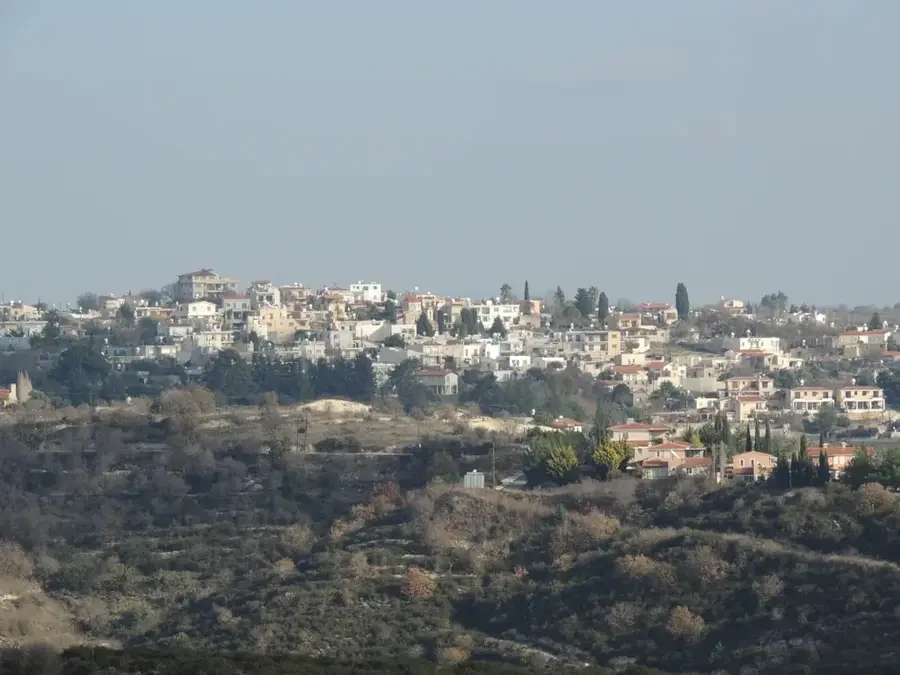
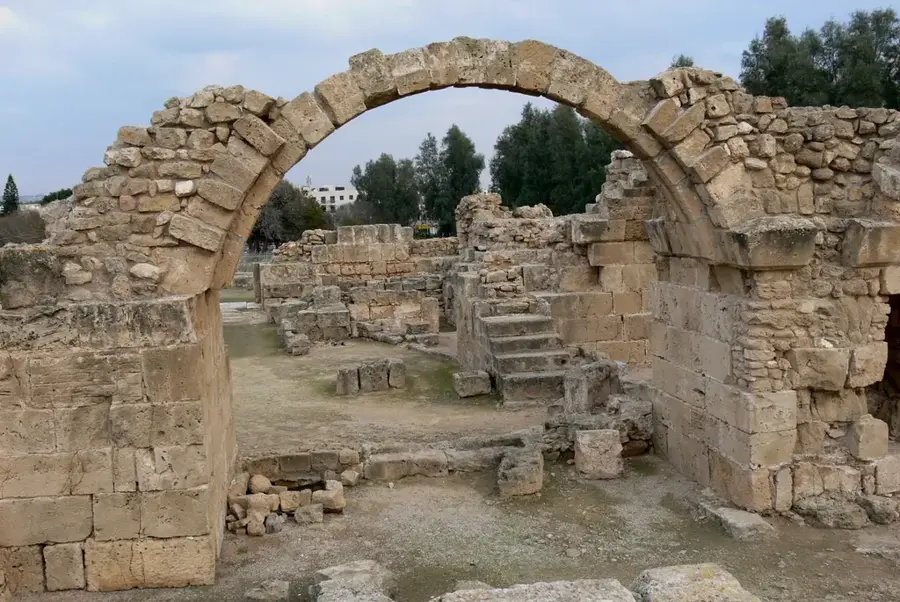
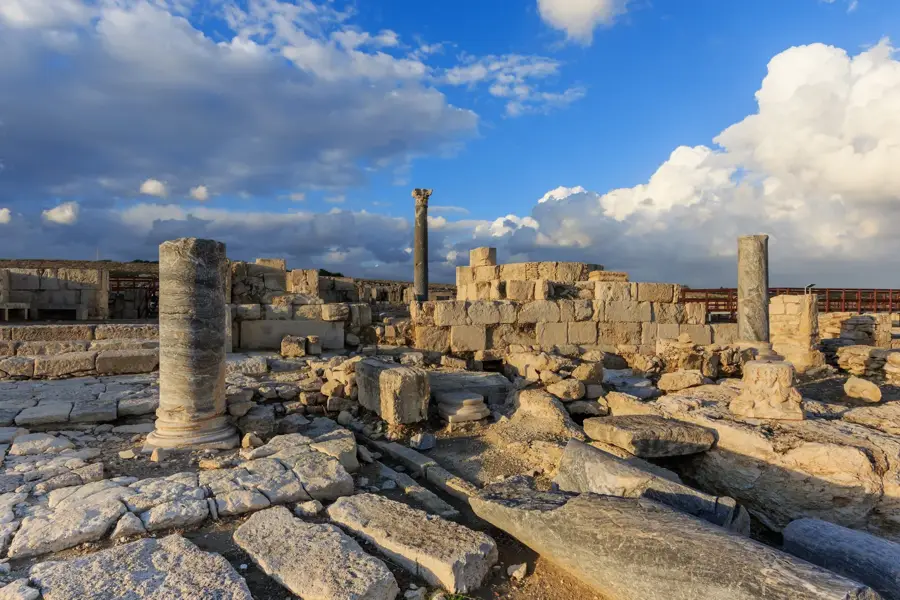
The Paphos Lowlands stretch along the southwestern coast of Cyprus, characterized by a series of coastal terraces and fertile alluvial plains. This region's geological makeup, featuring limestone plateaus and rich soil, creates well-suited conditions for cultivating bananas, grapes, and citrus fruits. Historically, the area is of immense value, hosting the ancient city of Paphos, a UNESCO World Heritage site renowned for its Roman mosaics and the Tombs of the Kings. The climate in the lowlands is the mildest and most humid on the island, supporting a lush variety of flora not found elsewhere in Cyprus. The coastline features a mix of sandy beaches and rugged cliffs, providing critical habitats for endangered sea turtles. In recent decades, the region has seen significant growth in tourism and infrastructure, supported by the presence of an international airport. Modern Paphos serves as the administrative and economic hub for this photogenic coastal landscape.

Best time to visit & climate

The most pleasant time to visit is May, Jun, Oct.

JanFebMarAprMayJunJulAugSepOctNovDec
Avg °C111214172024272725221713
Rain mm895533181352310274392

📋 Practical info

🧭
Getting there
The beautiful, deeply photogenic lowlands are extremely easily reached driving from the bustling city of Paphos via the wide main coastal avenues and smaller, quieter secondary inland roads heading directly towards the peaceful rural villages.
📅
Best season
Year-round, entirely unrestricted access is perfectly possible, but the lovely spring season brings remarkable wildflowers to the rolling hills, naturally making it a particularly scenic, vibrantly colorful, and highly pleasant time to physically visit.
⛰️
Terrain & paths
The pleasant surrounding landscape is largely characterized by very gentle, softly rolling hills and wide agricultural dirt tracks, consistently offering relatively easy, physically undemanding, and very relaxing walking or gentle cycling routes.
🎒
What to bring
Light, highly breathable walking shoes, comfortable casual outdoor clothing, and high-factor sunblock are generally perfectly adequate for thoroughly, safely exploring these physically gentle, yet mostly entirely unshaded, completely exposed open landscapes.
🅿️
Parking
Visiting tourists can typically park with immense ease directly in the central village squares or neatly alongside the notably wider agricultural roads located just closely outside the extremely quiet, heavily traditional rural farming settlements.
⚠️
Safety
Visitors should respectfully and strictly keep entirely to formal public rights of way when physically passing directly through working farmland, and consistently carry sufficient water, as deep cool shade can be quite remarkably sparse on the wide open hills.
⏱️
Time needed
Most people visiting this highly peaceful local area typically spend a relaxed two to four hours peacefully driving right through the agricultural region and taking pleasantly short walks to fully appreciate the exceptionally wide, deeply memorable coastal views.

Geography

Coordinates
34.80000, 32.50000

Facts

  • Paphos was inscribed as a UNESCO World Heritage site in 1980.
  • The region produces nearly all of the bananas grown in Cyprus.
  • The Tombs of the Kings date back to the 4th century BC.
  • Paphos International Airport is the second largest entry point to the island.
  • The Roman mosaics here are considered some of the best-preserved in the world.
  • The lowlands enjoy the highest average annual rainfall of the island's coastal areas.

Explore nearby

Notable places around

Route planner — Car & Motorhome

Where do you start? We build the route here, with stops and country notes along the way.

Vehicle
Only stops with (optional):

© OpenStreetMap contributors · OpenRouteService

Sights in the town Paphos Lowlands (3)

Minthis SPA

Wellness area at Minthis resort with indoor and outdoor pool, sauna, and treatment rooms.

Minthis ClubHouse

Clubhouse of the Minthis golf course, featuring a restaurant, terrace, and course views.

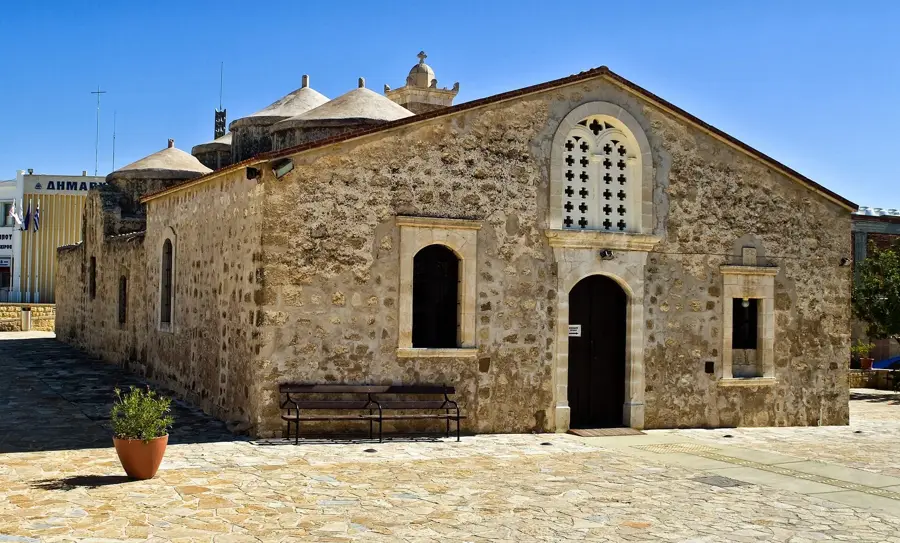
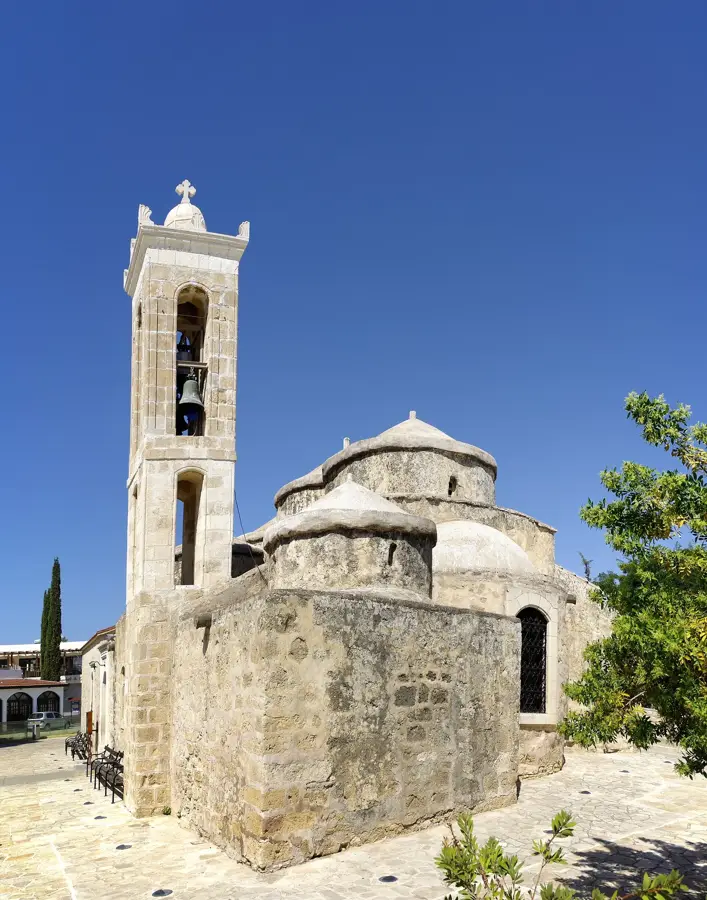
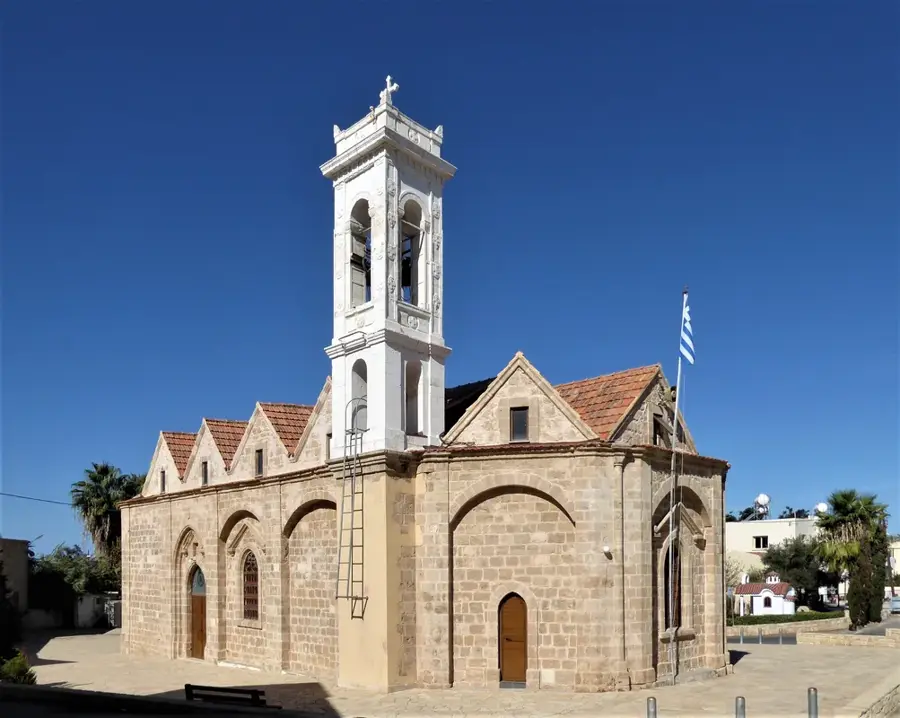
Agios Gennadios Church

Ruins of a Byzantine church, only wall fragments and foundation remain.

Sights nearby

Frequently asked questions

What makes the Paphos Lowlands special?
It is known for its fertile soils, banana plantations, and proximity to the famous sea caves of Peyia.
When is the best time to visit?
Spring (March-May) is handy as the landscape is green and temperatures are pleasant for hiking.
Are there hiking trails there?
Yes, there are flat coastal paths connecting Paphos with the Akamas Peninsula, offering great views.
Is the region suitable for families?
Absolutely, the paths are mostly flat and there are many kid-friendly beaches like Coral Bay nearby.
What clothing should I wear?
Light clothing, a hat, and sunscreen are mandatory, as there is little shade in the lowlands.
Paphos Lowlands: where is it located?
Paphos Lowlands is located in Cyprus.
Paphos Lowlands: what is there to see?
Highlights include Minthis SPA, Minthis ClubHouse, Agios Gennadios Church.
Paphos Lowlands: when is the best time to visit?
The most pleasant time to visit is May, Jun, Oct.
Paphos Lowlands: why is it worth visiting?

The Paphos Lowlands stretch along the southwestern coast of Cyprus, characterized by a series of coastal terraces and fertile alluvial plains.
View on map → The Top 50 Attractions → Most beautiful beaches → OpenStreetMap →
Europe
Explore with Plizio Discover more places in Europe
More places in Cyprus →

Nearby cities

History & landmarks
Nature

More places