Plizio Visual Lab
Raša
ℹ️Practical info — Raša
▾
🌤 Weather — 5 days
📍 Nearby
Sights nearby
💡 Tips
- Admire the modernist architecture of this planned town built in the 1930s.
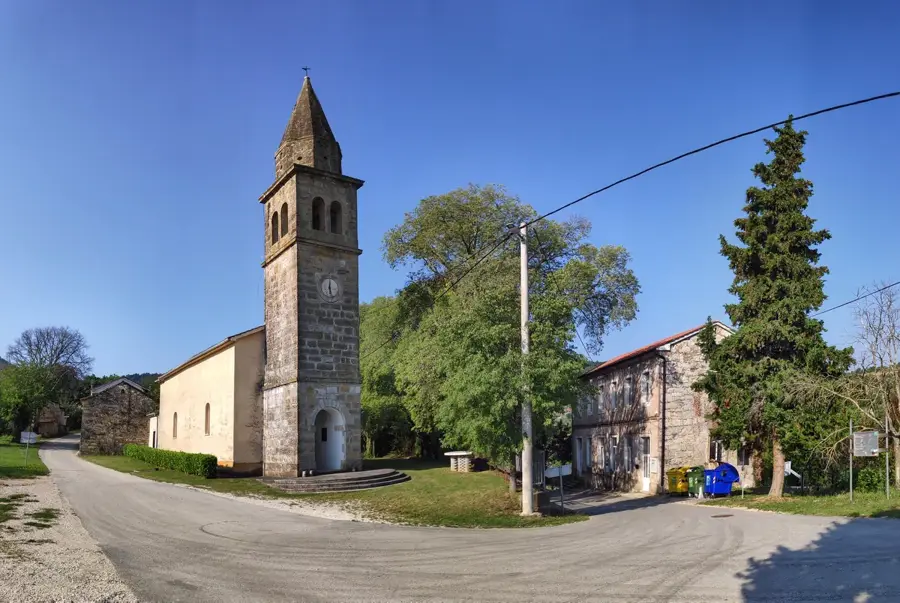
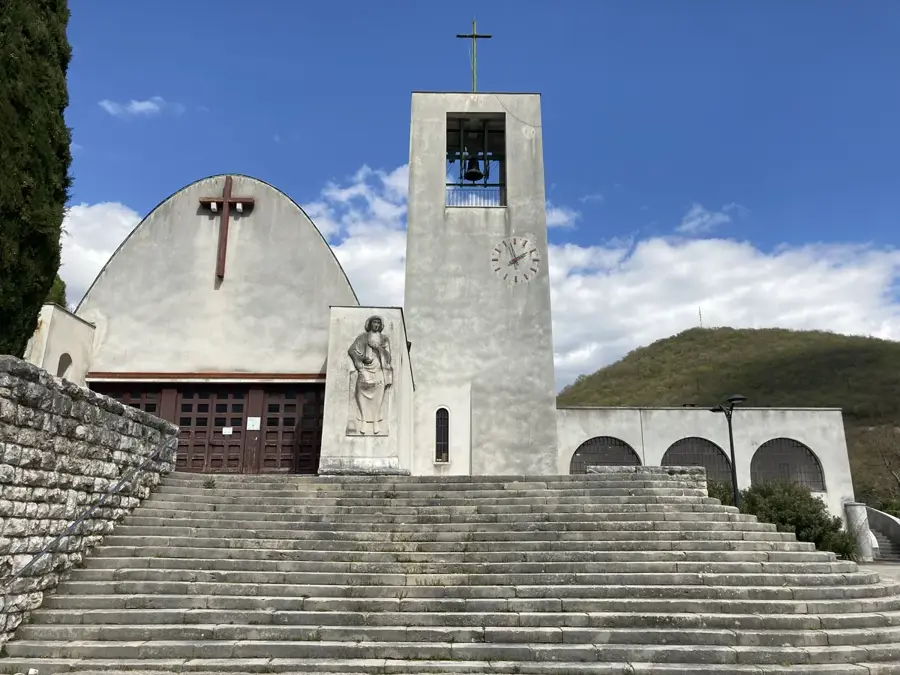
- Visit the Church of St. Barbara, which is shaped like an overturned coal wagon.
- Explore the 'St. Barbara Trail' to learn more about the local mining history.
- Raša is Istria's youngest town; notice the clean lines and functional public squares.
- The town is located in a valley; in summer, it can be significantly warmer here than on the coast.
🍽 Food
A local specialty similar to ravioli, served either as a sweet dessert or a savory main dish.
Some local eateries offer rustic stews that harken back to the mining traditions of the town.
Visit the nearby fishing village of Trget in Raša Bay for exceptional fresh seafood.
🛍 Shopping · 🧘 Quiet spots
Look for small artworks or ceramics that feature local mining motifs.
There are many beekeepers around Raša offering forest and meadow honey.
An architecturally striking, spacious square that is often very quiet and peaceful.
The surrounding landscape features quiet paths for cyclists and hikers away from the main traffic.
Water temperature…
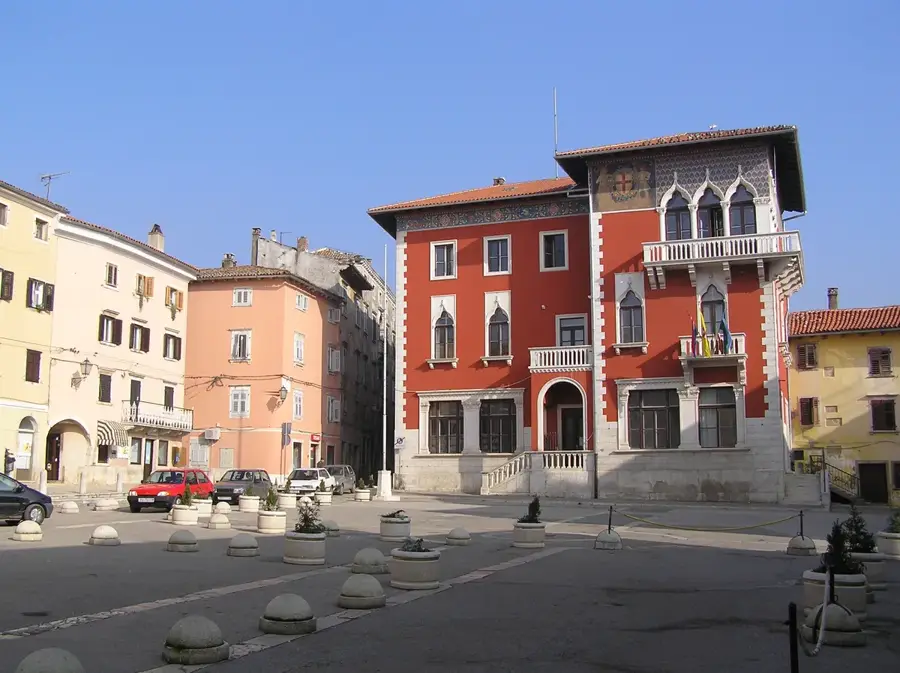
Raša is an architectural curiosity located in the eastern part of the Istrian peninsula. The town was designed and built between 1936 and 1937 in just 547 days to house workers from nearby coal mines. Architect Gustavo Pulitzer Finali created a modernist model town, which remains one of Croatia's finest examples of rationalist architecture. Every detail, from the layout of houses to the central squares, was harmonized to balance function and aesthetics. The heart of the town is the main square, featuring the Church of St. Barbara, named after the patron saint of miners. The church's form is unique, resembling an overturned coal wagon, with a bell tower that evokes a miner's lamp. The workers' houses featured uniform gardens and were designed to provide a high quality of life, which was revolutionary for that era. Although the mines are no longer operational, Raša proudly preserves its industrial heritage. A small mining museum and tours of former tunnels introduce visitors to the harsh realities of mining life. The town is tucked away in a green valley just a few kilometers from the sea, offering a fascinating alternative to Istria's medieval towns. For fans of architecture and industrial history, Raša is an essential destination.
- Location: Croatia
- Nearby: Brgod (5 km)
- Population: ~2.809
Best time to visit & climate
The most pleasant time to visit is Jun, Jul, Sep.
| Jan | Feb | Mar | Apr | May | Jun | Jul | Aug | Sep | Oct | Nov | Dec | |
|---|---|---|---|---|---|---|---|---|---|---|---|---|
| Avg °C | 6 | 6 | 9 | 13 | 17 | 22 | 24 | 24 | 20 | 16 | 11 | 7 |
| Rain mm | 78 | 95 | 74 | 67 | 84 | 64 | 49 | 71 | 113 | 101 | 133 | 102 |
Geography
Facts
- Youngest town in Istria
- Rationalist architectural style
- Built in just 547 days
- Designed by Pulitzer Finali
- Church in coal wagon shape
- Former mining hub
- Uniform workers' houses
- Industrial cultural heritage
Explore nearby
Notable places around
Route planner — Car & Motorhome
Where do you start? We build the route here, with stops and country notes along the way.
© OpenStreetMap contributors · OpenRouteService
Sights in the town Raša (1)
Frequently asked questions
Why is Raša architecturally significant?
What does the church in Raša symbolize?
Is there a mining museum?
Is Raša located directly on the sea?
What is the youngest town in Istria?
Raša: where is it located?
Raša: when is the best time to visit?
Raša: why is it worth visiting?

Nearby cities