Plizio Visual Lab
Raša Mining Town
ℹ️Practical info — Raša Mining Town
▾
🌤 Weather — 5 days
📍 Nearby
Sights nearby
💡 Tips
- Notice the town's central square, distinctively designed to look like an inverted coal wagon.
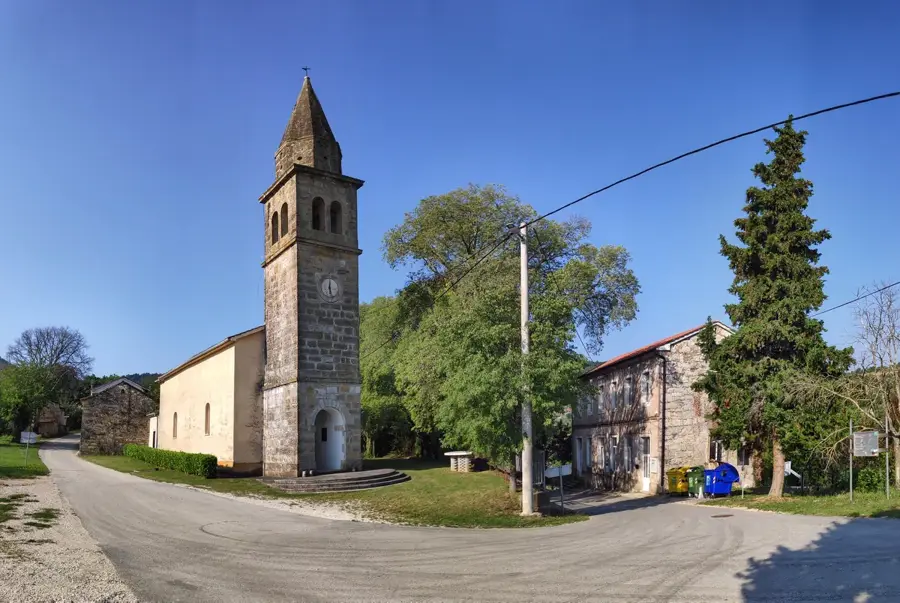
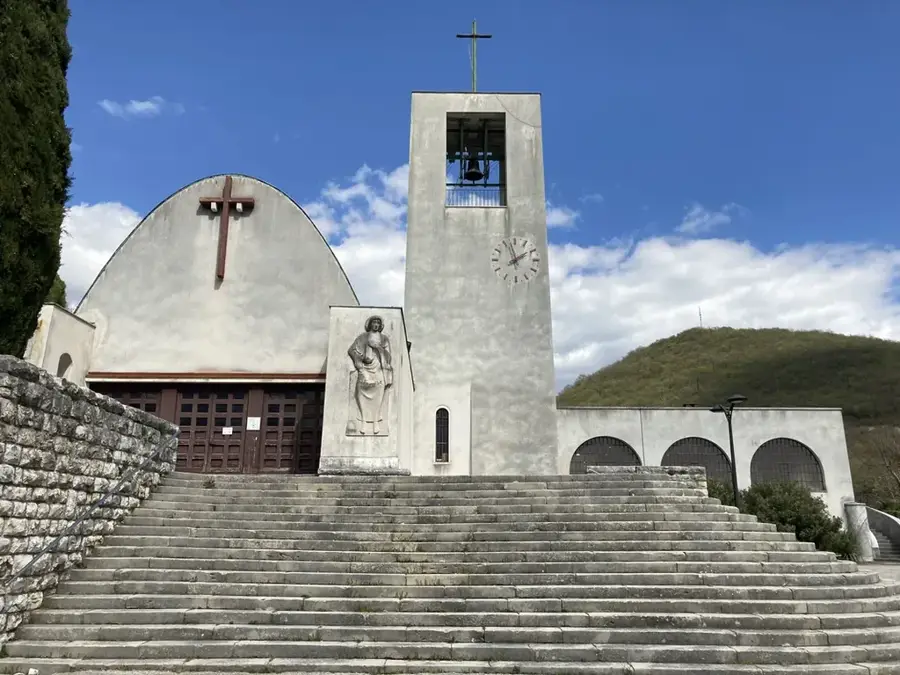
- Visit the Church of St. Barbara, dedicated to the patron saint of miners.
- Parking is usually free and easy to find around the central square.
- Wear comfortable shoes to walk up the surrounding hills for a full view of the town's unique architectural layout.
🍽 Food
A traditional thick vegetable and bean soup, first-rate for a hearty lunch in local taverns.
Istrian pasta with local truffles, best enjoyed in the traditional restaurants of nearby Labin.
Air-dried ham, a staple appetizer in any authentic Istrian konoba.
🛍 Shopping · 🧘 Quiet spots
Look for stands or local homes selling homemade honey in the surrounding valleys.
The famous local white wine, widely available in regional shops.
Take a calm walk along the riverbanks surrounded by lush green hills.
Explore the outskirts of the town to see the quiet, historical remnants of the area's industrial past.
Water temperature…
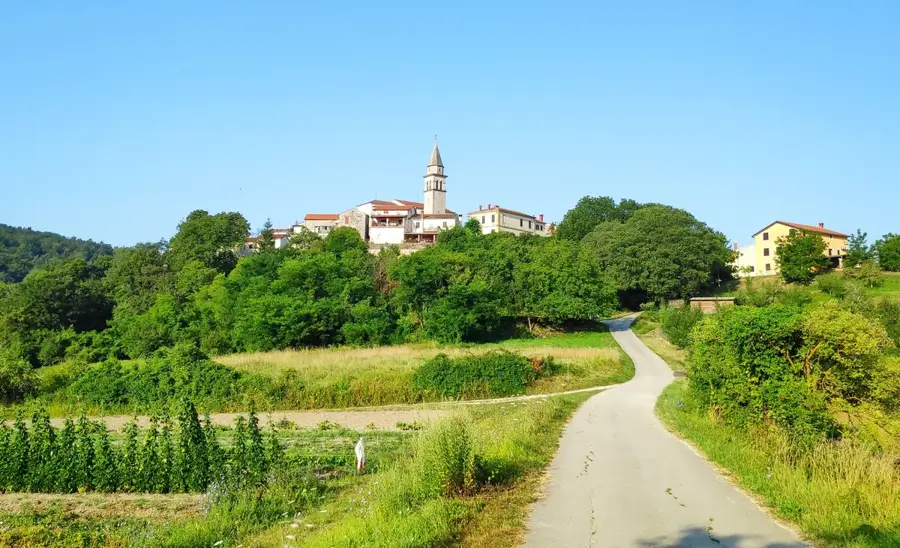
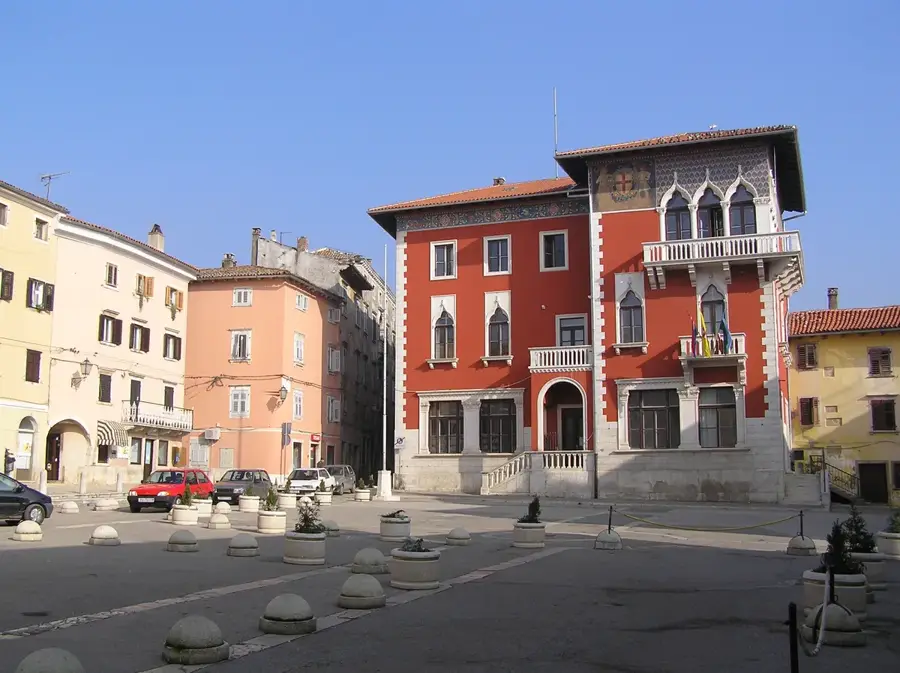
Raša, located in Istria, is the youngest town in Croatia, built as a planned mining community during Italian rule in 1936 and 1937. Originally named Arsia, the town was constructed in a record time of just 547 days to provide modern housing for workers in the nearby coal mines. The architectural design was led by Gustavo Pulitzer Finali and is considered a masterpiece of Italian Rationalist architecture. Raša was designed for approximately 2,000 residents and featured a complete urban infrastructure from the start, including a school, hospital, cinema, and a church dedicated to St. Barbara (and St. Erasmus), shaped like an inverted coal wagon. Coal production in the region peaked in the 1940s and 1950s, when the Raša mines were strategically vital for Yugoslavia's energy supply. With the gradual closing of the mines between the 1960s and 1990s, the town lost its original economic foundation. Today, Raša is a protected cultural heritage site and is emerging as a center for industrial tourism, where visitors can explore its unique urban planning and industrial history.
- Location: Croatia
- Nearby: Marceljani (4 km)
- Population: ~1.184
Best time to visit & climate
The most pleasant time to visit is Jun, Jul, Sep.
| Jan | Feb | Mar | Apr | May | Jun | Jul | Aug | Sep | Oct | Nov | Dec | |
|---|---|---|---|---|---|---|---|---|---|---|---|---|
| Avg °C | 6 | 6 | 9 | 13 | 17 | 22 | 24 | 24 | 20 | 16 | 11 | 7 |
| Rain mm | 78 | 95 | 74 | 67 | 84 | 64 | 49 | 71 | 113 | 101 | 133 | 102 |
Geography
Facts
- The town of Raša was constructed in a record 547 days.
- The official inauguration of the town took place on November 4, 1937.
- It was designed by the prominent architect Gustavo Pulitzer Finali.
- The church of St. Barbara is shaped like an inverted mining cart.
- At its peak in the 1940s, the mines produced over 1 million tons of coal.
- Raša is protected as a unique monument of 20th-century urban planning.
Explore nearby
Notable places around
Route planner — Car & Motorhome
Where do you start? We build the route here, with stops and country notes along the way.
© OpenStreetMap contributors · OpenRouteService
Frequently asked questions
What is special about the town of Raša?
What architectural style can be seen in Raša?
Are there museums about mining?
What is St. Barbara's Church?
Can you visit the mine adits?
Raša Mining Town: where is it located?
Raša Mining Town: when is the best time to visit?
Raša Mining Town: why is it worth visiting?

Nearby cities