Plizio Visual Lab
Paklenica National Park
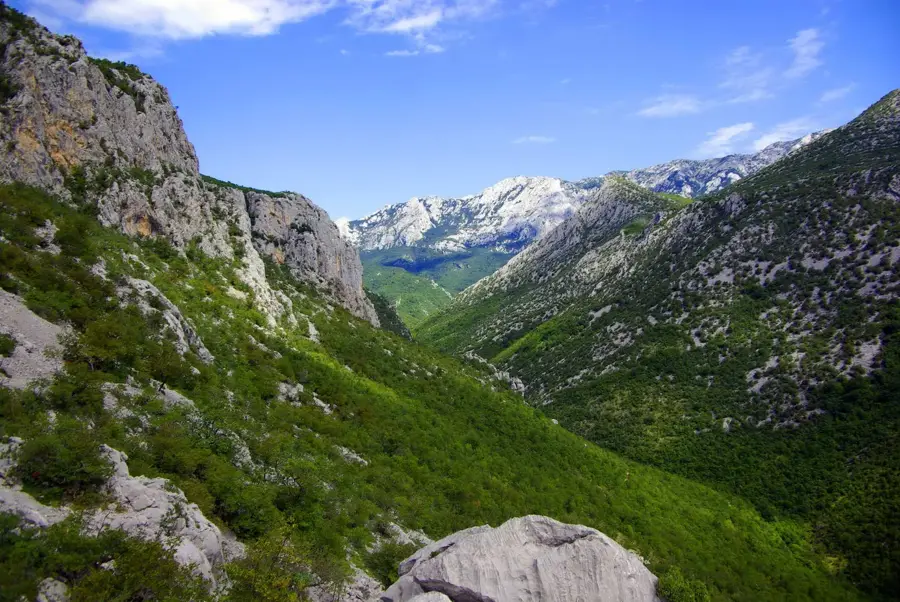
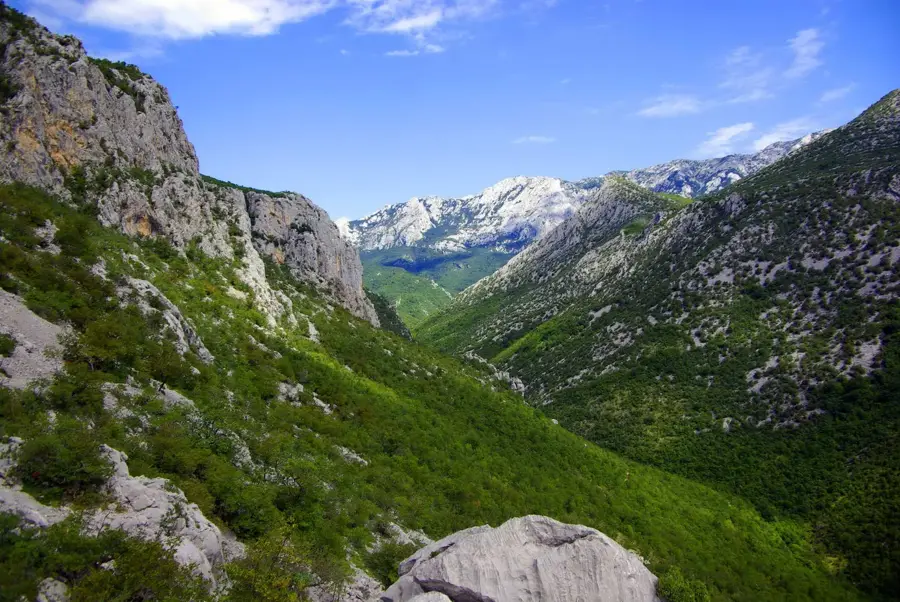
Paklenica National Park is situated on the southern slopes of the Velebit mountain range and is primarily famous for its two monumental canyons, Velika (Big) and Mala (Small) Paklenica. Established in 1949, it covers an area of about 95 square kilometers, characterized by sharp karst formations, deep caves, and dense beech forests. The vertical face of Anića Kuk, rising to 712 meters, is the highest rock wall in Croatia and a world-renowned destination for rock climbers. Beyond its spectacular geology, the park is home to diverse flora and fauna, including golden eagles, chamois, and rare orchids. In 2017, the ancient beech forests of Paklenica were added to the UNESCO World Natural Heritage list. With over 150 kilometers of hiking trails, the park gives visitors an immersive experience in pristine nature, featuring panoramic views of the Adriatic Sea and the rugged hinterland.
- Location: Croatia
- Top sights: Vidakov kuk · Veliki vrh · Markov mlin
- Nearby: Seline (5 km)
Best time to visit & climate
The most pleasant time to visit is Jun–Aug.
| Jan | Feb | Mar | Apr | May | Jun | Jul | Aug | Sep | Oct | Nov | Dec | |
|---|---|---|---|---|---|---|---|---|---|---|---|---|
| Avg °C | 1 | 1 | 5 | 10 | 14 | 19 | 21 | 21 | 16 | 11 | 7 | 2 |
| Rain mm | 99 | 100 | 86 | 83 | 91 | 70 | 53 | 68 | 125 | 118 | 144 | 118 |
📋 Practical info
Geography
Facts
- Established in 1949, making it the second oldest national park in Croatia.
- The Velika Paklenica canyon is 14 km long and features 400m high cliffs.
- Anića Kuk is the highest rock climbing wall in Croatia, standing at 712 meters.
- Its ancient beech forests have been part of the UNESCO World Heritage since 2017.
- The park offers more than 150 kilometers of marked hiking and walking paths.
- Manita peć cave, famous for its stalagmites, is the only cave open to the public.
Explore nearby
Notable places around
Route planner — Car & Motorhome
Where do you start? We build the route here, with stops and country notes along the way.
© OpenStreetMap contributors · OpenRouteService
Sights in the town Paklenica National Park (9)
Gradić
Mountain in the Velebit range, Croatia.
Prdežina
Viewpoint in Paklenica National Park overlooking the canyon.
Winnetou 7
Attraction in Paklenica National Park, named after the Winnetou film.
Anića Kuk
Viewpoint in Paklenica National Park, known for climbing routes.
Mirila
Attraction in Paklenica National Park, traditional Croatian burial markers.
Sights nearby
Frequently asked questions
What is the main activity in Paklenica National Park?
Is there an entry fee?
Are dogs allowed in the park?
Are there dining facilities in the park?
How long does a typical hike take?
Paklenica National Park: where is it located?
Paklenica National Park: what is there to see?
Paklenica National Park: when is the best time to visit?
Paklenica National Park: why is it worth visiting?

Nearby cities