Plizio Visual Lab
Mljet National Park
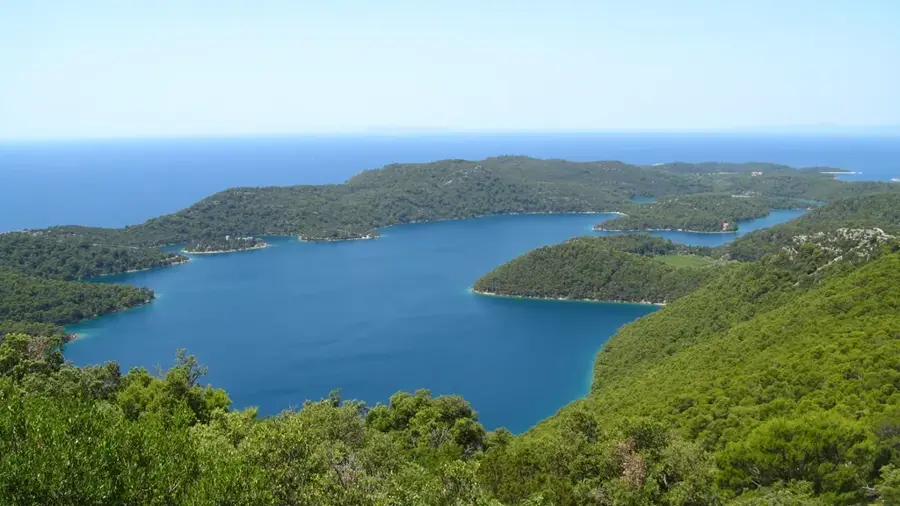
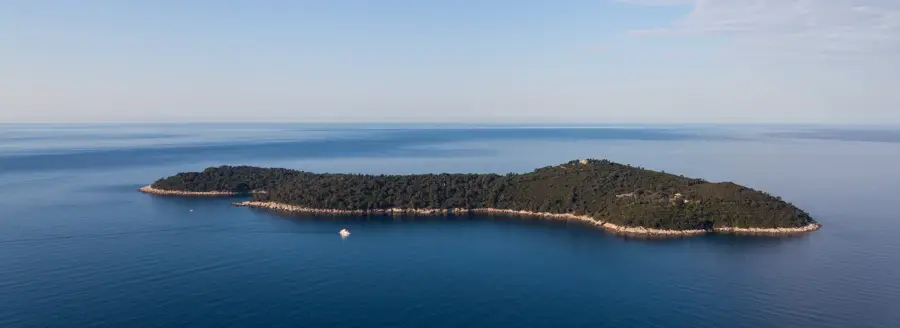
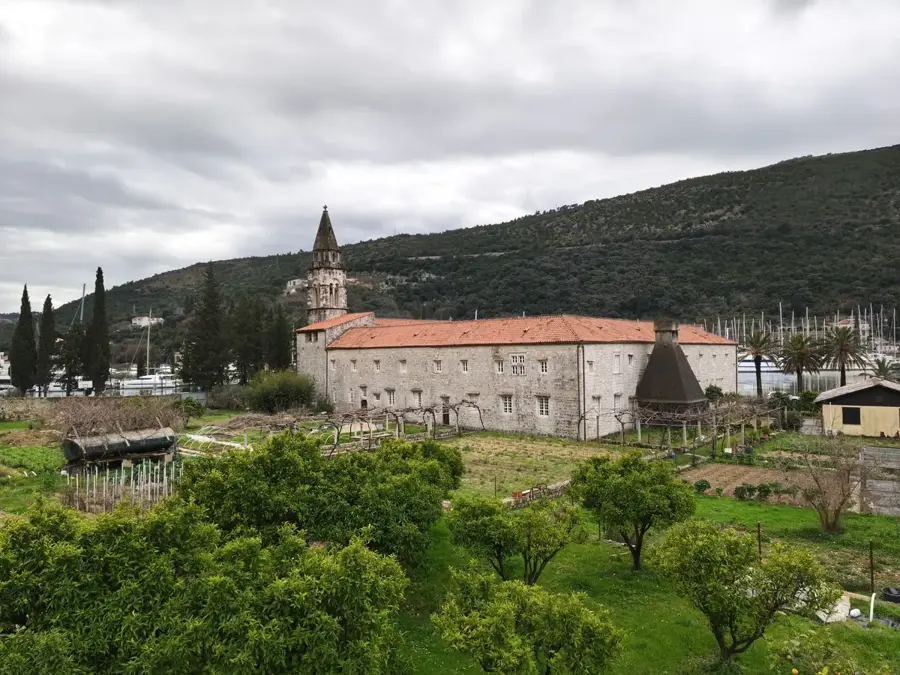
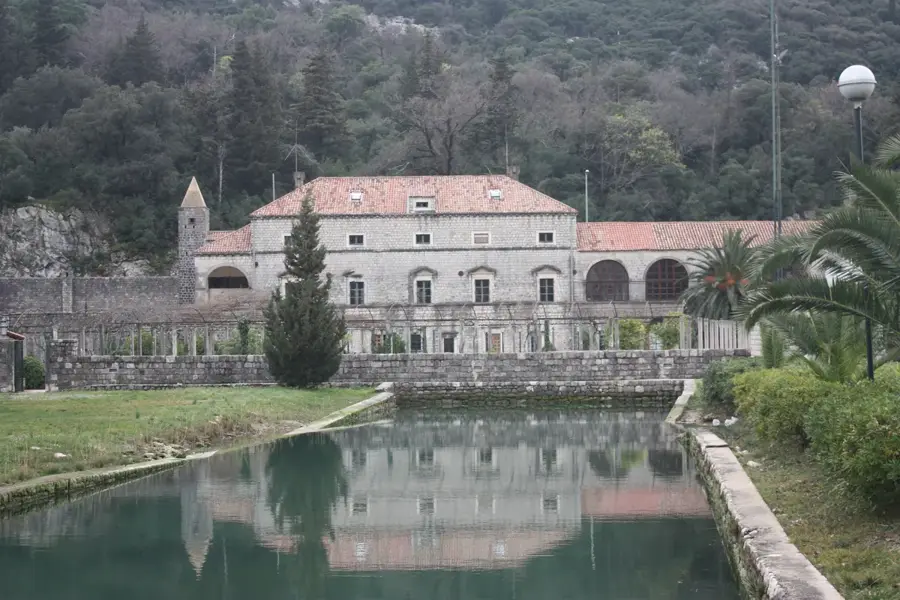
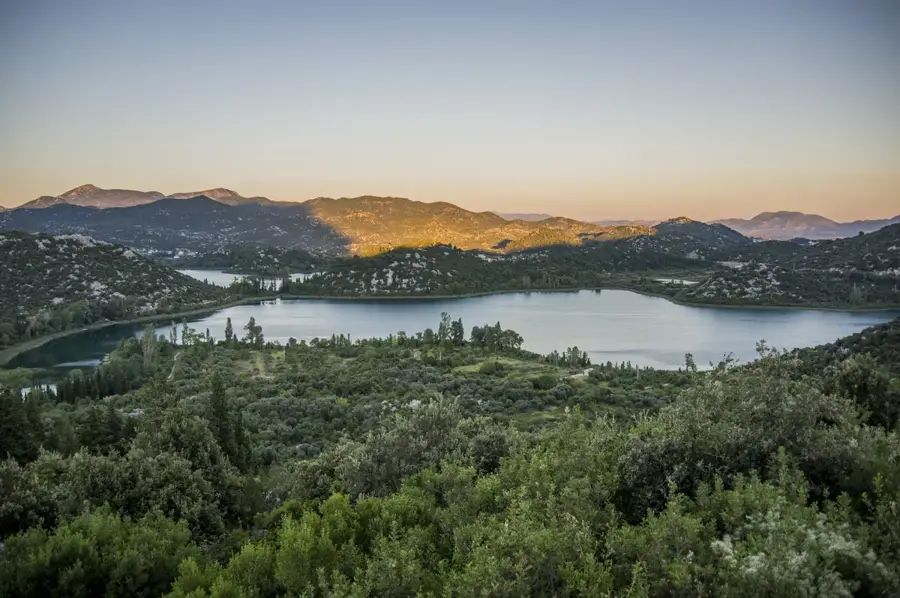
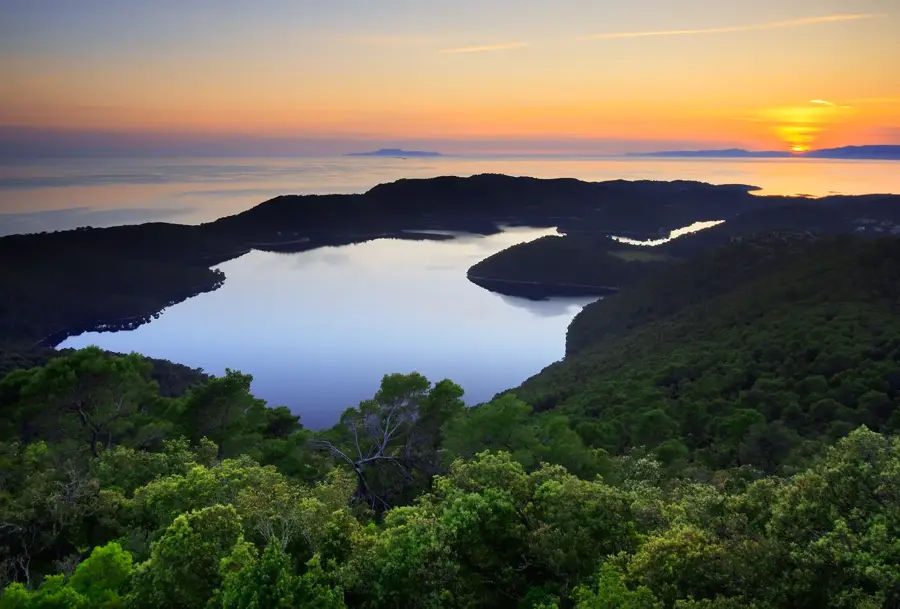
Mljet National Park encompasses the western part of Mljet island and is widely regarded as the greenest region in the Croatian Adriatic. Established in 1960, the park protects a unique coastal landscape defined by two deep saltwater bays known as Veliko and Malo Jezero (Great and Small Lake). These lakes are connected to the open sea via narrow channels, creating a distinct marine ecosystem. A cultural highlight in the center of the Great Lake is the Isle of Saint Mary, home to a former Benedictine monastery dating back to the 12th century. Lush forests of Aleppo pine and holm oak cover over 90% of the park's territory, providing a sanctuary for diverse bird species and a famous population of mongooses. The park is a haven for cyclists, hikers, and kayakers who seek tranquility and crystal-clear waters on this remarkably preserved Mediterranean island.
- Location: Croatia
- Top sights: Mljet National Park · Eastern Basilica · Luka Polače
- Nearby: Mljet (12 km)
Best time to visit & climate
The most pleasant time to visit is May, Jun, Sep.
| Jan | Feb | Mar | Apr | May | Jun | Jul | Aug | Sep | Oct | Nov | Dec | |
|---|---|---|---|---|---|---|---|---|---|---|---|---|
| Avg °C | 6 | 7 | 10 | 14 | 18 | 23 | 27 | 27 | 21 | 17 | 12 | 8 |
| Rain mm | 108 | 102 | 95 | 71 | 56 | 47 | 26 | 34 | 81 | 94 | 121 | 121 |
📋 Practical info
Geography
Facts
- Founded in 1960, it is the oldest marine protected area in the Mediterranean.
- The Great and Small Lakes are saltwater bodies linked to the sea by narrow straits.
- Saint Mary's Island features a Romanesque Benedictine monastery from the 1100s.
- Forests cover about 90% of the park, earning Mljet the title of the Green Island.
- Small Indian mongooses were introduced in 1910 to eliminate poisonous snakes.
- Polače harbor contains ruins of a 5th-century Roman palace, the third largest in Croatia.
Explore nearby
Notable places around
Route planner — Car & Motorhome
Where do you start? We build the route here, with stops and country notes along the way.
© OpenStreetMap contributors · OpenRouteService
Sights in the town Mljet National Park (10)
Rimske Palače
Ruins of Roman palaces on Mljet island.
Paljevina
Beach on Mljet island, known for its clear water.
Nacionalni park Mljet
National park on Mljet island, protecting nature and cultural heritage.
Montokuc
Viewpoint on Mljet island overlooking the coast.
Zle stijene
Hill in Dubrovnik-Neretva County, Croatia.
Vratosolina
Viewpoint on Mljet island.
Sights nearby
Frequently asked questions
What are the main attractions on Mljet?
How do you get to the island?
Can you swim in the lakes?
Can you rent bicycles?
Is there accommodation inside the park?
Mljet National Park: where is it located?
Mljet National Park: what is there to see?
Mljet National Park: when is the best time to visit?
Mljet National Park: why is it worth visiting?

Nearby cities