Plizio Visual Lab
Drvenik Mali
ℹ️Practical info — Drvenik Mali
▾
🌤 Weather — 5 days
📍 Nearby
Sights nearby
💡 Tips
- The island is mostly car-free; be prepared to walk everywhere on dirt paths.
- Buy your main groceries in Trogir or Seget Donji before boarding the ferry.
- Bring your own parasol to Vela Rina beach, as there is very little natural shade.
- Use the Jadrolinija Line 606 from Trogir or Seget Donji; the trip takes about 45-60 minutes.
- Water is a precious resource on the island; be mindful of your usage from cisterns.
🍽 Food
Freshly caught fish from the surrounding waters, served with local island olive oil.
A traditional Dalmatian slow-cooked specialty, often available upon pre-order in local eateries.
The island is known for carob trees (rogač); try the local carob liqueur or homemade cakes.
🛍 Shopping · 🧘 Quiet spots
The island's only small shop for basic supplies; stock is limited, so buy early.
Ask locals for 'Maslinovo ulje' to buy high-quality oil directly from the island's producers.
The island's highest point (79m) offering spectacular 360-degree views of the archipelago.
A smaller, even quieter alternative to Vela Rina, excellent for secluded snorkeling.
Water temperature…
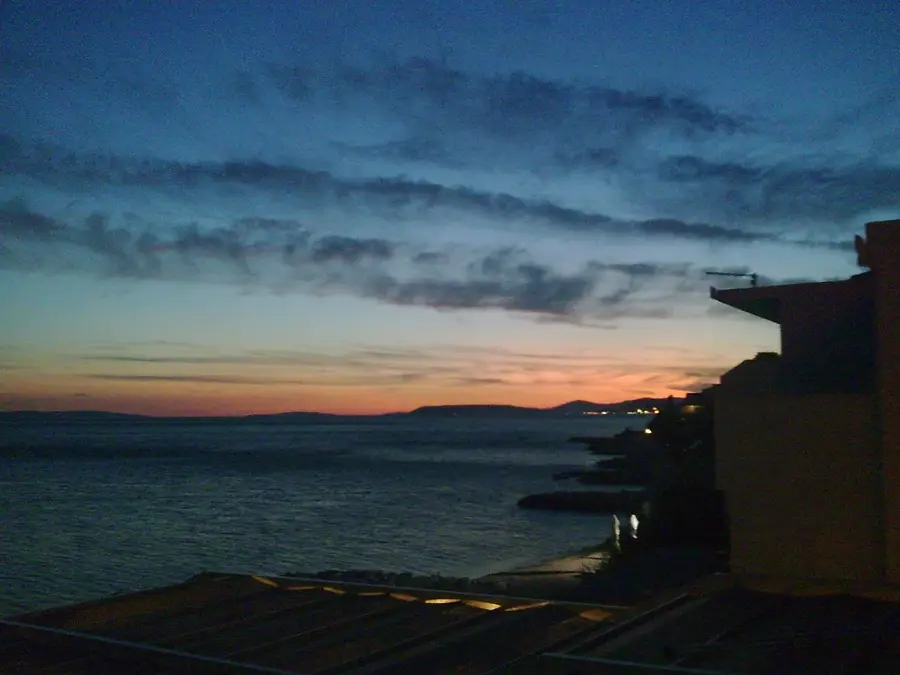
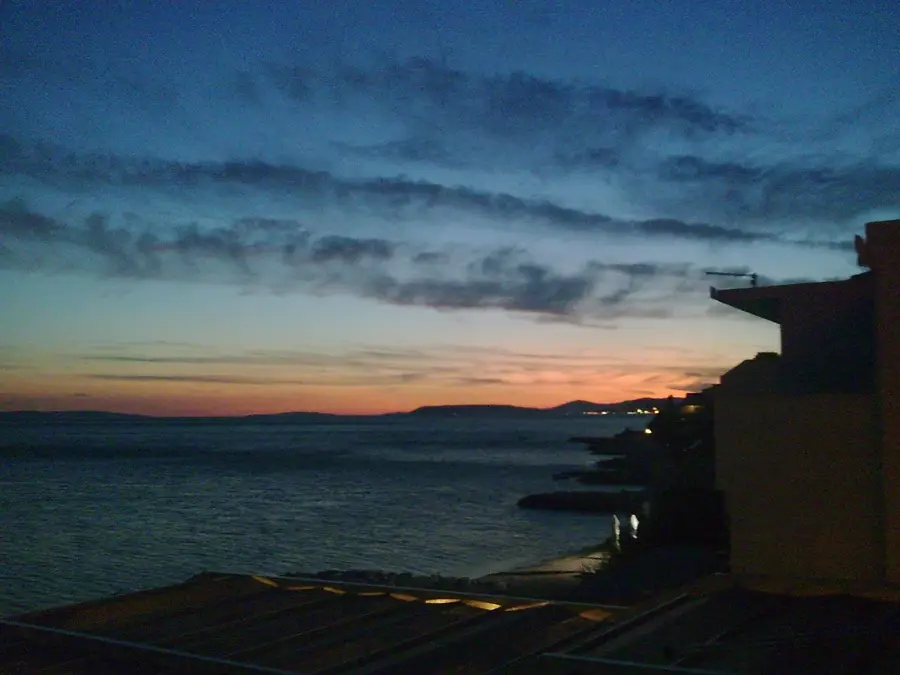
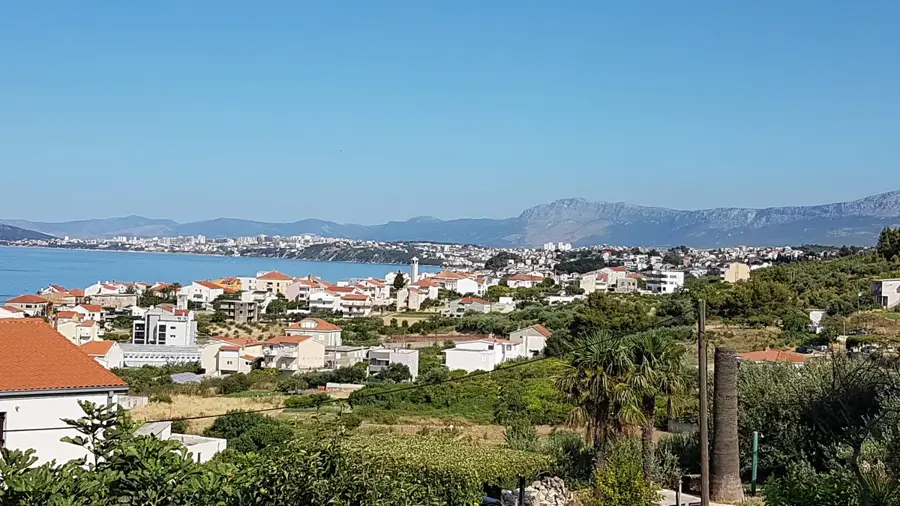
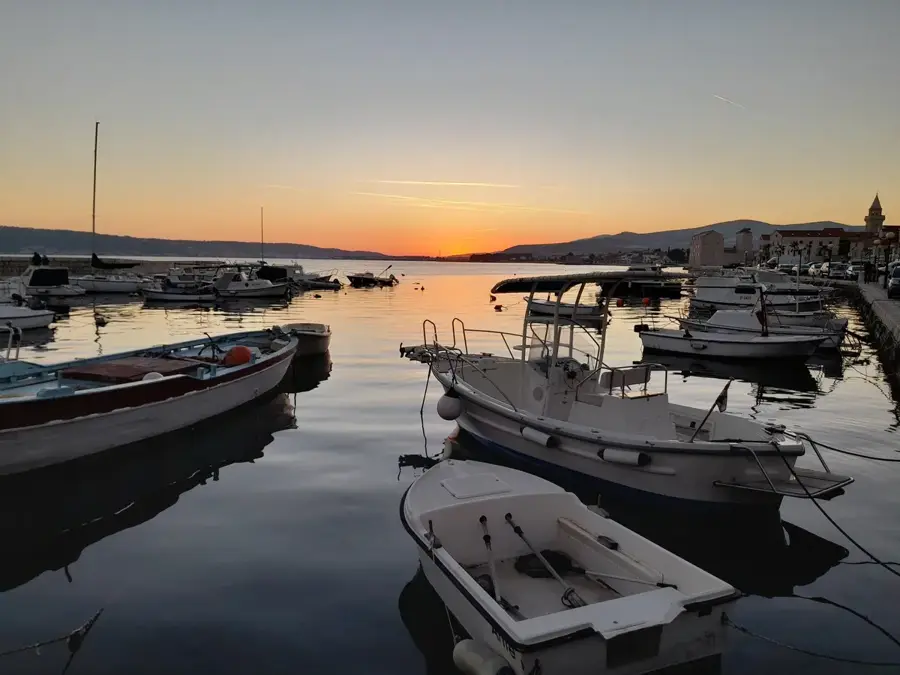
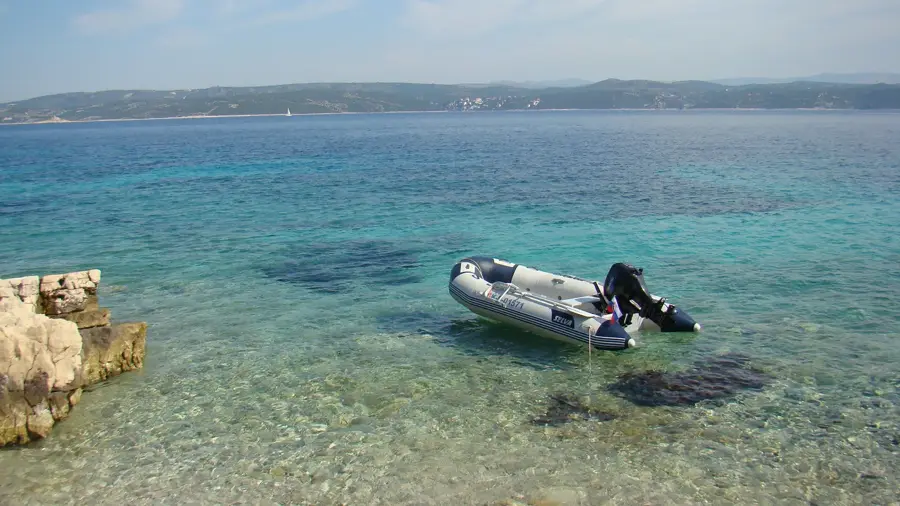
Drvenik Mali is a small island in the Dalmatian archipelago, about 10 nautical miles from Trogir. With an area of only 3.4 square kilometers, it is a sanctuary for those seeking absolute seclusion and untouched nature. The island is almost entirely car-free, which enhances the peaceful atmosphere. The village of Drvenik Mali is scattered across the island, with Borak harbor as the central arrival point for the ferry from Trogir. The absolute highlight of the island is the Vela Rina bay on the southwest coast. It features one of Dalmatia's rare natural sandy beaches, framed by turquoise water. The island is also known for its high-quality olive oil and carob cultivation. There are few tourist facilities, no large hotels, and only a handful of private accommodations, preserving its exclusive character. Visitors mostly come for day trips or to relax in total seclusion. The vegetation is typically Mediterranean with olive trees, figs, and macchia. Since there is no running water on the island (only cisterns), ecological resource management is still a priority here. Culinarily, the island gives fresh fish and seafood, often directly from local fishermen. The coastline is rugged and has numerous small bays accessible only by boat or narrow footpaths. Drvenik Mali is the epitome of the 'Mediterranean as it once was'.
- Location: Croatia
- Nearby: Vinišće (5 km)
- Population: ~119
Best time to visit & climate
The most pleasant time to visit is Jun, Jul, Sep.
| Jan | Feb | Mar | Apr | May | Jun | Jul | Aug | Sep | Oct | Nov | Dec | |
|---|---|---|---|---|---|---|---|---|---|---|---|---|
| Avg °C | 7 | 7 | 10 | 13 | 18 | 22 | 25 | 25 | 21 | 17 | 13 | 8 |
| Rain mm | 91 | 89 | 78 | 65 | 57 | 51 | 29 | 41 | 90 | 88 | 126 | 116 |
Geography
Facts
- Dalmatian island
- Vela Rina sandy beach
- Car-free zone
- Ferry from Trogir
- Carob cultivation
- Borak harbor
- Crystal clear water
- No mass tourism
Explore nearby
Notable places around
Route planner — Car & Motorhome
Where do you start? We build the route here, with stops and country notes along the way.
© OpenStreetMap contributors · OpenRouteService
Frequently asked questions
How to get to Drvenik Mali?
Are there cars on the island?
Which beach is the most famous?
Are there shops and restaurants?
What should you bring with you?
Drvenik Mali: where is it located?
Drvenik Mali: when is the best time to visit?
Drvenik Mali: why is it worth visiting?

Nearby cities