Plizio Visual Lab
Brijuni Byzantine Castrum
Weather…
Water temperature…
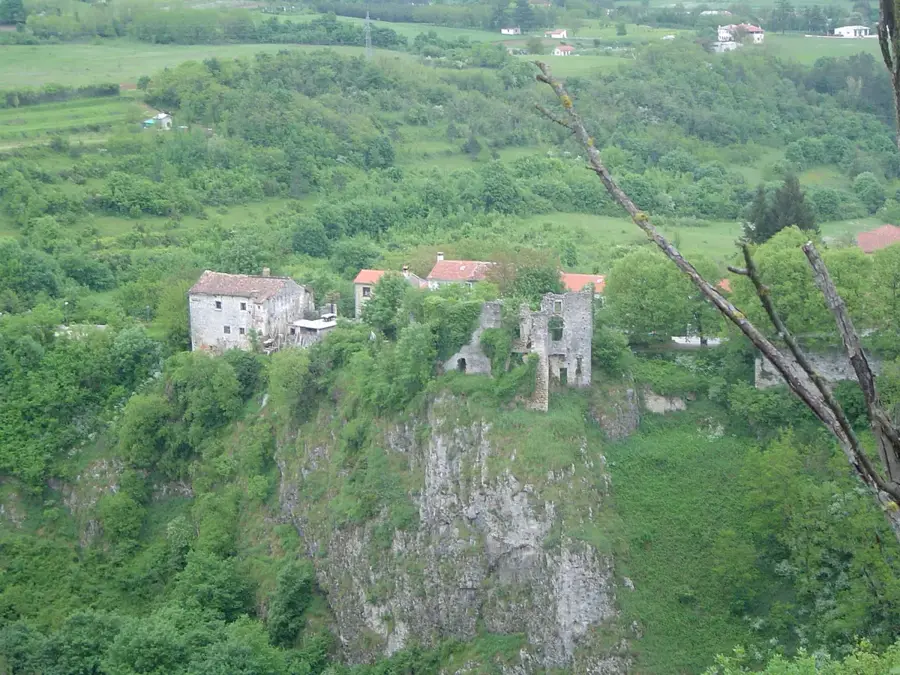
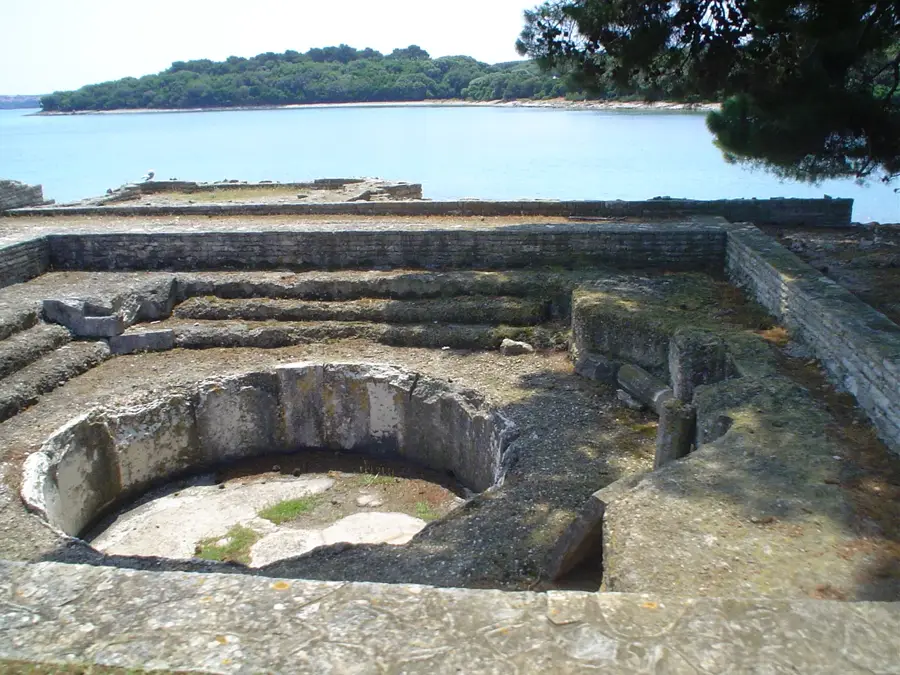
The Byzantine Castrum on the island of Veliki Brijun is an exceptional archaeological site demonstrating continuous habitation for over a millennium, from the Roman Republic to the Venetian era. Originally established as a rural villa in the 1st century BC, the site was significantly fortified during the 6th century AD under Byzantine rule, particularly during the reign of Justinian I. These defensive walls were constructed to protect the settlement from the increasing threats of the Migration Period, transforming it into a self-sufficient fortified town. The interior of the castrum reveals a complex urban layout with residential quarters, storage areas, and industrial facilities for olive oil and textile production. A major landmark within the complex is the remains of the Basilica of St. Mary, an early Christian church that highlights the religious significance of the site. Its strategic location along the Adriatic sailing routes made it a vital maritime outpost throughout the centuries. Visitors today can explore the stratified remains that chronicle the evolution from an aristocratic estate to a vital medieval fortress town within the Brijuni National Park.
- Location: Croatia
- Top sights: Dinosaur footprints · Brijuni Islands National Park · Safari park
- Nearby: Fažana (6 km)
Best time to visit & climate
The most pleasant time to visit is Jun, Jul, Sep.
| Jan | Feb | Mar | Apr | May | Jun | Jul | Aug | Sep | Oct | Nov | Dec | |
|---|---|---|---|---|---|---|---|---|---|---|---|---|
| Avg °C | 6 | 6 | 9 | 13 | 17 | 22 | 24 | 24 | 20 | 16 | 11 | 7 |
| Rain mm | 78 | 95 | 74 | 67 | 84 | 64 | 49 | 71 | 113 | 101 | 133 | 102 |
📋 Practical info
Geography
Facts
- The site was continuously inhabited for over 1,000 years
- The main fortifications were built in the 6th century under Justinian
- The castrum survived through Roman, Byzantine, and Venetian periods
- The ruins of the Basilica of St. Mary are located inside the walls
- Evidence of large-scale olive oil production was found on site
- It is considered the best-preserved Byzantine castrum in the Adriatic
Explore nearby
Notable places around

Route planner — Car & Motorhome
Where do you start? We build the route here, with stops and country notes along the way.
© OpenStreetMap contributors · OpenRouteService
Sights in the town Brijuni Byzantine Castrum (10)
crkva sv. Marije
Ruins of a 13th-century church on Veli Brijun island.
crkva sv. Petra
Ruins of a Romanesque church near the harbor of Veli Brijun.
Kupelwieserov mir
Peace monument erected by Paul Kupelwieser, former owner of the islands.
Fazanerija
Former pheasant farm on Brijuni, now an enclosure for peacocks and chickens.
Fort Tegetthoff
19th-century fort named after Admiral Tegetthoff, on Veli Brijun.
Luka Sveti Mikula
Bay on the northwest coast of Veli Brijun, a sheltered anchorage.
Sights nearby
Frequently asked questions
Where on the Brijuni Islands is the castrum located?
From what period does the castrum date?
How do you reach the Brijuni Islands?
What is special about this place?
Can you move freely on the island?
Brijuni Byzantine Castrum: where is it located?
Brijuni Byzantine Castrum: what is there to see?
Brijuni Byzantine Castrum: when is the best time to visit?
Brijuni Byzantine Castrum: why is it worth visiting?

Nearby cities