Plizio Visual Lab

Conguillío National Park
Plizio editorial teamData Sources
nature
—°3
Conguillío National Park (Chile)

Weather…

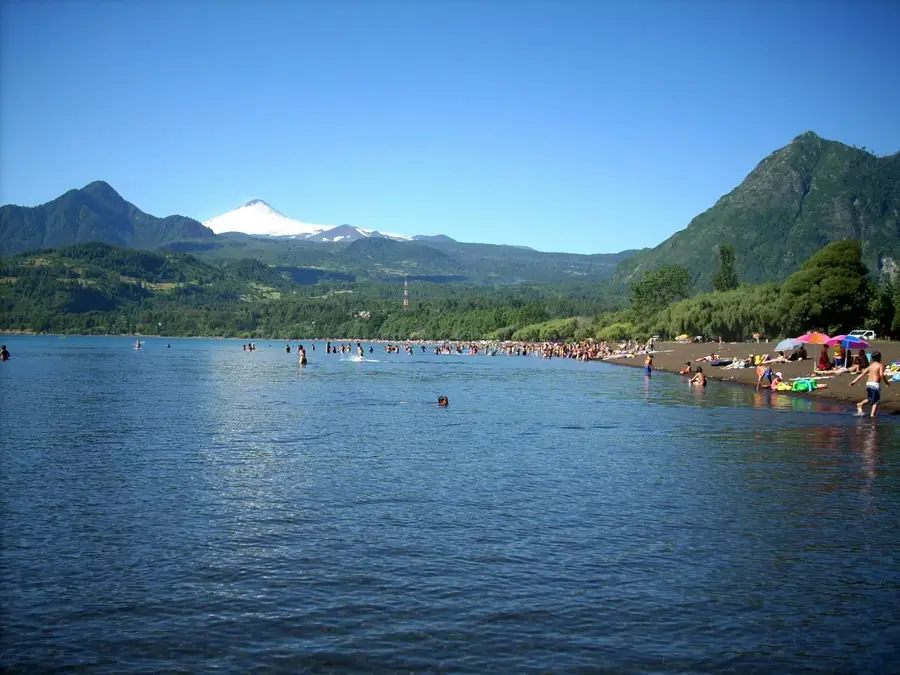
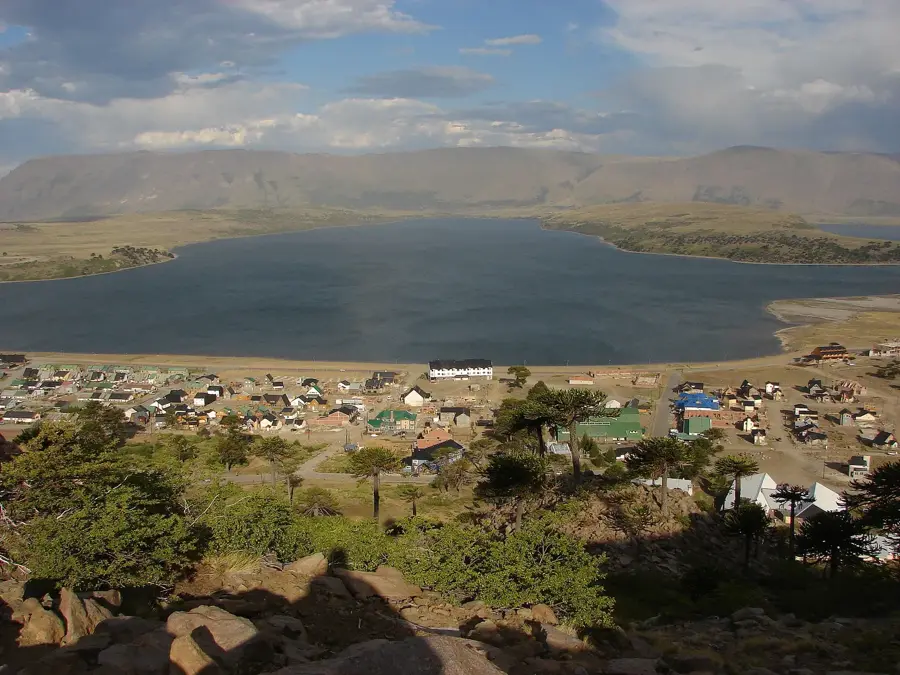
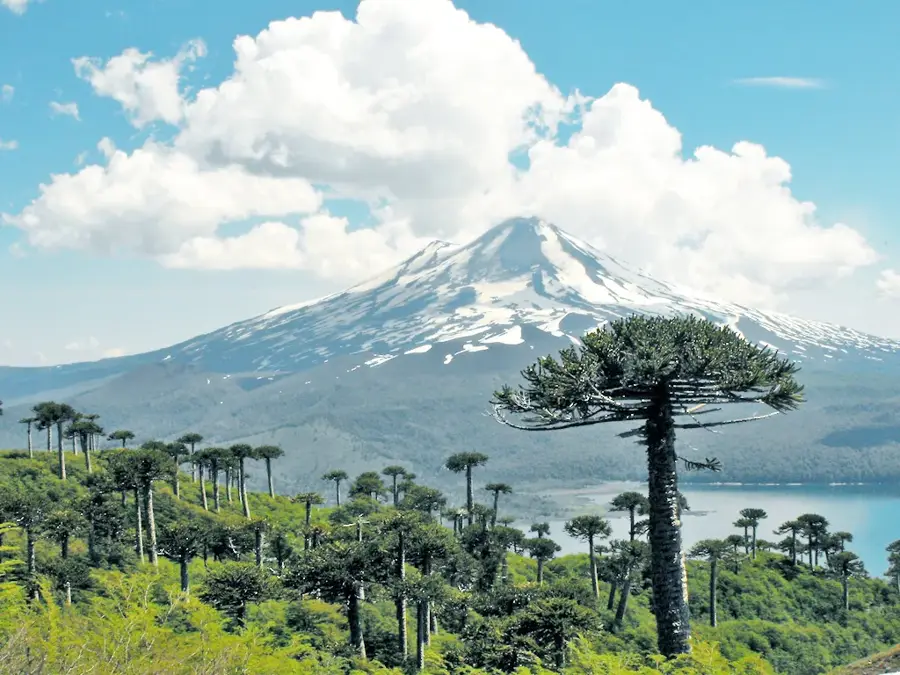
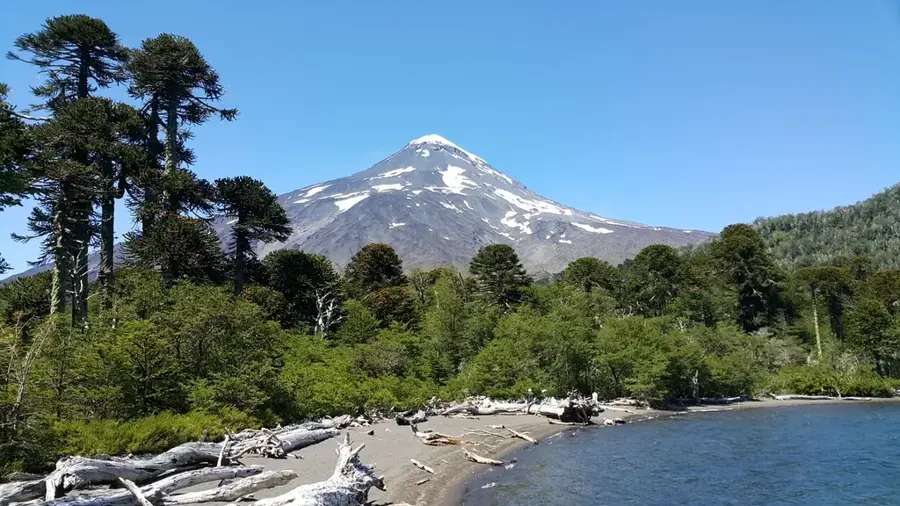
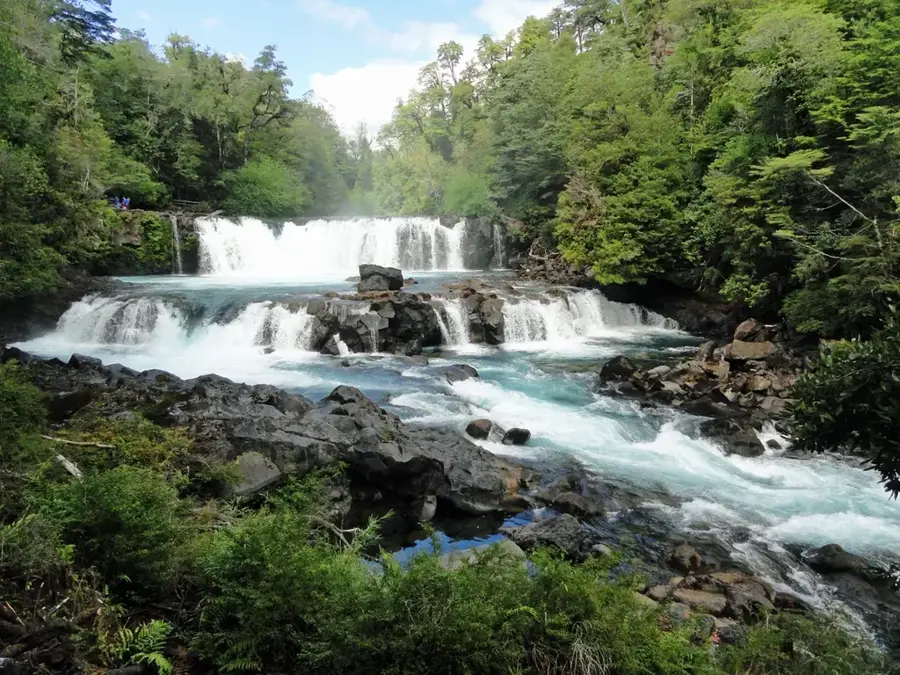
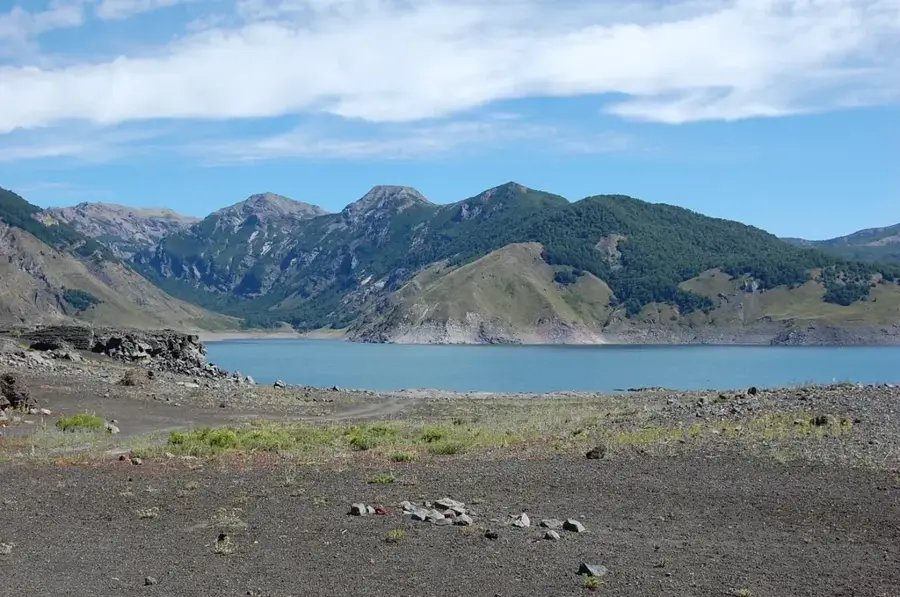
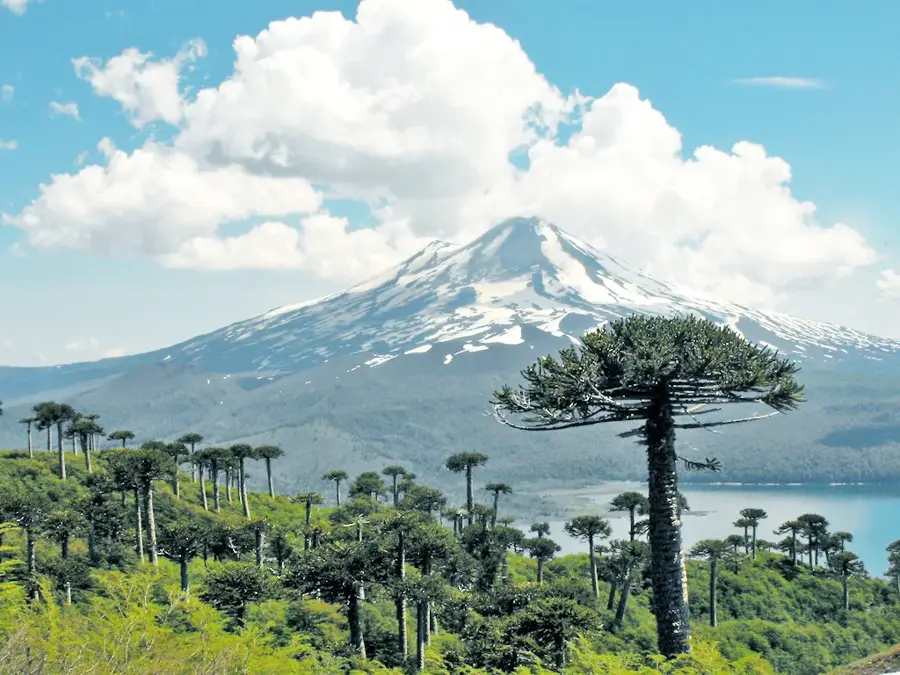
Conguillío National Park is located in the Araucanía Region of the Chilean Andes and is famous for its prehistoric-looking landscapes. Established in 1950, the park now spans roughly 60,832 hectares. Its most defining feature is the active Llaima Volcano, one of South America's most active volcanoes, whose lava flows have shaped the terrain over millennia. Amidst these volcanic remnants, dense forests of Araucaria (Araucaria araucana), or monkey puzzle trees, thrive, with some specimens living for up to 1,000 years. The combination of solidified lava, snow-capped peaks, and deep blue lakes like Lake Conguillío creates a unique aesthetic that has served as a backdrop for dinosaur documentaries. The park has numerous hiking trails, including the famous 'Sierra Nevada' route, which provides spectacular views of the volcano and lake. The region also holds great cultural significance for the indigenous Mapuche people, for whom the Llaima and the Araucaria are sacred symbols of their identity and history.

Best time to visit & climate

The most pleasant time to visit is Jan, Feb, Dec.

JanFebMarAprMayJunJulAugSepOctNovDec
Avg °C131310631-1135810
Rain mm2527396411316413611676714937

📋 Practical info

🧭
Getting there
Access is usually via the nearby towns of Melipeuco or Curacautín. A four-wheel-drive vehicle is often recommended to navigate the unpaved roads and safely reach the main entrances of this spectacular area.
📅
Best season
The best months to visit are typically during the southern summer for more pleasant weather, or in autumn when the characteristic araucaria forests transform into memorable, bustling colors across the volcanic landscape.
⛰️
Terrain & paths
The landscape is largely shaped by the Llaima volcano, featuring uneven paths made of volcanic ash. Visitors should possess a reasonable level of physical fitness, as the trails often involve varying elevations.
🎒
What to bring
It is generally recommended to wear sturdy, closed-toe hiking boots for the volcanic soil. Visitors should also bring layered clothing to adapt to rapid temperature changes, along with an ample supply of drinking water.
🅿️
Parking
Parking areas are typically found near the main administrative offices or at the start of the most popular hiking trails. Arriving early during peak season is highly advisable to secure a convenient parking spot.
⚠️
Safety
Always stay on designated trails to protect the fragile ecosystem and avoid hidden volcanic vents. The weather can change abruptly, so it is important to check local forecasts before heading out on your journey.
⏱️
Time needed
A typical visit usually lasts a full day, but can easily extend to several days for those who choose to camp or stay in nearby accommodations in order to fully explore the multiple extended hiking routes available.

Geography

Coordinates
-38.65000, -71.65000

Facts

  • Established as a national park in 1950.
  • The Llaima Volcano stands at 3,125 meters high.
  • Spans a total area of 60,832 hectares.
  • Home to millenarian Araucaria (monkey puzzle) forests.
  • Filming location for 'Walking with Dinosaurs' documentary.
  • Part of the UNESCO Araucarias Biosphere Reserve.

Explore nearby

Notable places around

Route planner — Car & Motorhome

Where do you start? We build the route here, with stops and country notes along the way.

Vehicle
Only stops with (optional):

© OpenStreetMap contributors · OpenRouteService

Sights in the town Conguillío National Park (3)

Playa Curacautín

Playa Curacautín is a beach area in Conguillío National Park, located on the shore of Lake Conguillío.

Araucaria Madre Milenaria

The Araucaria Madre Milenaria is a very old araucaria tree in Conguillío National Park, a natural monument.

Las Mellizas

Las Mellizas is a viewpoint in Conguillío National Park, offering a view of two volcanic cones.

Sights nearby

Frequently asked questions

Why is the park named Conguillío?
The name comes from the Mapuche language and means 'water with pine nuts'.
When is the best time to visit?
Autumn (April/May) is beautiful when the Nothofagus trees turn colorful.
Can you swim in the park?
Yes, in summer, swimming is possible in Laguna Conguillío at designated spots.
How do you get to the park?
Via the towns of Melipeuco or Curacautín; the drive is very scenic.
What should be considered?
Eruptions of Llaima volcano can occur at any time; follow the warnings of the park rangers.
Conguillío National Park: where is it located?
Conguillío National Park is located in Chile.
Conguillío National Park: what is there to see?
Highlights include Playa Curacautín, Araucaria Madre Milenaria, Las Mellizas.
Conguillío National Park: when is the best time to visit?
The most pleasant time to visit is Jan, Feb, Dec.
Conguillío National Park: why is it worth visiting?
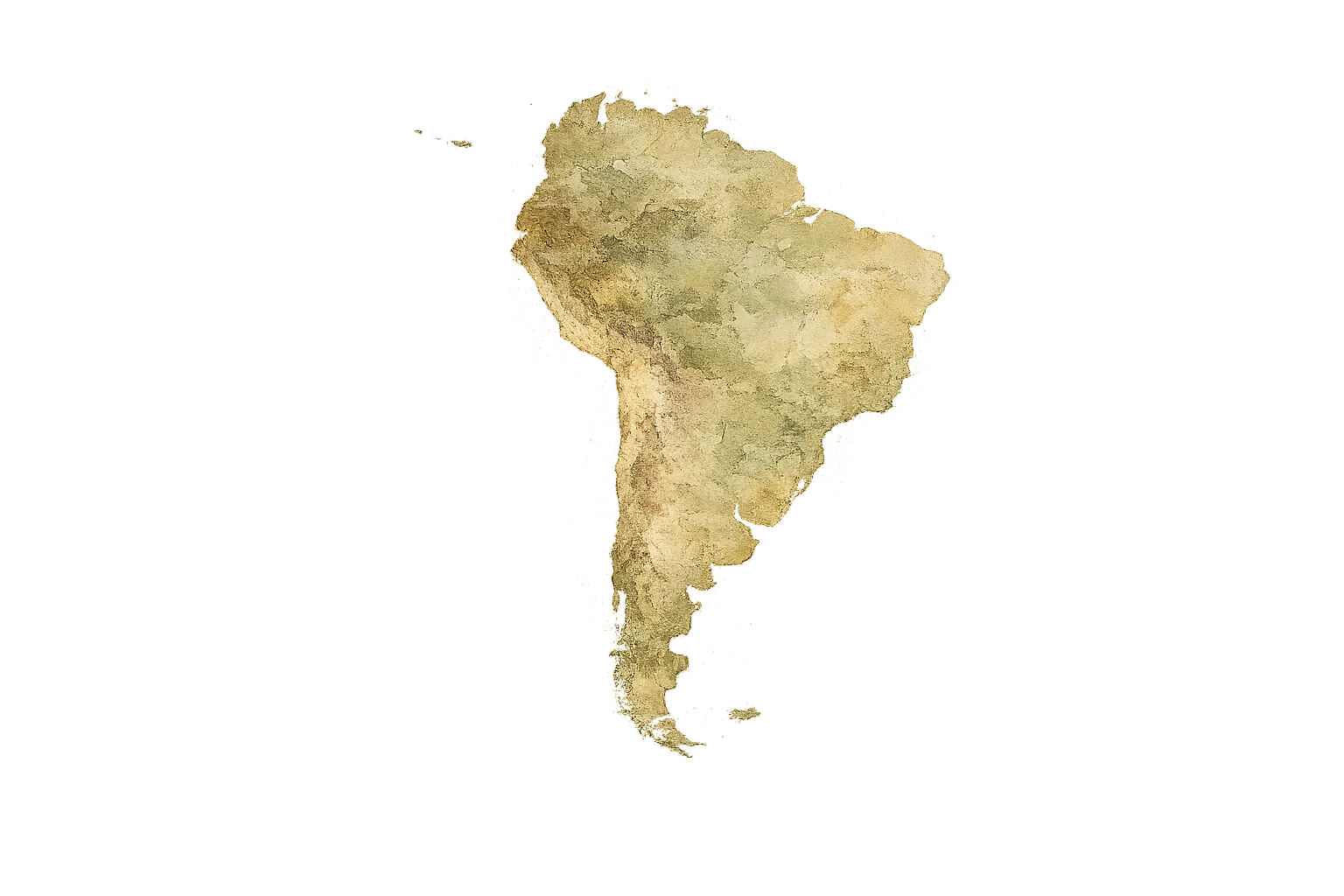
Conguillío National Park is located in the Araucanía Region of the Chilean Andes and is famous for its prehistoric-looking landscapes.
View on map → The Top 50 Attractions → OpenStreetMap →
South America
Explore with Plizio Discover more places in South America
More places in Chile →

Nearby cities

Nature

More places