Plizio Visual Lab

Laguna del Laja National Park
Plizio editorial teamData Sources
Animal habitat
—°3
Laguna del Laja National Park (Chile)

Weather…

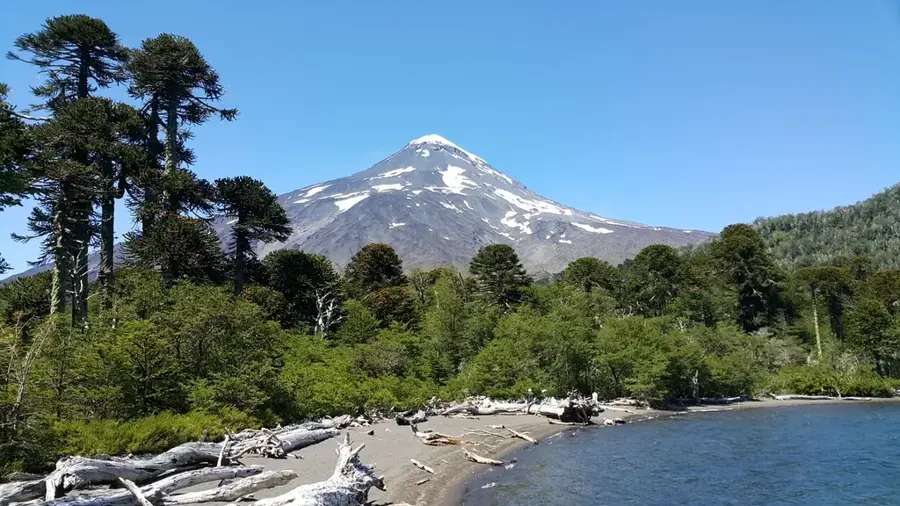
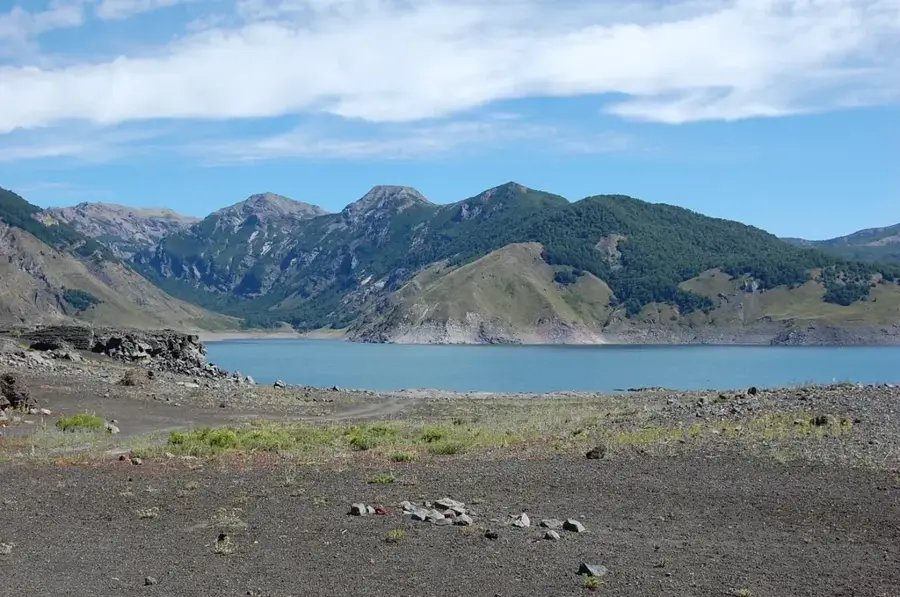
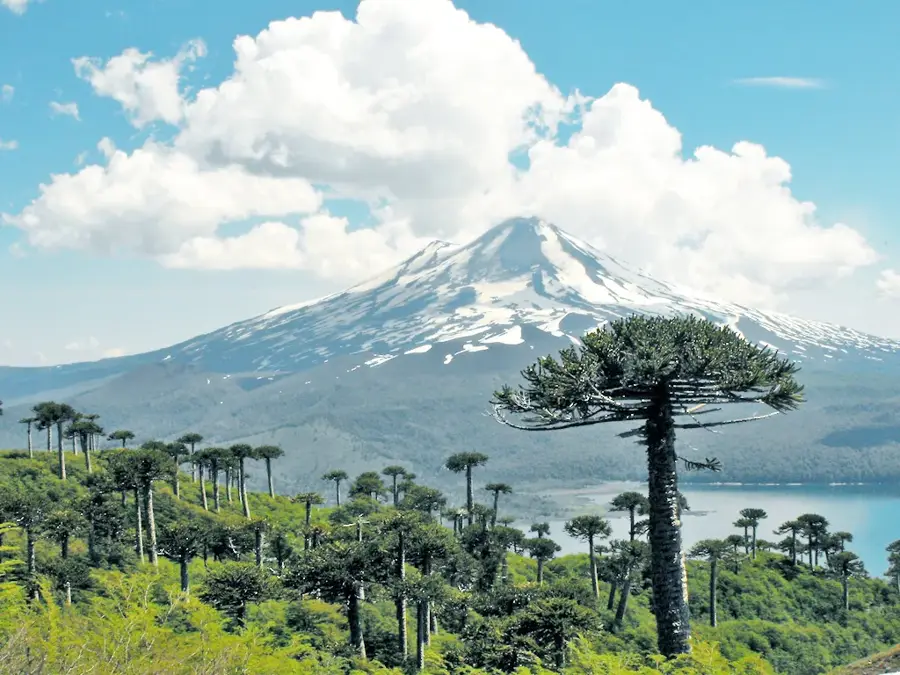
Laguna del Laja National Park is located in the Biobío region in the Andes of central Chile and covers an area of approximately 11,600 hectares. The park's geography is shaped by the massive massif of the Antuco volcano and the Laguna del Laja, which is considered the country's largest natural water reservoir. The landscape is the result of intense volcanic activity, with solidified lava flows and volcanic ash covering large parts of the area. Historically, the area is known for the Antuco tragedy in 2005, in which a military patrol lost their lives in a snowstorm. The flora is adapted to the extreme conditions and includes species such as the Chilean cedar and the Cordillera cypress. The wildlife hosts birds of prey like the condor as well as rare duck species on the shores of the lagoon. The park serves not only nature conservation but is also significant for energy production, as the lagoon's water is used for several hydroelectric power plants in the Laja River system.

Best time to visit & climate

The most pleasant time to visit is Jan, Feb, Dec.

JanFebMarAprMayJunJulAugSepOctNovDec
Avg °C1414127410146912
Rain mm1824244376113998452513624

📋 Practical info

📅
Best season
The best months to observe Andean condors and foxes are from October to March, during the Chilean spring and summer when wildlife is most active. For pumas, the late summer months of February and March offer slightly higher chances as cubs may be seen.
🌅
Best time of day
Early morning at dawn is prime time for condors catching thermals, while foxes and pumas are most active during the twilight hours. Plan your visit to arrive at sunrise and stay until late afternoon, as midday heat often drives animals into cover.
📜
Etiquette
Always stay on marked trails to avoid disturbing sensitive volcanic soils and wildlife habitats. Do not feed any animals, maintain a minimum distance of 50 meters, and keep noise levels low to increase your chances of sightings.
🎒
What to bring
Bring a pair of high-quality binoculars (at least 8x42) for spotting condors and pumas on distant cliffs. Sturdy hiking boots with good grip are essential for navigating the volcanic terrain, along with a windbreaker jacket due to changing mountain weather.
🧭
Getting there
The park is accessible by car from the city of Los Angeles via Route Q-45, a scenic but partially unpaved road. The entrance is located near the Laguna del Laja lake; a 4x4 vehicle is recommended during winter months due to occasional snow.
🦌
What to expect
Wildlife sightings, especially of pumas, are rare and require extended periods of quiet waiting. Do not expect immediate encounters; instead, enjoy the remarkable volcanic landscape and listen for bird calls that may indicate animal movement.

Geography

Coordinates
-37.35000, -71.35000

Facts

  • The Antuco volcano has a height of 2,979 meters.
  • Laguna del Laja is located at an altitude of 1,360 meters above sea level.
  • The park was officially founded in 1958.
  • Laguna del Laja is approximately 125 square kilometers in size.
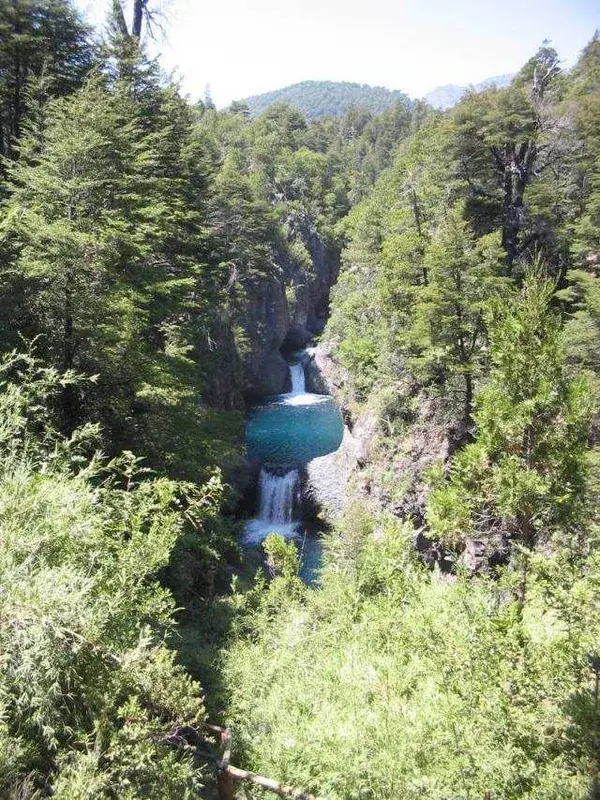
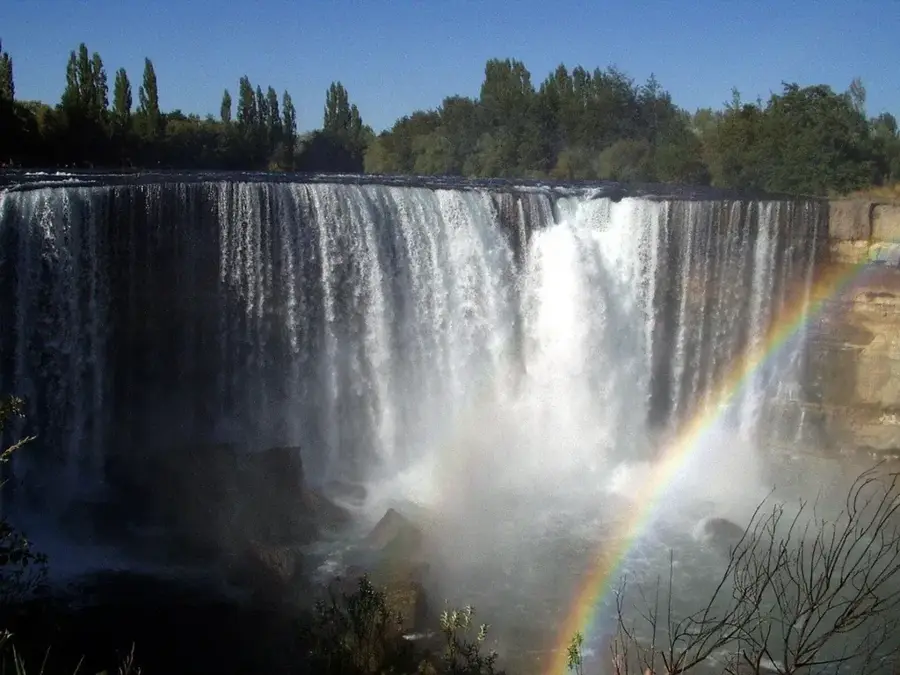
  • The impressive Salto del Chilco waterfalls are located within the park.
  • The annual average temperature in the park is about 11 degrees Celsius.

Explore nearby

Notable places around
Route planner — Car & Motorhome

Where do you start? We build the route here, with stops and country notes along the way.

Vehicle
Only stops with (optional):

© OpenStreetMap contributors · OpenRouteService

Sights in the town Laguna del Laja National Park (3)

Salto Las Chilcas📍 landmark

This scenic waterfall in cl-parque-nacional-laguna-del-laja-life-v2 plunges through a rugged volcanic landscape.

Mirador Chacay🌿 nature

This viewpoint in cl-parque-nacional-laguna-del-laja-life-v2 provides sweeping vistas of the surrounding mountain and lake scenery.

Parque Nacional Laguna del Laja🌿 nature

This national park in cl-parque-nacional-laguna-del-laja-life-v2 encompasses the Laguna de la Laja reservoir and the slopes of the Antuco volcano.

Sights nearby

Frequently asked questions

What can you see in Laguna del Laja Park?
The Antuco volcano, Laguna del Laja, and impressive lava fields.
Can you ski there?
Yes, in winter there is a small ski center on the slopes of Antuco volcano.
Are there waterfalls?
While 'Salto del Laja' is outside, the park features the beautiful 'Velo de la Novia' waterfall.
What is the vegetation like?
Characterized by mountain cypresses (Ciprés de la Cordillera) and barren volcanic landscape.
Is the park windy?
Yes, it can often be very windy by the lakeshore; bring windproof clothing.
Laguna del Laja National Park: where is it located?
Laguna del Laja National Park is located in Chile.
Laguna del Laja National Park: what is there to see?
Highlights include Salto Las Chilcas, Mirador Chacay, Parque Nacional Laguna del Laja.
Laguna del Laja National Park: when is the best time to visit?
The most pleasant time to visit is Jan, Feb, Dec.
Laguna del Laja National Park: why is it worth visiting?

Laguna del Laja National Park is located in the Biobío region in the Andes of central Chile and covers an area of approximately 11,600 hectares.
View on map → The Top 50 Attractions → OpenStreetMap →
South America
Explore with Plizio Discover more places in South America
More places in Chile →

Nearby cities

More places