Plizio Visual Lab
Faya-Largeau
ℹ️Practical info — Faya-Largeau
▾
🌤 Weather — 5 days
📍 Nearby
Sights nearby
💡 Tips
- The desert climate is extreme with intense heat and dry air; constant hydration is absolutely essential.
- Dress very conservatively to respect the local Islamic culture and protect your skin from the sun.
- Photography of military installations, police, or government buildings is strictly forbidden and heavily enforced.
- The city is sprawling and sandy; hiring a local guide is crucial if you plan to explore the surrounding dunes.
🍽 Food
A local staple, often served with rice or flatbread at small eateries in the town center.
The oasis is famous for its dates; eat them fresh during the harvest season.
Enjoy small glasses of highly sweetened mint tea, an important part of local hospitality.
🛍 Shopping · 🧘 Quiet spots
The heart of the town where you can buy dates, salt, and basic nomadic supplies.
Look for traditional mats woven from palm fronds by local artisans.
The vast palm oasis provides dense shade and a surprisingly cool microclimate away from the desert sun.
Walk just outside the city limits to watch the dunes change color as the sun goes down.
Water temperature…
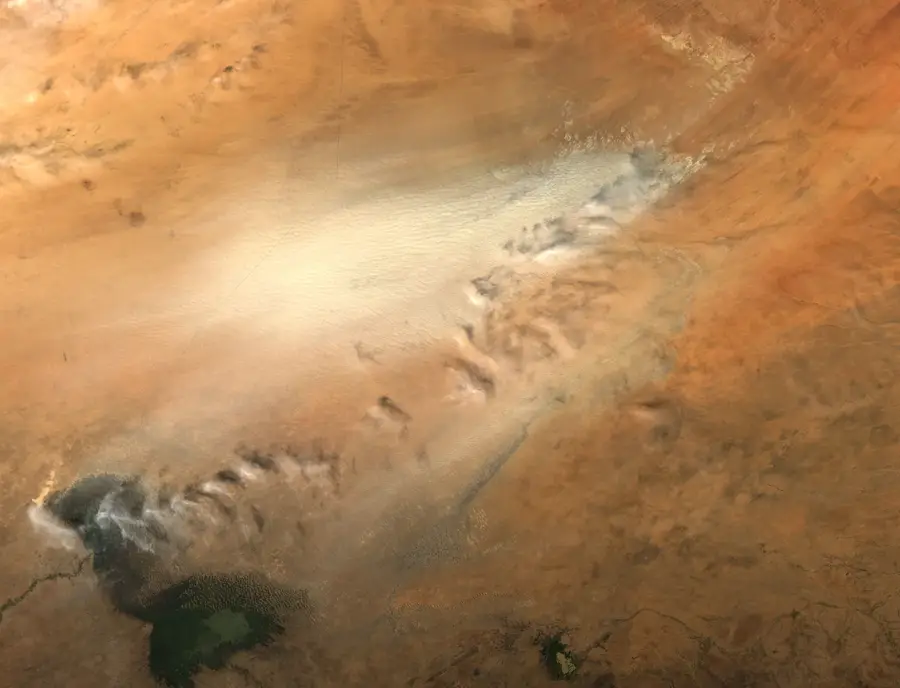
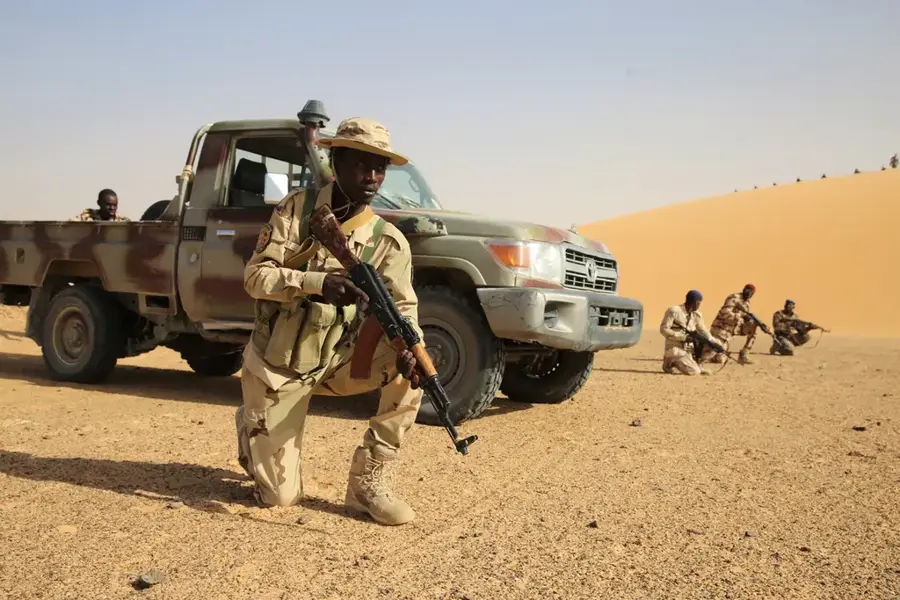
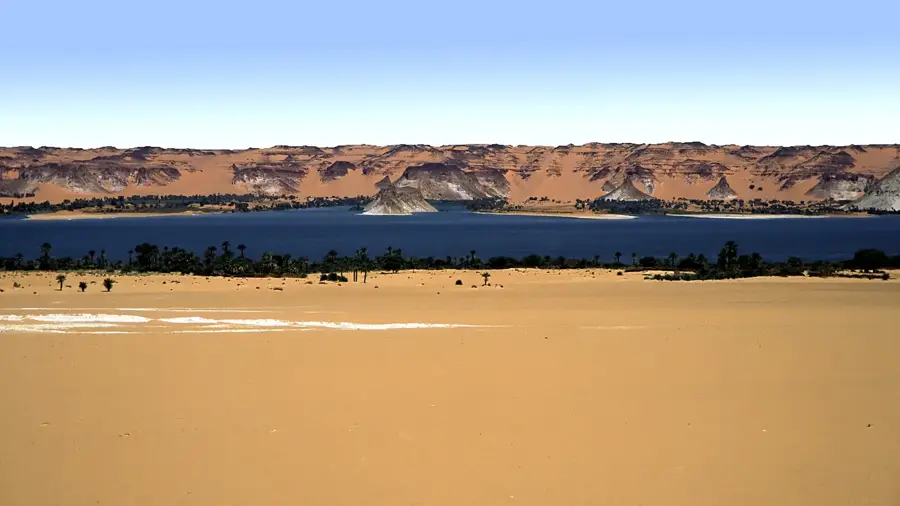
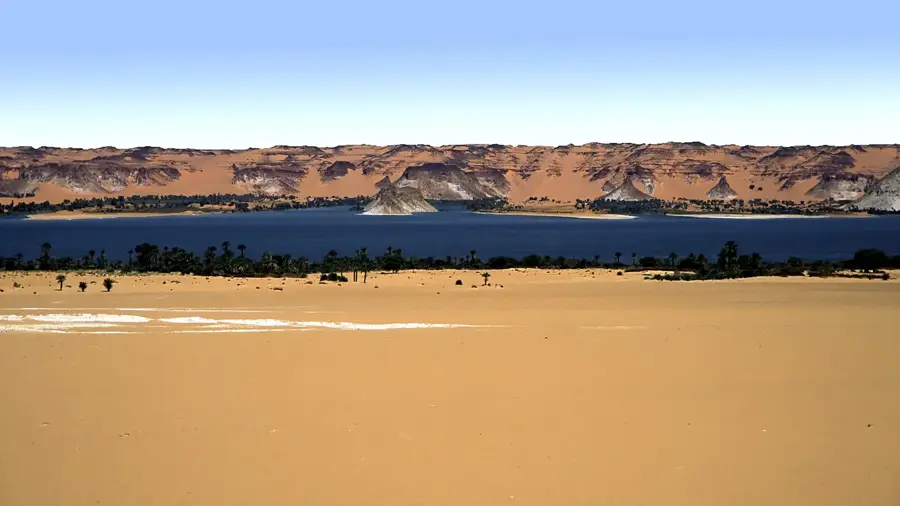
Faya-Largeau is the largest city in northern Chad and serves as the capital of the Borkou region. Originally known as Faya, the city was named after French Colonel Étienne Largeau during the colonial era before receiving its current combined name. Geographically, it is located in a vast oasis in the middle of the Sahara Desert, famous for its high-quality date palms and providing a vital source of water in the extreme desert environment. During World War II and later in the conflicts with Libya in the 1980s, the city was a heavily contested target due to its strategic airbase. The climate is one of the hottest in the world, with temperatures regularly exceeding 40 degrees Celsius and sandstorms shaping daily life. The city's architecture is characterized by traditional mud-brick construction and colonial remains, which tell the story of its turbulent history. Faya-Largeau remains a crucial supply post for the northern desert regions and a center for the trade of camels and dates. Despite its isolated location, the city is a symbol of human survival in one of the most inhospitable environments on Earth.
- Location: Chad
- Population: ~44.011 (2026)
Best time to visit & climate
The most pleasant time to visit is Feb, Nov, Dec.
| Jan | Feb | Mar | Apr | May | Jun | Jul | Aug | Sep | Oct | Nov | Dec | |
|---|---|---|---|---|---|---|---|---|---|---|---|---|
| Avg °C | 17 | 21 | 25 | 30 | 33 | 35 | 35 | 34 | 33 | 29 | 23 | 18 |
| Rain mm | 0 | 0 | 0 | 0 | 0 | 0 | 2 | 6 | 0 | 0 | 0 | 0 |
Geography
Facts
- Largest city located in the northern region of Chad.
- Capital city of the Borkou administrative region.
- Major oasis center renowned for high-quality dates.
- Strategic military airfield with IATA code FYT.
- Formerly named after the French Colonel Étienne Largeau.
- Temperatures frequently rise above 40 degrees Celsius.
Explore nearby
Notable places around


Route planner — Car & Motorhome
Where do you start? We build the route here, with stops and country notes along the way.
© OpenStreetMap contributors · OpenRouteService
Sights in the town Faya-Largeau (1)
Frequently asked questions
Is Faya-Largeau safe for tourists?
What is the best time to visit Faya-Largeau?
How do I get to Faya-Largeau?
Are there accommodations available?
What can I do in Faya-Largeau?
Faya-Largeau: where is it located?
Faya-Largeau: when is the best time to visit?
Faya-Largeau: why is it worth visiting?

Nearby cities
History & landmarks
More places