Plizio Visual Lab
Itaba
ℹ️Practical info — Itaba
▾
🌤 Weather — 5 days
📍 Nearby
Sights nearby
💡 Tips
- Local transport relies heavily on bicycles and motorbikes; always agree on a price before hopping on.
- While French is spoken, learning a few basic greetings in Kirundi will make a great impression on locals.
- The surrounding area is rural and hilly, making comfortable walking shoes absolutely essential.
- Markets often operate on specific days of the week; ask locals for the current schedule so you don't miss out.
🍽 Food
The staple cassava or maize flour dish, served at most local eateries with a side of beans or veg.
Delicious fish sourced from Lake Tanganyika, try it at local restaurants when transport brings fresh catch.
Savory meat skewers, often enjoyed at lively local bars in the evening.
🛍 Shopping · 🧘 Quiet spots
The great spot to buy fresh tropical fruits like bananas and avocados directly from farmers.
Look for beautifully woven goods crafted by local women artisans.
Take a peaceful hike in the hills for uninterrupted views of the verdant agricultural landscape.
Often well-shaded and peaceful, offering a quiet retreat from the busy village center.
Water temperature…
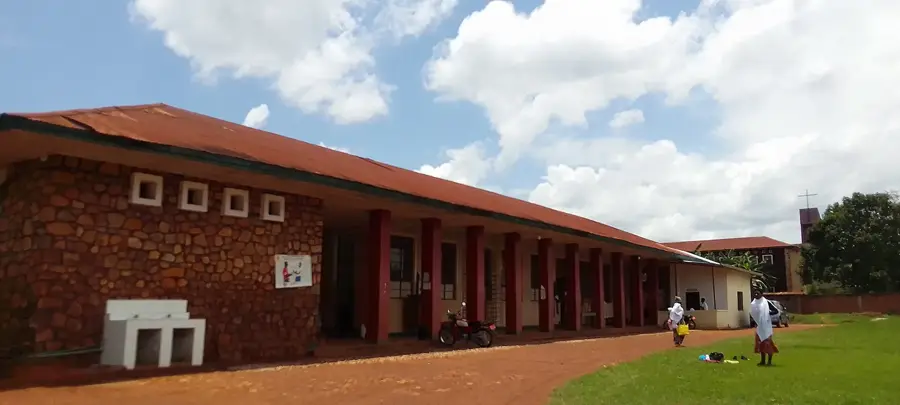
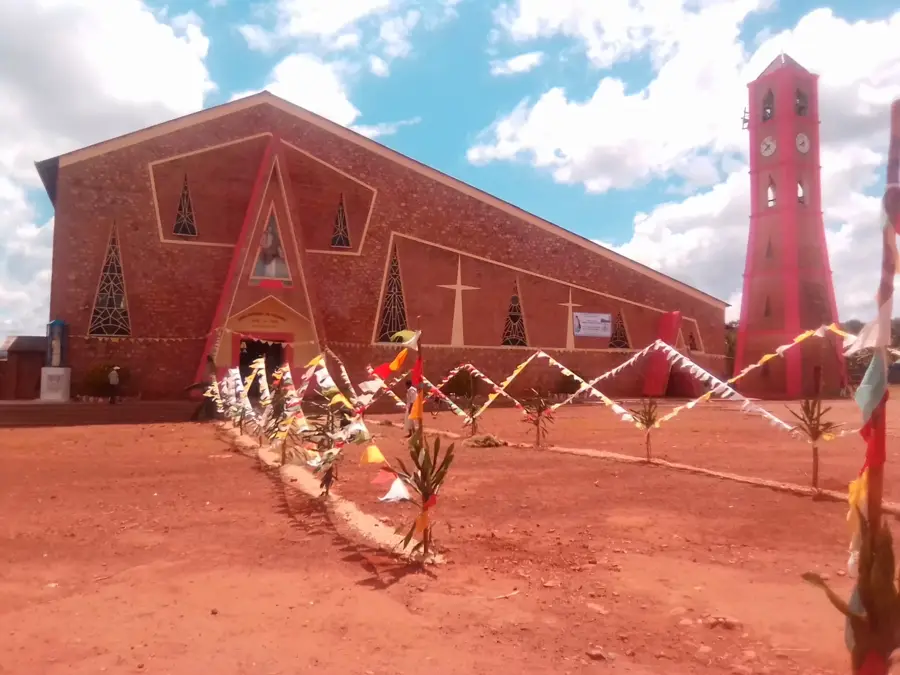
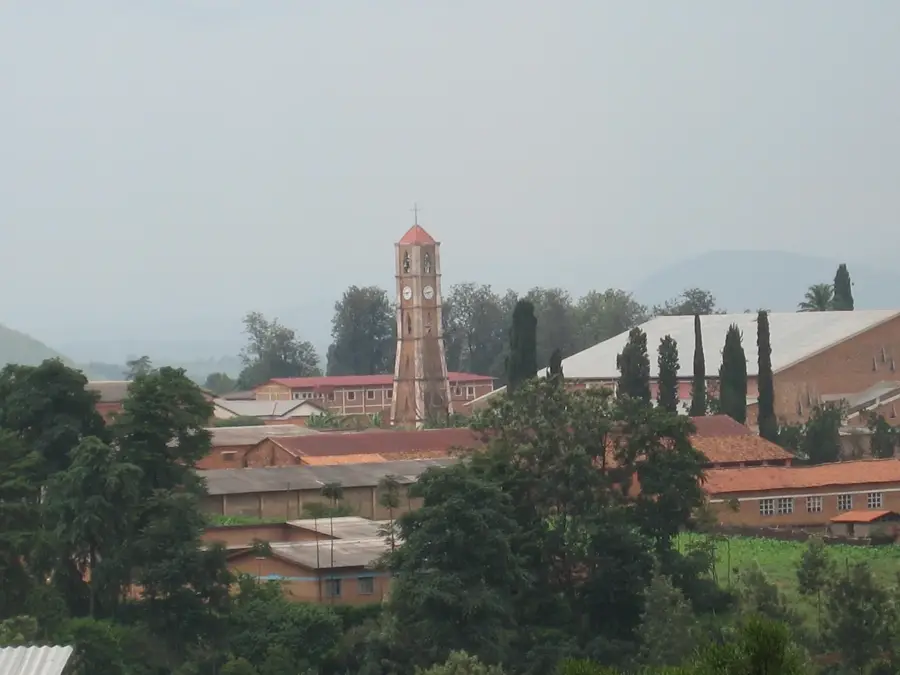
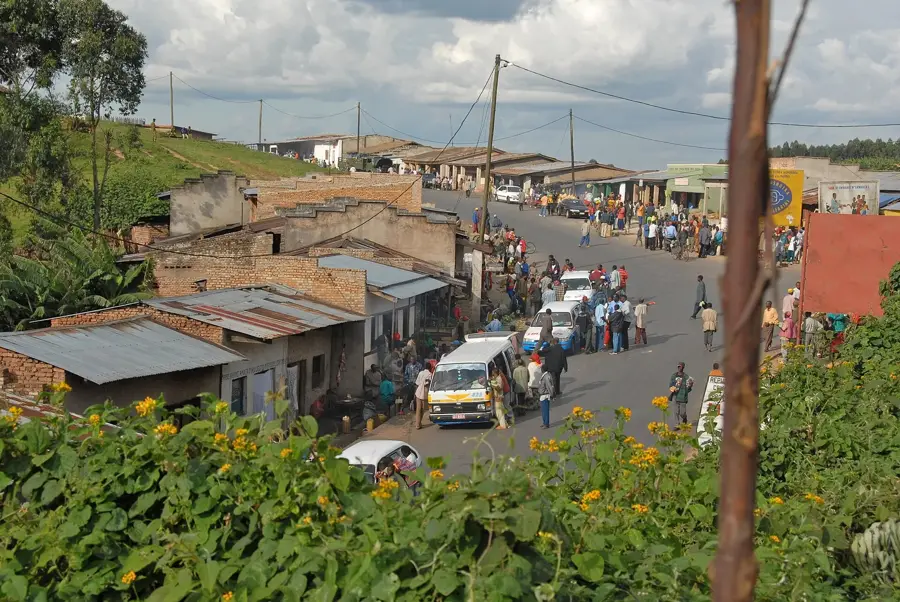
Itaba is a tradition-rich commune in the Gitega Province, known for its extensive history and its role in Burundian culture. The town is situated in the central highlands, surrounded by hills often blanketed with eucalyptus trees and coffee shrubs. In the history of Burundi, Itaba is recognized as a place of great symbolic importance, particularly concerning royal traditions and rites. Geographically, Itaba marks a significant watershed area, feeding numerous small streams that are essential for irrigating the fertile valleys below. The town's economy is built on a mix of subsistence farming and the cultivation of cash crops like coffee and tea. In recent years, Itaba has seen the implementation of projects aimed at improving drinking water access and the school system. The residents of Itaba maintain a strong sense of community, reflected in traditional celebrations and communal harvests. The town remains a quiet center that embodies the essence of Burundian rural life.
- Location: Burundi
- Nearby: Bukirasazi (18 km)
Best time to visit & climate
The most pleasant time to visit is Jul–Sep.
| Jan | Feb | Mar | Apr | May | Jun | Jul | Aug | Sep | Oct | Nov | Dec | |
|---|---|---|---|---|---|---|---|---|---|---|---|---|
| Avg °C | 19 | 20 | 20 | 19 | 18 | 17 | 17 | 19 | 20 | 20 | 19 | 19 |
| Rain mm | 171 | 137 | 182 | 170 | 74 | 16 | 9 | 22 | 40 | 99 | 240 | 178 |
Geography
Facts
- Itaba is located in the Gitega Province, near the nation's new capital city.
- The region is a significant producer of high-quality Arabica coffee.
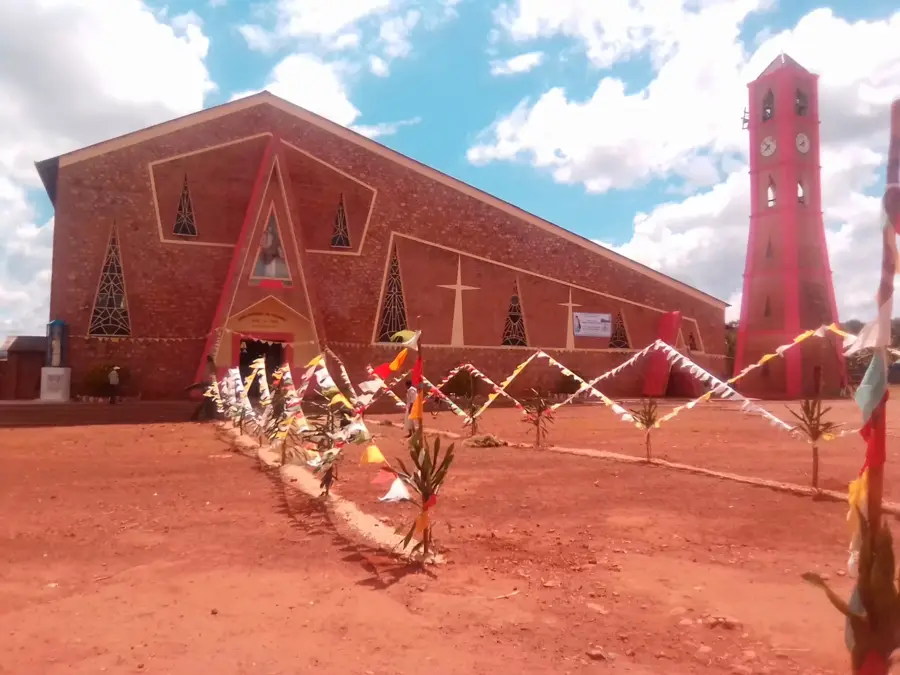
- Itaba is home to historical sites associated with the coronation of Burundian kings.
- The town's average elevation is approximately 1,750 meters above sea level.
- Local crafts include specialized blacksmithing and traditional weaving.
- Eucalyptus reforestation projects help combat soil erosion on the surrounding hills.
Explore nearby
Notable places around


Route planner — Car & Motorhome
Where do you start? We build the route here, with stops and country notes along the way.
© OpenStreetMap contributors · OpenRouteService
Frequently asked questions
Why should you visit Itaba?
What cultural sites are there?
What is the terrain like in Itaba?
Is Itaba easy to reach?
When is the best time to visit?
Itaba: where is it located?
Itaba: when is the best time to visit?
Itaba: why is it worth visiting?

Nearby cities

History & landmarks
More places