Ancient Abritus Festival
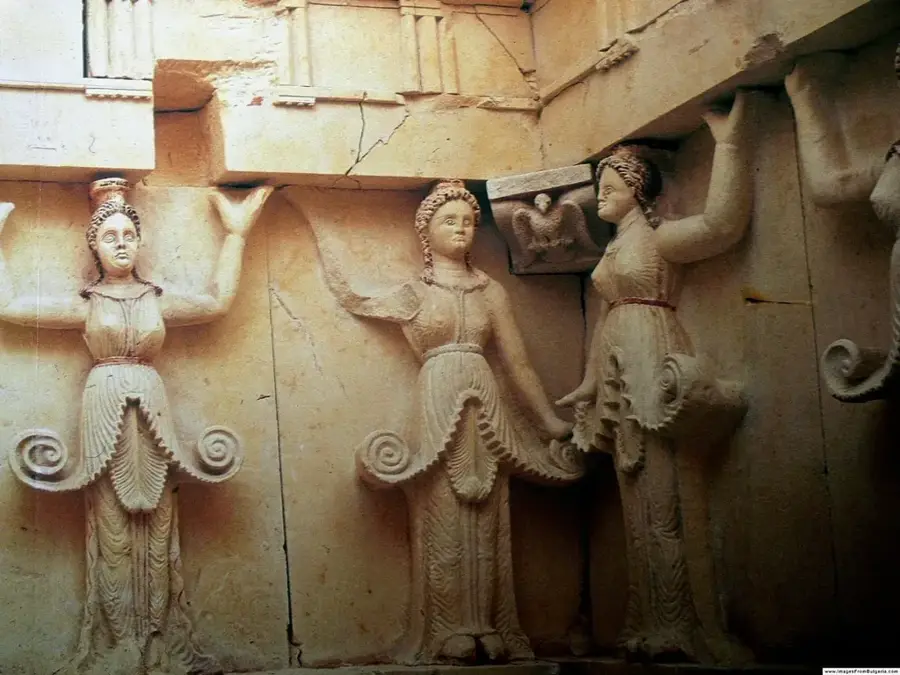
In June, Razgrad celebrates the heritage of the Roman city of Abritus with historical reenactments: a Roman military camp, gladiator fights, ancient crafts and food and wine tastings.
PlizioGo
The region is famous for its yogurt. Try a cold Tarator soup or eat it plain with honey at a local cafe.
A mixed grill of local meats. Best enjoyed at a traditional Bulgarian tavern near the central park.
Fried dough pastries excellent for breakfast, typically found at small street-side bakeries in the early morning.
Visit the local market for fresh regional dairy products, particularly the renowned local yogurt and honey.
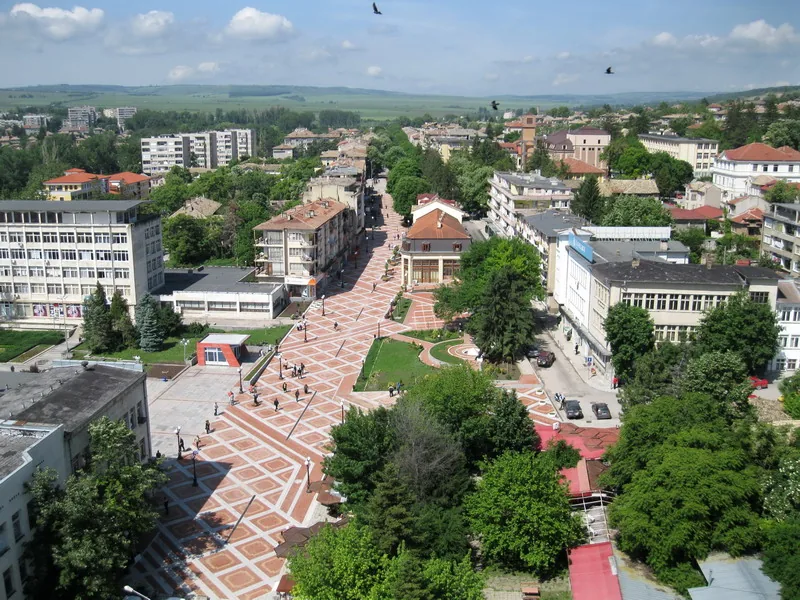
Look for small shops in the pedestrian zone selling handcrafted wooden items and local ceramics.
The main city park features beautiful old trees and wide alleys, well-suited for a calm walk away from the traffic.
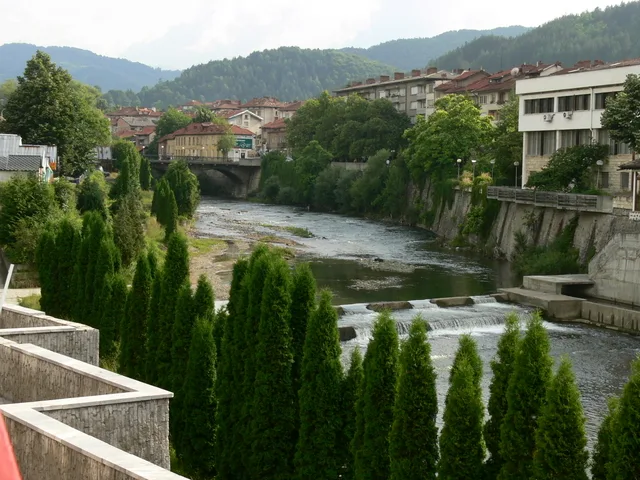
Take a quiet stroll along the paths following the river, especially relaxing in the early evening.
Water temperature…
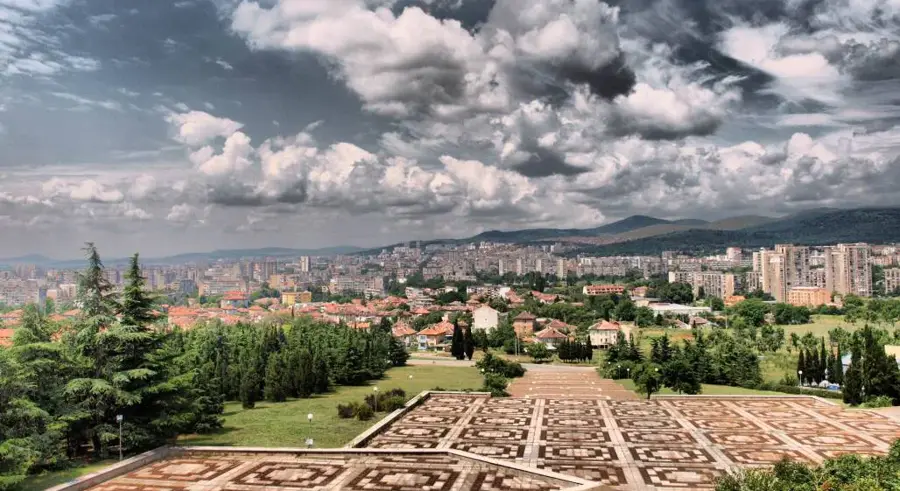
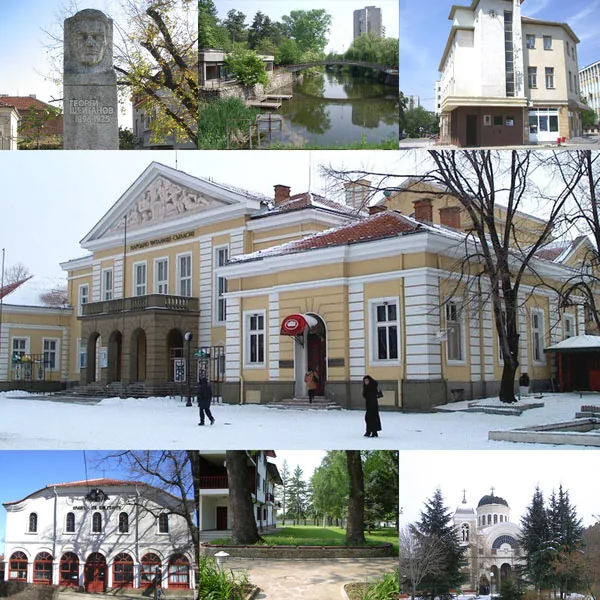
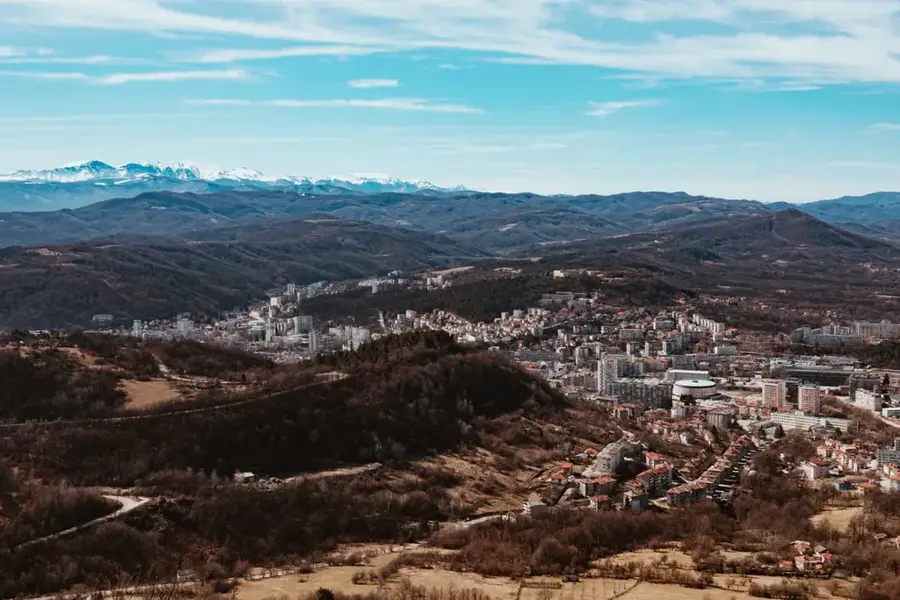
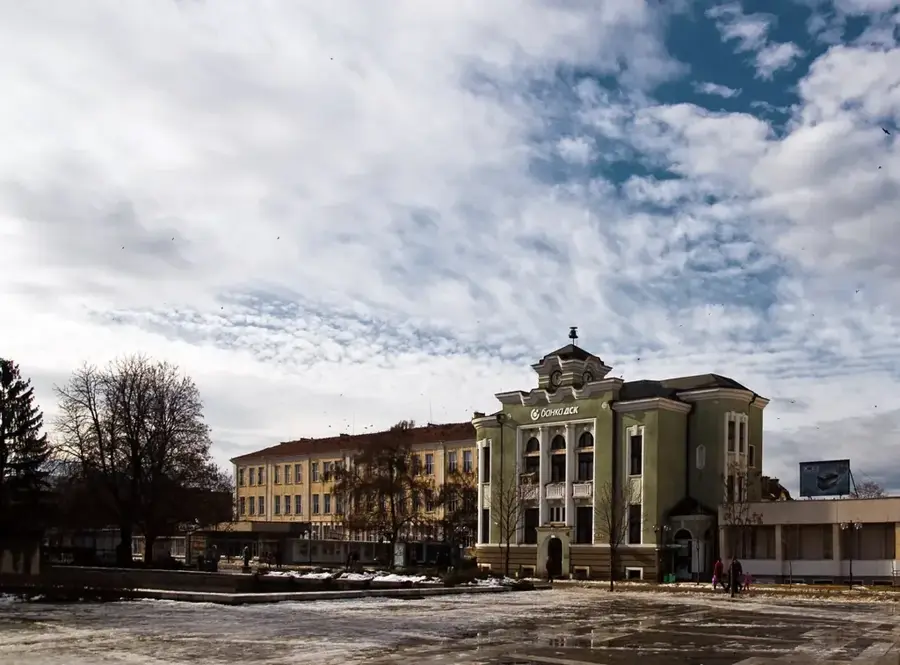
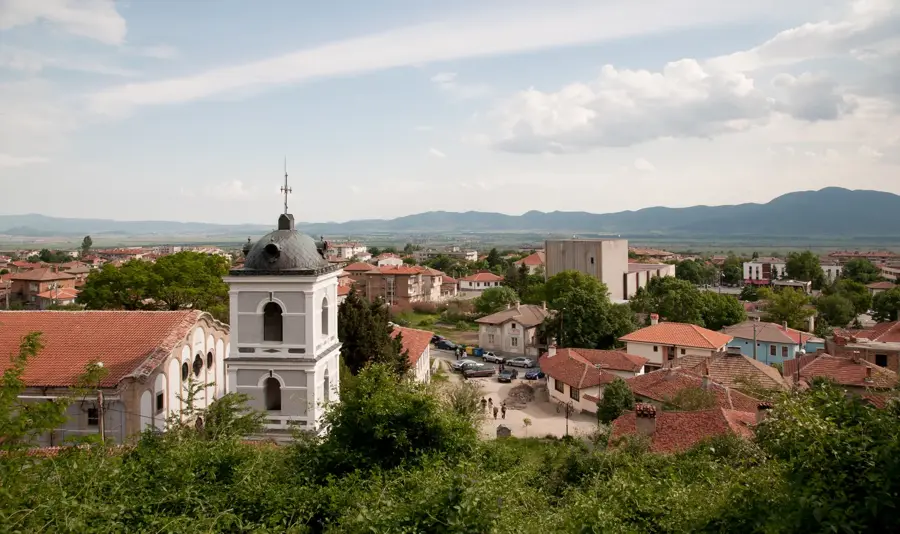
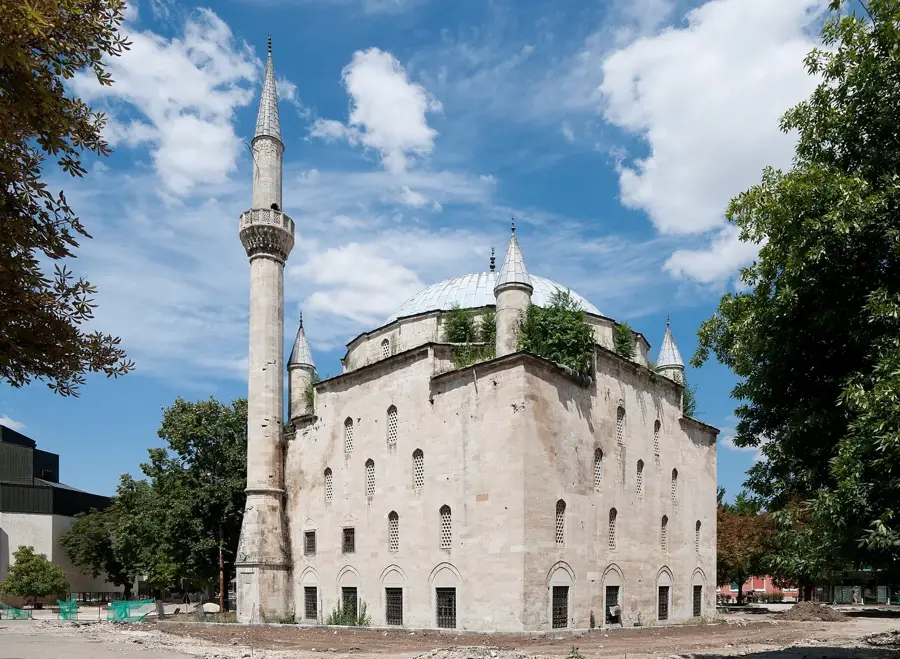
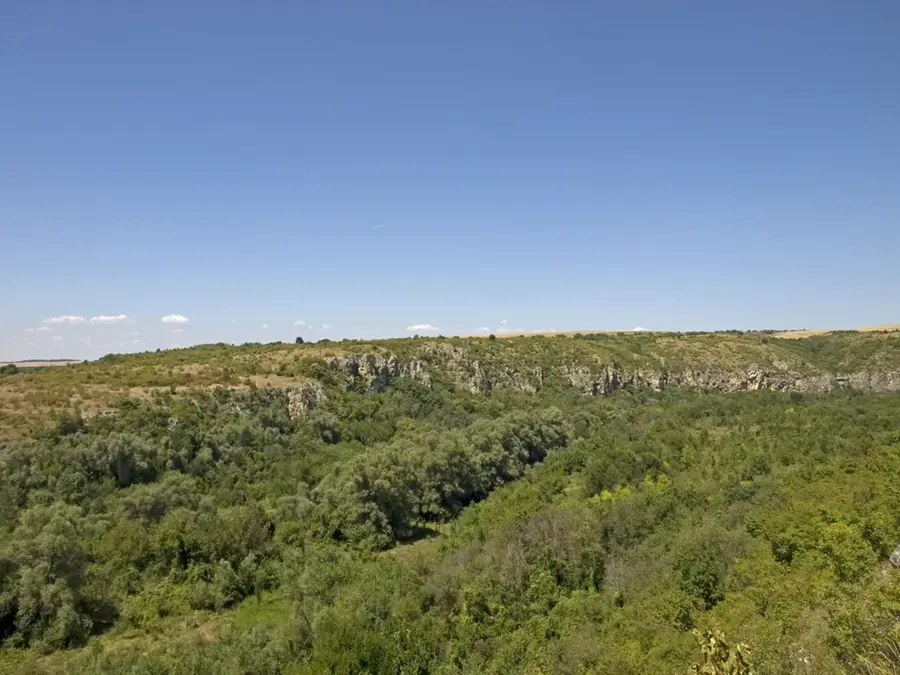
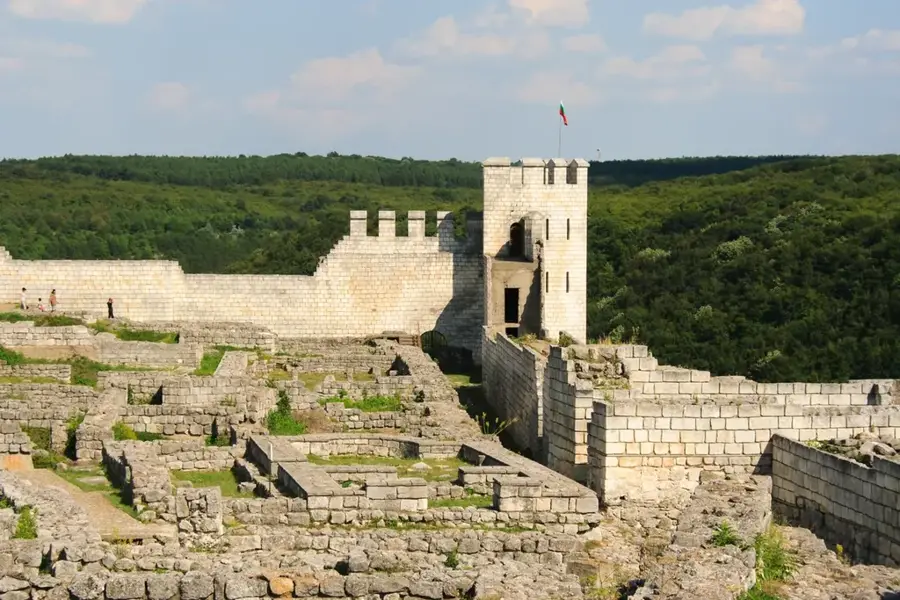
Razgrad is located in the heart of the Ludogorie region in northeastern Bulgaria, known for its rich ancient heritage and modern industrial significance. The city is built upon the ruins of the ancient Roman city of Abritus, which is one of the most extensively excavated archaeological sites in the country. In 251 AD, the famous Battle of Abritus took place nearby, marking the first time a Roman Emperor, Decius, was killed in battle against Goths. The Abritus Archaeological Reserve today features a modern museum and well-preserved fortress walls. Another architectural landmark is the 17th-century Ibrahim Pasha Mosque, one of the largest on the Balkan Peninsula. Modern-day Razgrad is a key center for the pharmaceutical and food industries in Bulgaria. In recent years, the city has gained international recognition through its highly successful football club, Ludogorets Razgrad. Its geography is characterized by the Beli Lom River valley and the rolling hills and dense forests typical of the Ludogorie plateau.
The most pleasant time to visit is Jun, Aug, Sep.
| Jan | Feb | Mar | Apr | May | Jun | Jul | Aug | Sep | Oct | Nov | Dec | |
|---|---|---|---|---|---|---|---|---|---|---|---|---|
| Avg °C | -1 | 1 | 6 | 11 | 17 | 21 | 24 | 24 | 19 | 12 | 7 | 1 |
| Rain mm | 48 | 40 | 46 | 43 | 68 | 72 | 58 | 47 | 55 | 55 | 41 | 51 |
See what it looks like near Razgrad right now.
Razgrad: Ushintsi · 6.6 km · Open webcam on Windy · Webcams provided by Windy.com
Notable places around
Where do you start? We build the route here, with stops and country notes along the way.
© OpenStreetMap contributors · OpenRouteService
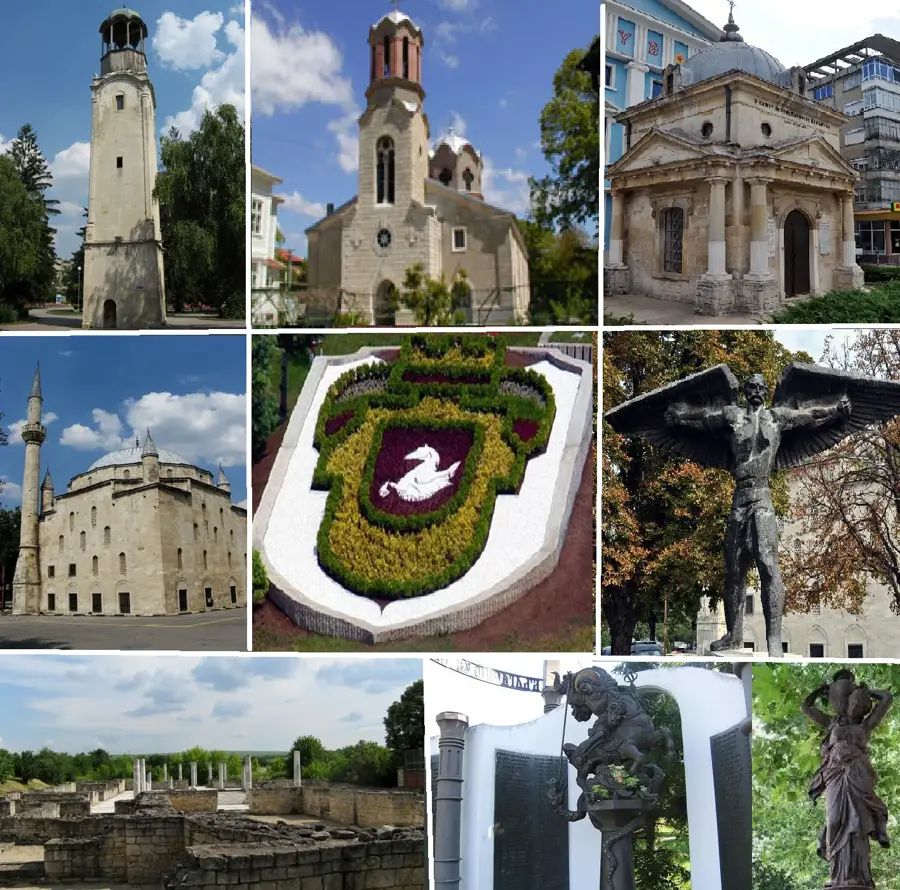
Your day in Razgrad begins in the historic heart with the Clock Tower and the impressive Ibrahim Pasha Mosque. In the morning, you'll delve into the region's rich culture at the Historical Museum and Art Gallery. After a walk to the expansive Abritus Archaeological Reserve, you'll spend the afternoon exploring the ancient Roman ruins. The evening concludes with a visit to the St. Nicholas Orthodox Church before you enjoy the local cuisine.
The morning starts at the Clock Tower, where rain makes the stones glisten. Nearby, the Ibrahim Pasha Mosque offers early shelter. At noon, we retreat to the Historical Museum to stay dry while exploring. In the afternoon, we head to Abritus; the ruins look mystical in the mist but require careful footing. The day ends peacefully at St. Nicholas Church before finding a cozy indoor spot.
A frosty morning at the Clock Tower starts the day. The crisp winter air makes the mosque look majestic against the sky. At noon, we warm up inside the Historical Museum while admiring its treasures. Afternoon at Abritus is short as the sun sets early, but the frost on the ruins is beautiful. The day ends as darkness falls near the atmospherically lit church.
Start your bike tour at the Clock Tower, Razgrad's landmark. A short ride takes you to the mosque and the Historical Museum. In the morning, you'll cycle to the day's highlight, the Abritus Archaeological Reserve and its modern interactive museum, where you'll immerse yourself in the Roman past. In the afternoon, seek relaxation in the Pchelina Forest Park, an ideal place for a green break. The day ends with a cultural finish at the Iliya Petrov Art Gallery in the city center.
Despite the rain, we start at the Clock Tower. The ride to the mosque is short, but mudguards are essential for Abritus. At noon, we explore the interactive museums while staying dry. In the afternoon, we cycle through Pchelina Park, where paths might be muddy. The day ends at the art gallery, allowing us and our gear to dry off a bit.
Crisp morning air as we start at the Clock Tower. Cycling to Abritus keeps us warm, but the winter wind is noticeable. At noon, we use the museums as warming stations. The ride through Pchelina forest shows a quiet, frosty side of the region. Since it gets dark early, we end the day promptly at the art gallery and enjoy the warmth of the city center.
Your day by car begins at the Abritus Archaeological Reserve, where you'll spend the morning. Park here and explore the ruins and the nearby Interactive Museum on foot. At noon, drive to the Pchelina Forest Park for a relaxing break in nature. In the afternoon, head to the city center. Park your car and explore the historic core – the Clock Tower, the mosque, the Historical Museum, and the Art Gallery – comfortably on foot.
A comfortable start at Abritus despite the rain. The interactive museum keeps us dry before we drive to Pchelina Park for the views. At noon, we return to the center to see the Clock Tower. The short distances between the mosque and the Historical Museum minimize time spent in the rain. We end the day relaxing at the art gallery.
A warm start in the car at the Abritus reserve. We visit the museums before driving to the snowy Pchelina forest landscape. At noon, we return to the center to see the Clock Tower under the low winter sun. Short walks between sights are ideal for the cold season. We end the day at the art gallery before enjoying the car's heater again.
The archaeological ruins of a significant ancient Roman city.