Plizio Visual Lab
Pirdop
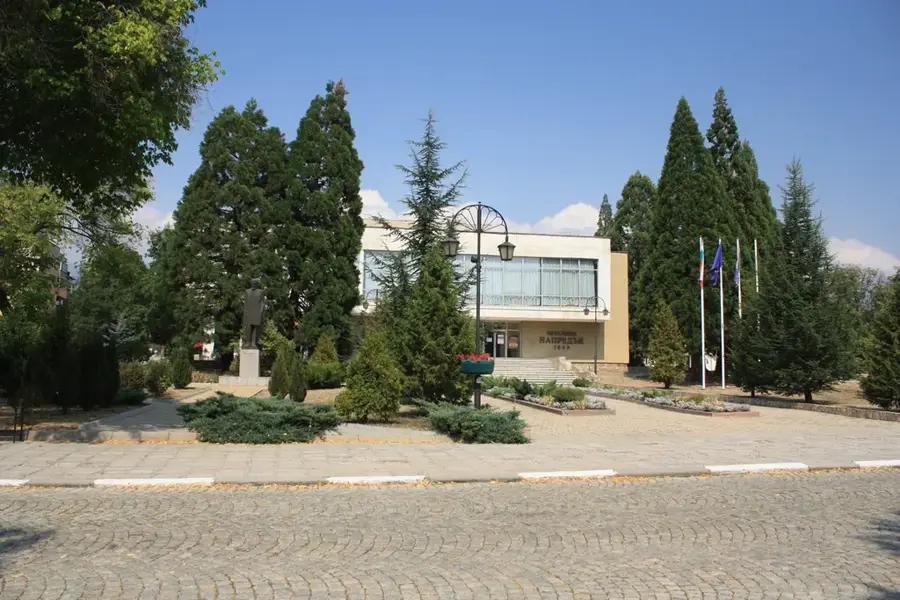
ℹ️Practical info — Pirdop
▾
🌤 Weather — 5 days
📍 Nearby
Sights nearby
💡 Tips
- Visit the ruins of the Elenska Basilica northeast of town, a rare 4th-century fortified church and monastery.
- Take the sub-Balkan train from Sofia for a scenic and very affordable journey through the mountain passes.
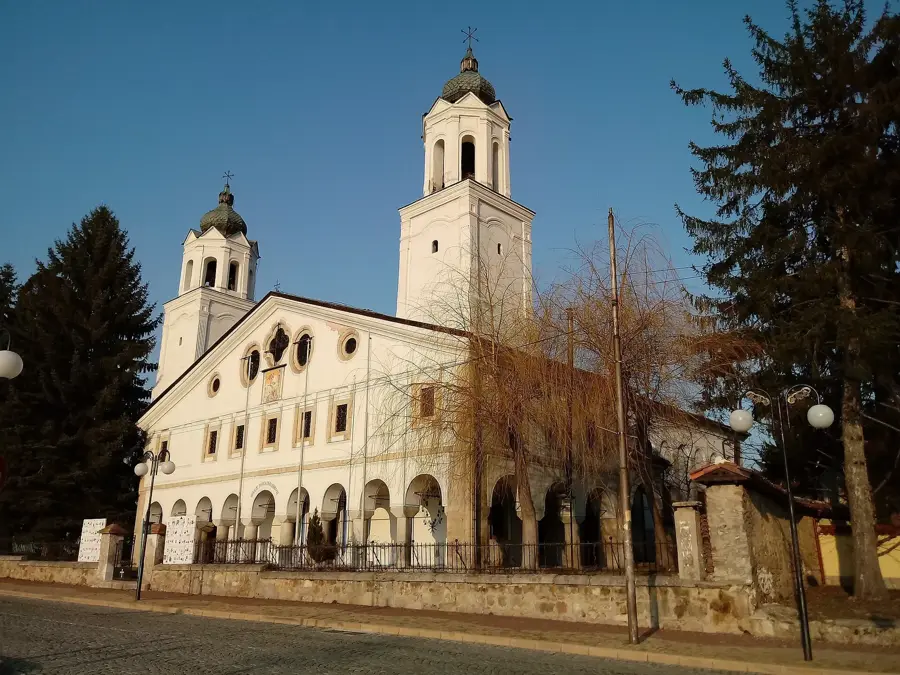
- Check out the 'Assumption' Church in the town center, famous for its intricate 19th-century wood-carved iconostasis.
- Head to the nearby Doushantsi Dam for a quiet picnic and beautiful views of the surrounding Sredna Gora mountains.
- The tap water in Pirdop is safe to drink and comes directly from fresh mountain springs.
🍽 Food
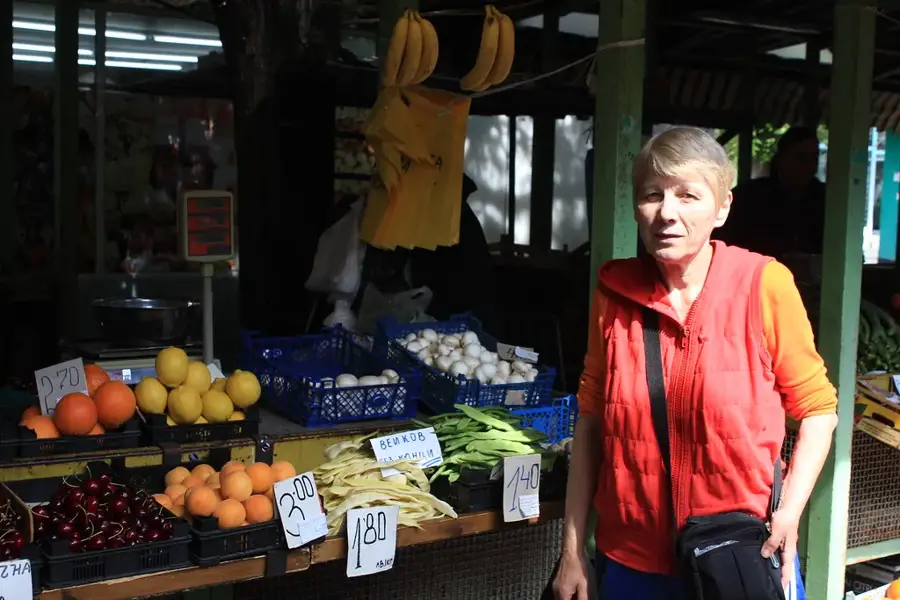
Look for dark forest honey at local markets; the region's diverse flora makes it exceptionally flavorful.
Try this slow-cooked meat and vegetable stew served in clay pots at traditional 'Mehana' taverns.
A well-known spot in the center for both modern Bulgarian dishes and a relaxed coffee break.
🛍 Shopping · 🧘 Quiet spots
As Pirdop is near the Valley of Roses, you can find high-quality cosmetics made with authentic rose oil.
Look for traditional hand-knitted vests or 'kilim' rugs, which are a heritage craft of the region.
Located on a hill overlooking the town, it features a peaceful atmosphere and a panoramic view of the valley.
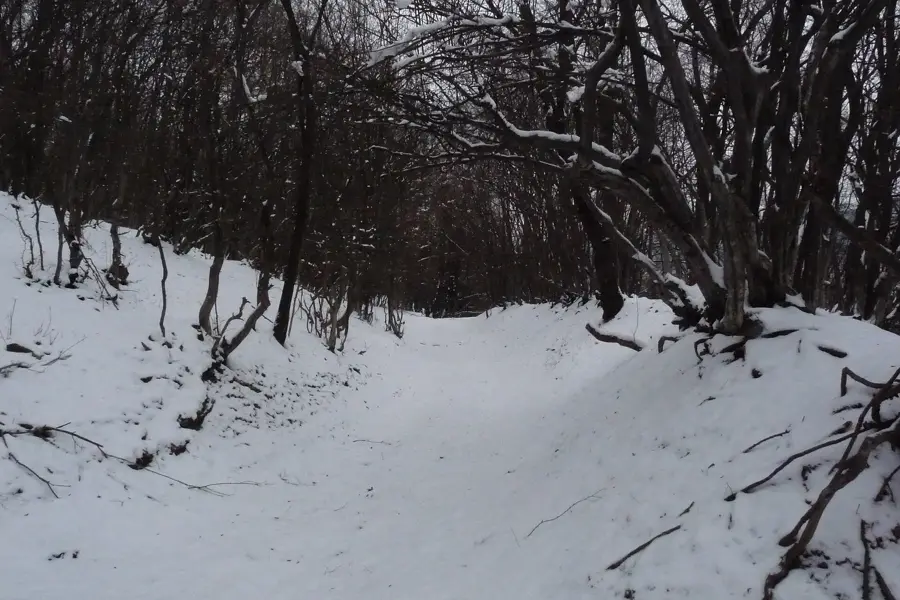
The trails to the south are gentle and lead through quiet forests, well-suited for a solitary hike.
Water temperature…
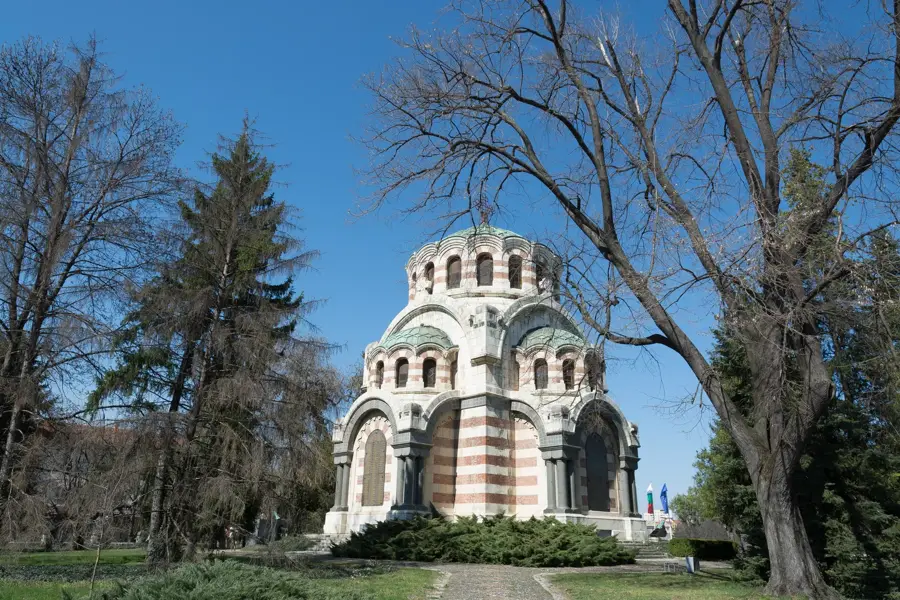
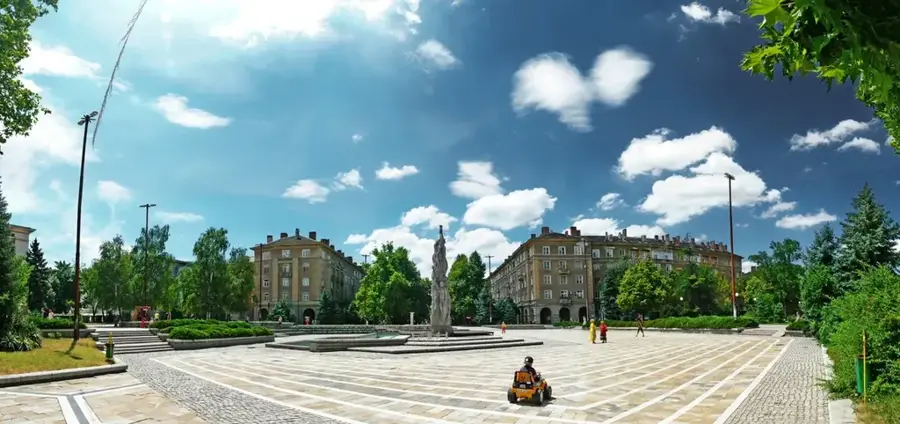
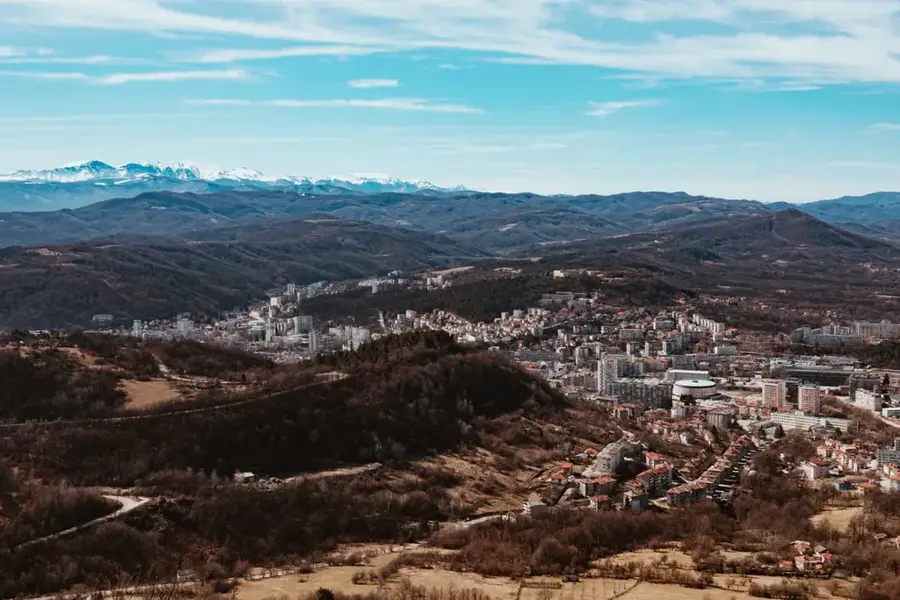
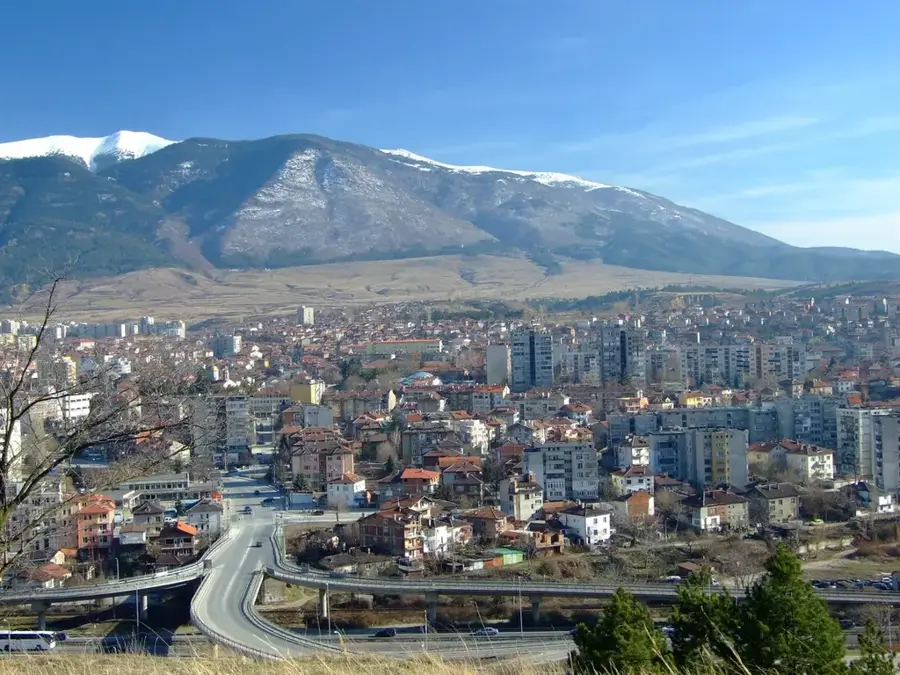
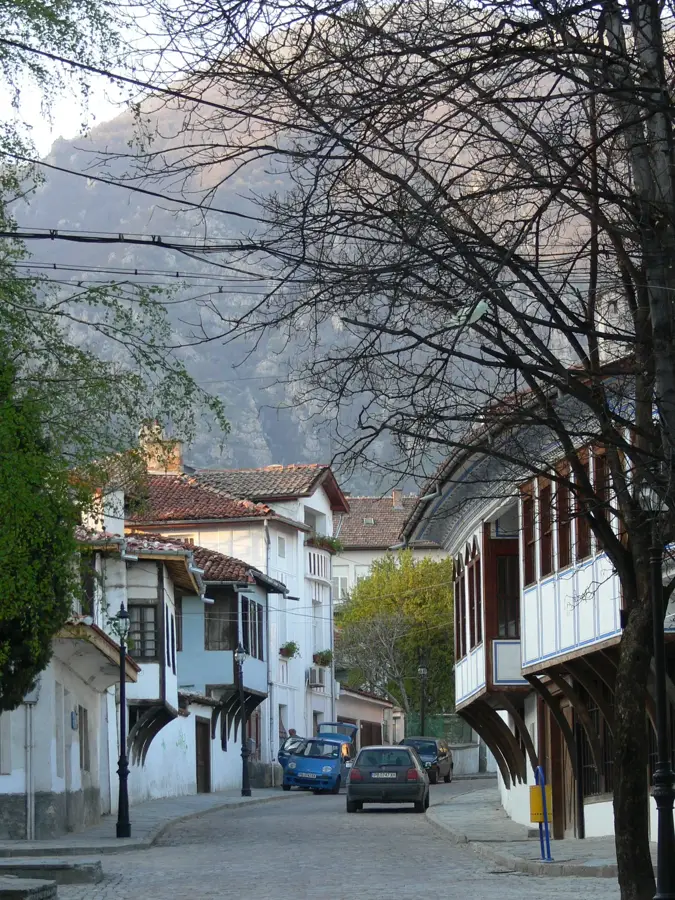
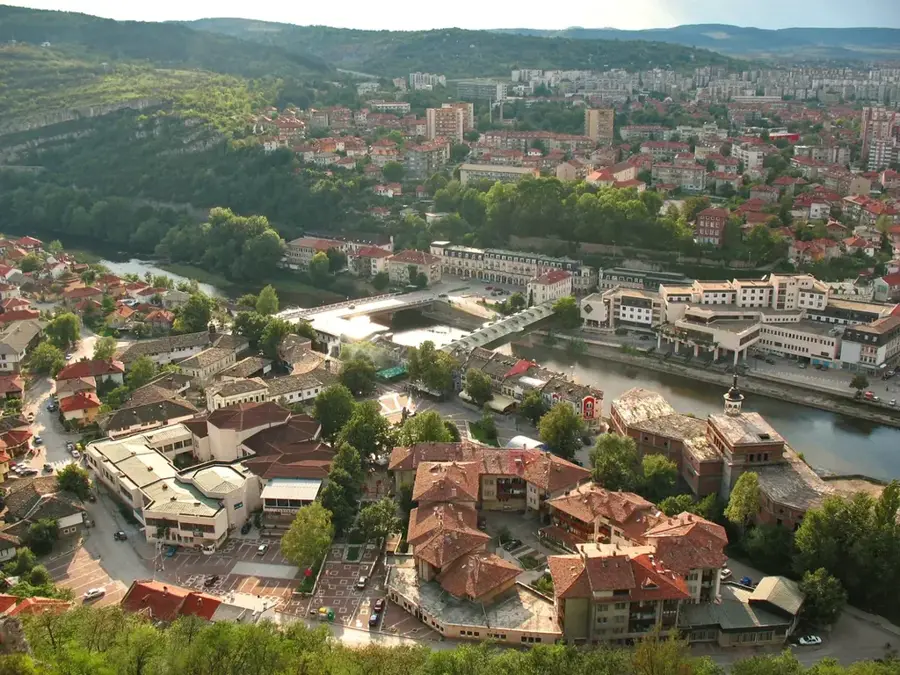
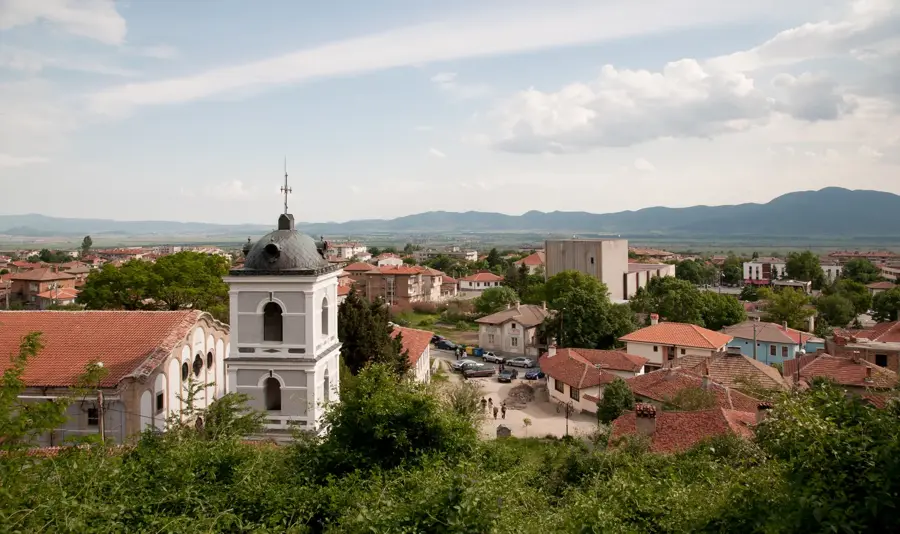
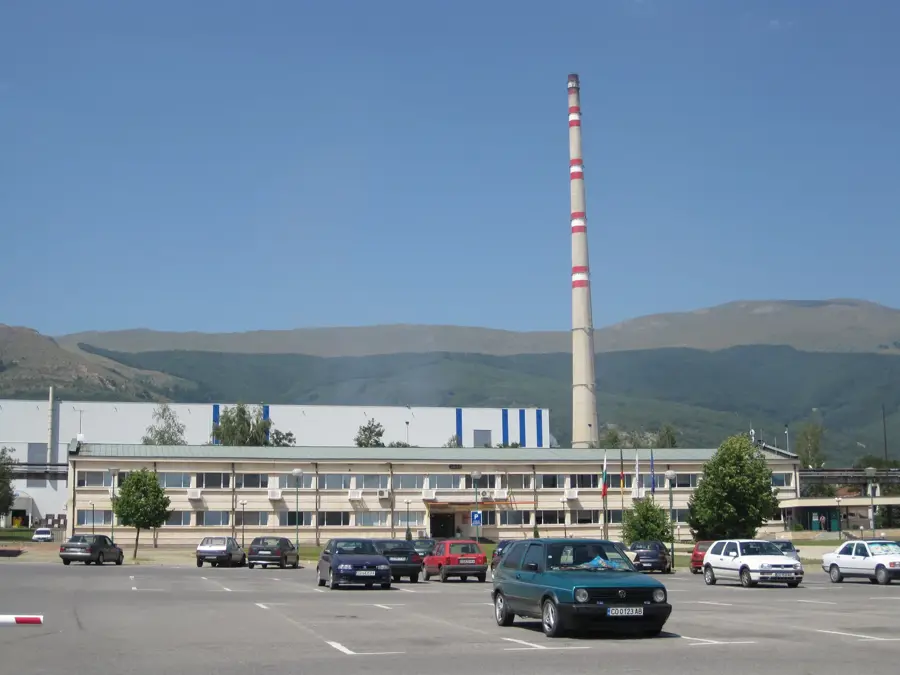
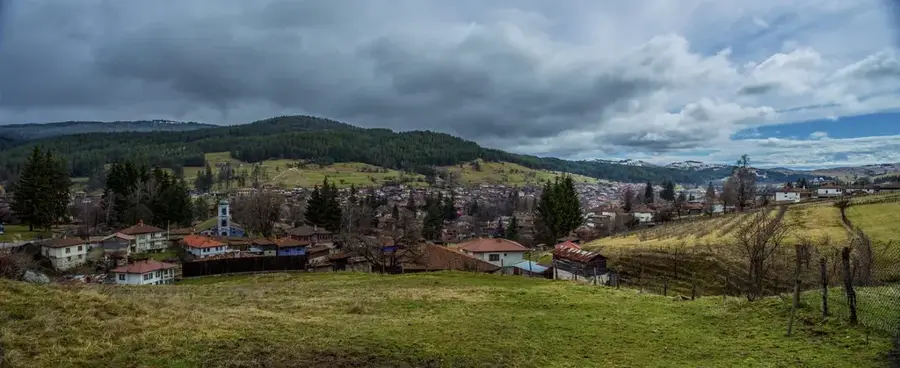
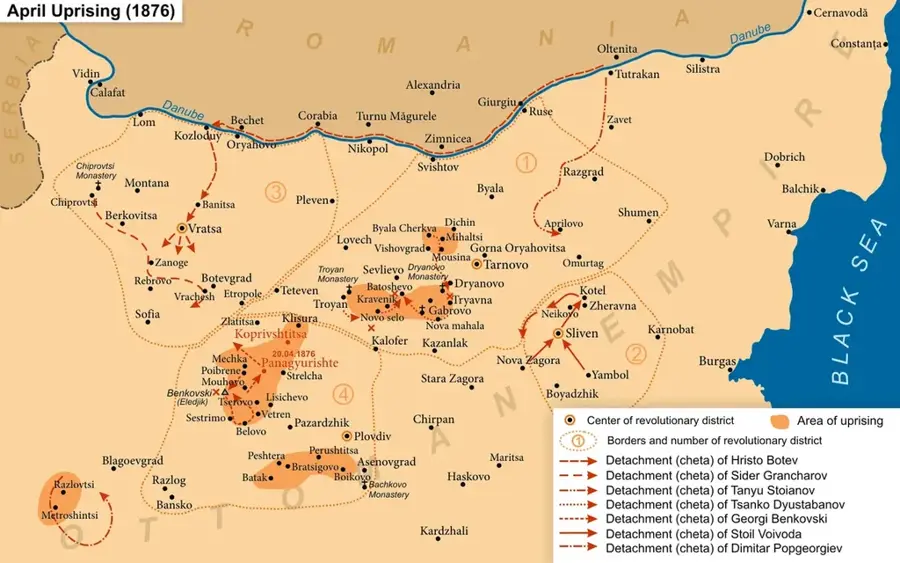
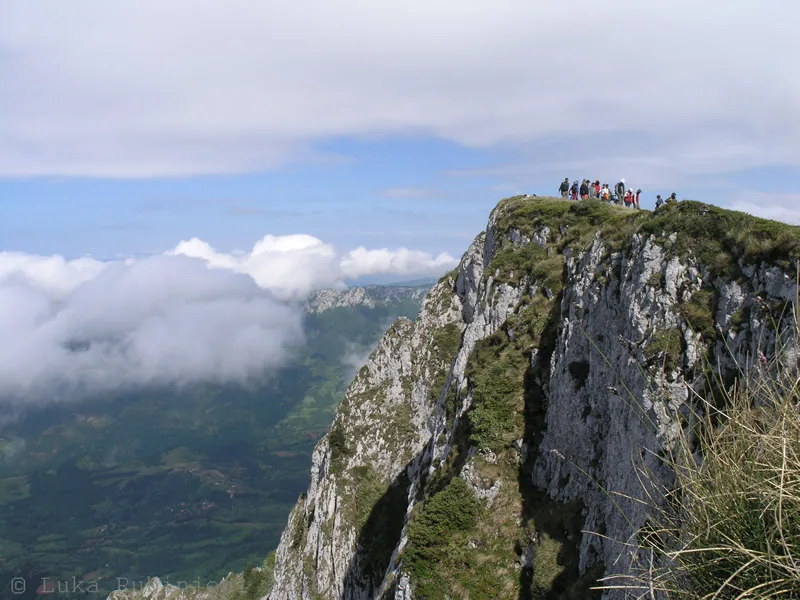
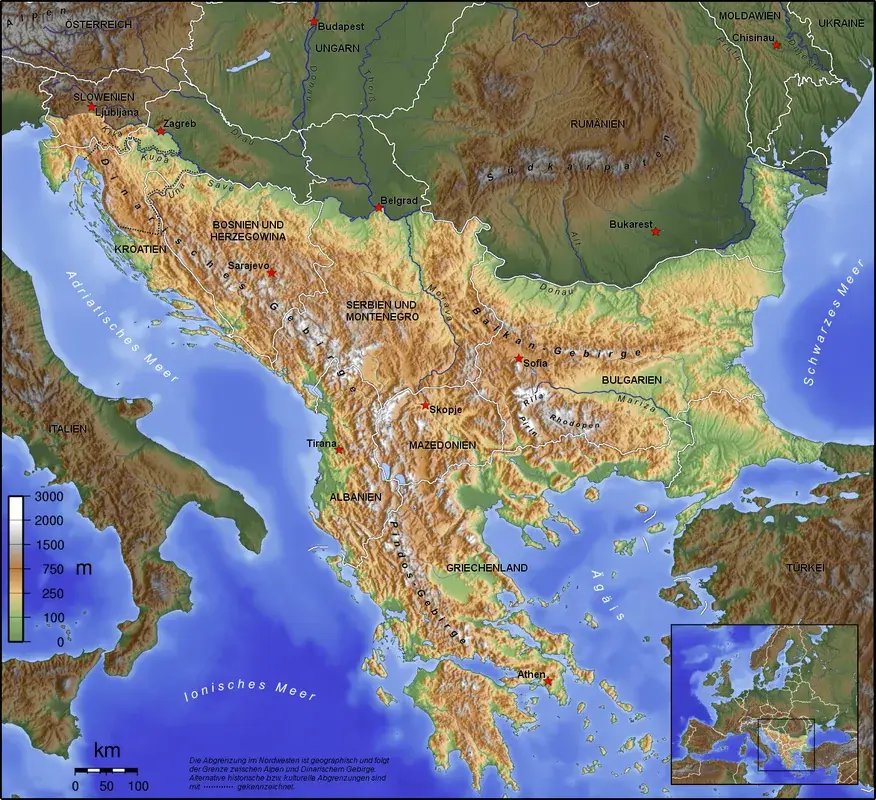
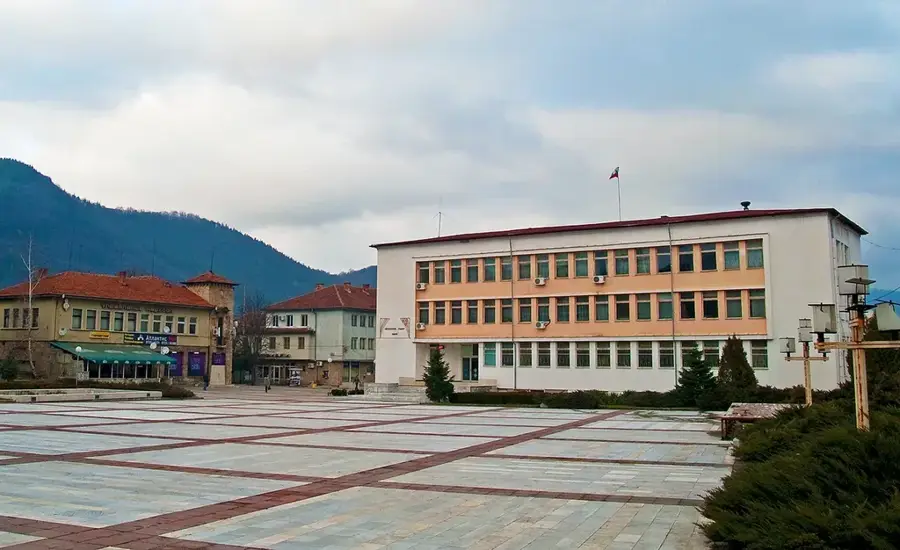
Pirdop is a prominent industrial town located in the Srednogorie Valley of central Bulgaria, located between the Balkan Mountains to the north and the Sredna Gora to the south. The town is nationally famous for its copper smelter, which is one of the largest copper processing centers in Southeastern Europe and significantly drives the local economy. Pirdop's history extends back to Thracian times, evidenced by the ruins of the nearby 4th-6th century Elenska Basilica, which is on the UNESCO World Heritage tentative list. During the Ottoman period, the town was a major center for livestock breeding and cloth manufacturing. Pirdop is characterized by a pleasant mountain climate and fresh air from the surrounding peaks, making it a good starting point for ecotourism. The urban landscape features a mix of modern industrial facilities and cozy historical quarters with old churches. Culturally, the town is committed to preserving local traditions, regularly organizing art exhibitions and folklore festivals. Easy transport links to the capital, Sofia, and its central location make Pirdop an attractive place for both work and leisure.
- Location: Bulgaria
- Top sights: Zlatitsa-Pirdop Valley · Pirdop Municipality · Pirdop copper smelter and refinery
- Nearby: Koprivshtitsa (10 km)
- Population: ~8.136
Best time to visit & climate
The most pleasant time to visit is Jun–Aug.
| Jan | Feb | Mar | Apr | May | Jun | Jul | Aug | Sep | Oct | Nov | Dec | |
|---|---|---|---|---|---|---|---|---|---|---|---|---|
| Avg °C | -2 | 0 | 4 | 9 | 14 | 19 | 21 | 21 | 17 | 11 | 5 | 0 |
| Rain mm | 52 | 46 | 58 | 57 | 85 | 90 | 74 | 58 | 56 | 55 | 40 | 51 |
Geography
Facts
- Pirdop is located at an average elevation of 670 meters in the Srednogorie Valley.
- The copper smelter in Pirdop is currently owned by the international Aurubis group.
- The late antique Elenska Basilica is one of the most significant monuments in the region.
- The settlement was officially declared a town in 1844 during the Bulgarian Revival.
- Pirdop serves as an important stop on the railway line connecting Sofia and Varna.
- The population of the town was approximately 7,500 as of 2021.
Explore nearby
Notable places around
Route planner — Car & Motorhome
Where do you start? We build the route here, with stops and country notes along the way.
© OpenStreetMap contributors · OpenRouteService
Sights in the town Pirdop (3)
Frequently asked questions
What is the main attraction in Pirdop?
Are there hiking opportunities?
How far is Sofia?
What is the local specialty?
When is the best time to visit?
Pirdop: where is it located?
Pirdop: what is there to see?
Pirdop: when is the best time to visit?
Pirdop: why is it worth visiting?

Nearby cities