Plizio Visual Lab

El Fuerte de Samaipata
Plizio editorial teamData Sources
Historical site
—°15
El Fuerte de Samaipata (Bolivia)

Weather…

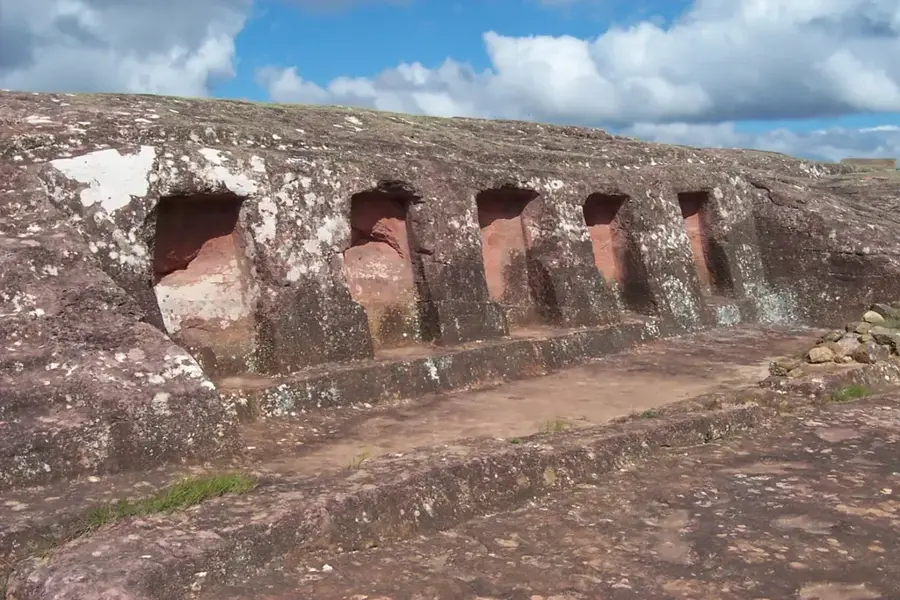
El Fuerte de Samaipata is a unique archaeological site located in the eastern foothills of the Bolivian Andes, designated a UNESCO World Heritage site in 1998. Situated at an elevation of approximately 1,950 meters, the complex consists of two main areas: the massive sculpted sandstone hill and the administrative and residential sector to its south. The rock itself is considered the largest pre-Columbian petroglyph ensemble in the world, likely serving ritualistic and astronomical purposes for ancient inhabitants. Originally settled by the Chané culture, the site was later conquered by the Inca in the 14th century, who fortified it as a regional center. During the Spanish colonial era, the site briefly served as a post station on the route between Asunción and Potosí. Today, Samaipata stands as a testament to the intersection of different pre-Hispanic cultures and their sophisticated religious and architectural achievements near the Amazon basin border.

Best time to visit & climate

The most pleasant time to visit is Apr, Aug, Sep.

JanFebMarAprMayJunJulAugSepOctNovDec
Avg °C222121201817171821222222
Rain mm16114210879726433354276102127

📋 Practical info

🚪
Visiting
El Fuerte de Samaipata is a UNESCO World Heritage site open to visitors. You can explore the massive sandstone rock with its Inca and pre-Inca carvings up close.
🕒
Typical hours
The site is open daily from 8 AM to 5 PM, last entry at 4 PM. It's advisable to come in the morning to avoid heat and explore at leisure.
📷
Photography
Photography is allowed throughout the site, and the carvings offer fascinating subjects. Stepping on the carved areas is not allowed to protect the engravings.
⏱️
Time needed
Allow at least one and a half hours for the walk over the rock and the surrounding terraces. With a visit to the small on-site museum, budget two hours.
Combine with
The nearby town of Samaipata invites with its colorful houses and the Boa Vista waterfall. Amboró National Park is also a worthwhile combination for nature lovers.
🧭
Getting there
El Fuerte is about 10 km south of Samaipata. You can take a taxi or minibus from the town center; the journey takes about 20 minutes.
💡
Insider tip
Bring plenty of water, as there are no shaded spots on the rock. A hat and sunscreen are also essential, especially during midday.

Geography

Coordinates
-18.17650, -63.82020

Facts

  • UNESCO declared the site a World Heritage location in 1998.
  • The sculpted rock extends over a length of approximately 250 meters.
  • The site is located on a mountain ridge at 1,950 meters above sea level.
  • Two parallel grooves on the rock were likely used for observing the solstice.
  • The Incas built a central plaza and several Callancas for ceremonial purposes.
  • Archaeological evidence of the Chané culture dates back to 300 AD.

Explore nearby

Notable places around
Route planner — Car & Motorhome

Where do you start? We build the route here, with stops and country notes along the way.

Vehicle
Only stops with (optional):

© OpenStreetMap contributors · OpenRouteService

Sights in the town El Fuerte de Samaipata (15)

Fuerte de Samaipata🏺 historical

A UNESCO World Heritage site dating back to 300 CE, featuring a massive sculpted sandstone rock used for pre-Columbian religious ceremonies.

Museo Arqueológico Regional de Samaipata🏛 museum

An insightful museum exhibiting ancient ceramics and artifacts excavated from the nearby pre-Columbian El Fuerte rock.

Allkawasi🏺 historical

The ruins of specialized ancient administrative buildings flanking the monumental carved rock of El Fuerte.

Centro Político🏺 historical

The central plaza area where provincial Inca and pre-Inca rulers commanded their administrative and military operations.

Centro Cultural Samaipata🎭 culture

The cultural centre of Samaipata showcases the region's traditional Andean art and crafts.

Monasterio Gnostico Tipheret⛪ religious

This Gnostic monastery set in the mountains of Samaipata serves as a spiritual centre and place of contemplation.

Iglesia Bautista Maranatha⛪ religious

The small Baptist church of Samaipata serves as a local gathering place for worship and the evangelical community.

Iglesia Adventista del 7mo Dia⛪ religious

This church in Samaipata is the place of worship for the local Seventh-day Adventist community.

Mercado Municipal de Samaipata🎭 culture

The main municipal market of Samaipata is a bustling hub for local Andean produce and craft goods.

Achira Entrada📍 landmark

This natural area near Samaipata is known for its rugged mountain landscape and native flora.

Inka Face📍 landmark

This striking rock formation at the El Fuerte archaeological site resembles a human face and shows traces of pre-Columbian carving.

Felinos📍 landmark

The petroglyphs in this zone of El Fuerte de Samaipata depict felines, which were important symbols in local pre-Hispanic cultures.

Mirador Las Cuevas🌿 nature

From this viewpoint, one can look directly at the scenic waterfalls and the dense subtropical vegetation of the Las Cuevas area.

Parque Aeronáutico🌿 nature

This viewpoint, named after an aeronautical park, gives a wide panoramic view over the valleys surrounding Samaipata.

Mirador 1🌿 nature

This primary observation deck on the road near Samaipata provides an unobstructed view of the rugged foothills of the Andes.

Sights nearby

Frequently asked questions

Is El Fuerte a real fortress?
Despite the name, it was primarily a ritual center and not a military fort.
What is special about the rock?
It is the largest carved sandstone rock in the world with numerous engravings.
Which cultures used this site?
First the Mojocoyas, later the Incas, and finally the Spanish built houses there.
How far is it from Santa Cruz?
It is about 120 km southwest of Santa Cruz; the drive takes approx. 3 hours.
Are you allowed to walk on the rock?
No, to protect the carvings, there are boardwalks and viewing platforms around it.
El Fuerte de Samaipata: where is it located?
El Fuerte de Samaipata is located in Bolivia.
El Fuerte de Samaipata: what is there to see?
Highlights include Fuerte de Samaipata, Museo Arqueológico Regional de Samaipata, Allkawasi.
El Fuerte de Samaipata: when is the best time to visit?
The most pleasant time to visit is Apr, Aug, Sep.
El Fuerte de Samaipata: why is it worth visiting?
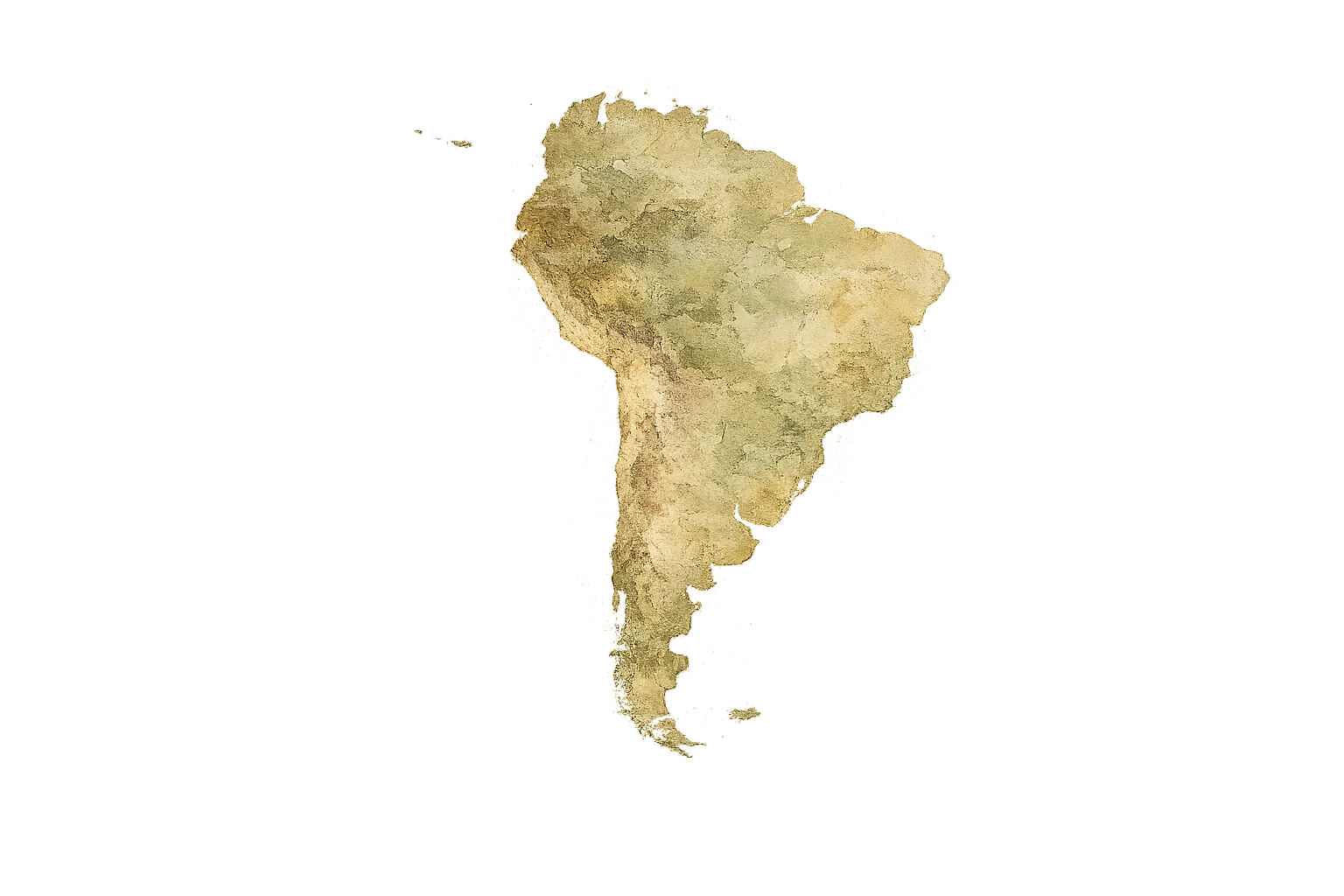
El Fuerte de Samaipata is a unique archaeological site located in the eastern foothills of the Bolivian Andes, designated a UNESCO World Heritage site in 1998.
View on map → The Top 50 Attractions → OpenStreetMap →
South America
Explore with Plizio Discover more places in South America
More places in Bolivia →

History & landmarks

Nature

More places