Plizio Visual Lab

Licancabur
Plizio editorial teamData Sources
Mountain
—°5
Licancabur (Bolivia)

Weather…

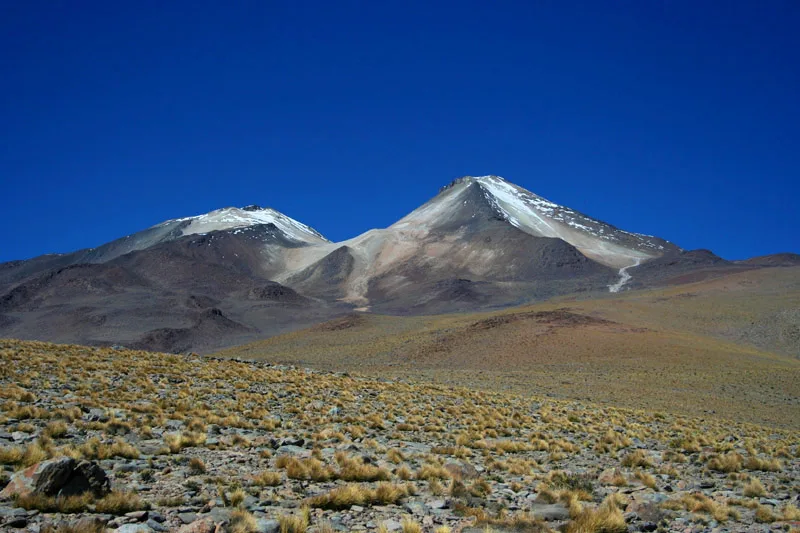
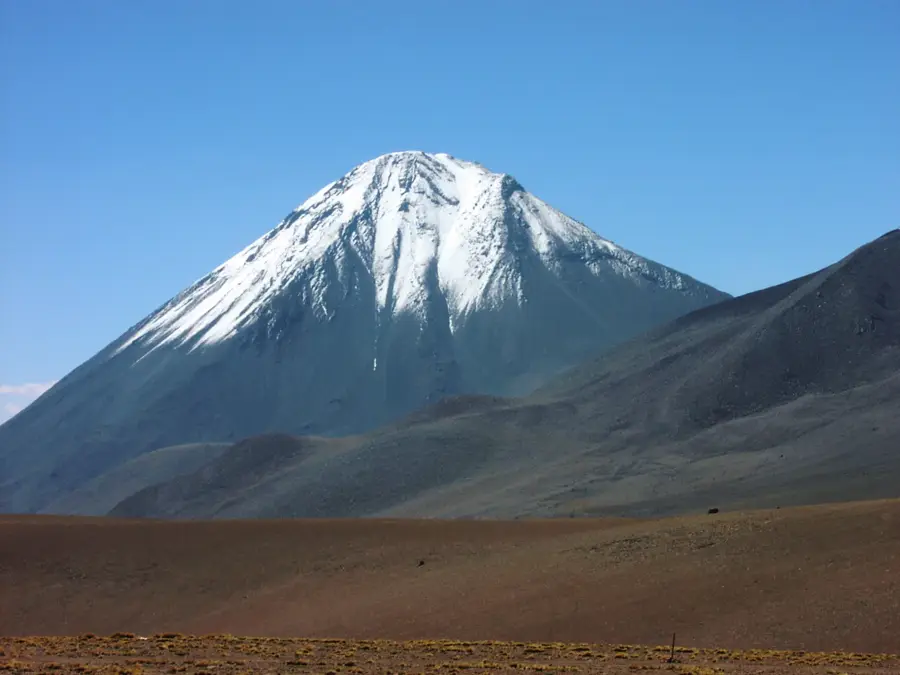
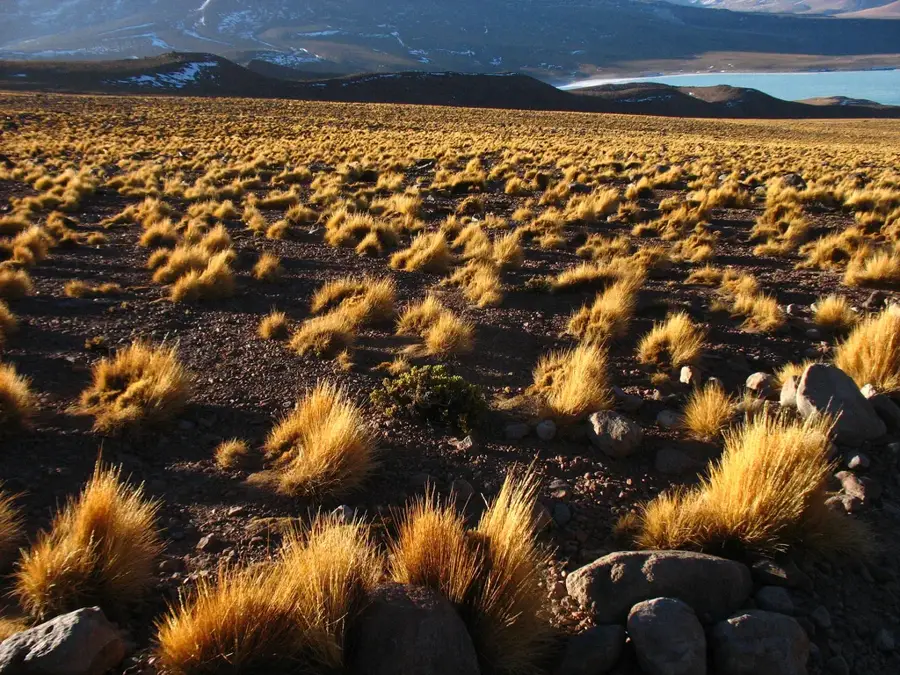
Licancabur is a prominent, nearly symmetrical stratovolcano situated on the border between Bolivia and Chile, rising to an elevation of 5,920 meters. It towers over the emerald-colored Laguna Verde within Bolivia's Eduardo Avaroa Andean Fauna National Reserve. The volcano is world-renowned for hosting one of the highest lakes on Earth inside its summit crater, which remains liquid despite extreme UV radiation and temperatures that drop to -30°C at night. This unique environment has made it a key site for NASA researchers studying extremophiles and Mars-like conditions. Archaeological evidence, including stone structures and firewood, shows that the Inca people climbed the summit for ceremonial purposes centuries ago. Today, it is a popular trekking destination, offering hikers a non-technical but physically demanding ascent characterized by loose scree, high winds, and the effects of high altitude.

Best time to visit & climate

The most pleasant time to visit is Jan, Feb, Dec.

JanFebMarAprMayJunJulAugSepOctNovDec
Avg °C1717161411991012141617
Rain mm784120100114

📋 Practical info

🧭
Getting there
Expeditions to climb this prominent stratovolcano typically launch from the Bolivian side near Laguna Verde, requiring a 4x4 vehicle to reach the remote base camp at the foot of the mountain.
📅
Best season
The best window for an ascent is during the dry, stable months from May to November, avoiding the summer precipitation that can bring dangerous snow and ice storms to the high-altitude slopes.
⛰️
Terrain & paths
The ascent involves scrambling over extremely steep, loose volcanic scree, massive boulders, and uneven rocks, culminating at the rim of the crater which holds a high-altitude summit lake.
🎒
What to bring
High-quality mountaineering boots, heavy thermal layers, windproof outerwear, and trekking poles are mandatory, and climbers must carry all their own water as there are no sources on the slope.
🅿️
Parking
Mountaineers and their guides typically leave their off-road transport parked at the designated base camp area near the mountain's lower slopes before commencing the grueling foot ascent.
⚠️
Safety
Climbing requires excellent physical conditioning and acclimatization to survive the thin air near 6,000 meters; hiring an experienced local mountain guide is crucial to navigate the loose, dangerous scree safely.
⏱️
Time needed
The grueling climb to the summit and the subsequent descent back to the base camp generally takes a full, exhausting day, usually starting well before dawn to avoid the harsh afternoon winds.

Geography

Coordinates
-22.83300, -67.88100

Facts

  • The summit reaches an elevation of 5,920 meters (19,423 feet).
  • The crater lake is approximately 90 meters long and 70 meters wide.
  • Inca ruins found on the summit date back to the late 15th century.
  • The volcano is considered dormant, with no recorded historical eruptions.
  • NASA has conducted astrobiology experiments at the summit lake.
  • It is located at the triple point where Bolivia, Chile, and Argentina meet nearby.

Explore nearby

Notable places around
Route planner — Car & Motorhome

Where do you start? We build the route here, with stops and country notes along the way.

Vehicle
Only stops with (optional):

© OpenStreetMap contributors · OpenRouteService

Sights in the town Licancabur (5)

Access point to the Licancabur Volcano's trail📍 landmark

This attraction marks the starting point for hikers venturing onto the rugged trails of the Licancabur Volcano.

Cráter del Volcan Licancabur🌿 nature

This high-altitude viewpoint looks directly into the massive crater of the dormant Licancabur Volcano.

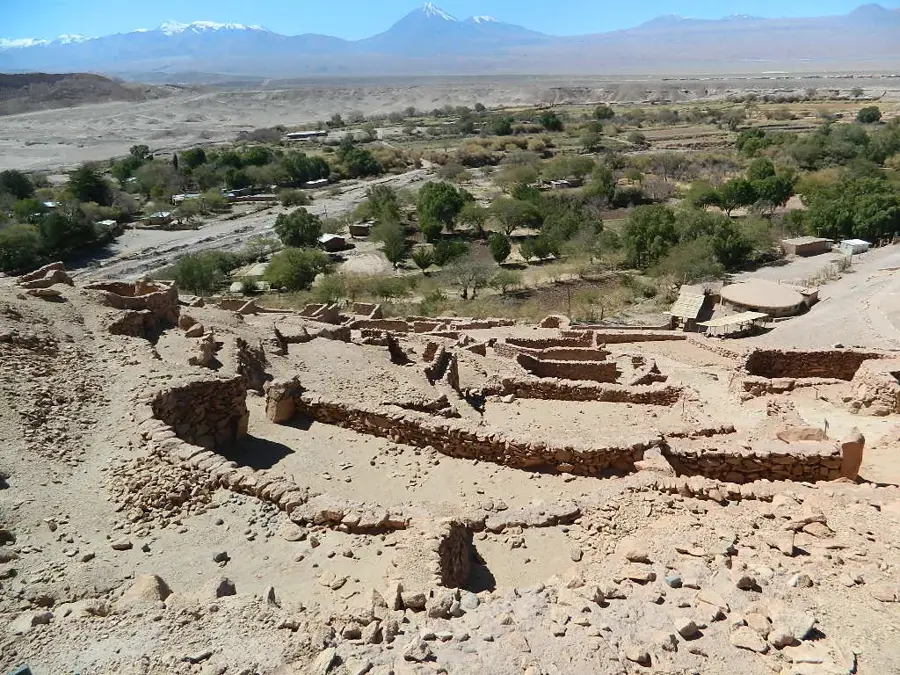
Ruinas Incas Tata Maico Licanco🏺 historical

The Tata Maico Licanco Inca Ruins are an archaeological site revealing ancient stone structures on the volcanic slopes.

Cerro Chaxas🌿 nature

Cerro Chaxas is a notable peak standing tall amidst the dramatic surrounding high-desert landscape.

Ruinas Incas🏺 historical

These Inca ruins consist of historic stone walls scattered across the rugged Andean terrain.

Sights nearby

Frequently asked questions

On which border is the Licancabur volcano located?
It is located on the border between Bolivia and Chile.
What can be found in the Licancabur crater?
A small lake, which is one of the highest lakes in the world.
Can the volcano be climbed from the Bolivian side?
Yes, tours often start from Laguna Verde.
What height does Licancabur reach?
It is 5,916 meters high.
Why is the summit archaeologically interesting?
Inca ruins are located there, which served religious purposes.
Licancabur: where is it located?
Licancabur is located in Bolivia.
Licancabur: what is there to see?
Highlights include Access point to the Licancabur Volcano's trail, Cráter del Volcan Licancabur, Ruinas Incas Tata Maico Licanco.
Licancabur: when is the best time to visit?
The most pleasant time to visit is Jan, Feb, Dec.
Licancabur: why is it worth visiting?
Licancabur is a prominent, nearly symmetrical stratovolcano situated on the border between Bolivia and Chile, rising to an elevation of 5,920 meters.
View on map → The Top 50 Attractions → OpenStreetMap →
South America
Explore with Plizio Discover more places in South America
More places in Bolivia →

History & landmarks

Nature

More places