Plizio Visual Lab
Salar de Uyuni
Weather…
Water temperature…
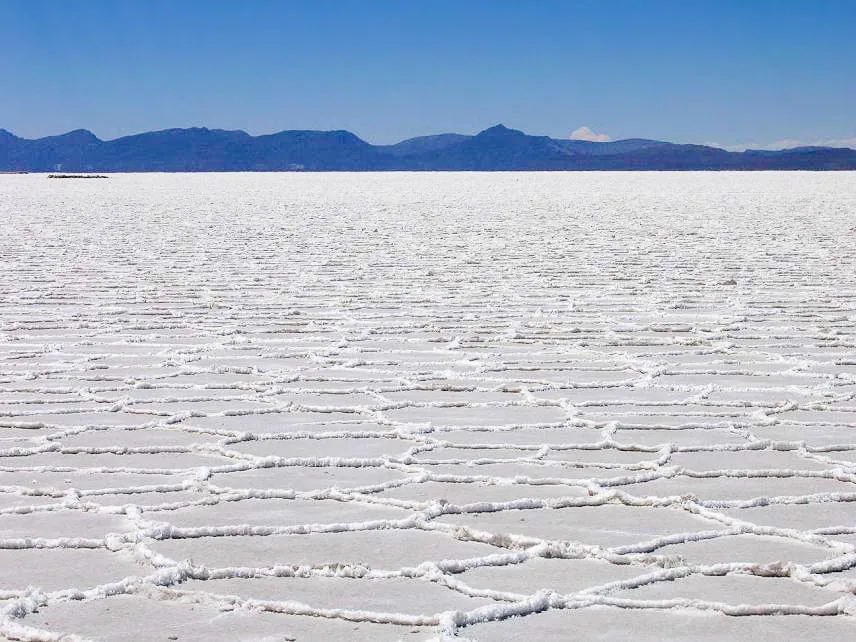
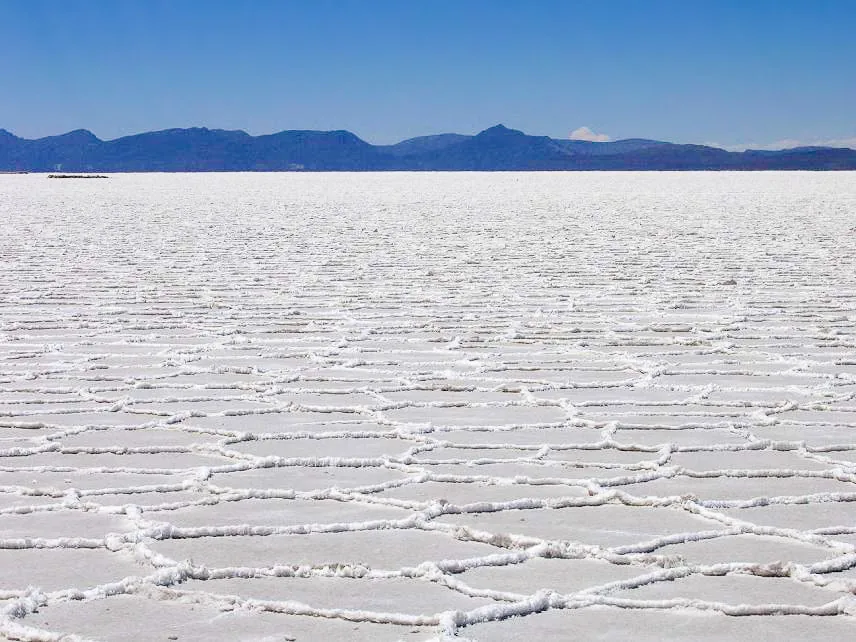
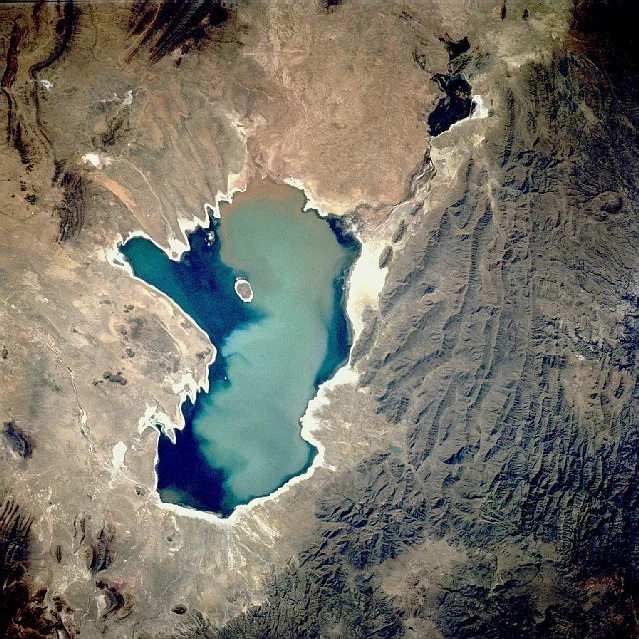
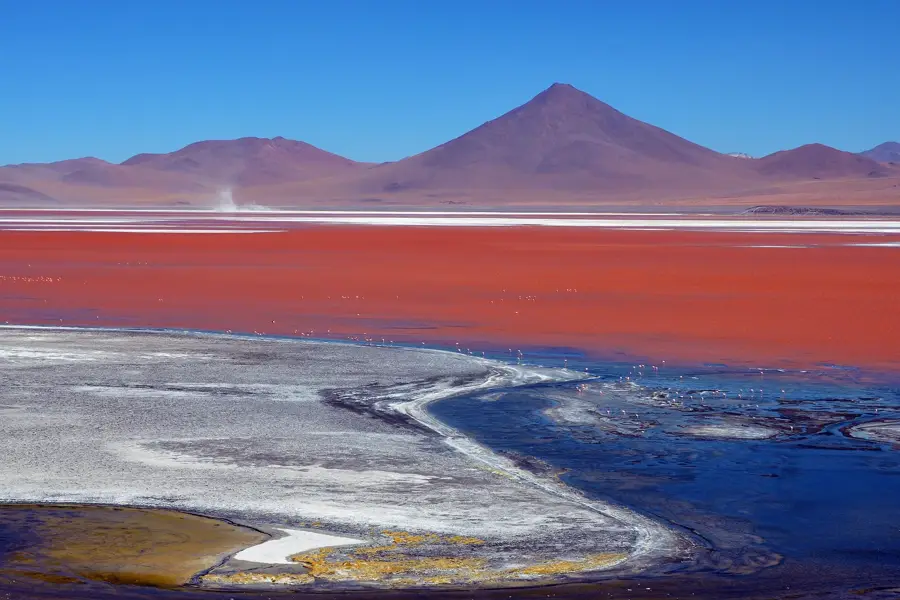
Salar de Uyuni is the world's largest salt flat, covering an expansive 10,582 square kilometers in southwestern Bolivia. It was formed as a result of transformations between several prehistoric lakes, most notably Lake Minchin, which dried up approximately 40,000 years ago. The surface is covered by a thick salt crust that is exceptionally flat, varying in height by less than one meter over the entire area, making it good for calibrating satellite instruments. Beneath the crust lies a vast brine pool containing an estimated 50% to 70% of the world's known lithium reserves, a critical resource for the global energy transition. During the wet season, the flat becomes covered with a thin layer of water, creating a striking mirror effect that reflects the sky. It also serves as a major breeding ground for several species of flamingos and features isolated 'islands' like Incahuasi, which are home to ancient cacti reaching ages of over 1,000 years.
Best time to visit & climate
The most pleasant time to visit is Mar, Nov, Dec.
| Jan | Feb | Mar | Apr | May | Jun | Jul | Aug | Sep | Oct | Nov | Dec | |
|---|---|---|---|---|---|---|---|---|---|---|---|---|
| Avg °C | 12 | 11 | 10 | 8 | 4 | 3 | 2 | 4 | 6 | 8 | 10 | 12 |
| Rain mm | 81 | 74 | 45 | 13 | 3 | 4 | 3 | 3 | 9 | 18 | 19 | 59 |
📋 Practical info
Geography
Facts
- Salar de Uyuni covers roughly 10,582 square kilometers.
- It contains an estimated 10 billion tons of salt.
- The area is used by NASA to calibrate satellite distance sensors.
- The salt flat is about 100 times larger than the Bonneville Salt Flats.
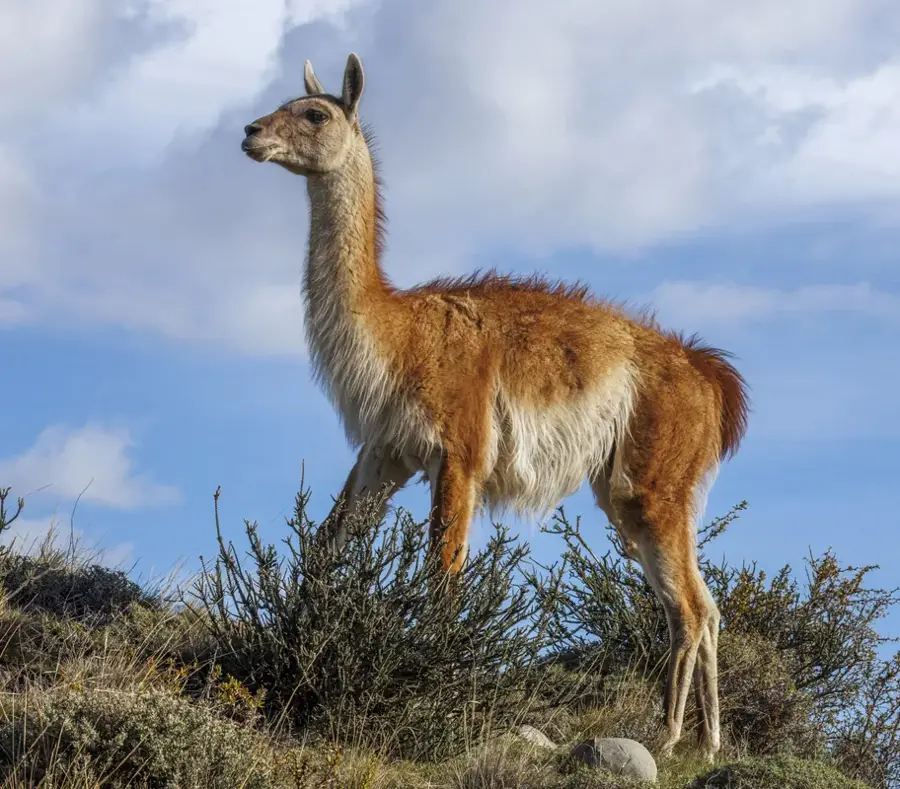
- It is the primary habitat for the rare James's flamingos.
- The first salt hotel in the world was built here in 1993.
Explore nearby
Notable places around
Route planner — Car & Motorhome
Where do you start? We build the route here, with stops and country notes along the way.
© OpenStreetMap contributors · OpenRouteService
Sights in the town Salar de Uyuni (1)
Sights nearby
Frequently asked questions
When can you see the mirror effect at Salar de Uyuni?
How big is Salar de Uyuni?
Can you stay overnight on the Salar?
What is Incahuasi Island?
How do you get there?
Salar de Uyuni: where is it located?
Salar de Uyuni: when is the best time to visit?
Salar de Uyuni: why is it worth visiting?
History & landmarks

Nature
More places