Plizio Visual Lab

Tunupa Volcano
Plizio editorial teamData Sources
Mountain
—°8
Tunupa Volcano (Bolivia)

Weather…

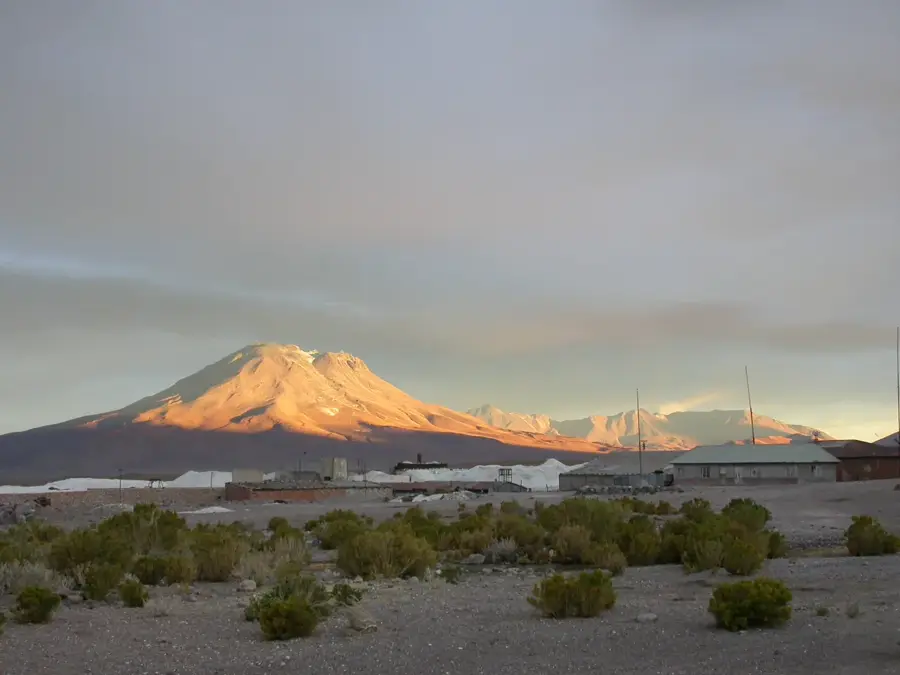
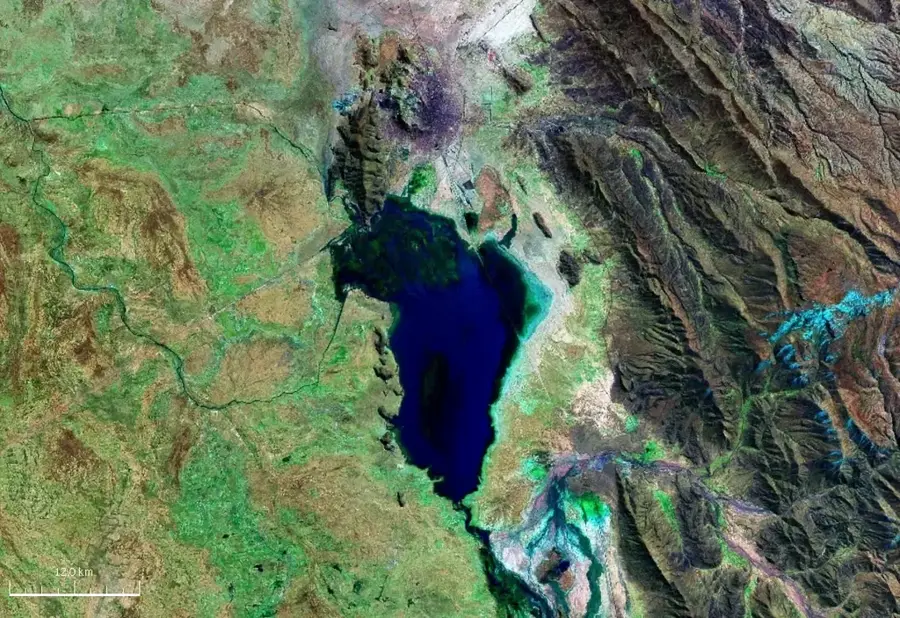
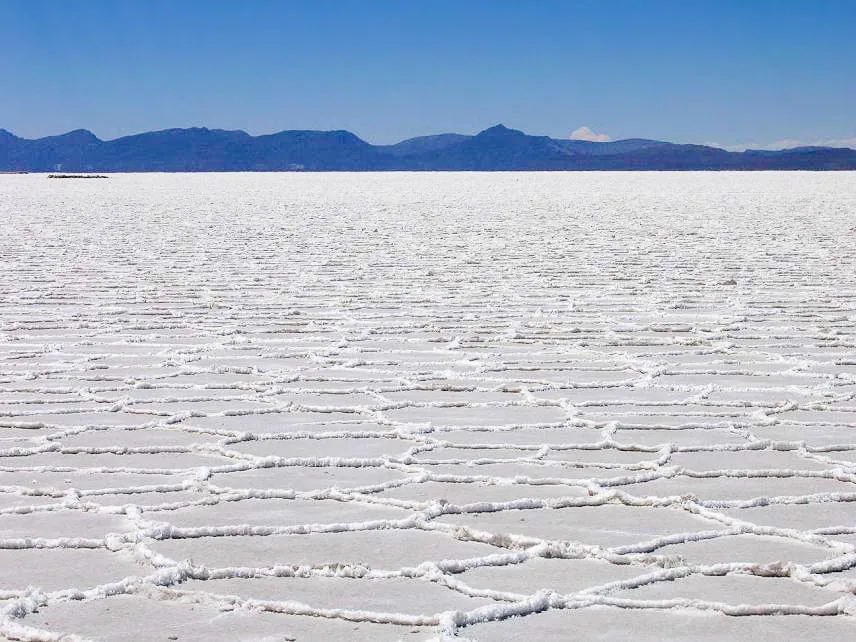
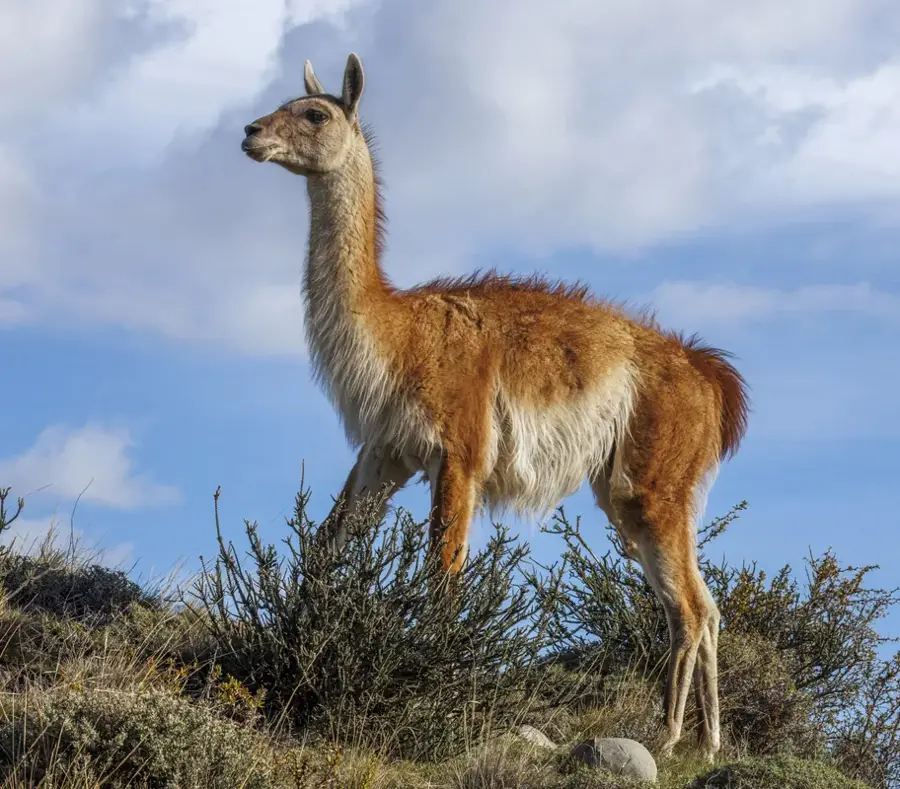
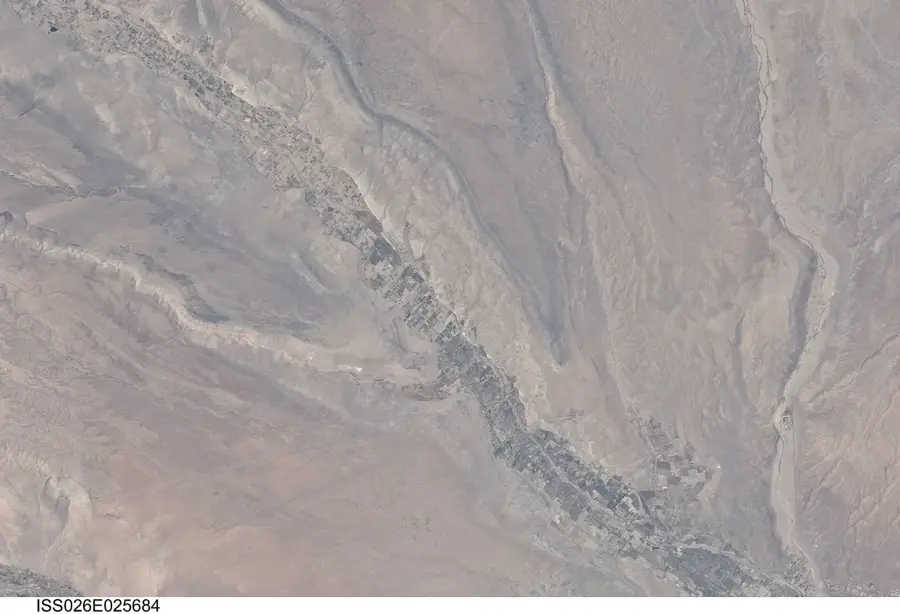
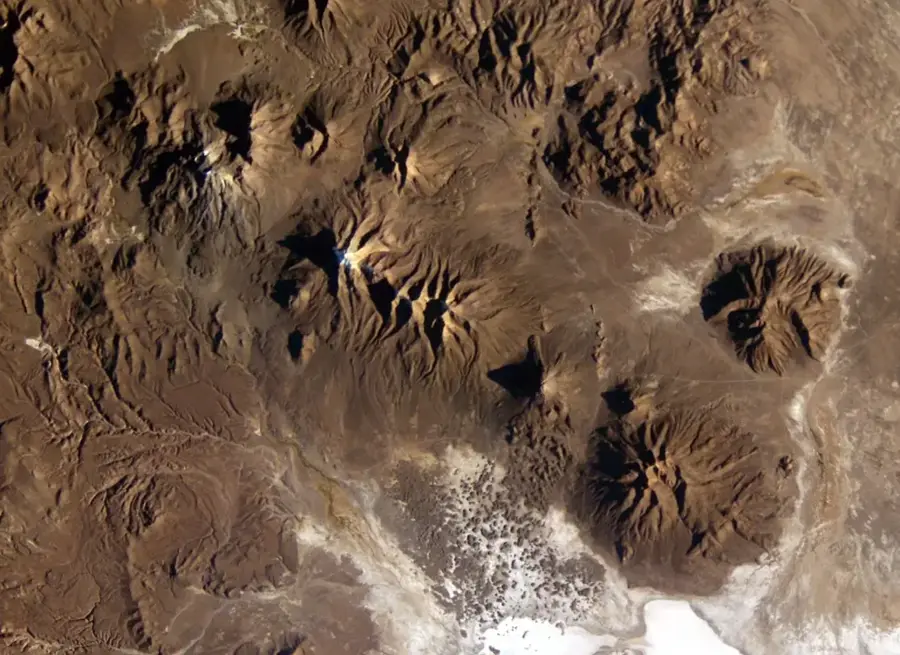
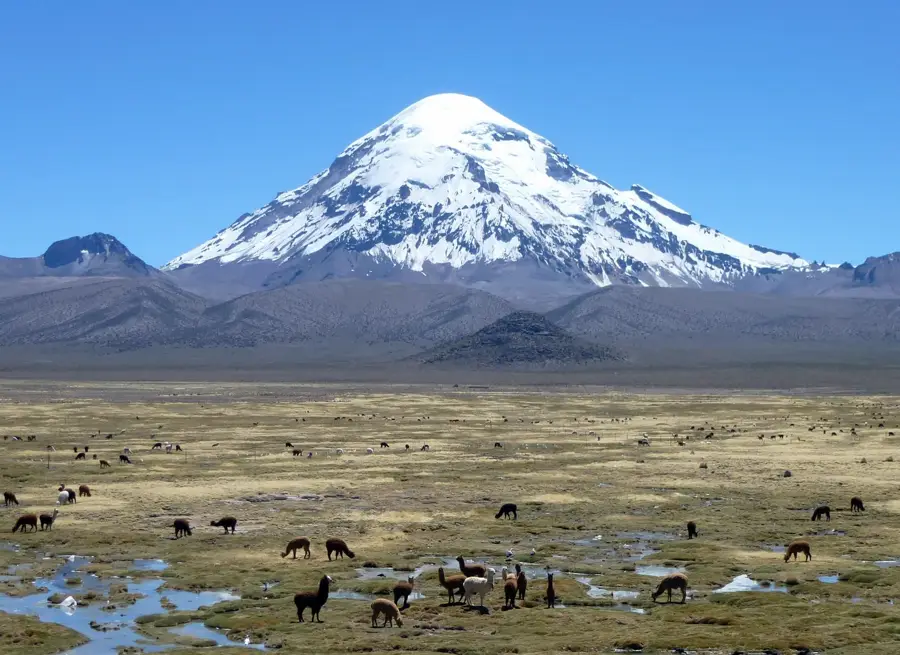
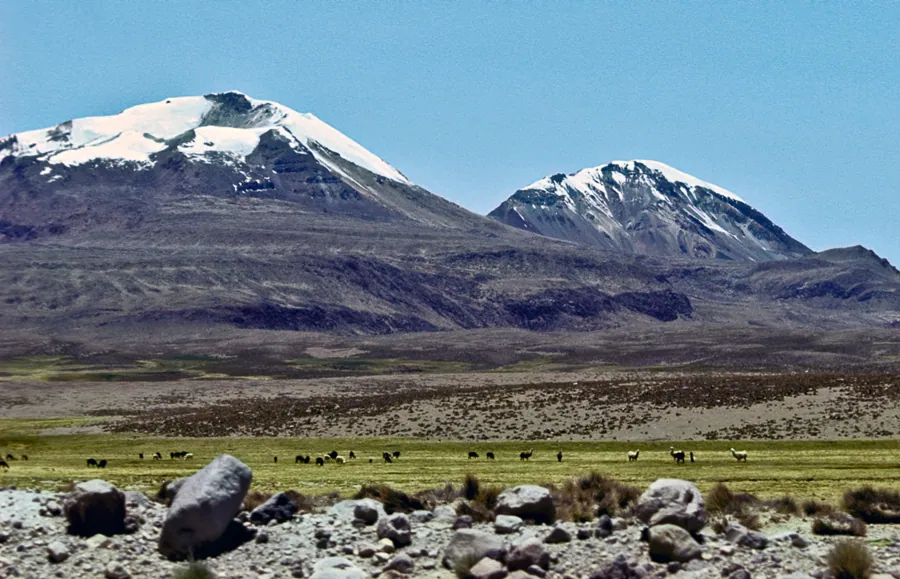
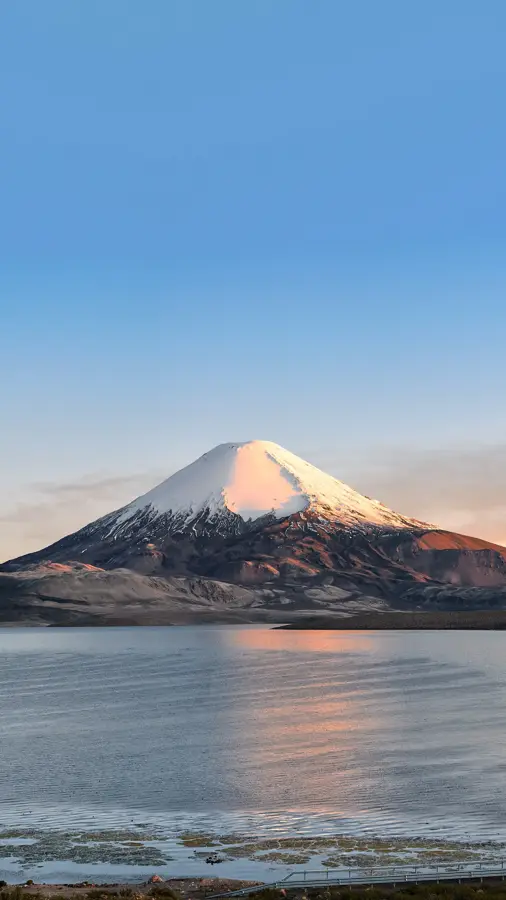
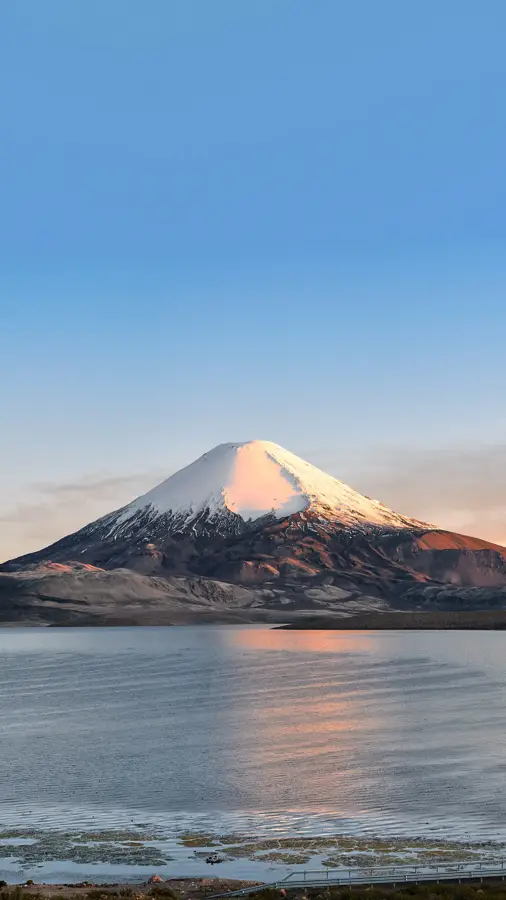
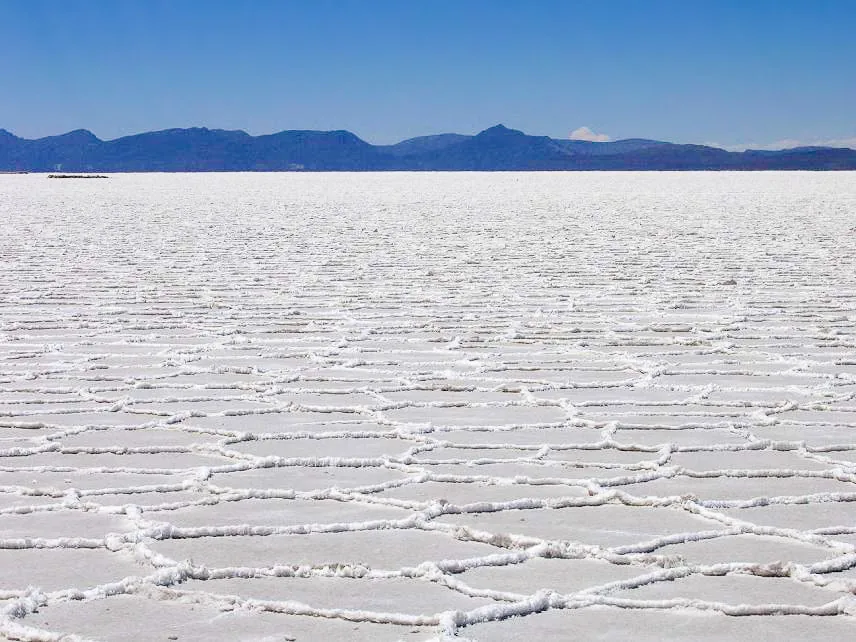
Tunupa Volcano is an extinct stratovolcano in southwestern Bolivia, rising majestically from the northern edge of the Salar de Uyuni. At an elevation of 5,321 meters, it dominates the surrounding Altiplano landscape and provides spectacular views of the world's largest salt flat. The volcano is primarily composed of layered lava flows and pyroclastic deposits. In Aymara mythology, Tunupa is a central figure, often personified as a female deity whose tears, according to legend, created the salt flat itself. The mountain's slopes are home to significant archaeological sites, most notably the Coquesa mummies, which rest in a cave at an altitude of about 4,000 meters. Vegetation on the volcano is sparse, consisting mainly of hardy bunchgrasses and cushion plants adapted to the extreme thin air and cold temperatures. The volcano is a favored destination for hikers and climbers seeking to experience its unique blend of cultural history and geographical grandeur.

Best time to visit & climate

The most pleasant time to visit is Mar, Nov, Dec.

JanFebMarAprMayJunJulAugSepOctNovDec
Avg °C12111084324681012
Rain mm8174451334339181959

📋 Practical info

🧭
Getting there
Access is typically from the northern edge of the Salar de Uyuni, often starting from nearby villages like Coqueza. Most visitors join guided 4x4 tours crossing the salt flats to reach the base of the mountain.
📅
Best season
The dry season, usually between May and October, provides the most stable weather and clear skies for climbing. During the rainy season, the salt flat can become flooded and impassable for vehicles.
⛰️
Terrain & paths
The terrain involves loose volcanic rock, steep scree slopes, and potentially high-altitude trails. The ascent is physically demanding due to the significant elevation, though lower viewpoints are more easily accessible.
🎒
What to bring
Sturdy hiking boots with excellent grip are essential for navigating the scree. Due to the high altitude and intense sun, layered warm clothing, strong sun protection, and plenty of drinking water are absolutely necessary.
🅿️
Parking
Vehicles are typically parked at the trailheads near the villages at the base of the volcano. Independent driving is extremely challenging on the salt flats, so relying on local tour operators is highly recommended.
⚠️
Safety
Acute mountain sickness is a severe risk due to the extreme elevation above the salt flat. Hikers must acclimatize properly beforehand, ascend slowly, and be prepared to turn back if experiencing headaches or nausea.
⏱️
Time needed
A full ascent to the crater viewpoints typically takes the better part of a day. Visitors who only explore the lower slopes or nearby caves usually spend a few hours at the site during their salt flat tour.

Geography

Coordinates
-19.82860, -67.64330

Facts

  • Elevation: 5,321 meters above sea level
  • Location: Directly north of the Salar de Uyuni
  • The Coquesa mummies are approximately 700 years old
  • Last active volcanic phase was millions of years ago
  • Considered a sacred mountain by the Aymara people
  • The village of Coquesa serves as the base for climbs

Explore nearby

Notable places around
Route planner — Car & Motorhome

Where do you start? We build the route here, with stops and country notes along the way.

Vehicle
Only stops with (optional):

© OpenStreetMap contributors · OpenRouteService

Sights in the town Tunupa Volcano (8)

Crater View🌿 nature

This high-altitude vantage point provides panoramic views directly into the striking crater of the dormant Tunupa Volcano.

Museo Artesanal de Coqueza🏛 museum

Located at the foot of the volcano, this small museum showcases indigenous crafts and historical artifacts from the local Andean community.

Mirador del Crater del Volcan Thunupa (desde Jirira)🌿 nature

Accessible via the village of Jirira, this rugged viewpoint presents hikers with dramatic views of the colorful Tunupa crater and the vast salt flats below.

Mirador del Cráter del Volcán Thunupa🌿 nature

Standing high on the mountainside, this scenic overlook reveals the dramatic, mineral-stained interior of the volcano's massive crater.

Cueva de las Momias📍 landmark

Tucked into the rocky slopes of the volcano, this small cave houses incredibly well-preserved ancient mummies from a pre-Inca culture.

💶

Pucará Ayque🏺 historical

These ancient stone ruins represent a pre-Columbian hill fort built to guard the strategic pathways across the Altiplano.

Capilla Santiago📍 landmark

A modest whitewashed chapel dedicated to Saint James, standing as a quiet spiritual refuge in the arid Andean landscape.

Iglesia de Tahua📍 landmark

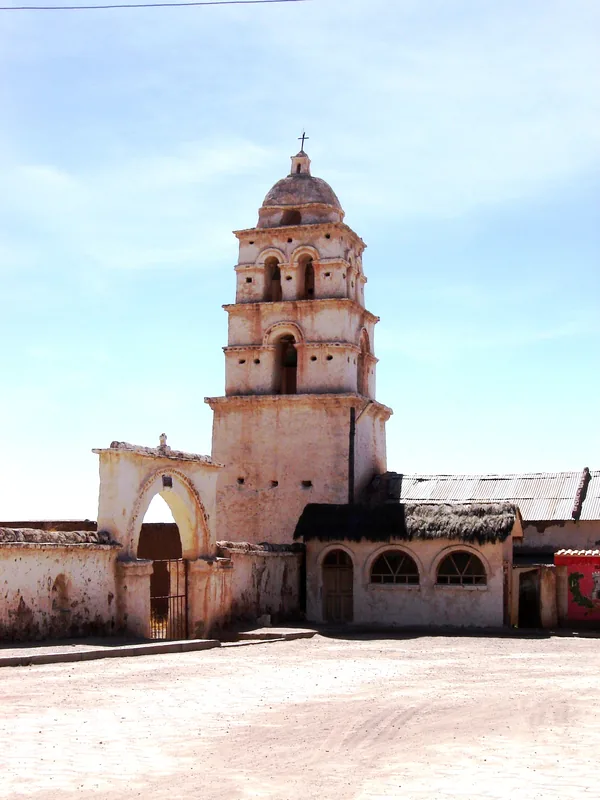
This traditional stone church anchors the small rural community of Tahua near the edge of the great salt flat.

Sights nearby

Frequently asked questions

Can you climb the volcano?
Yes, hiking to the crater rim at about 4,700m is a popular day trip.
How is the view?
Spectacular; you can overlook the entire white Salar de Uyuni.
Where to stay?
In the villages of Coquesa or Tahua at the base, often in salt hotels.
Are there toilets there?
Only in the village accommodations; there are no facilities on the mountain itself.
How is the ascent?
Strenuous due to loose ash and high altitude; a local guide is recommended.
Tunupa Volcano: where is it located?
Tunupa Volcano is located in Bolivia.
Tunupa Volcano: what is there to see?
Highlights include Crater View, Museo Artesanal de Coqueza, Mirador del Crater del Volcan Thunupa (desde Jirira).
Tunupa Volcano: when is the best time to visit?
The most pleasant time to visit is Mar, Nov, Dec.
Tunupa Volcano: why is it worth visiting?
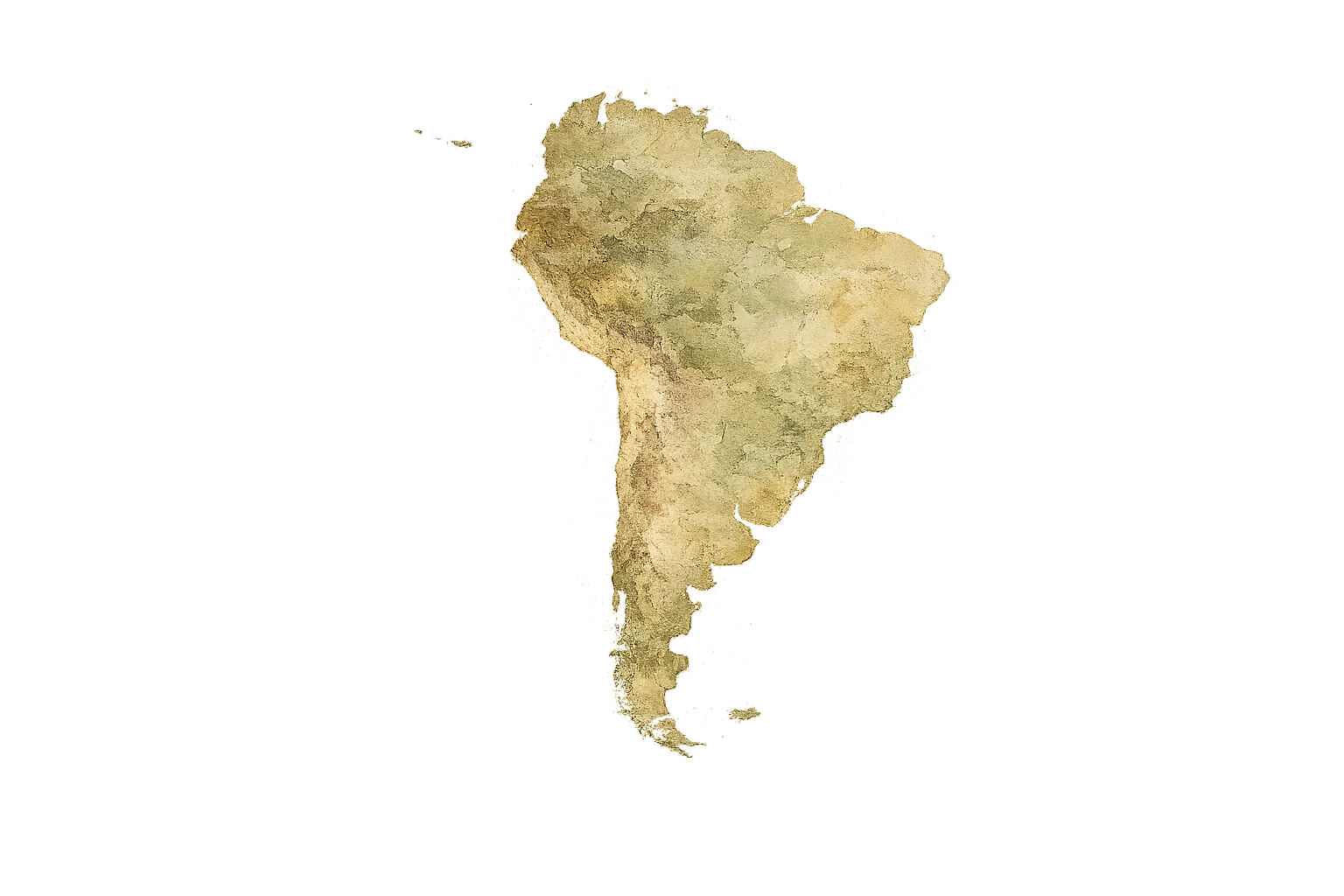
Tunupa Volcano is an extinct stratovolcano in southwestern Bolivia, rising majestically from the northern edge of the Salar de Uyuni.
View on map → The Top 50 Attractions → OpenStreetMap →
South America
Explore with Plizio Discover more places in South America
More places in Bolivia →

History & landmarks

Nature

More places