Plizio Visual Lab

Cordillera Occidental
Plizio editorial teamData Sources
Mountain
—°4
Cordillera Occidental (Bolivia)

Weather…

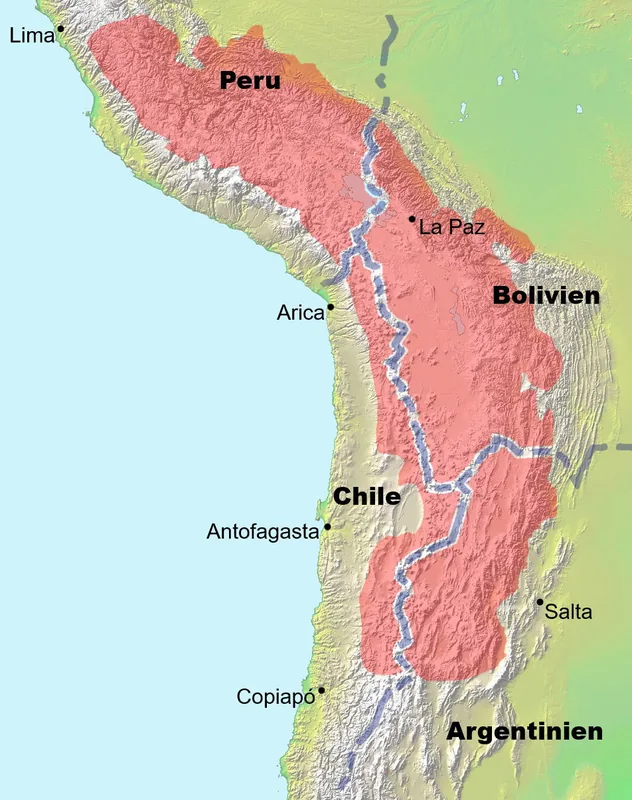
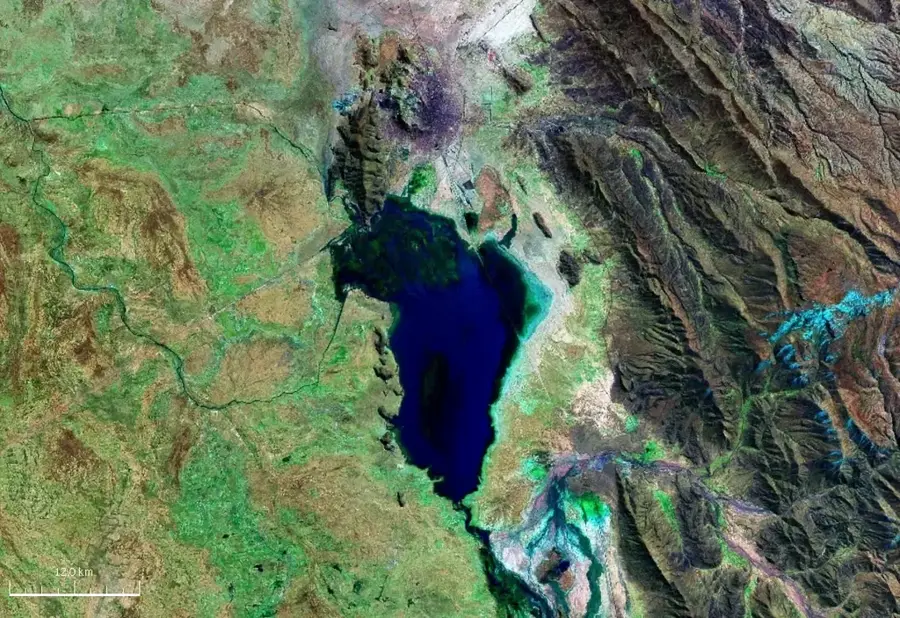
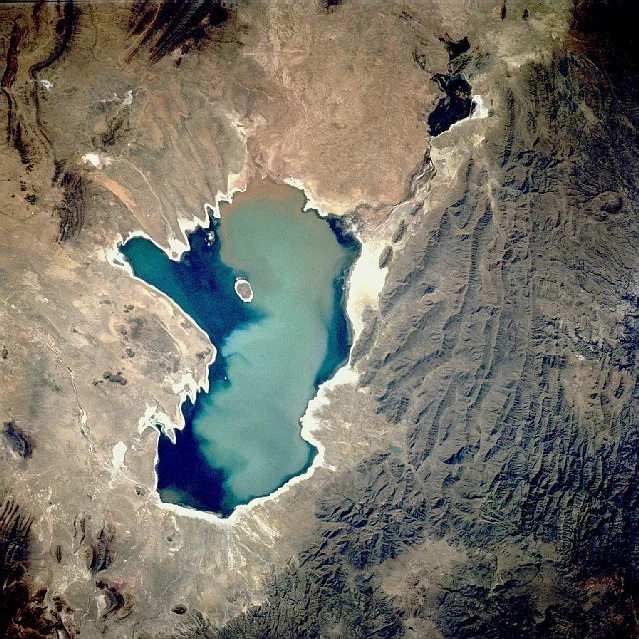
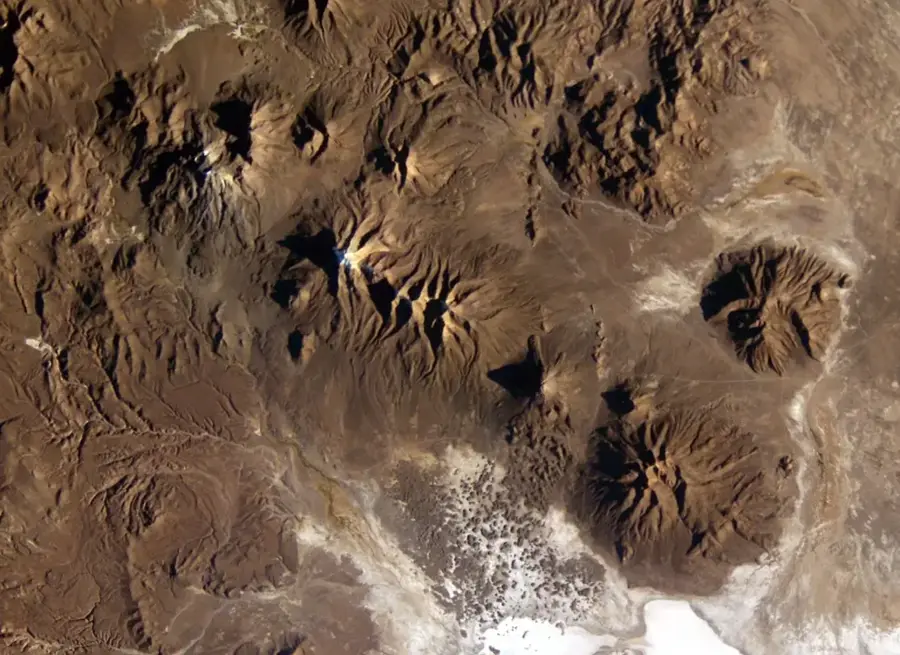
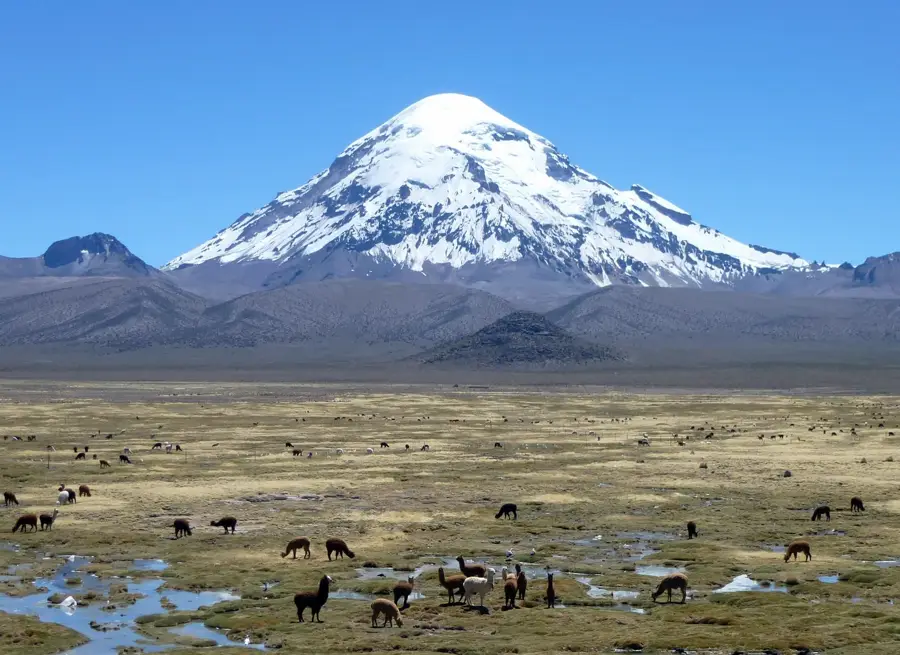
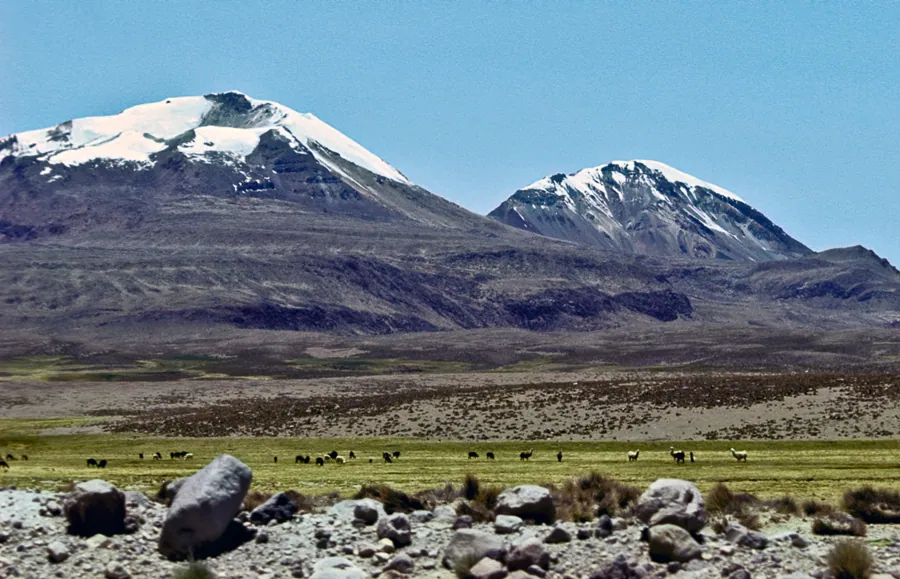
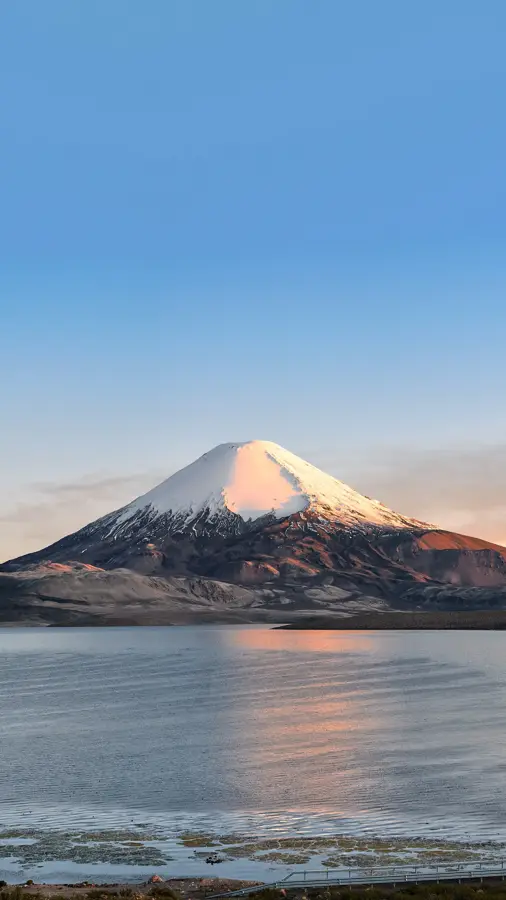
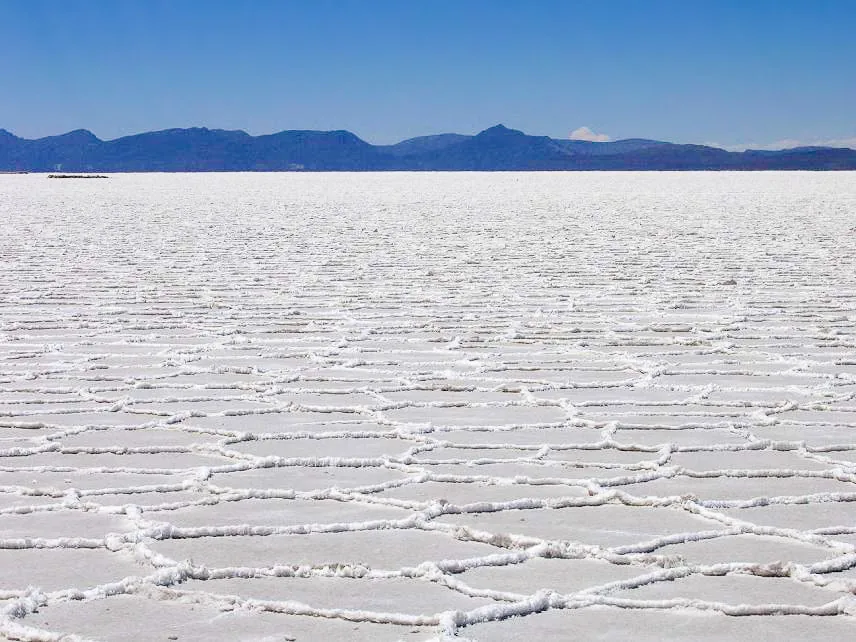
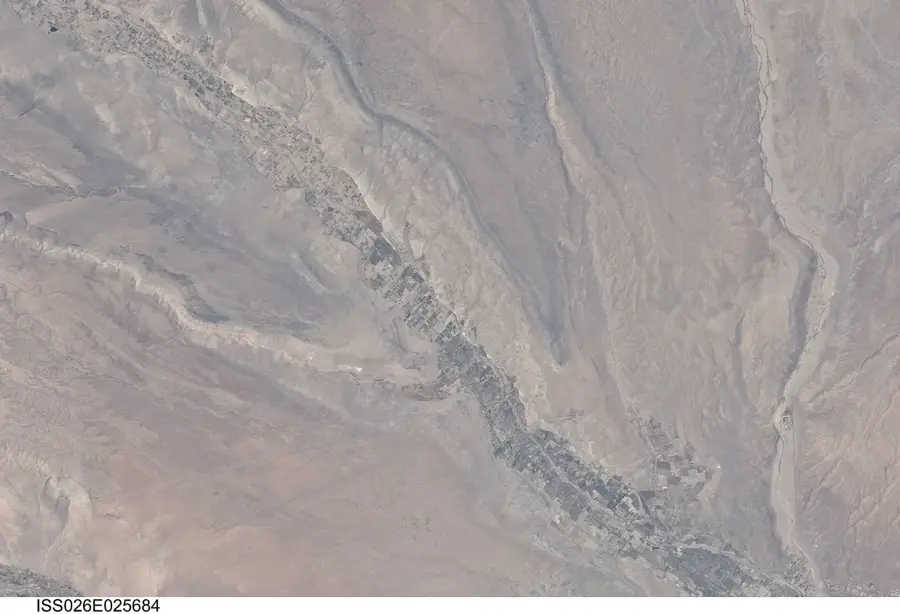
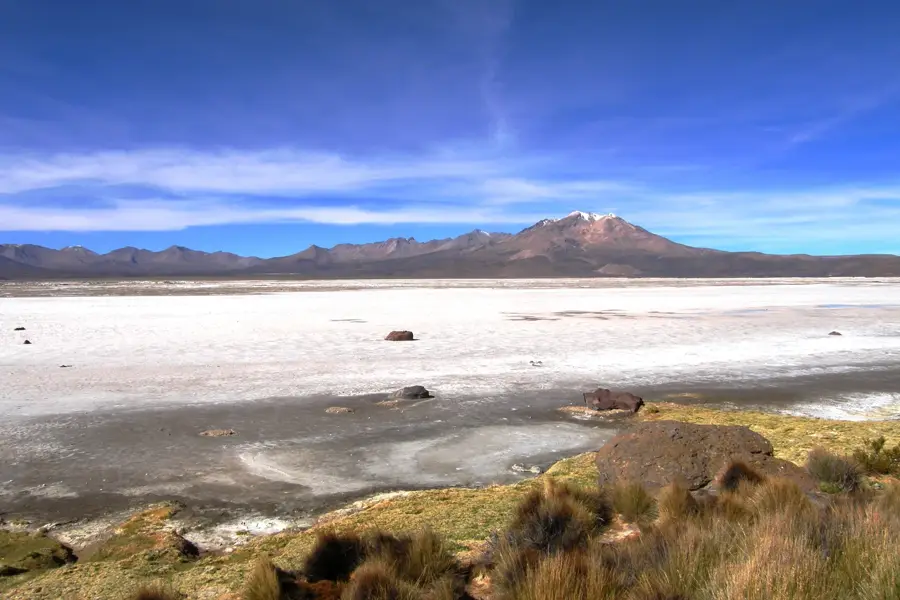
The Cordillera Occidental of Bolivia forms the western fringe of the Altiplano and serves as a natural border with Chile. This mountain range is primarily volcanic in origin, characterized by a series of massive stratovolcanoes, many of which are still considered potentially active. The climate in this region is extremely arid and cold, resulting in a landscape of vast salt flats and barren high-altitude steppes. Bolivia's highest peak, the extinct volcano Sajama (6,542 m), dominates the northern part of the range. Due to the aridity, permanent surface water is scarce, but the area is dotted with alkaline lagoons that serve as critical breeding grounds for various flamingo species. Geologically, the range is part of the Pacific Ring of Fire, formed by the subduction of the Nazca Plate beneath the South American Plate. The region is sparsely populated but supports unique ecosystems such as Queñua forests, which are among the highest-growing forest formations in the world.

Best time to visit & climate

The most pleasant time to visit is Mar, Nov, Dec.

JanFebMarAprMayJunJulAugSepOctNovDec
Avg °C998743245789
Rain mm43372383334891031

📋 Practical info

🧭
Getting there
Reaching the peaks of the Cordillera Occidental usually involves hiring a robust 4x4 from towns like Oruro or Uyuni, navigating poorly marked dirt roads near the Chilean border.
📅
Best season
The dry Andean winter from May to October provides the best conditions. Heavy summer precipitation (December to March) can cause severe flooding and road washouts in the surrounding plains.
⛰️
Terrain & paths
The terrain is defined by massive, isolated stratovolcanoes dominating arid, windswept high plains. Slopes are characterized by loose volcanic rock, scree, and sometimes high-altitude glaciers.
🎒
What to bring
For any significant exploration, mountaineering equipment may be necessary, alongside extreme cold-weather clothing, strong hiking boots, ample hydration, and reliable satellite navigation tools.
🅿️
Parking
Parking is purely informal at the base of the mountains. Drivers look for stable, flat ground away from loose sand or potential rockfall zones to set up a temporary staging area.
⚠️
Safety
The combination of punishing altitudes, blistering winds, and complete absence of facilities makes this region unforgiving. Proper acclimatization and traveling with local experts are essential.
⏱️
Time needed
A typical excursion aimed at viewing the volcanic landscapes takes 2 to 3 days from the nearest city, while attempting to summit any peak will significantly extend the required time and effort.

Geography

Coordinates
-19.00000, -68.50000

Facts

  • The highest point in the range is the Sajama volcano at 6,542 meters.
  • The range is home to the world's highest-altitude forest (Queñua trees).
  • Many volcanoes, such as Licancabur, sit directly on the border with Chile.
  • The region often receives less than 100 mm of annual precipitation.
  • The range contains Laguna Colorada, famous for its algae-induced red color.
  • The rock composition consists mainly of Tertiary and Quaternary volcanics.

Explore nearby

Notable places around
Route planner — Car & Motorhome

Where do you start? We build the route here, with stops and country notes along the way.

Vehicle
Only stops with (optional):

© OpenStreetMap contributors · OpenRouteService

Sights in the town Cordillera Occidental (4)

Janq'u Ch'utu🌿 nature

This prominent Andean mountain peak features challenging terrain for high-altitude climbers in the Cordillera Occidental.

Parroquia de Cruz de Huayllas📍 landmark

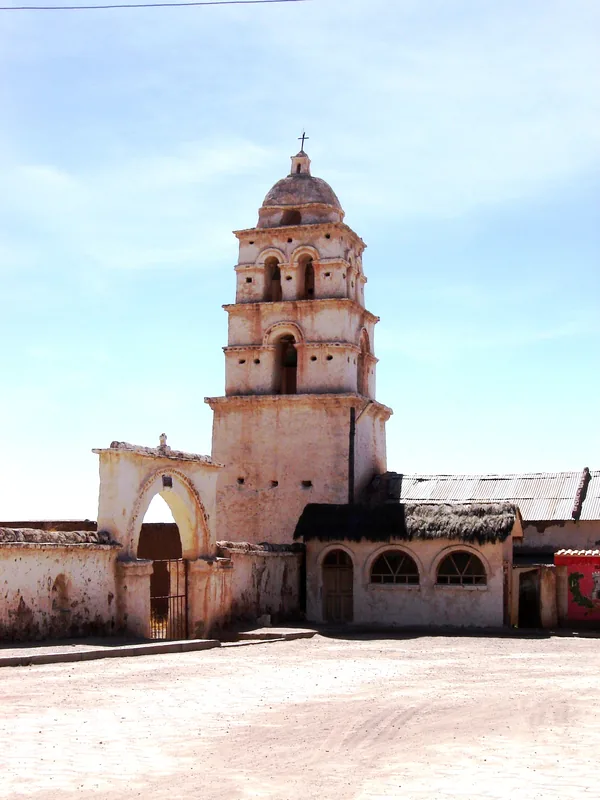
Serving the remote highlands, this established parish church gathers the Catholic community of Cruz de Huayllas for Sunday mass.

Parroquia de Alaroco📍 landmark

This regional parish acts as the spiritual heart of the Alaroco community, maintaining religious traditions in the rugged highlands.

Iglesia de Pacariza📍 landmark

Anchored in the high plains, this resilient stone church provides a welcoming sanctuary for the villagers of Pacariza.

Sights nearby

Frequently asked questions

What characterizes this mountain range?
It consists of active and extinct volcanoes along the border with Chile.
How is the climate there?
Extremely dry, windy, and very cold at night; often below -10 degrees Celsius.
Are there paved roads?
Only a few main roads; most paths to the volcanoes are unpaved dirt tracks.
What equipment is needed?
High-quality winter clothing, a sub-zero sleeping bag, and strong UV protection.
Is there drinking water on site?
Hardly any natural springs; visitors must bring their entire water supply.
Cordillera Occidental: where is it located?
Cordillera Occidental is located in Bolivia.
Cordillera Occidental: what is there to see?
Highlights include Janq'u Ch'utu, Parroquia de Cruz de Huayllas, Parroquia de Alaroco.
Cordillera Occidental: when is the best time to visit?
The most pleasant time to visit is Mar, Nov, Dec.
Cordillera Occidental: why is it worth visiting?
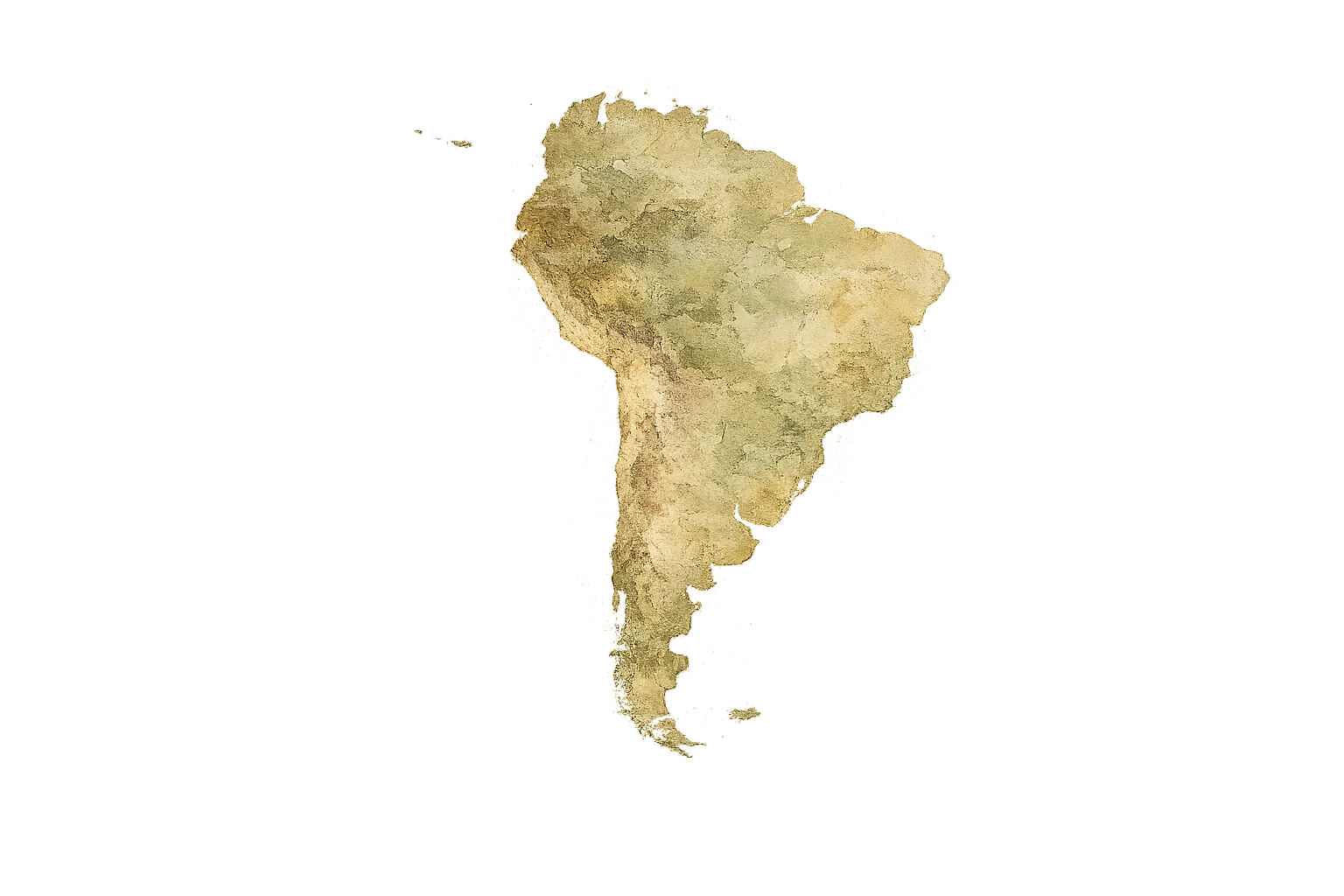
The Cordillera Occidental of Bolivia forms the western fringe of the Altiplano and serves as a natural border with Chile.
View on map → The Top 50 Attractions → OpenStreetMap →
South America
Explore with Plizio Discover more places in South America
More places in Bolivia →

History & landmarks

Nature

More places