Plizio Visual Lab
Lake Poopó
Weather…
Water temperature…
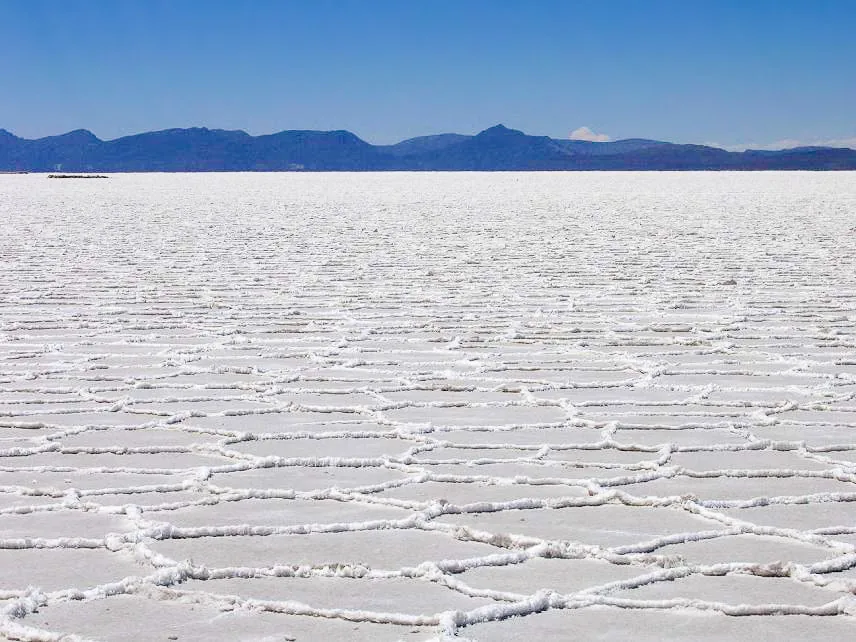
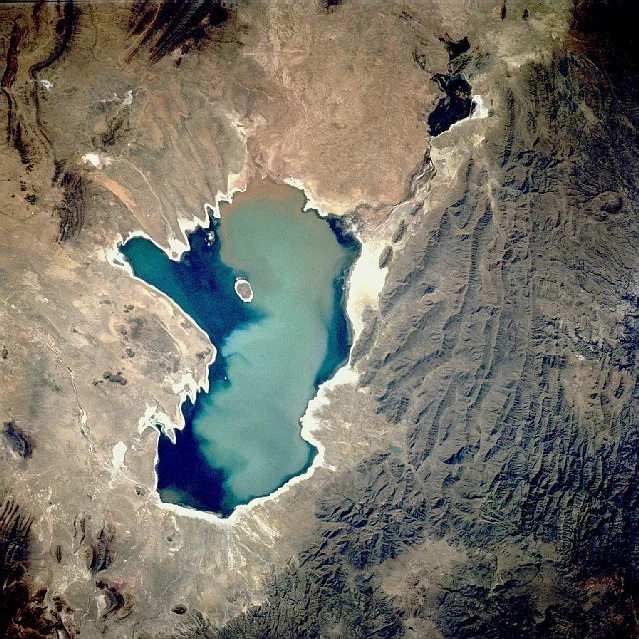
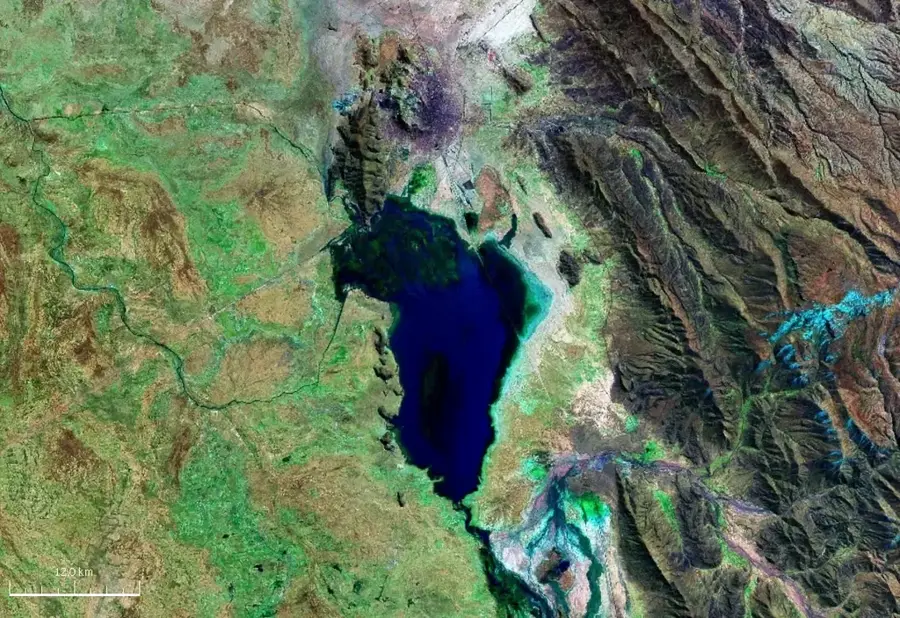
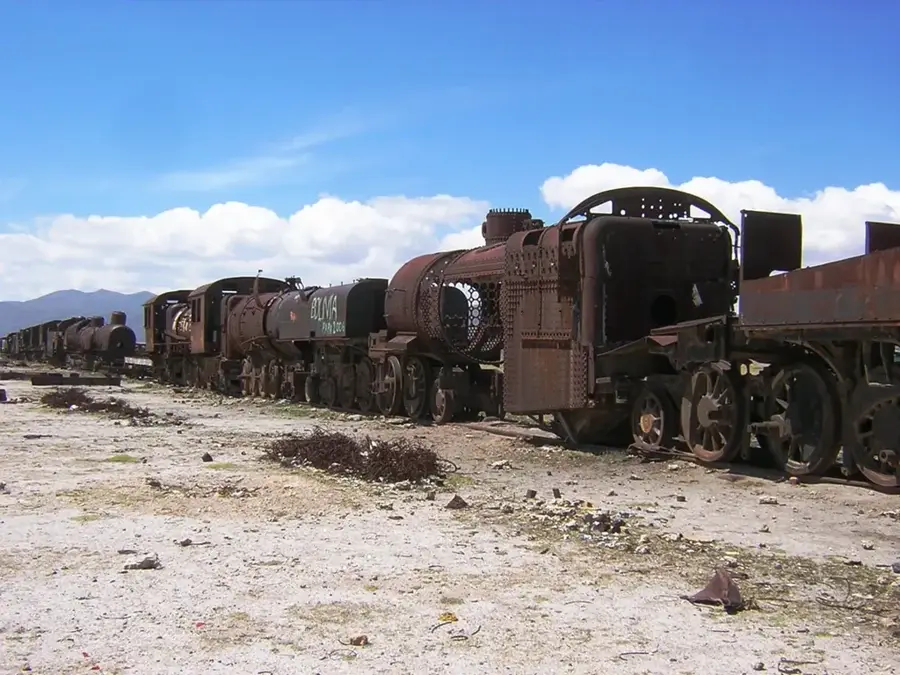
Lake Poopó was formerly Bolivia's second-largest lake, situated on the Altiplano in the Oruro Department at an altitude of 3,686 meters. As an endorheic saline lake, its primary water source was the Desaguadero River, which flows from Lake Titicaca. Over recent decades, the lake has faced a massive ecological crisis, leading to its near-total disappearance by late 2015 due to climate change, persistent droughts, and water diversion for mining and irrigation. Its shallow average depth of only 3 meters made it extremely susceptible to high evaporation rates typical of the high-altitude Andean environment. The lake's drying has had devastating impacts on the indigenous Uru-Murato people, who for centuries relied on fishing for their survival. While seasonal rains occasionally bring back a thin layer of water, the once-thriving ecosystem that supported thousands of flamingos and fish species has been severely compromised. Geologically, Lake Poopó is considered a remnant of the prehistoric Lake Minchin, which covered the Altiplano during the Pleistocene.
Best time to visit & climate
The most pleasant time to visit is Apr, Oct, Nov.
| Jan | Feb | Mar | Apr | May | Jun | Jul | Aug | Sep | Oct | Nov | Dec | |
|---|---|---|---|---|---|---|---|---|---|---|---|---|
| Avg °C | 11 | 10 | 10 | 9 | 6 | 4 | 4 | 5 | 7 | 10 | 11 | 11 |
| Rain mm | 101 | 86 | 53 | 19 | 5 | 31 | 5 | 8 | 17 | 27 | 26 | 79 |
📋 Practical info
Geography
Facts
- Located at an altitude of 3,686 meters on the Altiplano.
- Formerly the second largest lake in Bolivia after Titicaca.
- Primary water source is the Desaguadero River.
- Officially declared dried up in December 2015 due to drought.
- The lake had a very shallow average depth of only 3 meters.
- Traditional home of the indigenous Uru-Murato fishing people.
Explore nearby
Notable places around
Route planner — Car & Motorhome
Where do you start? We build the route here, with stops and country notes along the way.
© OpenStreetMap contributors · OpenRouteService
Sights nearby
Frequently asked questions
What is the main problem facing Lake Poopó?
Where is Lake Poopó located?
Was the lake large in the past?
Is there still fishing on Lake Poopó?
Can you visit the lake bed?
Lake Poopó: where is it located?
Lake Poopó: when is the best time to visit?
Lake Poopó: why is it worth visiting?
History & landmarks
Nature
More places